

The Invisible Web: Moving from Landmarks to Logistics
For years, the global imagination of Chinese infrastructure was dominated by images of colossal bridges piercing mist-shrouded mountains or massive tunnels boring through rock. These are engineering marvels, certainly. But for the average person living in China today, these landmarks have ceased to be spectacles; they have become invisible backdrops to daily life.
The real story is no longer about building the longest bridge, but about how seamlessly that bridge connects a suburban apartment to a downtown office. The narrative has shifted from “construction” to “integration.” We are witnessing the rise of what planners call the “One-Hour Urban Agglomeration,” where living in a satellite city and working in a core metropolis is not just possible, but routine.
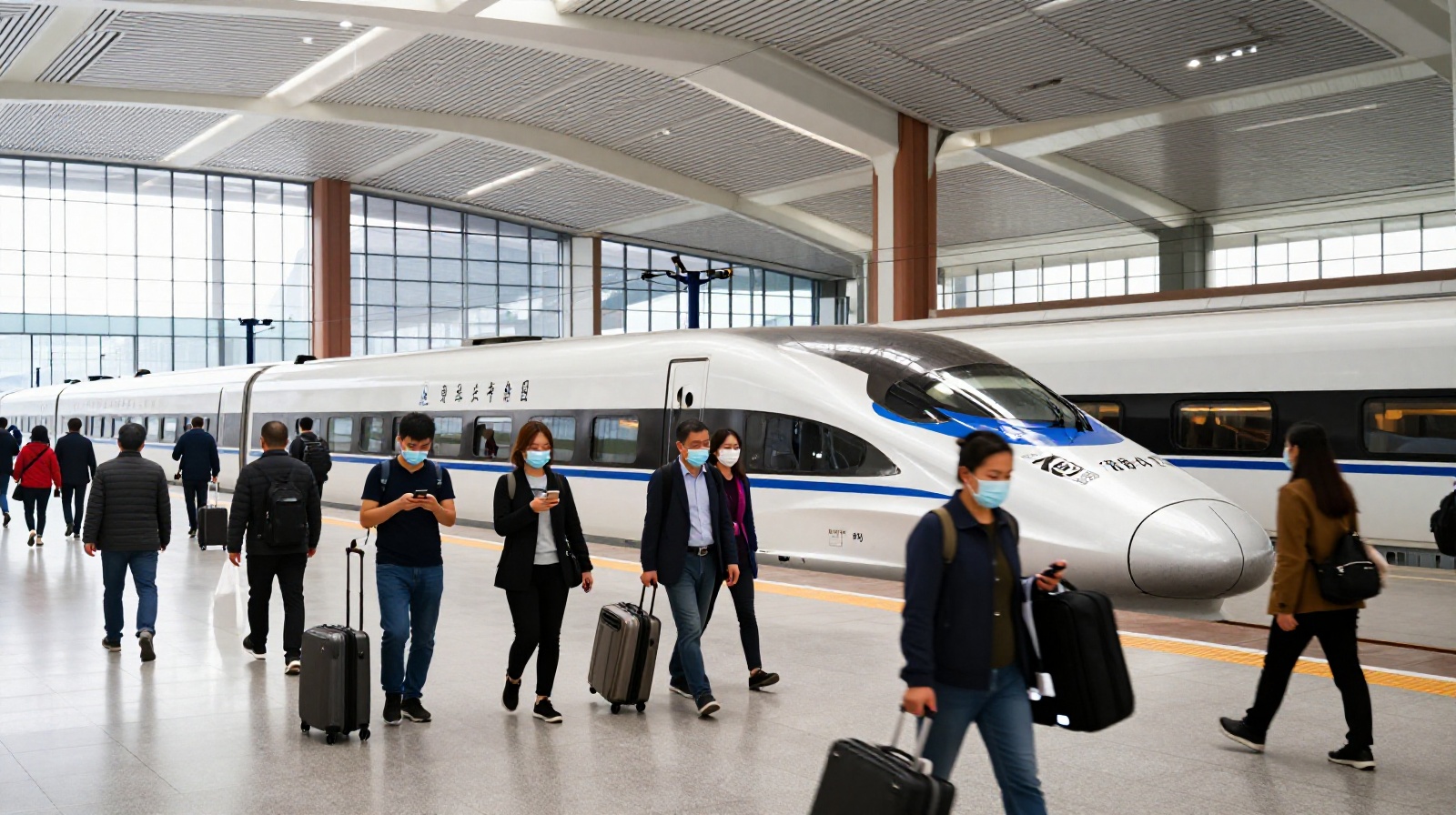
This shift is best understood by looking at the commuter’s reality. It is no longer about the grandeur of the station architecture, but the efficiency of the transfer between lines, the reliability of the schedule, and the digital convenience that binds it all together.
The Commuter’s Reality: A Day in the Life
Consider the morning routine of Li Wei, a 29-year-old software engineer. He lives in Kunshan, a county-level city adjacent to Shanghai. Ten years ago, commuting to Shanghai would have meant waking up at 5 AM for an overnight bus or enduring a chaotic, multi-hour journey on conventional trains.
Today, Li Wei’s alarm goes off at 7:30 AM. He walks five minutes to the Kunshan Central Station, taps his phone against the gate, and boards a high-speed train (G-series) that departs precisely on time. The ride to Shanghai Hongqiao takes just 25 minutes. Upon arrival, he walks through an underground concourse, seamlessly transferring to Line 2 of the Shanghai Metro without stepping outside or checking another ticket.
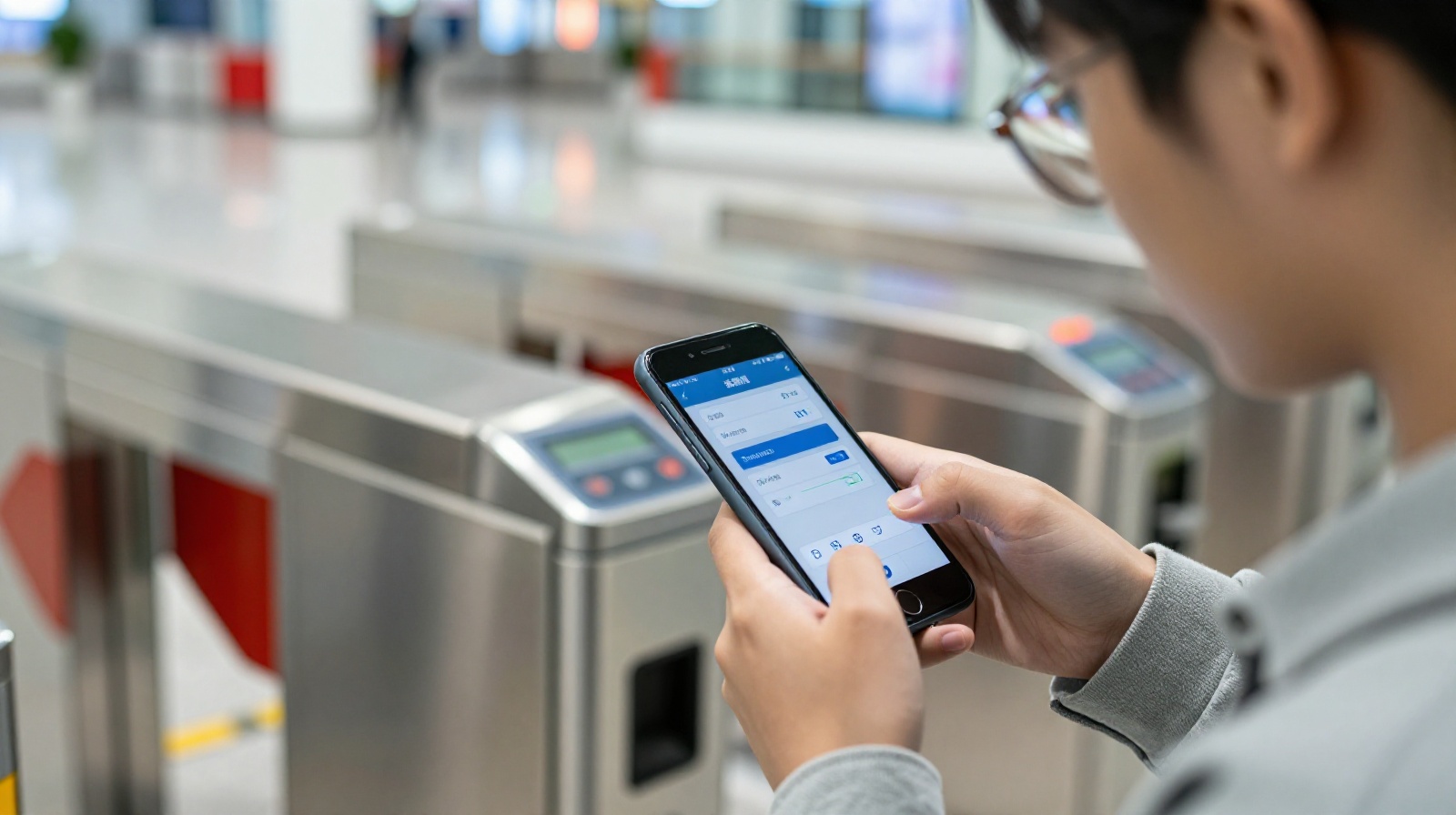
This “seamless transfer” is a critical detail often missed by outsiders. In many countries, intercity rail and local subways are separate systems with distinct payment methods and physical barriers. In China’s major hubs, they are integrated into a single, fluid ecosystem. The reliability is stark: delays are rare, and the frequency of trains during rush hour can be as high as one every few minutes.
For Li Wei, this infrastructure does more than save time; it expands his housing choices. He can afford a modern apartment with better views in Kunshan while earning a Shanghai salary. This dynamic is replicating across dozens of corridors in China, creating vast economic zones where the boundary between “city” and “countryside” blurs.
Logistics as Lifestyle: When ‘Next-Day’ Becomes ‘Same-Hour’
If high-speed rail shrinks distance for people, the parallel logistics network shrinks it for goods. The density of China’s railway system is not just moving passengers; it is fueling a hyper-efficient supply chain that has redefined consumer expectations.
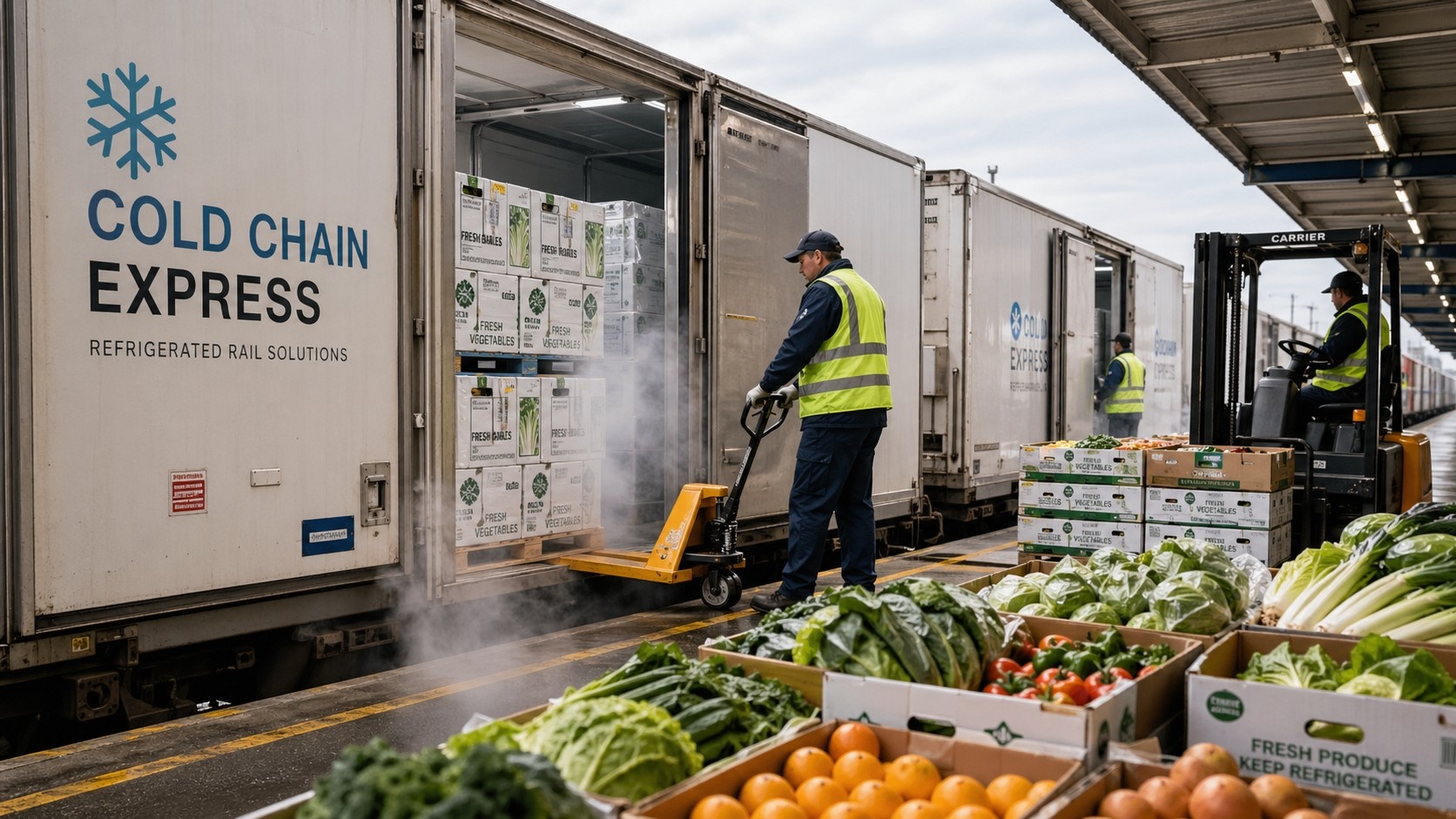
Take the case of fresh produce. A box of strawberries picked in Shuita, Yunnan province—a region thousands of miles from Beijing—can arrive at a Beijing supermarket table within 24 hours. This is not an exception; it is the standard enabled by dedicated cold-chain freight lines that run alongside passenger services.
But the impact on daily life goes deeper. In Tier-1 and Tier-2 cities, the “last mile” has been compressed from days to hours. Thanks to a dense network of high-speed rail for long-haul transport and an army of electric scooters for urban delivery, ordering groceries or electronics online often results in arrival within two to four hours.
This accessibility changes behavior. A resident in Chengdu can order specific ingredients from Guangzhou for dinner that night. A family in a remote county town has access to the same bookstores, fashion brands, and educational resources as those in Beijing. Infrastructure has democratized consumption, reducing the premium on location.
Breaking Geographic Barriers: Tourism and Family Ties
The social implications of this connectivity are profound. In the past, visiting family members who lived in distant provinces was a major logistical undertaking, often reserved for Spring Festival (Chinese New Year) or rare vacations. Today, high-speed rail has normalized “weekend trips” across provincial lines.

Zhang Lan, a teacher from Hangzhou, visits her parents in a small county in Anhui province every other weekend. The train ride takes two hours—time she uses to read or catch up on emails. Before the high-speed rail network expanded to this region, such frequent travel was financially and physically exhausting.
This trend is boosting local economies beyond the mega-cities. Small towns with historical sites or natural beauty are seeing a surge in weekend tourism because they are now within a reachable radius for millions of urbanites. The “one-hour living circle” is not just about commuting; it is about reactivating regional cultures and creating new economic opportunities in peripheral areas.
The Human Cost and Trade-offs
However, this transformation is not without its complexities. The efficiency of the system faces periodic stress tests, most notably during Chunyun (the Spring Festival travel rush). During these weeks, the demand for tickets far exceeds supply, leading to intense competition and crowded carriages. It is a reminder that while infrastructure provides capacity, population density creates bottlenecks.
Additionally, there are environmental considerations. While high-speed rail is significantly greener per passenger-kilometer than air or road travel, the construction and maintenance of such vast networks require substantial energy and resources. The push toward electrification and renewable energy integration in transport is a critical ongoing adjustment.
Infrastructure as Social Glue
To understand modern China, one must look beyond the steel and concrete. The infrastructure built over the last two decades has done more than move people and goods; it has stitched together a fragmented society. It has allowed families to maintain closer ties despite geographic separation and has given young professionals options that defy traditional urban-rural divides.
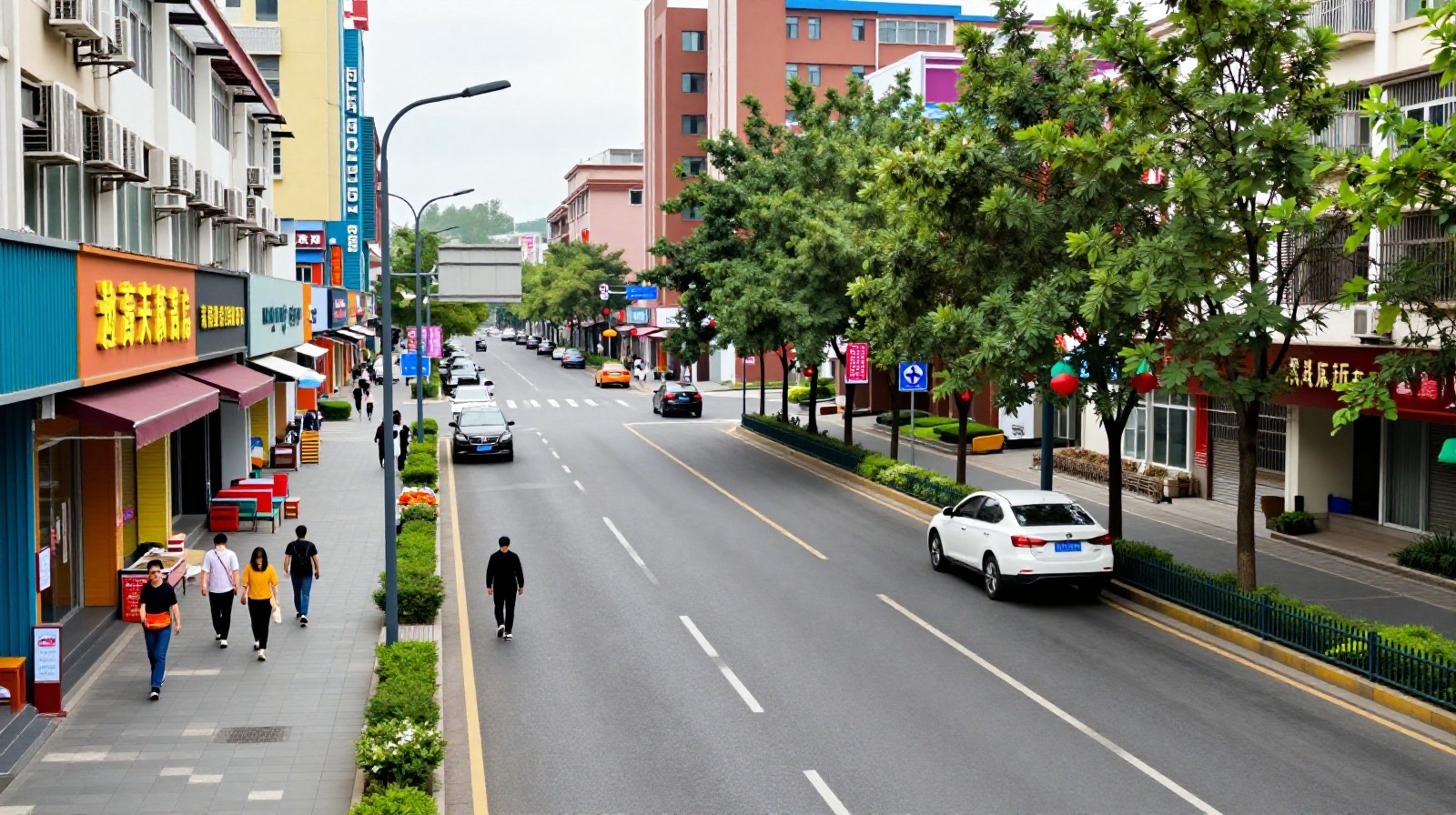
As China’s infrastructure matures, the focus is shifting from sheer speed to quality of life. The goal is no longer just to connect point A to point B as fast as possible, but to create cohesive communities where opportunity is accessible regardless of zip code. For the ordinary citizen, this means a life with greater flexibility, broader horizons, and a shrinking sense of isolation.