

The Warmth of a Community Kitchen
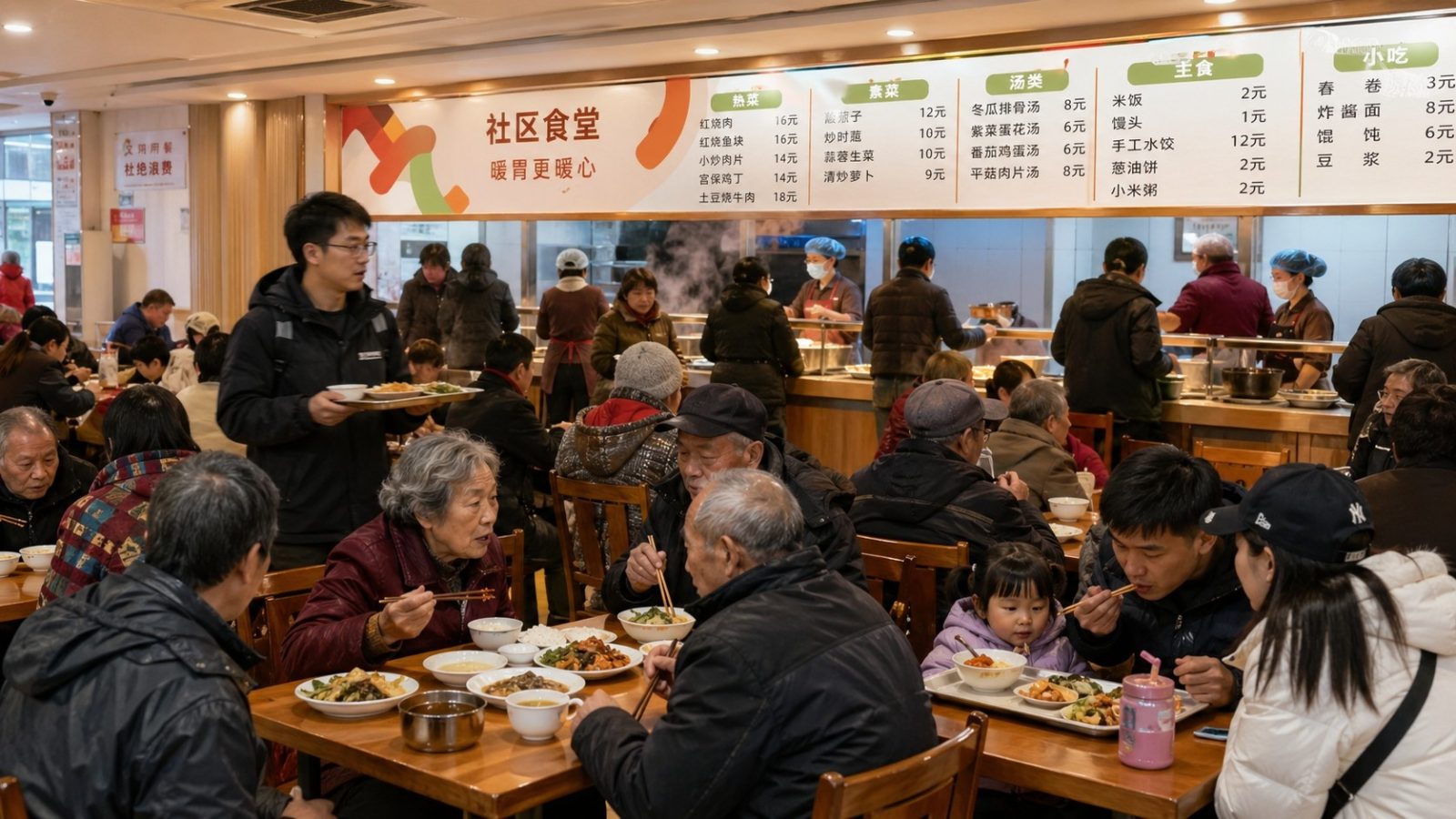
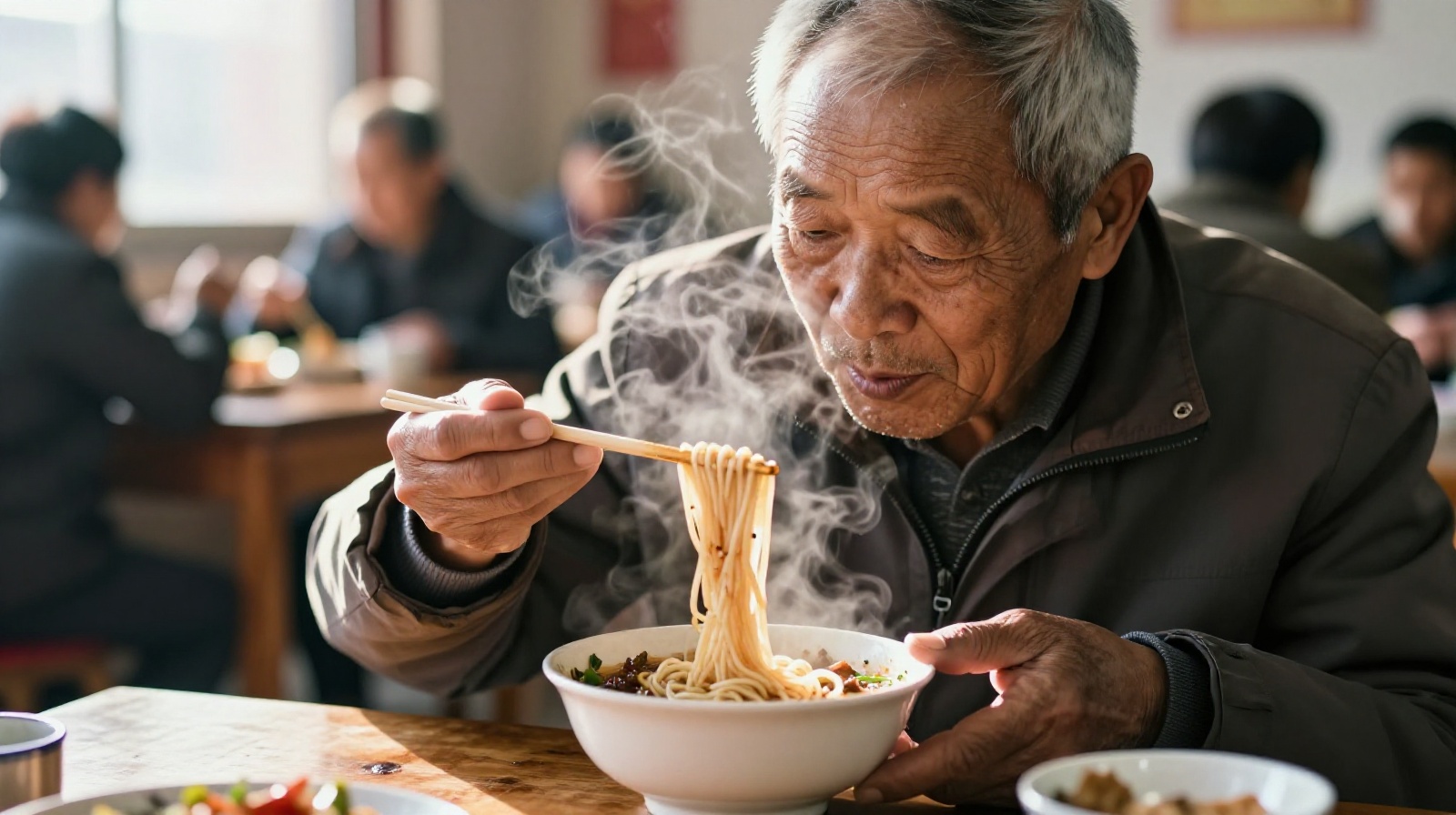
The steam rising from the soup station at 6:45 a.m. in Haidian District is thick enough to fog up glasses. Inside this bustling community canteen, the usual silence of a city morning is replaced by the familiar sounds of clinking bowls and low, friendly chatter. For 70-year-old Mr. Chen, who is slowly stirring a bowl of slow-cooked beef broth, the real value isn’t just in the affordable meal—it’s in the routine. “My daughter worries I eat too much instant noodles,” he says, gesturing to the crowded hall. “Here, I know my neighbors, and I know the food is safe.”
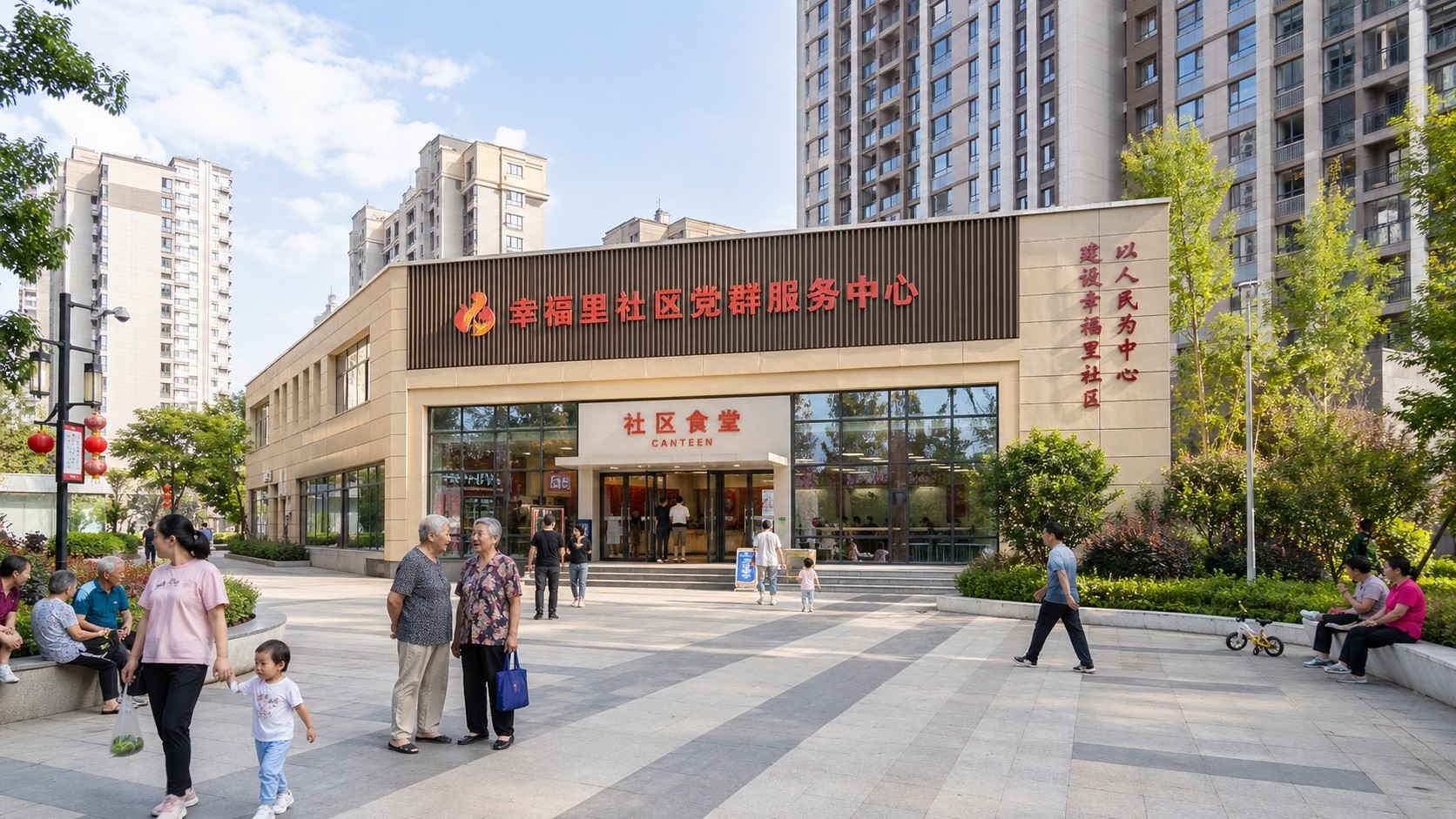
While “community canteens” in China are not a brand-new invention, their recent explosion across urban centers signals a profound shift in how daily life is organized. These are no longer exclusive senior centers but vibrant, multi-generational hubs where affordability meets the need for social connection.
The Rise of the ‘Doorstep’ Canteen
In the high-rise neighborhoods of China’s Tier-1 cities, the convenience of modern life has a hidden cost: a sense of profound isolation. In stark contrast to the sprawling, street-level neighborhoods of the past, today’s residential compounds are hermetically sealed fortresses. People enter through gates that only open for specific hours, take express elevators to the 30th floor, and rarely know the names of those living next door.
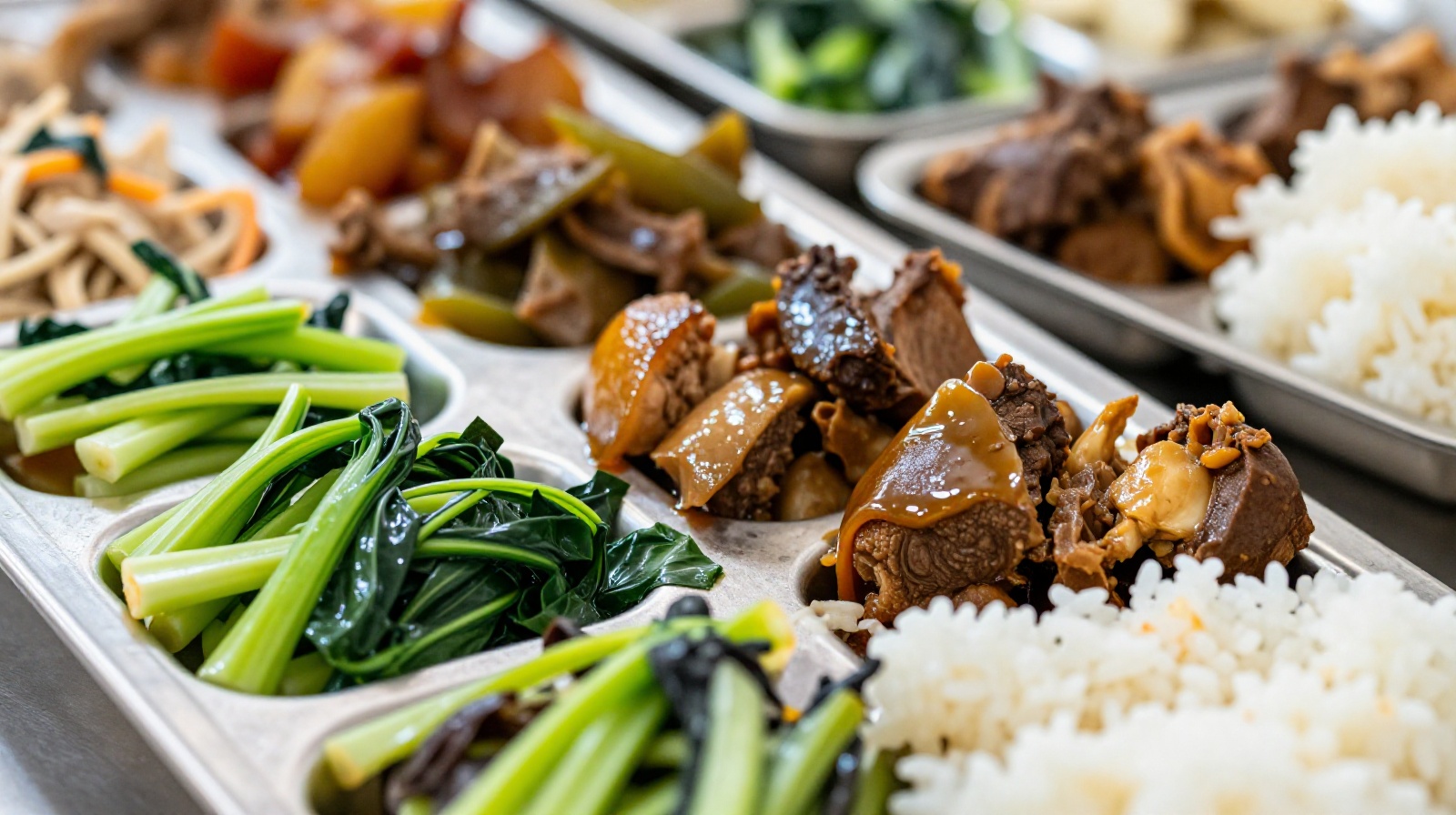
Community canteens have emerged as a direct response to this physical disconnection. Driven by a growing “lonely economy” and an aging population, these dining spaces are rapidly spreading across Chinese cities. According to recent municipal reports in Beijing, over 1,500 community canteens have been established, serving hundreds of thousands of meals daily at a fraction of commercial restaurant prices. A hot vegetable dish might cost less than $0.50, while a main meat dish is just over a dollar.
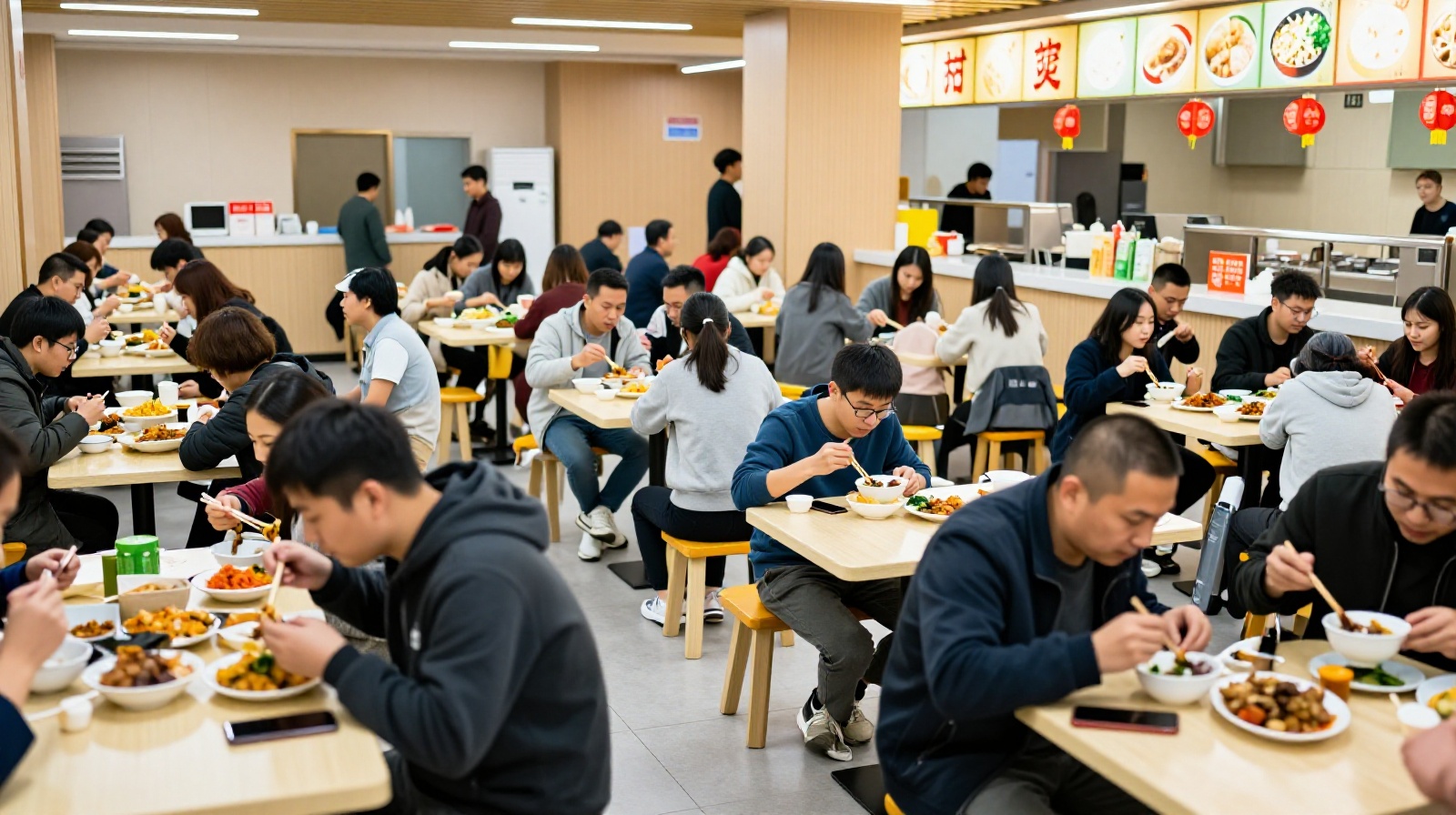
For young professionals, these canteens offer a sanctuary from the exorbitant cost of urban takeout and the monotony of eating at a desk. For the elderly, they provide a reliable, hygienic alternative to cooking alone. The result is a daily rhythm anchored by the simple act of sharing a meal.
A Modern ‘Acquaintance Society’
Sociologists often refer to traditional Chinese neighborhoods as an “acquaintance society”—a web of relationships based on mutual familiarity and trust. With rapid urbanization, this web was seemingly torn apart, replaced by the anonymity of modern apartment living. Yet, the community canteen is stitching this fabric back together in a very practical, modern way.
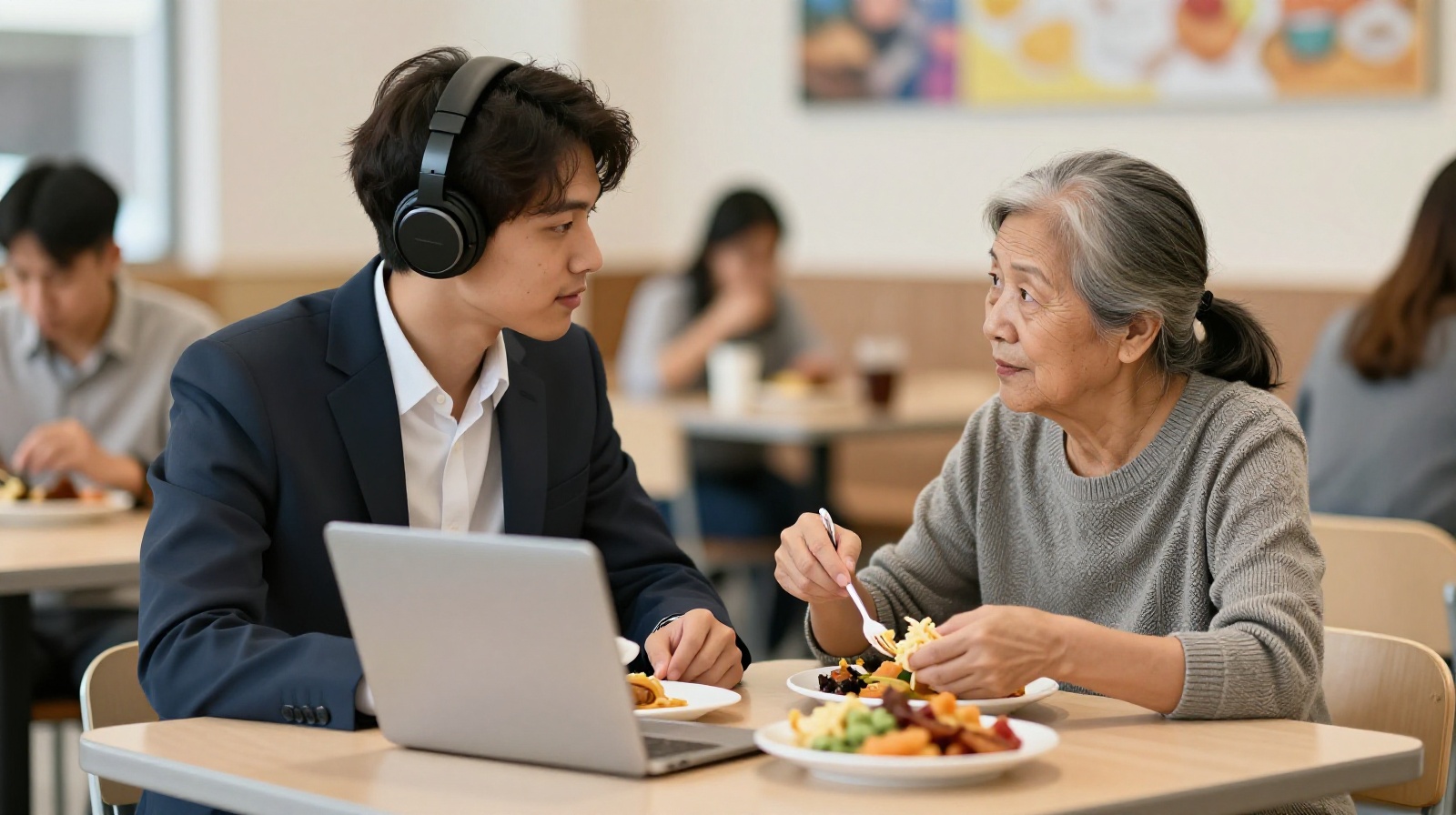
Inside a typical canteen, the seating arrangement dictates the flow of connection. Long communal tables mean you sit next to the retired teacher across the hall, or the young IT worker from the 12th floor who usually wears headphones. Slowly, conversations begin. A misplaced set of chopsticks prompts a request for help, leading to a brief exchange about the local weather, and eventually, plans to play a game of chess the next morning.
This isn’t just about breaking the ice; it’s about rebuilding a safety net. In Chinese culture, the concept of “mianzi” (face) and communal trust is paramount. Knowing who lives in your canteen means knowing who will keep an eye on your apartment while you’re on vacation, or who will help you carry heavy grocery bags up the elevator.
Food as the Ultimate Social Glue
Food has always been the primary vessel for care in Chinese culture, and the community canteen transforms this into a tangible, everyday infrastructure. It is a space where generational boundaries blur. You see young couples grabbing a quick lunch after work, sharing a table with octogenarians who have been coming here for a decade.
The menu reflects this diversity. Light, diet-conscious options cater to the health requirements of the elderly, while savory, hearty portions satisfy the labor-intensive demands of blue-collar workers and office staff alike. The canteen becomes a neutral ground—a “third space” where status, income, and age matter far less than the quality of the soup.
This shared dining experience facilitates what sociologists call “weak tie” bonding. These are not your closest friends, but the peripheral connections that make a city feel like a home. In a high-pressure environment like Beijing or Shanghai, these micro-interactions act as a pressure valve for daily anxiety.
The Economic & Social Logic Behind the Bubbles
Why are local governments and private enterprises investing so heavily in this model? The answer lies in a dual strategy of economic pragmatism and social governance. While individual meals might be subsidized, offering razor-thin margins for operators, the broader value lies in stabilizing the community.
For local authorities, community canteens serve as a critical tool in social governance. They reduce the burden on home-care services by providing a structured, safe environment for the elderly. Furthermore, they act as community anchors. When a neighborhood has a daily gathering spot, residents are more likely to participate in local governance, volunteer for neighborhood watch groups, and foster a sense of shared responsibility.
Private operators, meanwhile, utilize the steady foot traffic of the canteen to promote higher-margin products. Selling premium packaged foods, snacks, or healthy meal kits to the same customers who come for a $1 lunch is a proven business model. It’s a subtle but effective way to monetize trust.
What It Means for You: A More Human-Centric City
For a foreigner or an outsider looking at China’s ultra-modern skyline, the reality of daily life can seem disconnected from the high-speed trains and futuristic architecture. But in these humble, steaming canteens, the true pulse of Chinese urban life is felt.
It is a reminder that behind the rapid economic growth and technological leaps, the human desire for connection, safety, and a hot meal remains universal. The modernization of the Chinese neighborhood isn’t about abandoning tradition; it is about adapting ancient values of mutual aid and communal living to the challenges of modern high-rise life. For those navigating the complex rhythm of today’s Chinese cities, these community kitchens offer a rare and grounding sense of belonging.