

A Sunday Morning Search
It starts with a question. Li Wei, a 24-year-old graphic designer in Shanghai, sits on her couch with a bowl of oatmeal. She isn’t scrolling through a video feed to kill time. She is searching for something specific: “Best coffee shops near Xintiandi with good natural light for sketching.”
She types this into Xiaohongshu (Red). In seconds, she sees dozens of posts from real people who have been there. They show photos of the windows, the price of a latte, and even a tip about which seat gets sun at 10 AM. She clicks one photo, reads a few sentences, and decides where to go.
This is not just an app. It is a digital town square for over 260 million users, mostly young women, that has fundamentally changed how Chinese consumers make decisions. While TikTok captures attention with short videos, Xiaohongshu captures intent with practical advice.
From Cross-Border Shopping to Life Guide
Founded in 2013, the app originally started as a digital brochure for cross-border e-commerce. Early users were mostly expats or wealthy locals looking for authentic foreign cosmetics and baby formula that were hard to find in China.
But something shifted. As more young people joined, they stopped just buying things and started sharing how they lived. The platform evolved from a shopping catalog into a “seeding” ground—a term known as zhongcao in Chinese internet slang. It means planting a seed of desire.
Today, the content is overwhelmingly user-generated. A typical post looks like a friendly diary entry: a photo of a new outfit paired with honest feedback on fabric quality, or a guide to hiking trails in Yunnan that includes difficulty levels and restroom locations. There are no long scripts or staged commercials; just real experiences.
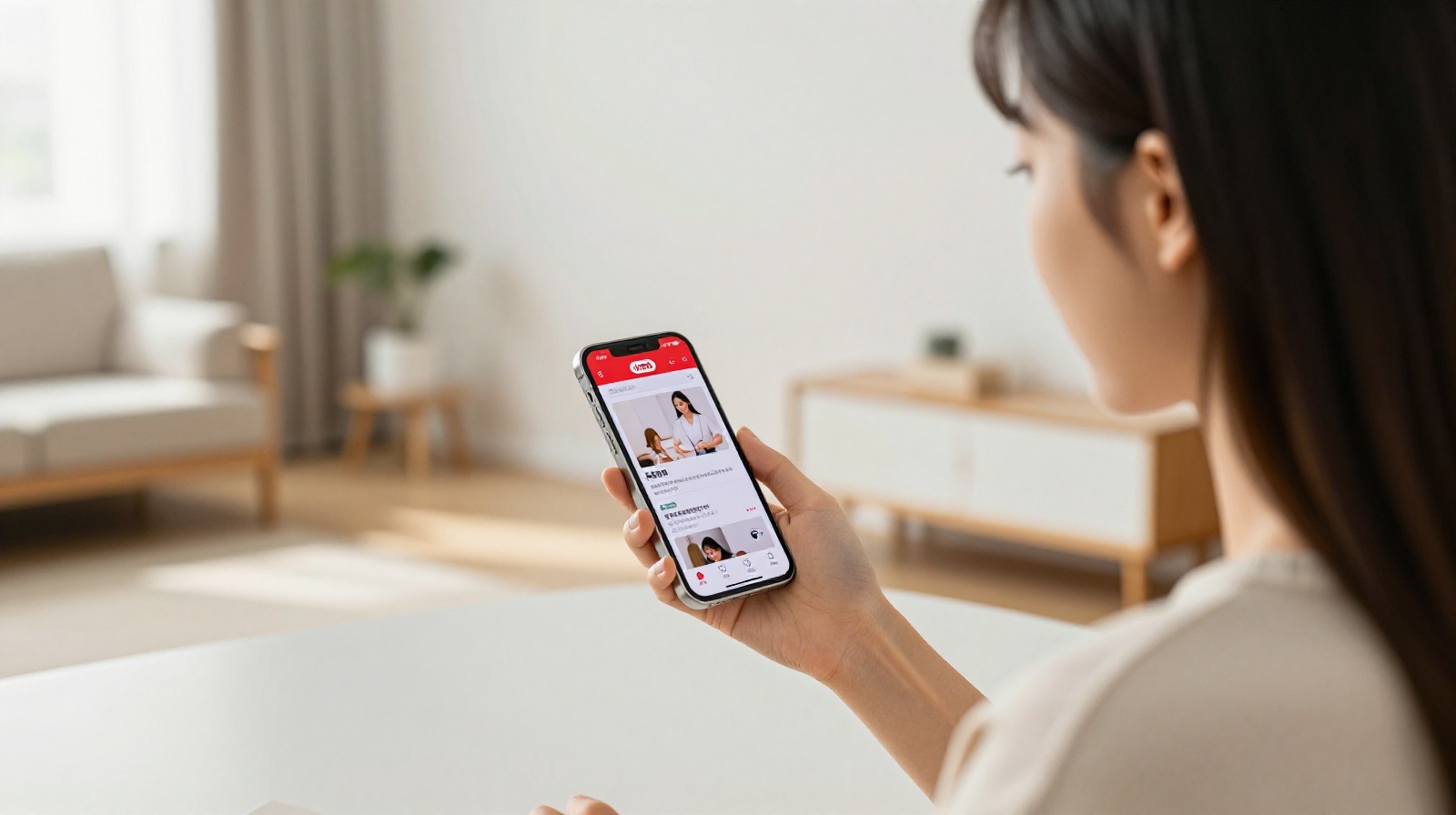
A young woman in a modern Shanghai apartment organizing her desk while looking at her smartphone, which displays the Xiaohongshu interface with lifestyle tips.
The Power of “Zhongcao” (Planting Seeds)
For Western readers familiar with influencers on Instagram or TikTok, Xiaohongshu feels different. The content is less about fame and more about utility. It functions like a hybrid between Pinterest and Google Reviews.
When a user posts a review of a skincare product, the comments section becomes a mini-forum where thousands of others ask specific questions: “Does it work for oily skin?” or “Is the smell too strong?” The original poster often replies with detailed photos. This level of peer-to-peer trust is rare elsewhere.
This dynamic drives consumption in a way traditional advertising cannot. A brand might spend millions on ads, but if three top users on Xiaohongshu say it’s overpriced or low quality, sales plummet. Conversely, a small local bakery can go viral overnight just because someone posted a photo of their fresh bread with the caption “The best croissant in Shanghai.”
Building Communities Around Interests
The app creates tight-knit circles based on hobbies rather than geography. You might not know anyone personally, but you are part of a community if you follow tags like #SoloFemaleTravel or #MinimalistLiving.
Take the fitness trend. Instead of just showing perfect abs in gym selfies, Xiaohongshu is filled with detailed workout plans for apartment living, diet tips for busy office workers, and even discussions about mental health struggles related to body image. It creates a support system that feels personal and accessible.
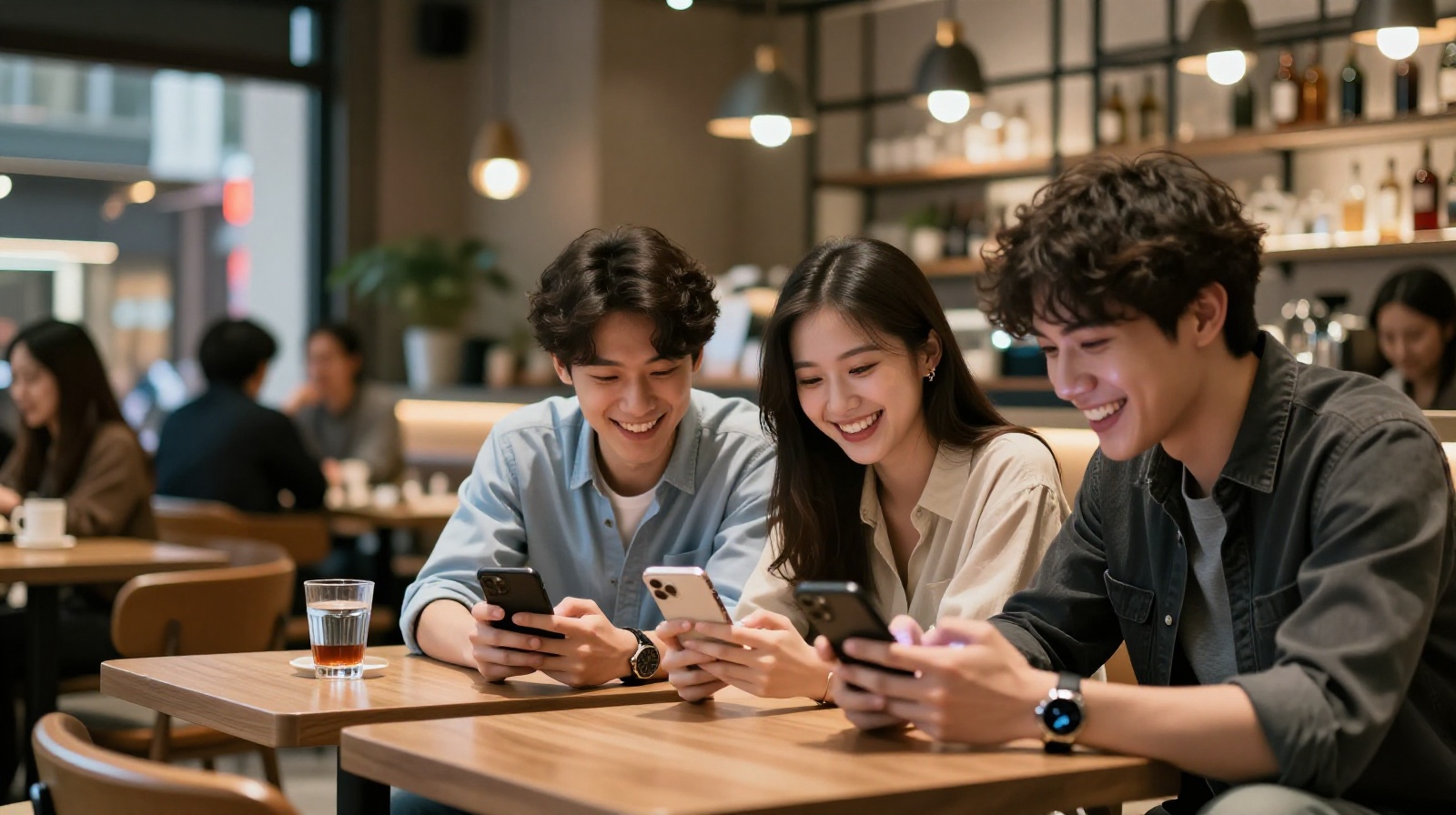
A diverse group of young Chinese people sitting in a trendy cafe, looking at their phones and laughing while sharing content from social media apps.
Shaping Aesthetics and Life Choices
The influence goes beyond what to buy. Xiaohongshu actively shapes aesthetics and life values. The “Xiaohongshu style” is a recognizable aesthetic: bright, clean, minimalist interiors, often with plants and soft lighting.
It also dictates social behaviors. For example, the rise of “solo travel” in China has been heavily fueled by this platform. Young women feel more confident traveling alone because they can find safety tips, route guides, and even companions for specific legs of a journey directly on the app. It transforms loneliness into a curated adventure.
The Future: Can Authenticity Survive?
As the platform grows, so does the pressure to monetize. Brands are paying more to get their products featured, blurring the line between genuine recommendations and paid ads. This raises a critical question: Will users still trust the app when they realize many posts are sponsored?
Currently, the community is vigilant. Users often comment “Is this an ad?” if they suspect a post is promotional. The platform has tried to label ads more clearly to maintain trust.
For now, Xiaohongshu remains a unique window into the Chinese mind. It shows a generation that values practicality over hype, community over celebrity, and real stories over polished marketing. In a world of algorithms, it is one of the few places where human judgment still feels like the most important feature.