

The First Tap: Breakfast Without Change
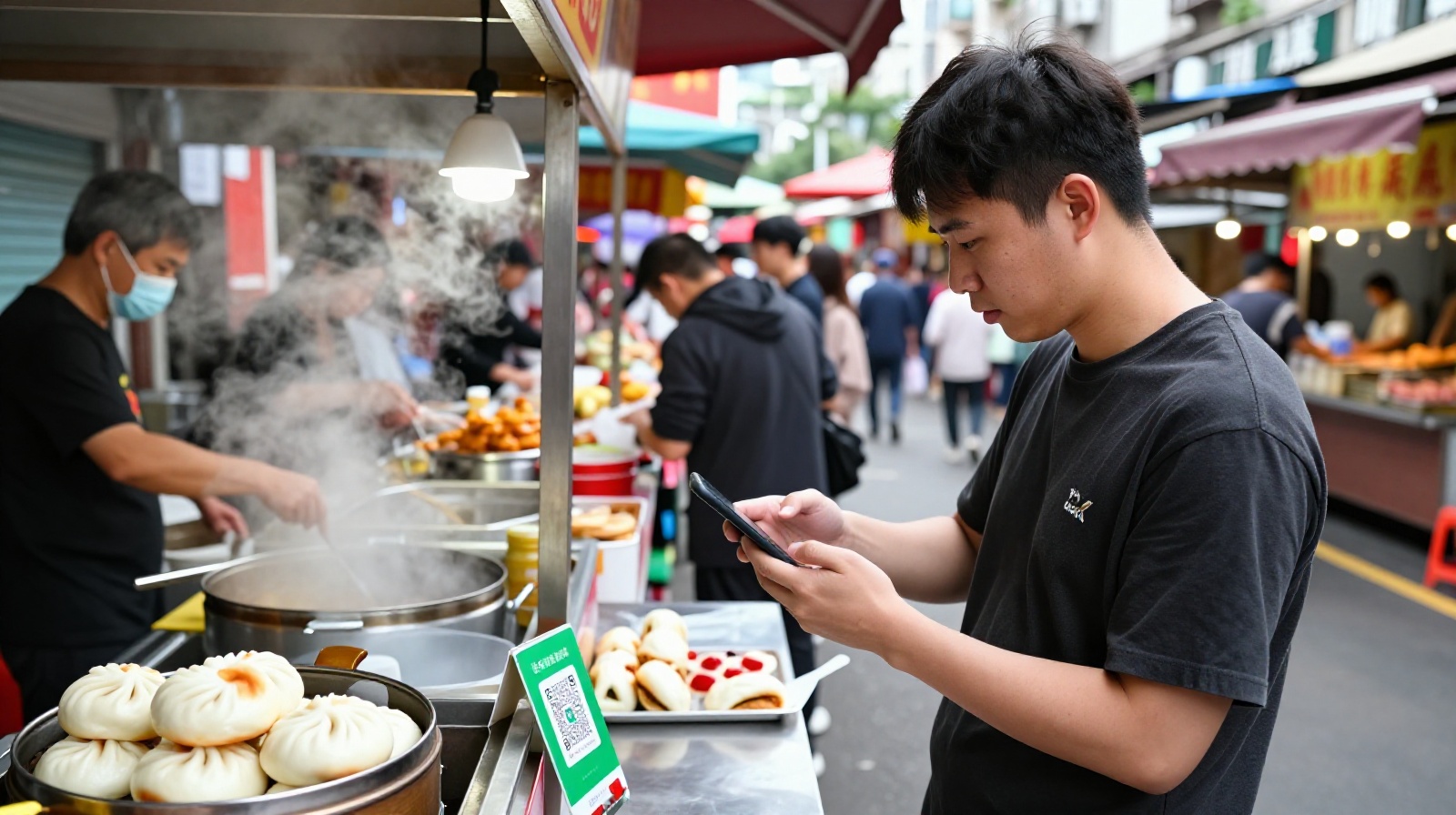
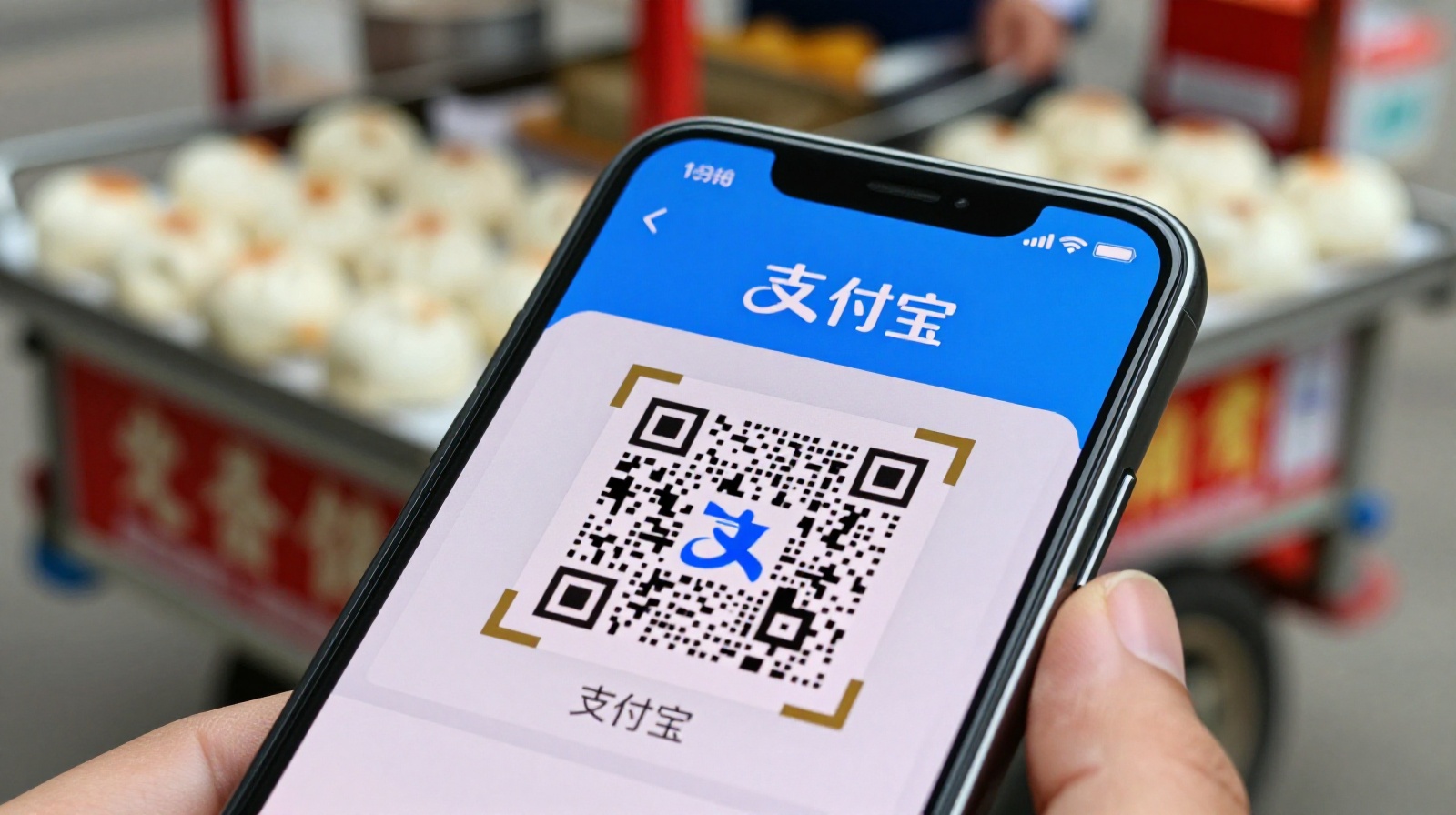
At 6:45 AM, Li Wei stands in a line at a small roadside stall in Nanshan District. The air is thick with the scent of steamed buns and soy milk. There is no queue for change here; there never has been. Li Wei unlocks his phone, taps the screen against a QR code printed on a laminated plastic sheet taped to the vendor’s cart, and scans the payment interface in under three seconds.
The transaction is instant. No coins clatter into a metal tin, no crumpled bills are counted out. The vendor—a woman in her forties—nods, hands over a warm baozi, and returns to her stove. For Li Wei, this is the new normal: money has become invisible code.
This scene repeats hundreds of times across Shenzhen every morning. In 2023, the city’s mobile payment penetration rate exceeded 98%, according to data from the People’s Bank of China’s regional branch. What was once considered a futuristic concept in the West is now simply the baseline for daily survival.
The Invisible Infrastructure
How does this work without cash? The answer lies not just in smartphones, but in the dense digital infrastructure that supports them. Shenzhen has one of the highest densities of 5G base stations per square kilometer globally, ensuring that even a street vendor’s slow Android phone can process payments instantly.
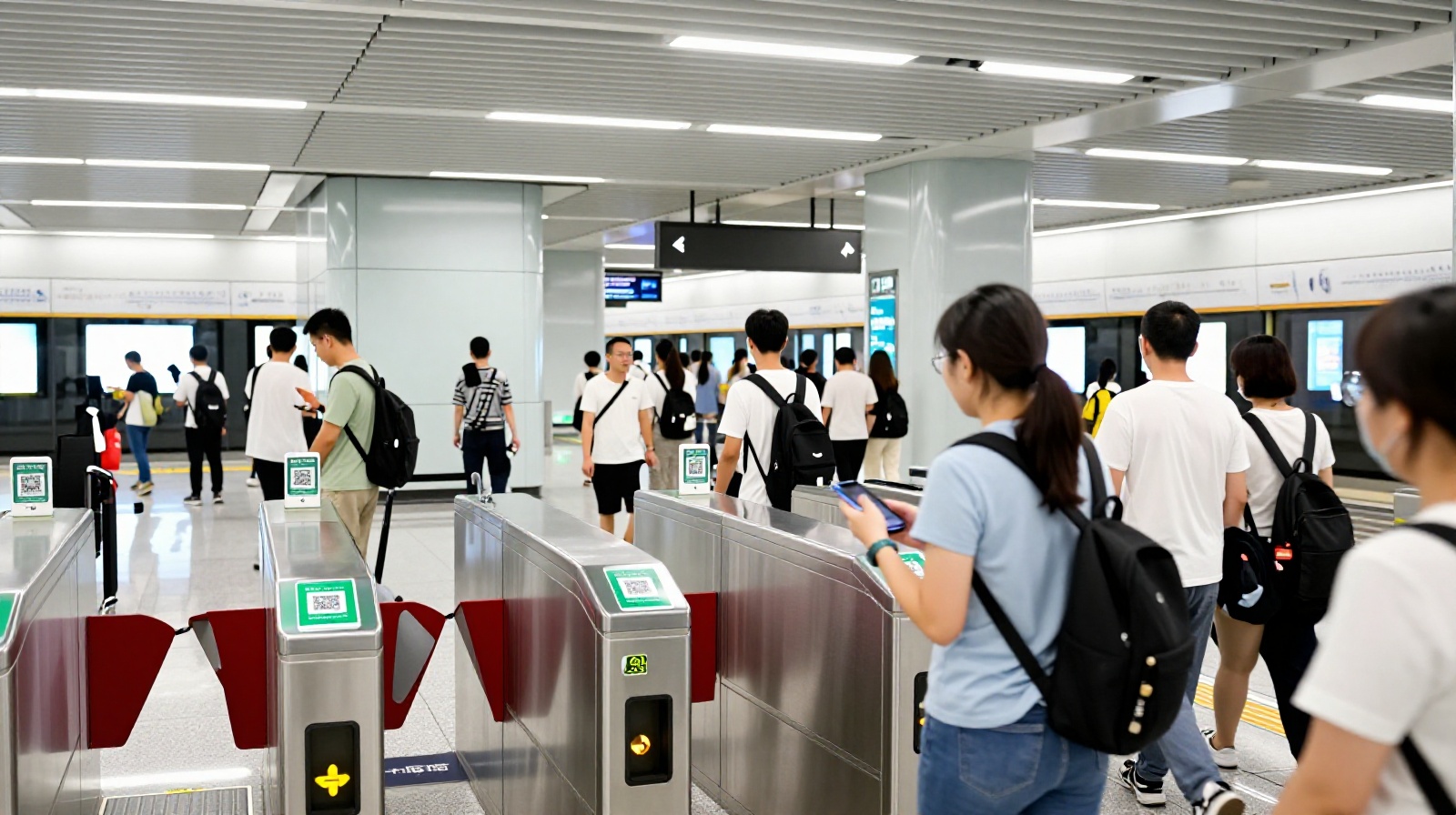
The system relies on two main platforms: WeChat Pay and Alipay. These are not just payment apps; they are operating systems for daily life. When Li Wei buys a ticket at the subway station later in the day, he doesn’t need physical cards or tokens. He simply scans a QR code to enter the turnstile.
“In the past, we carried wallets,” says Zhang Ming, a local urban planner who has studied Shenzhen’s digital evolution for over a decade. “Now, the wallet is an app. The city itself has become a network of connected nodes where value flows instantly.”
The Edge Case: A Tourist Who Clings to Cash
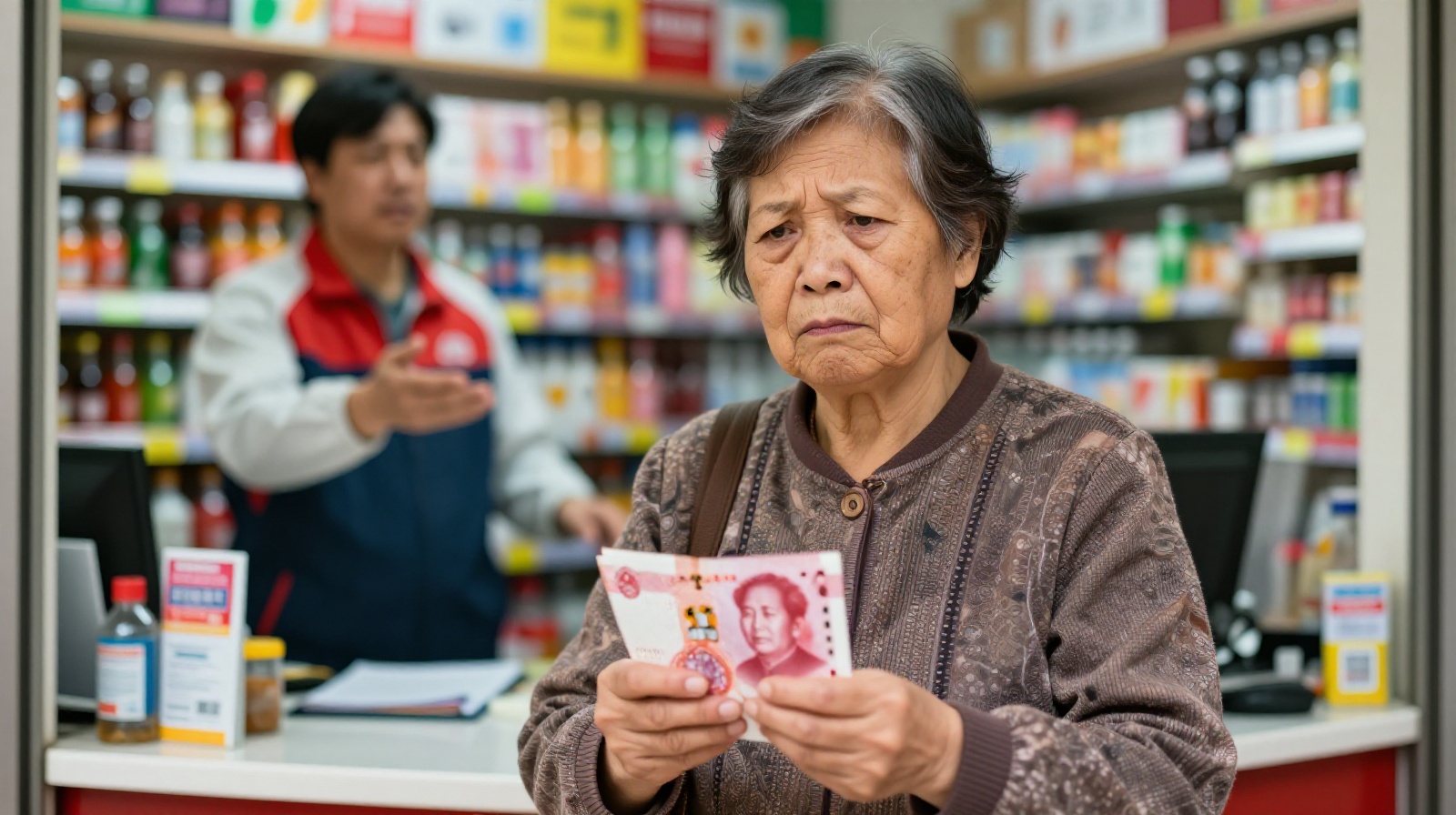
Not everyone adapts this easily. At a convenience store near Shenzhen Bay, 72-year-old tourist Mrs. Chen stares at the counter clerk with confusion.
I need to pay in cash,” she says, reaching into her purse. “I have no idea how to use these apps.”
The clerk smiles politely but shakes his head. The store has a small sign: “Cash Accepted Only for Emergency Cases Under 50 Yuan”. In reality, most vendors simply direct customers to the nearest bank or refuse cash entirely.
For Mrs. Chen, this is a barrier. She feels excluded from the rhythm of the city she came to visit. Her struggle highlights a critical issue in Shenzhen’s rapid digitization: while efficiency has skyrocketed, accessibility for the elderly and non-tech-savvy has become a challenge.
The Flow of Data vs. The Flow of Cash
Behind the scenes, every tap generates data. In Shenzhen, this data is not just about tracking spending; it’s about optimizing city operations. Traffic lights adjust based on crowd density detected at subway stations. Emergency services use real-time transaction locations to dispatch ambulances faster.
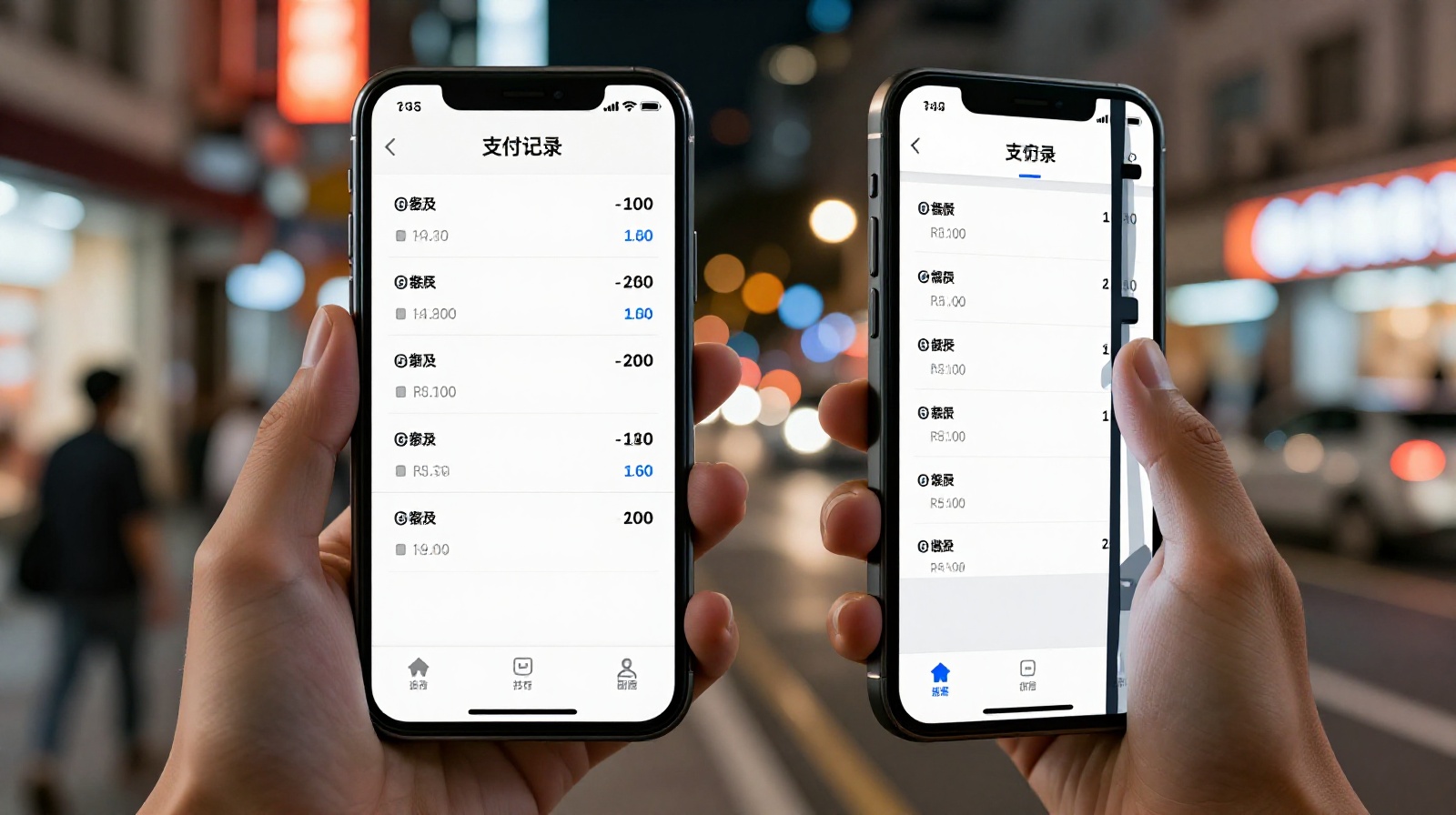
The shift from physical cash to digital currency has also changed how people perceive wealth. Money is no longer a heavy stack of paper but a fluctuating number in an app. This psychological shift encourages more frequent, smaller transactions—buying a single snack at 10:30 AM or topping up a scooter battery for 5 yuan.
Evening Rhythms and the Future of Value
By 8 PM, Li Wei is back home. He orders dinner via an app that tracks his preferences and delivery time with military precision. The payment is processed before he even finishes his text message.
This seamless integration of technology into daily life is what defines Shenzhen’s new normal. It is not about the absence of cash alone; it is about a society where infrastructure moves at the speed of thought.
As the city continues to evolve, the question remains: how will this model adapt when the next generation of digital currency arrives? For now, in Shenzhen, the future has already arrived, and it pays in taps.