

A Bite That Bounces Back
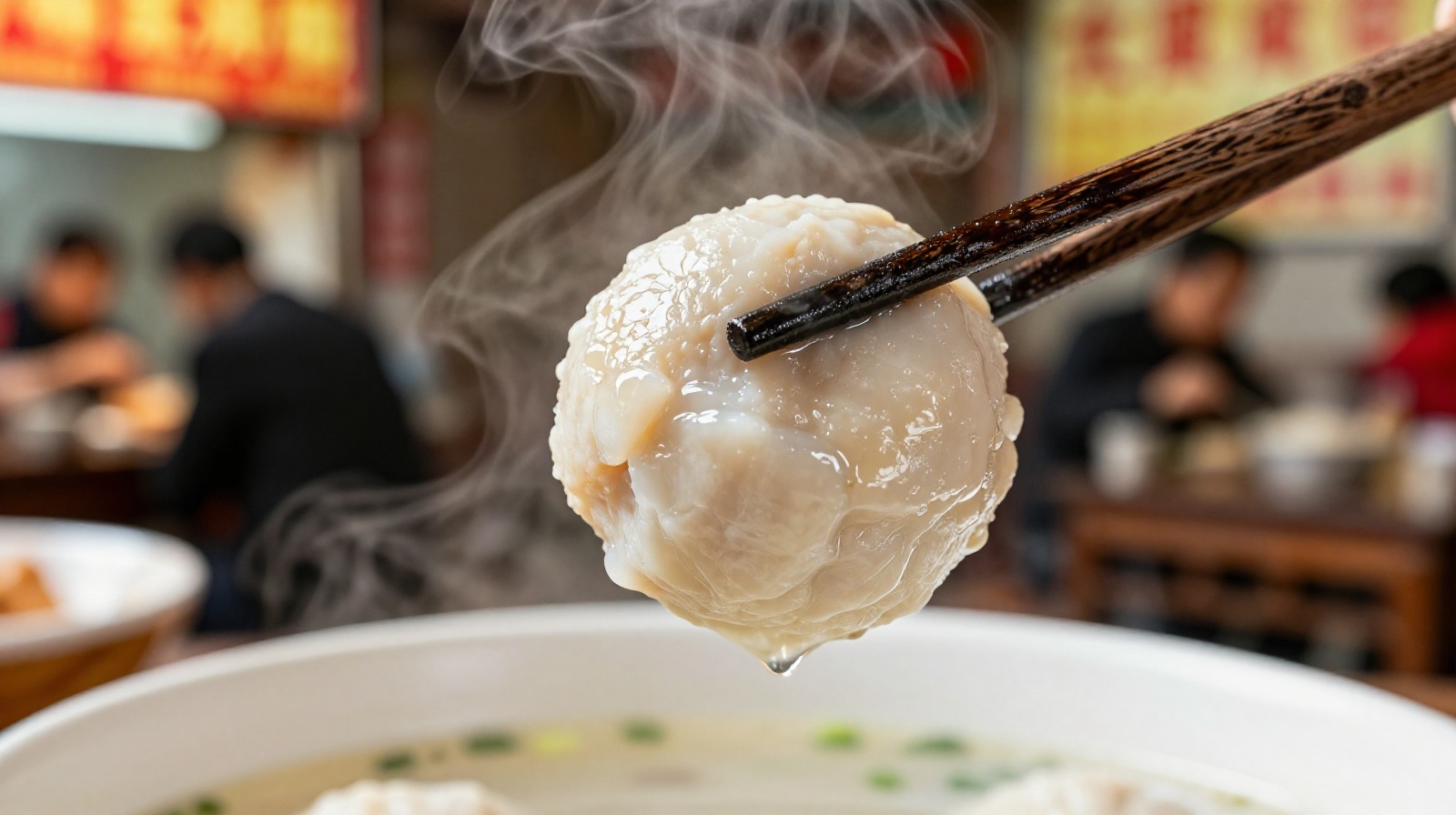
It’s late afternoon in a bustling Shanghai food court. The air smells of steamed rice and frying oil. A young woman takes a bite of a fish ball soup, her eyes widening slightly. She doesn’t just chew; she feels the resistance. As she pulls the spoon away, the round, white ball stretches upward for a split second before snapping back, glistening under the fluorescent lights.
She smiles and says to her friend, “This is very Q.”
To a Western diner, this might sound like nonsense. But in China, ‘Q’ (pronounced exactly as in English) has evolved into a culinary term that describes a specific physical sensation: the perfect balance of firmness and elasticity. It’s not soft and mushy, nor is it hard and unyielding. It is bouncy, chewy, and full of energy.

More Than Just a Letter
The term comes from the shape of the letter ‘Q’ itself—a round circle with a little tail that seems to have some give. In Chinese food culture, it describes textures found in everything from street snacks to restaurant delicacies.
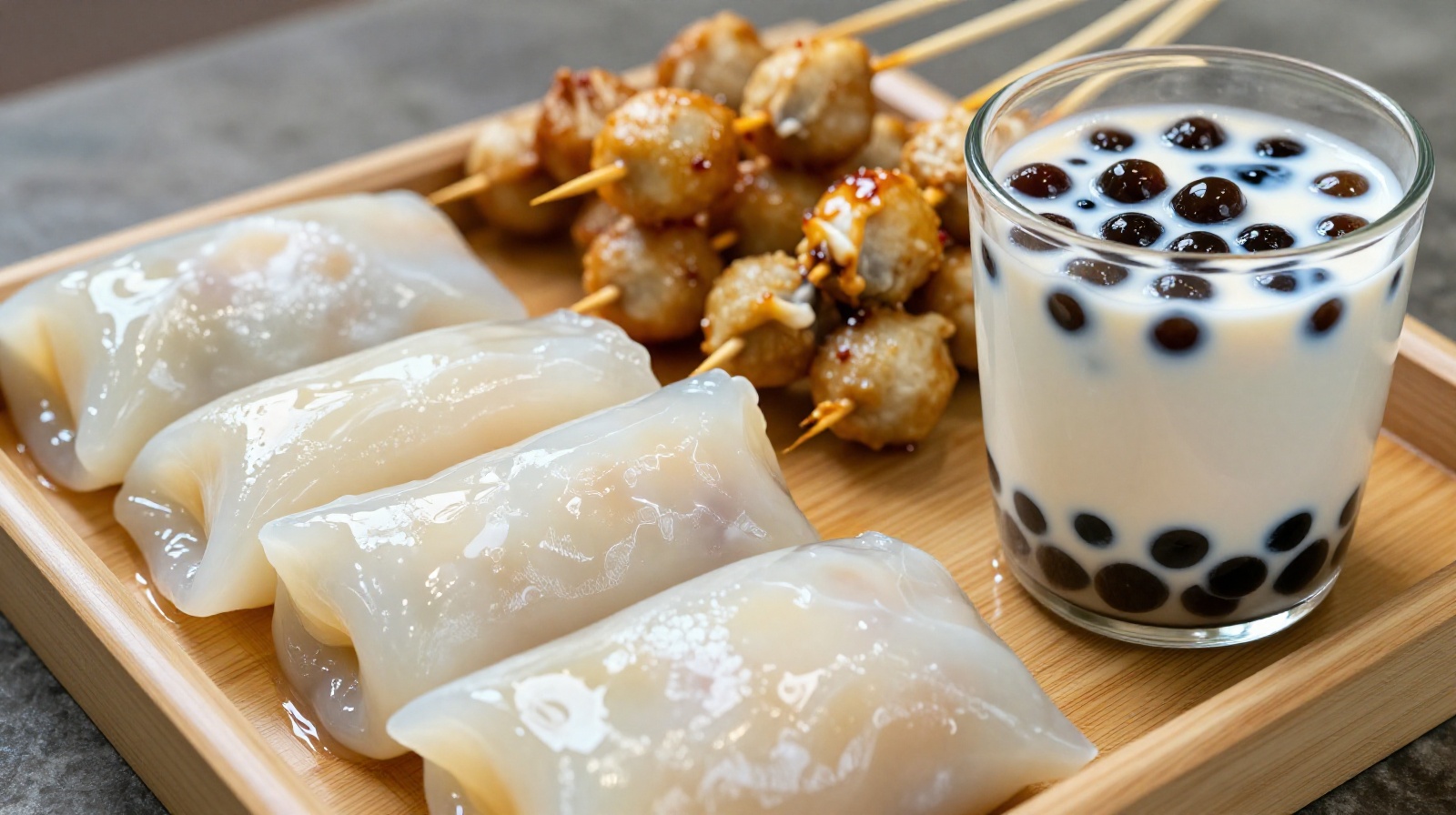
You find this texture in niangao (sticky rice cakes) that snap back when you press them, or in the tapioca pearls of bubble tea that require a deliberate chew. It’s in the fish balls and shrimp paste, where the protein has been beaten just enough to trap air and create a springy structure.
This concept is so pervasive that it appears on menus across the country, often as a badge of quality. A restaurant claiming their noodles are “extra Q” is promising a texture that satisfies the jaw, not just the tongue.
The Science of the Bounce
How do cooks achieve this elusive feeling? It’s largely a matter of chemistry and technique. The magic often happens through starch gelatinization or protein denaturation.
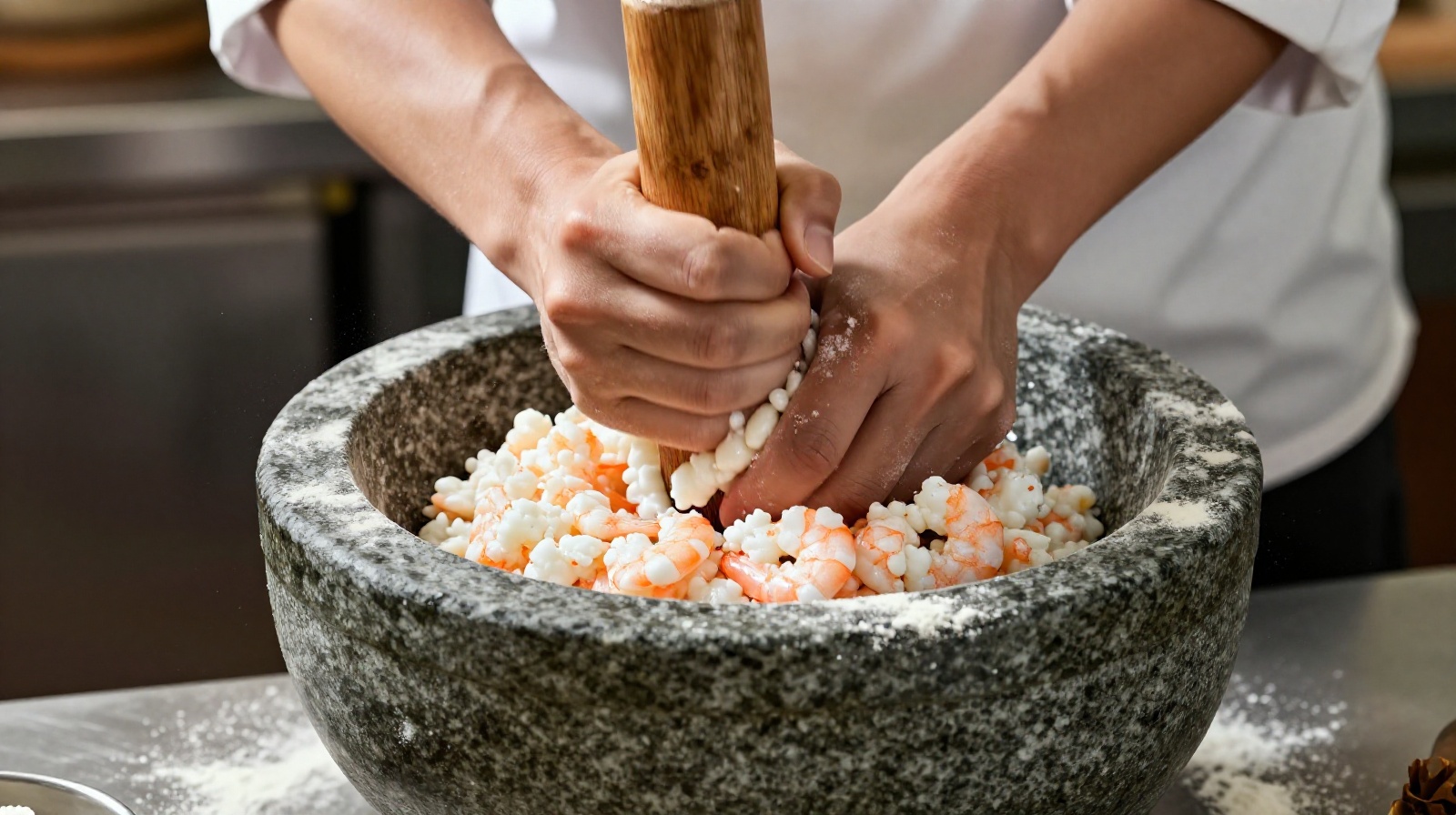
For niangao, cooks steam glutinous rice flour until the starch granules burst and swell, forming a sticky, elastic network. For seafood balls, the meat is pounded vigorously by hand or machine. This process aligns the protein strands, creating a gel-like matrix that can stretch and recoil—much like a high-quality rubber band.
It’s a delicate balance. Too little processing, and the food is bland and soft. Too much, and it becomes tough as leather. The “Q” texture sits right in the middle, offering a dynamic resistance that makes eating an active experience rather than a passive one.
Why the Obsession with Chew?
You might wonder why Chinese cuisine places such high value on this chewiness. In many Western traditions, the ideal texture is often “melt-in-the-mouth” or tender enough to cut with a fork.
In China, however, there is a cultural appreciation for textures that require engagement. The act of chewing releases flavor slowly, prolonging the sensory experience. It’s satisfying in a way that soft foods sometimes aren’t. This preference extends beyond food; it reflects a broader aesthetic where resilience and flexibility are admired.
When you eat something “Q,” you aren’t just consuming calories; you’re participating in a tactile dialogue with your meal. The resistance tells you the ingredient is fresh, well-prepared, and full of life.