Imagine a conference room in Shanghai. The air conditioning hums, the projector is on, and the mood is polite but stiff. Now, imagine the same group of five people an hour later: they are in a private KTV (karaoke) suite, lights dimmed to a warm purple, eating shrimp chips, and shouting lyrics at 80 decibels. This shift isn’t just about fun; it’s where the real work happens.
In China, guanxi—or personal connections—is often built not in boardrooms, but over rounds of beer and songs. For a foreigner stepping into this world, the noise can be overwhelming. But if you understand the rules, that same KTV room becomes the most effective negotiation table in the country.
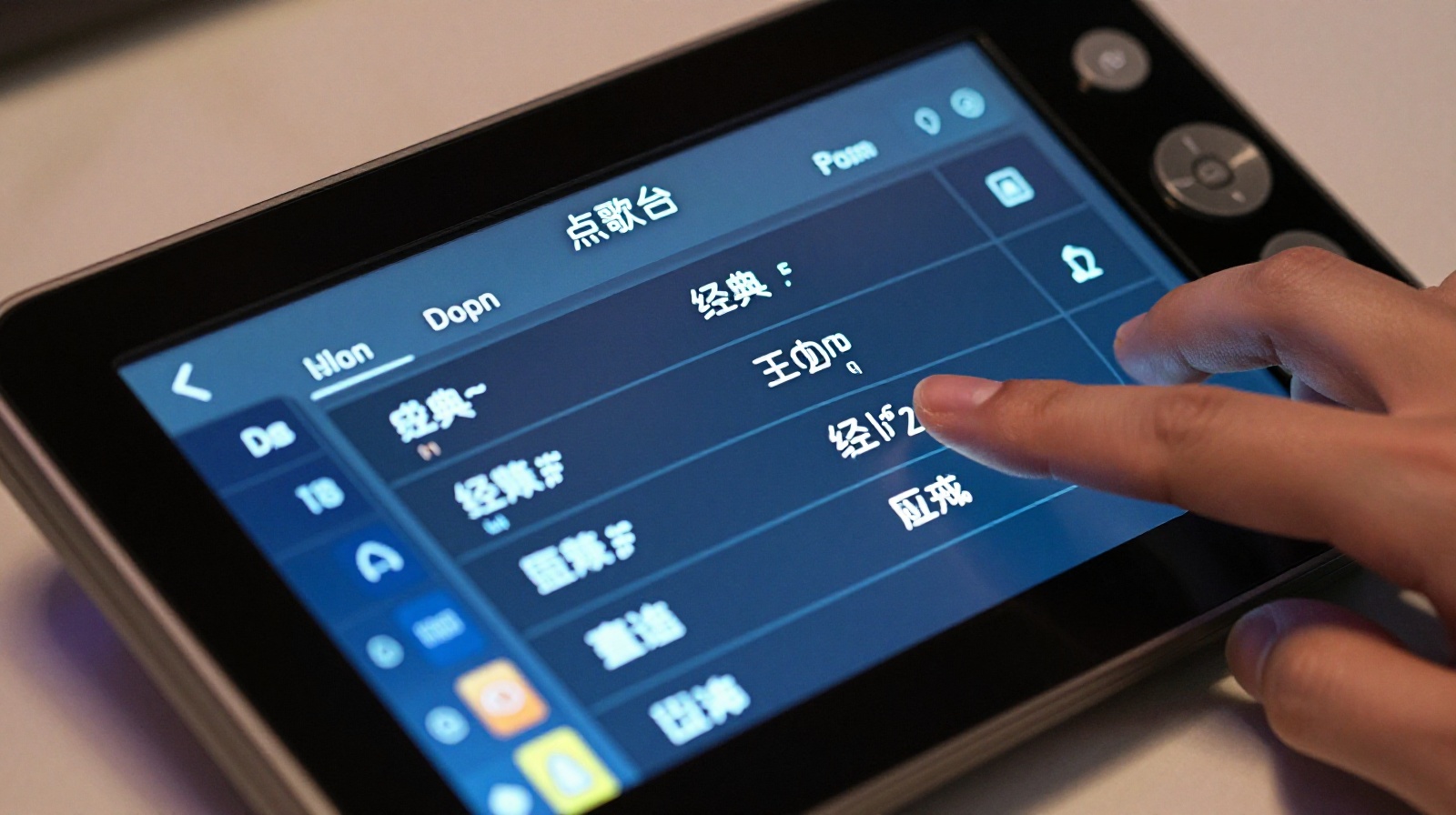
The digital interface makes selecting songs easy, but knowing which tracks are ‘safe’ is key to a smooth night.
The setup is deceptively simple. You book a ‘K’ (Karaoke) room by the hour, often with a minimum spend on food and drinks. The room features floor-to-ceiling soundproofing, plush sofas that look like they are made for napping, and a massive screen displaying thousands of songs in Chinese, English, and Korean.
Here is the first surprise: you don’t just pick any song. There is a strict hierarchy to singing order. It usually starts with the most senior person or the host. If you interrupt this flow by demanding your favorite pop hit immediately, it can be seen as disrespectful. The goal isn’t vocal perfection; it’s participation.
The Unspoken Script: How to Pour and Sing
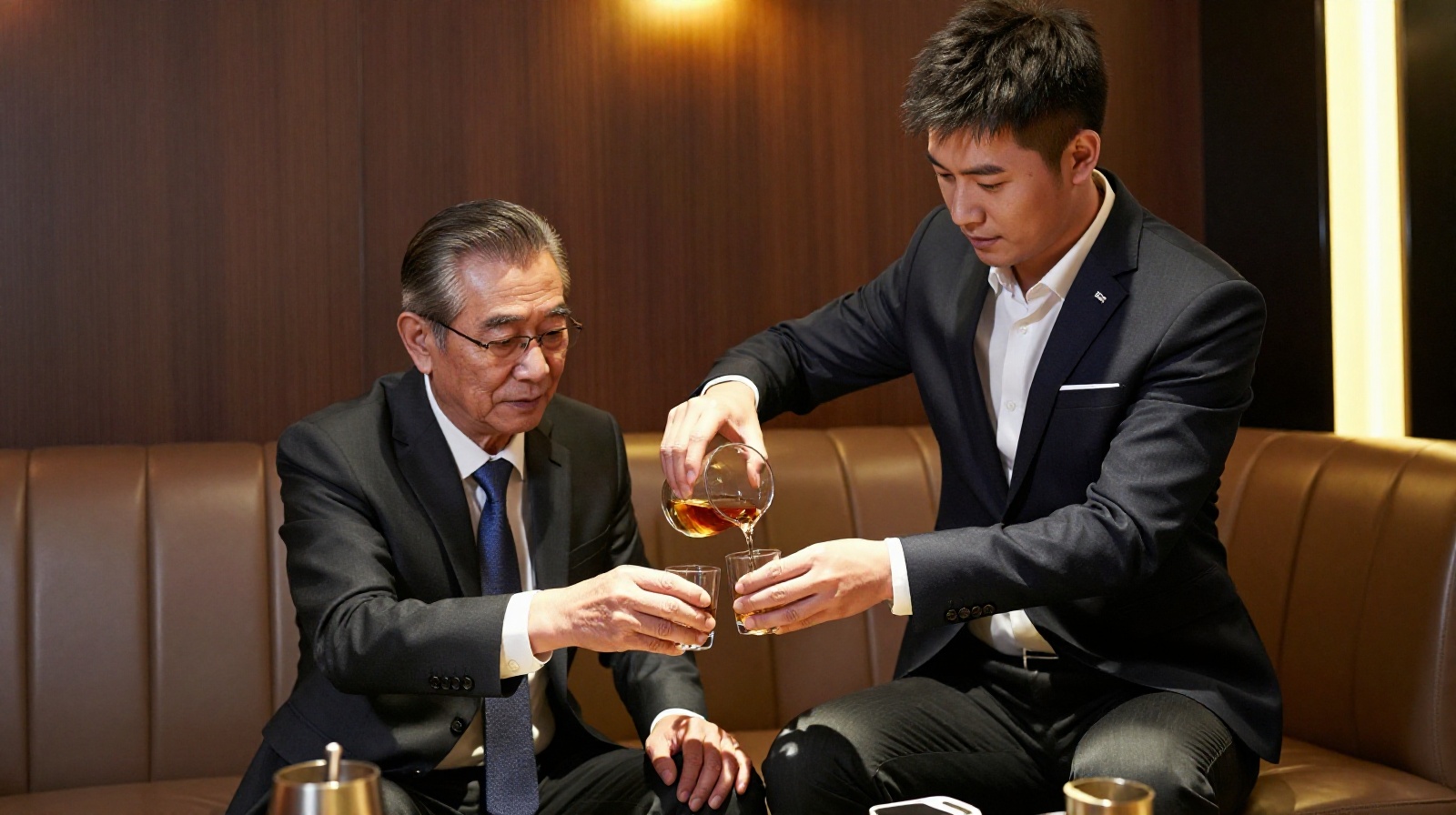
Drinking in a KTV setting is ritualistic. Unlike Western bars where you buy your own round, here, the host pours for everyone else. If you are the guest or the junior partner, never pour for yourself first.
The rule of thumb: always hold your glass with two hands when receiving a drink, and nod slightly to show gratitude. When it’s your turn to pour, fill the glasses of those more senior to yours before touching your own cup. This act of service signals respect and humility—two traits highly valued in Chinese business culture.
But what about the singing? If you don’t speak Chinese, do not attempt a Mandarin song unless you are willing to risk sounding like a cartoon character. It is better to choose ‘safe’ songs that everyone knows by the chorus, even if it’s just an English pop hit or a classic ballad. Letting others sing while you clap along and keep the beer flowing is often more valuable than hitting high notes yourself.
Pouring drinks for others before yourself is a non-negotiable rule of Chinese drinking etiquette.
There have been countless stories of deals signed in these rooms. A tech startup might secure its first major investor after three rounds of ‘Baijiu’ (Chinese liquor) because the founder showed he could handle pressure and fit into the group’s rhythm. Conversely, I’ve seen partnerships dissolve when a guest sang too loudly or refused to join in, signaling that they couldn’t be trusted with team dynamics.
The KTV environment lowers defenses. The noise makes it hard to hear the sharp edges of negotiation; instead, conversations drift to family, hobbies, and childhood stories. It is in these gaps that trust is built. You aren’t just selling a product; you are proving you are part of the tribe.
A Cheat Sheet for Foreigners: Safe vs. Risky Songs
If you want to survive your first KTV night without embarrassment, avoid these pitfalls:
The ‘National Anthem’ Trap: Do not sing political songs or anything that might be interpreted as controversial unless you are 100% sure of the context. It is safer to stick to love songs or upbeat pop.
The Solo Hero Complex: Don’t hog the microphone for 20 minutes. The group dynamic matters more than your solo performance.
The ‘I Can’t Sing’ Excuse: Never say you can’t sing and sit silently in the corner. It looks like disinterest. Even a bad singer who tries is better than a silent observer.
Instead, reach for classics like ‘Yesterday Once More’, ‘Hotel California’, or if you are feeling brave, a simple Chinese folk song with an easy melody. The key is to be present, engaged, and willing to laugh at yourself.
These brightly lit towers are the hubs where personal relationships transform into business partnerships.
Leaving the KTV room is just as important as entering it. Wait for the host or senior partner to signal that it’s time to leave. Do not rush out while they are still singing their last ballad. A polite thank you and a promise to meet again seals the night on a high note.
For foreigners, KTV can seem like chaos. But step inside, follow the flow of the drinks, respect the hierarchy, and join in the song. You might just find that the best deal of your career is waiting for you behind a soundproof door, with a microphone in hand and a glass of beer ready.