
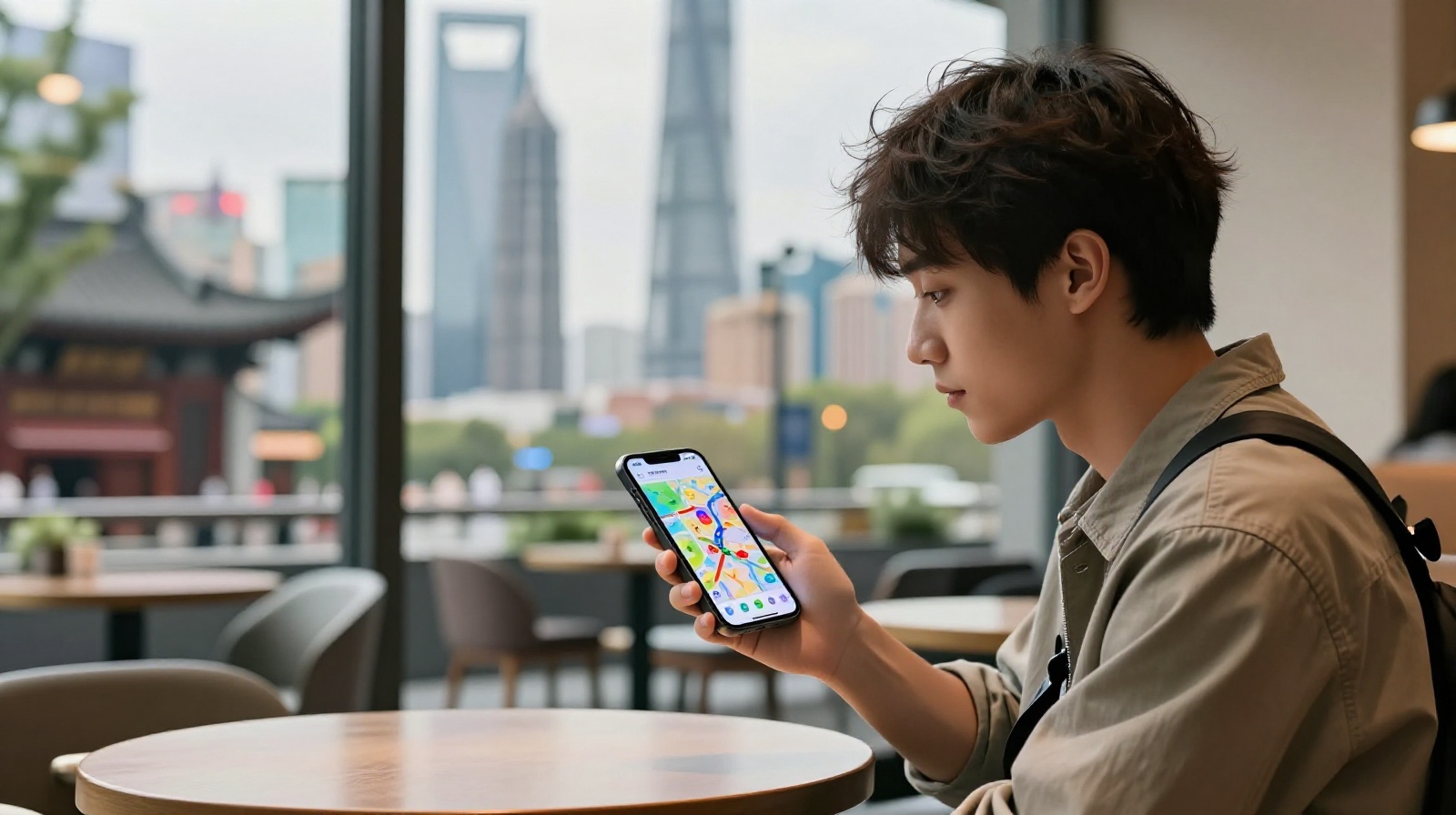

The Input: A Messy Human Brain vs. a Clean Algorithm
Last month, three of us gathered in Shanghai with conflicting desires: one wanted ancient temples, another craved spicy hotpot, and I just wanted to avoid the tourist traps. We usually spend weekends arguing over Google Maps, trying to figure out if we have enough time for that museum before dinner. This time, we decided to stop being amateur planners.
We opened a popular Chinese AI travel assistant app and typed in our constraints: 3 days, $150 total budget per person (excluding flights), love for street food, interest in tech culture, and a strict rule against long queues. Within ten seconds, the AI generated a detailed hour-by-hour itinerary.
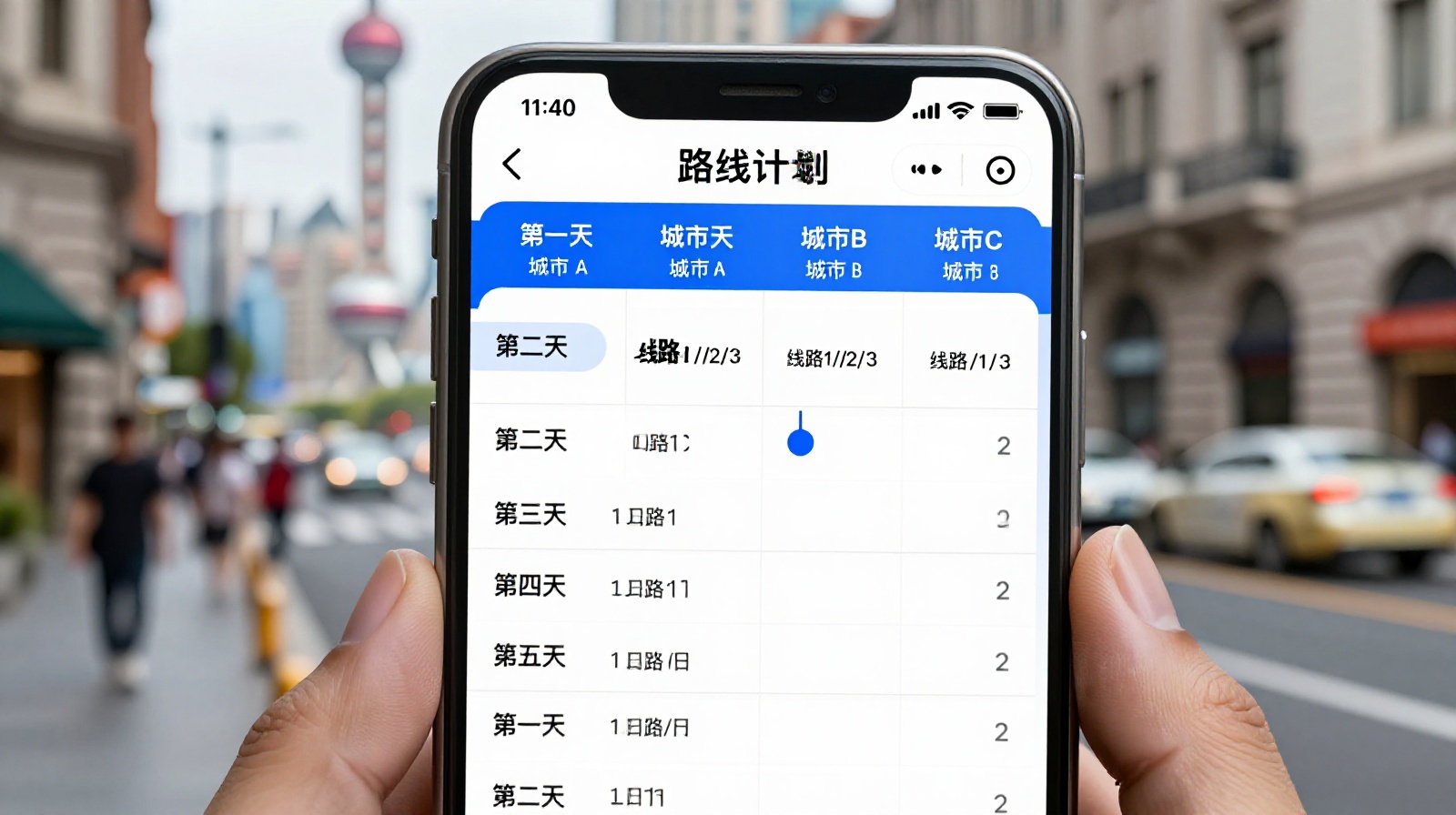
Day One: The Algorithm Knows Where You Can Eat
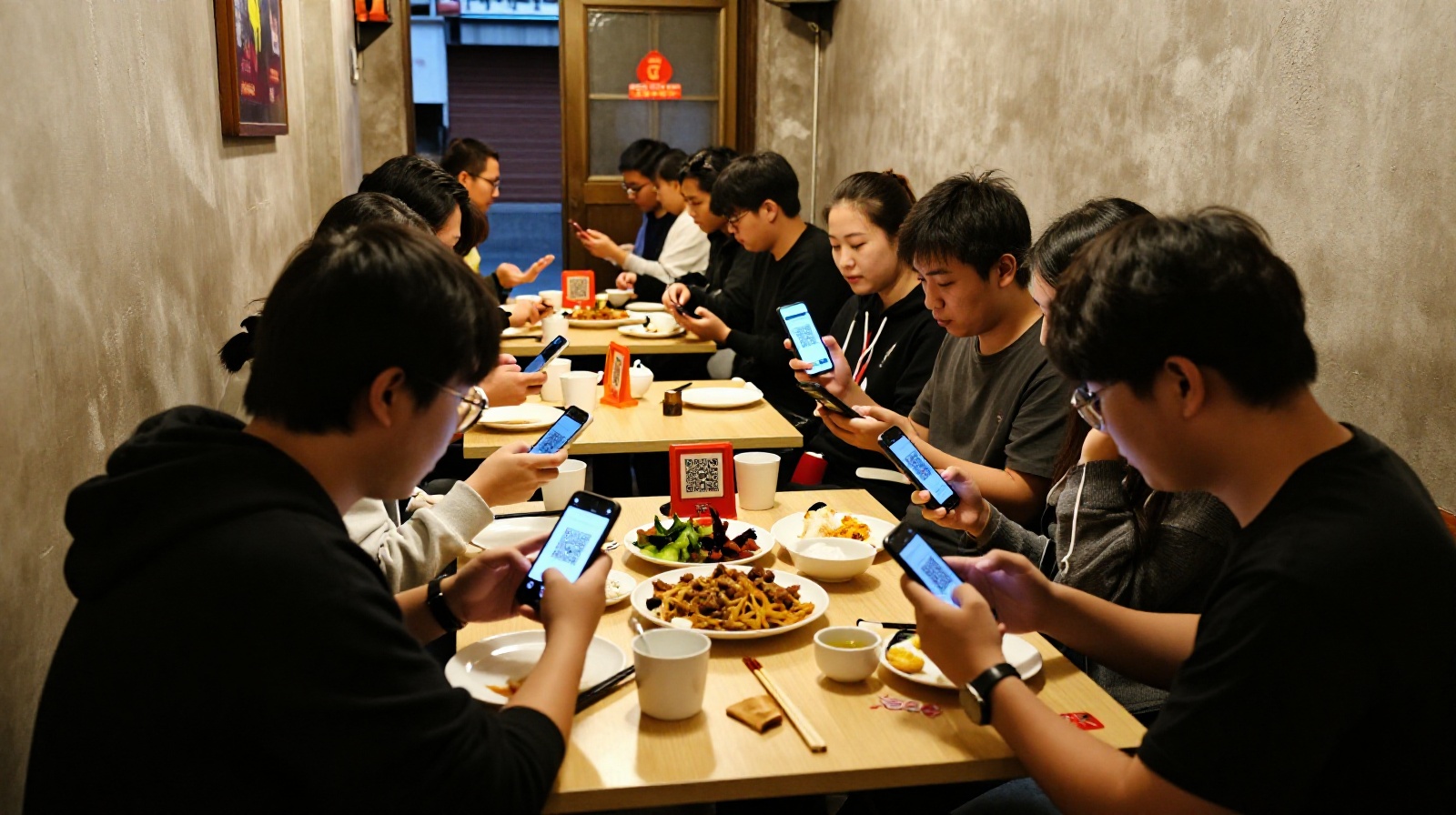
The first shock came at lunchtime. The AI didn’t just suggest a “famous hotpot place.” It directed us to a tiny, hole-in-the-wall shop in the Old City that was packed with locals but invisible to most tourists. More importantly, it told us exactly how many minutes to wait before showing up, and provided a QR code for pre-ordering our spicy beef stew so we could walk straight to our table.
This is where China’s digital ecosystem shows its teeth. In the West, you might call ahead or hope for a reservation. Here, your phone is a magic wand that instantly connects you to inventory management systems in small restaurants. The AI didn’t just give us a name; it gave us logistics.
Day Two: Seamless Transits and Hidden Gems
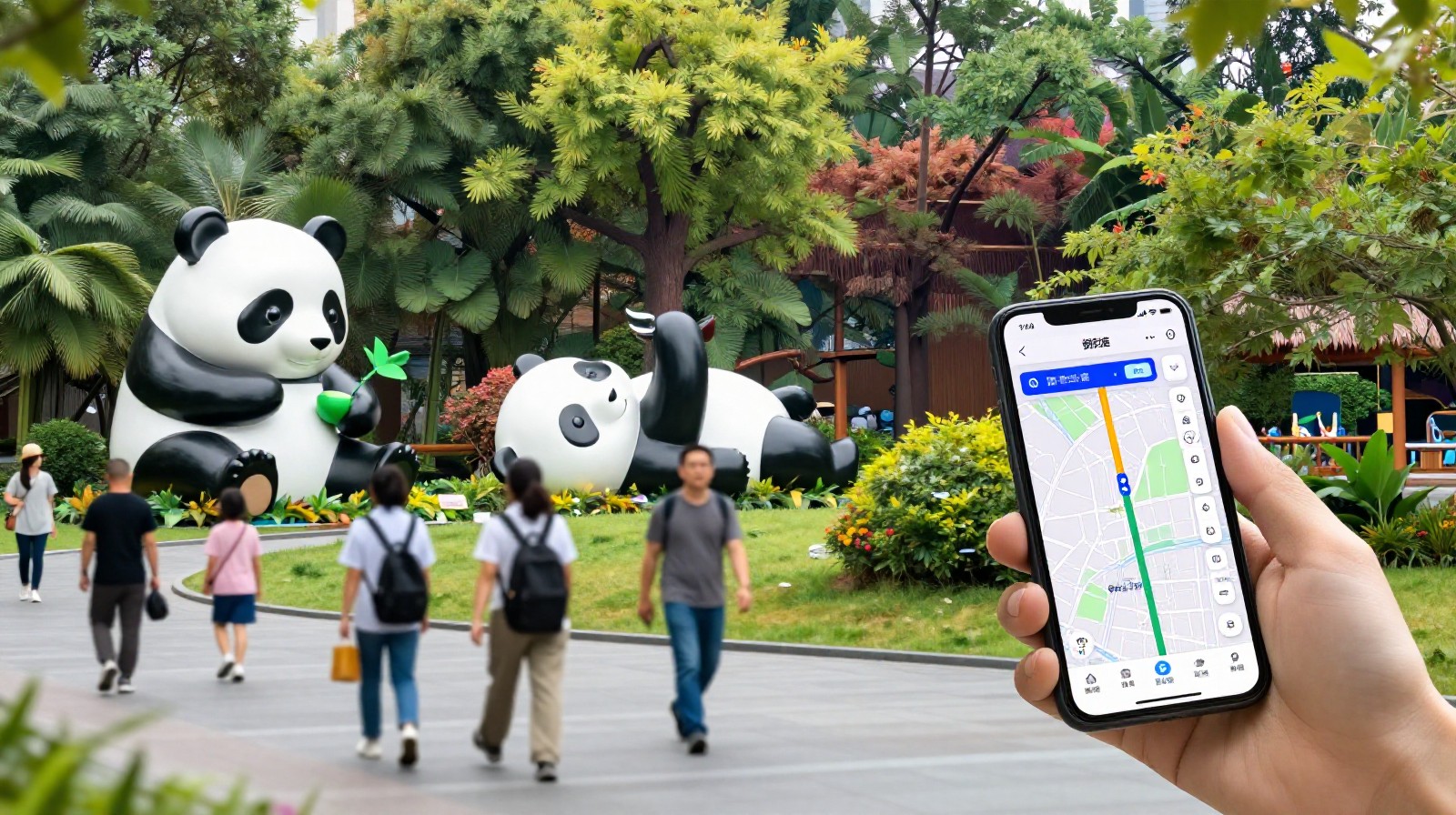
The second day was a tour of Chengdu. Human planners often overestimate walking distances or underestimate traffic. The AI, however, calculated our route based on real-time metro wait times and cross-city bus schedules.
It suggested a 45-minute walk through a park to see the pandas, then immediately guided us to a nearby teahouse where we could sit with locals for tea without paying a “tourist tax.” The logic was impeccable: avoid the crowded main entrance, take the scenic route, and arrive at lunch right when the kitchen opens.
We checked the schedule. It was flawless. No running, no missed buses, no standing in line for 45 minutes just to buy tickets. The AI knew that a tourist’s patience is finite, but our time was precious.
Day Three: The Human Reaction
The final day ended with dinner at a rooftop bar overlooking the city skyline. As we reviewed the whole trip, my friend Sarah laughed and said, “This feels like cheating.” She had spent hours reading travel blogs last year and still got stuck in traffic jams. We didn’t even have to worry about language barriers; the app translated menus and explained local etiquette instantly.
Is it perfect? No. It lacks the serendipity of getting lost and finding a hidden cafe. But for a structured three-day trip, especially in a complex city like Shanghai or Chengdu, it removed the anxiety of “what’s next.”

What This Means for the Future of Travel
This isn’t just about convenience; it’s about how technology is democratizing high-quality experiences. In the past, good travel planning required deep local knowledge or expensive tour guides. Now, a simple prompt can give you access to that same level of insight.
The AI didn’t replace our curiosity; it amplified it. It handled the boring logistics so we could focus on the taste of the food and the feeling of the city. The result wasn’t just a good trip; it was a terrifyingly efficient one, leaving us wondering if we’ll ever have to plan a vacation manually again.