

6:30 AM in the Greenhouse
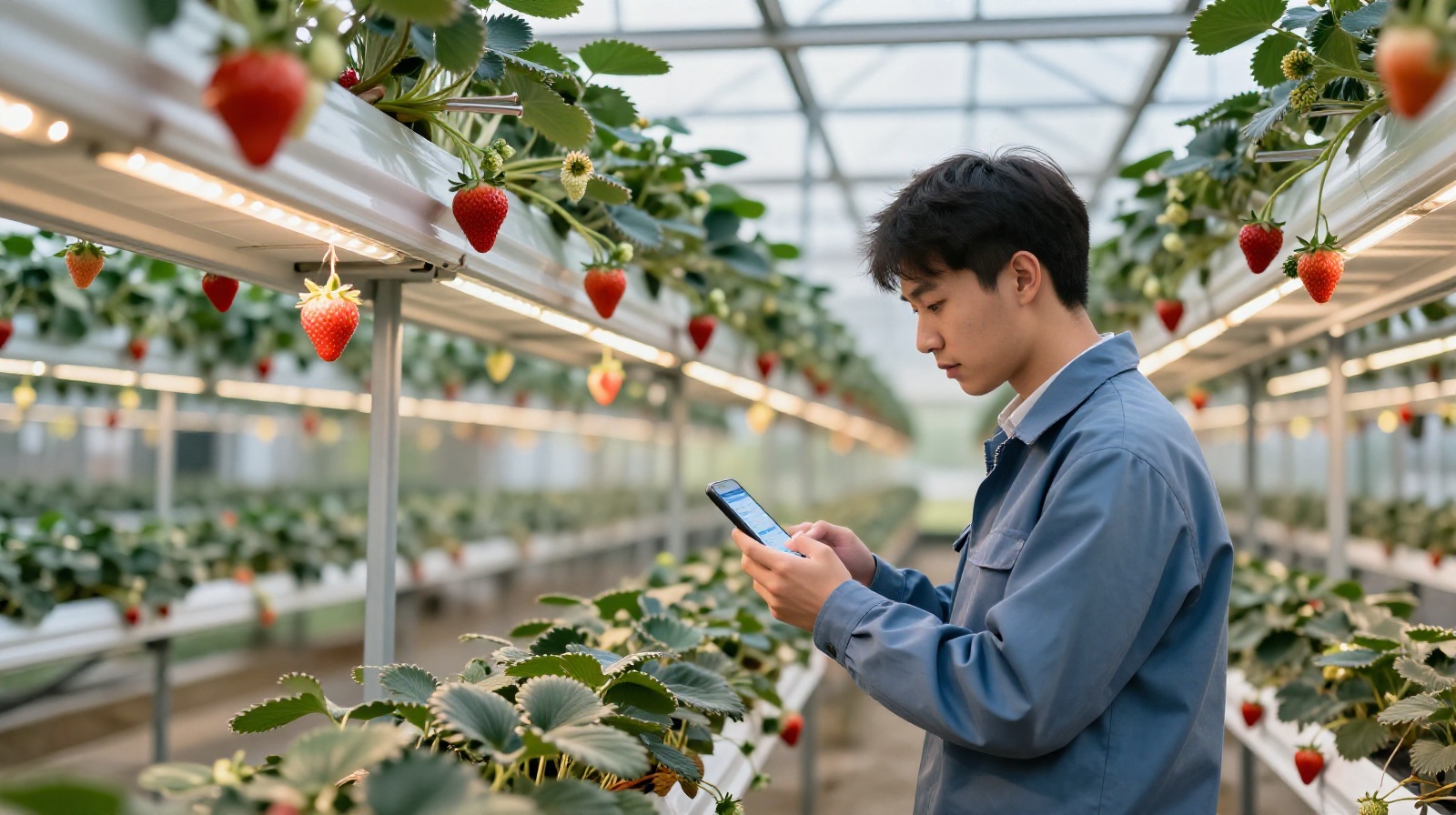
The air inside the greenhouse is cool and smells faintly of damp earth and sweet fruit. It is 6:30 AM. Li Wei, 28, stands before rows of hanging strawberry plants. He doesn’t carry a hoe or a watering can. Instead, he taps on his smartphone screen, checking a dashboard that displays real-time data.
On the screen, numbers flicker: soil moisture at 45%, nutrient concentration stable, ambient temperature holding steady at 22°C. Li is not just farming; he is managing an ecosystem optimized by algorithms. He is part of a growing cohort in rural China known as “New Farmers”—young professionals who have returned to the countryside armed with smartphones, big data analytics, and a degree in agronomy.
From Mud to Microchips
Fifty years ago, farming here meant backbreaking labor under the scorching sun. Weather was the only boss, and yield was a gamble. Today, Li’s strawberry farm is a high-tech facility that looks more like an electronics lab than a field.
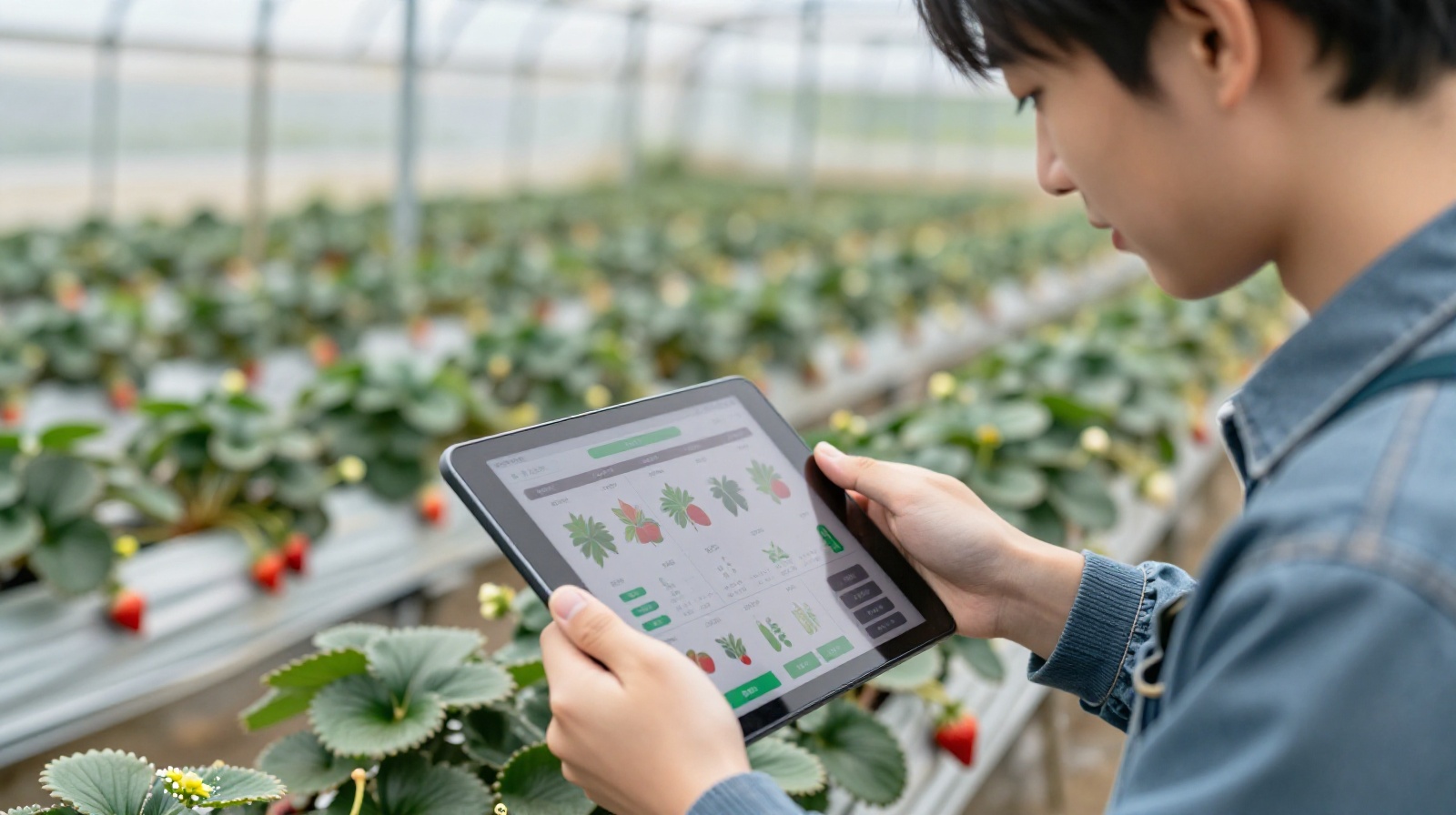
The difference is visible in the absence of weeds and pests. Automated drip irrigation systems deliver water directly to the roots based on soil sensor readings, not a schedule. AI-powered cameras monitor leaf color and plant height every hour, detecting early signs of disease before human eyes can see them. When Li walks through the rows, he isn’t looking for brown leaves; he is looking at a cloud-based report generated overnight by an artificial intelligence model.
This shift represents a massive transformation in Chinese agriculture. The government has invested billions in rural digitalization, encouraging young people to return home. For Li and his peers, farming is no longer seen as a last resort for the uneducated; it is a high-tech career with data-driven decision-making at its core.
The Perfect Fruit
Back in 2018, strawberries grown in this region were often inconsistent. One batch would be sweet and firm, while the next might be watery or bruised. Today, Li’s farm produces fruit that meets strict export standards.
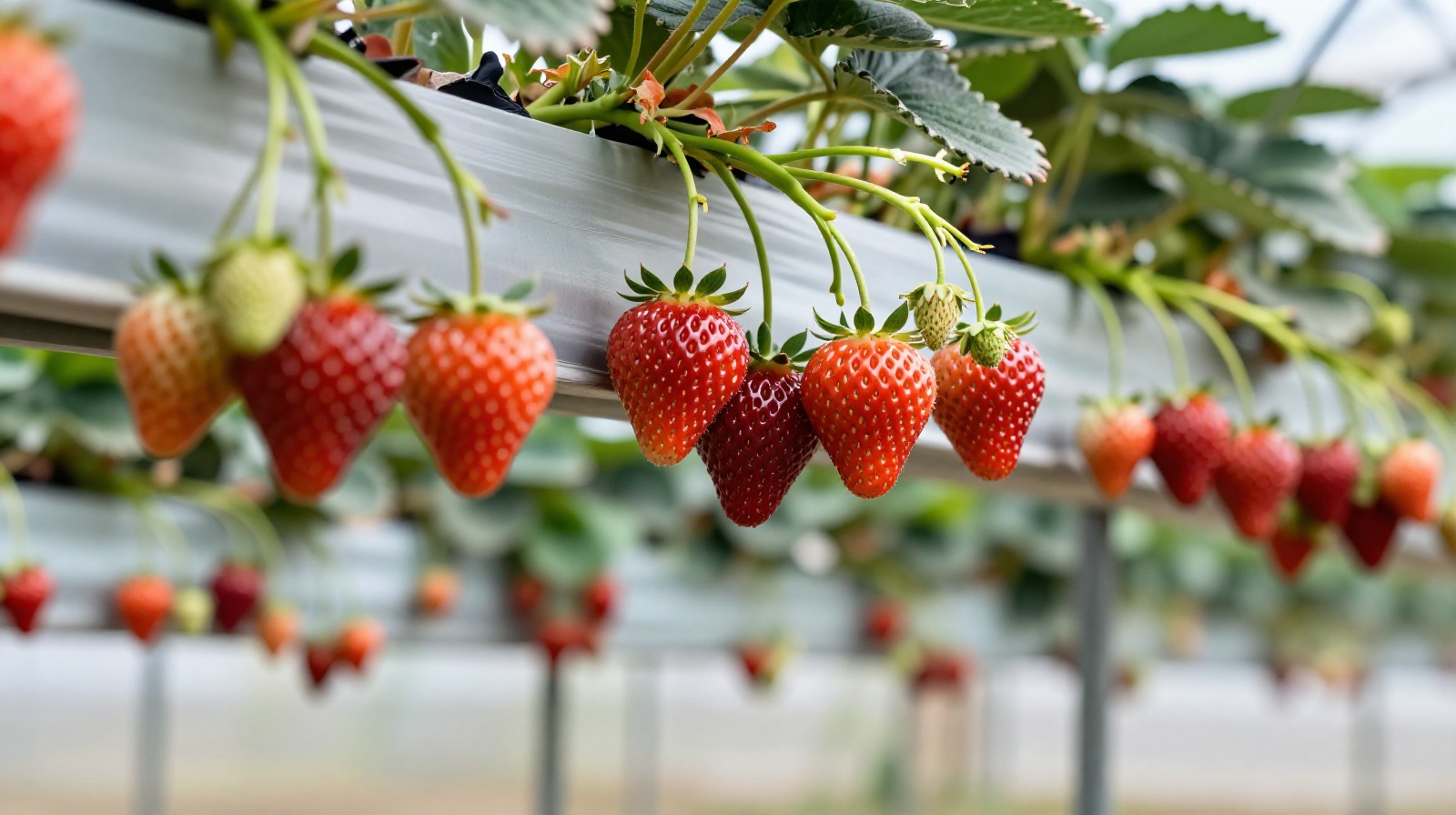
“We don’t guess,” Li says, picking a ripe strawberry. The berry is deep red, glossy, and uniform in size—about 35 grams each. “The system adjusts the light spectrum and CO2 levels based on the weather forecast for tomorrow. If it’s going to be cloudy, we boost artificial lighting now to ensure photosynthesis happens at peak efficiency.”
This precision has doubled the yield per square meter compared to traditional open-field farming. More importantly, it reduces pesticide use by 80%. The strawberries are grown in a closed environment where chemicals are unnecessary. This allows Li to sell his produce at a premium price to high-end supermarkets in Shanghai and online platforms, proving that technology can make rural life profitable.
A New Generation of Rural Life
Li’s story is not unique. Across China, from greenhouse tomatoes in Shandong to smart tea plantations in Fujian, a new generation is reshaping the countryside. They are often called “New Farmers” because they blend traditional farming skills with modern digital tools.
For many young people like Li, returning home was a strategic choice. Urban jobs were competitive and expensive; rural tech hubs offered opportunity. They live in newly renovated rural homes, work from air-conditioned control rooms, and use apps to sell directly to consumers via livestreaming. The stigma of “working on the land” has faded.
However, it is not all seamless. Setting up these systems requires significant capital and technical know-how. Not every village can afford a full smart-automation suite yet. But for places like Li’s cooperative, the model works. It creates jobs for locals who manage the sensors and robots, turning agriculture into a tech-enabled industry.
The Future in Your Hand
As I leave the greenhouse, the sun is rising higher over the green plastic roof. Li hands me one of his strawberries. It tastes crisp, sweet, and intensely fragrant—exactly as nature intended, but engineered for perfection.
This single fruit represents a quiet revolution. It shows that technology in China isn’t just about futuristic cities or electric cars; it is also about the soil, the water, and the people who tend to them. The “New Farmers” are proving that with data, even the most traditional fields can bloom into high-tech enterprises.
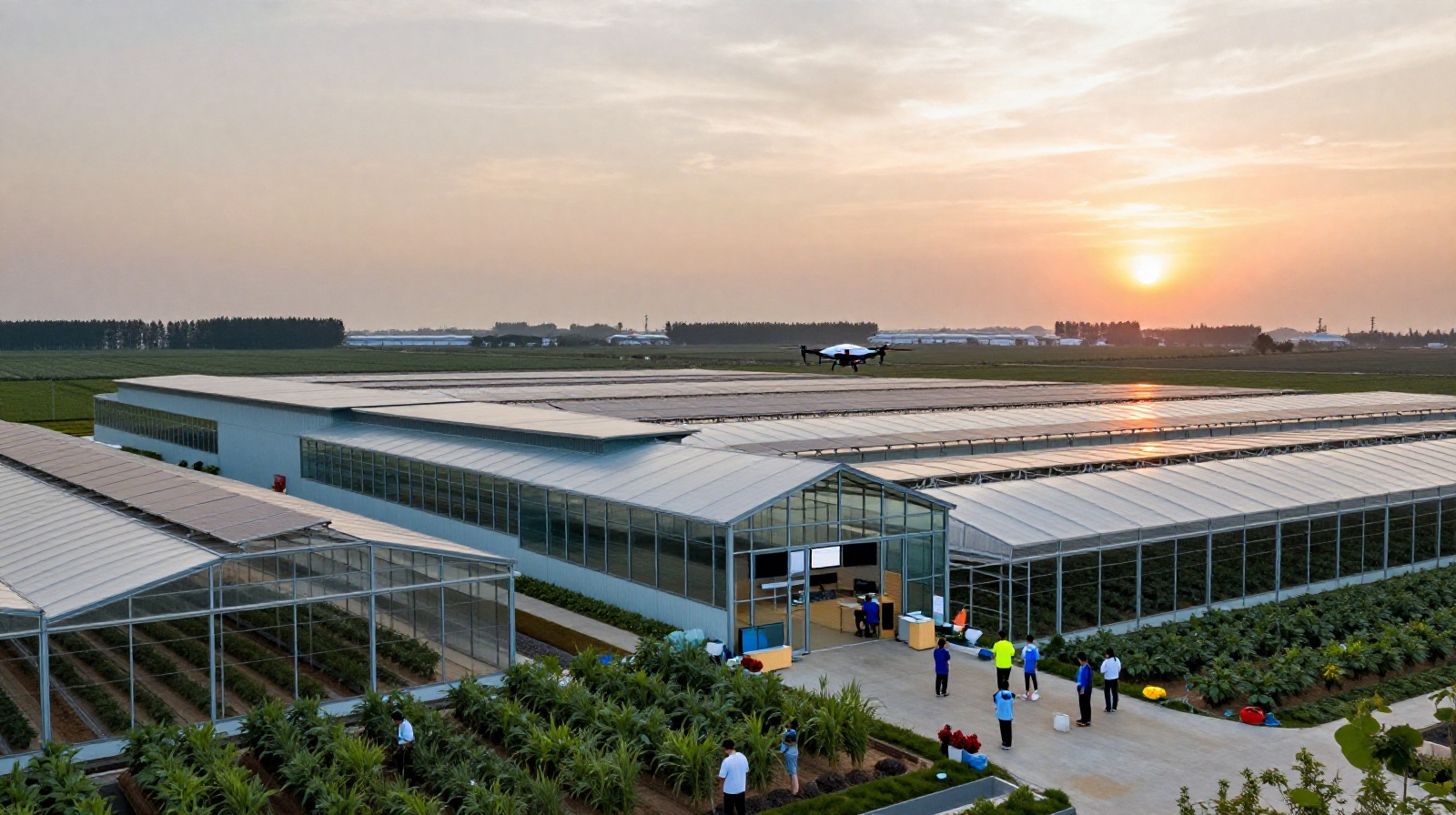
As the drone buzzes overhead to spray organic fertilizer, Li smiles. He isn’t just growing strawberries; he is cultivating a new future for rural China, one data point at a time.