


The Language of a Gift
Imagine you are invited to a Chinese friend’s home for dinner. You arrive with your hands full, expecting a warm welcome. But if you hand over a clock as a “timeless” gift, the host might freeze, and the evening could turn awkward. In China, gifting is not merely about exchange; it is a complex social lubricant that binds relationships, expresses respect, and maintains harmony.
Unlike in many Western cultures where the thought counts most or the item itself is neutral, here, the meaning of the object matters as much as the gesture. A gift carries weight because its name often sounds like a specific word in Mandarin, creating homophones that can be either highly auspicious or deeply unlucky.
The Taboo List: What Never to Give
If you are new to Chinese culture, your first instinct might be to buy what looks practical. However, certain items are absolute no-gos due to their sound associations in the language. These aren’t just superstitions; they are widely understood social rules.
First, never give a clock (钟,zhōng). In Mandarin, “giving a clock” sounds exactly like “attending a funeral” or “waiting for death.” It is the equivalent of handing someone a black rose in a culture where red means love. Second, avoid umbrellas (伞,sǎn). The word sounds like “separation” or “to scatter,” implying you wish to end the relationship. Shoes are also tricky; they sound like “walking away from each other” and can symbolize leaving a friendship behind.
Other items include green hats (associated with infidelity) and sharp objects like knives, which suggest cutting ties. Even the color of the wrapping matters. While red is lucky for celebrations, white and black are traditionally reserved for funerals. A beautifully wrapped box in white paper can turn a happy occasion into a somber one instantly.

Who to Gift: A Practical Guide
Knowing what not to give is half the battle. The other half is understanding who deserves what. Chinese gifting is highly contextual, varying significantly based on the recipient’s age and status.
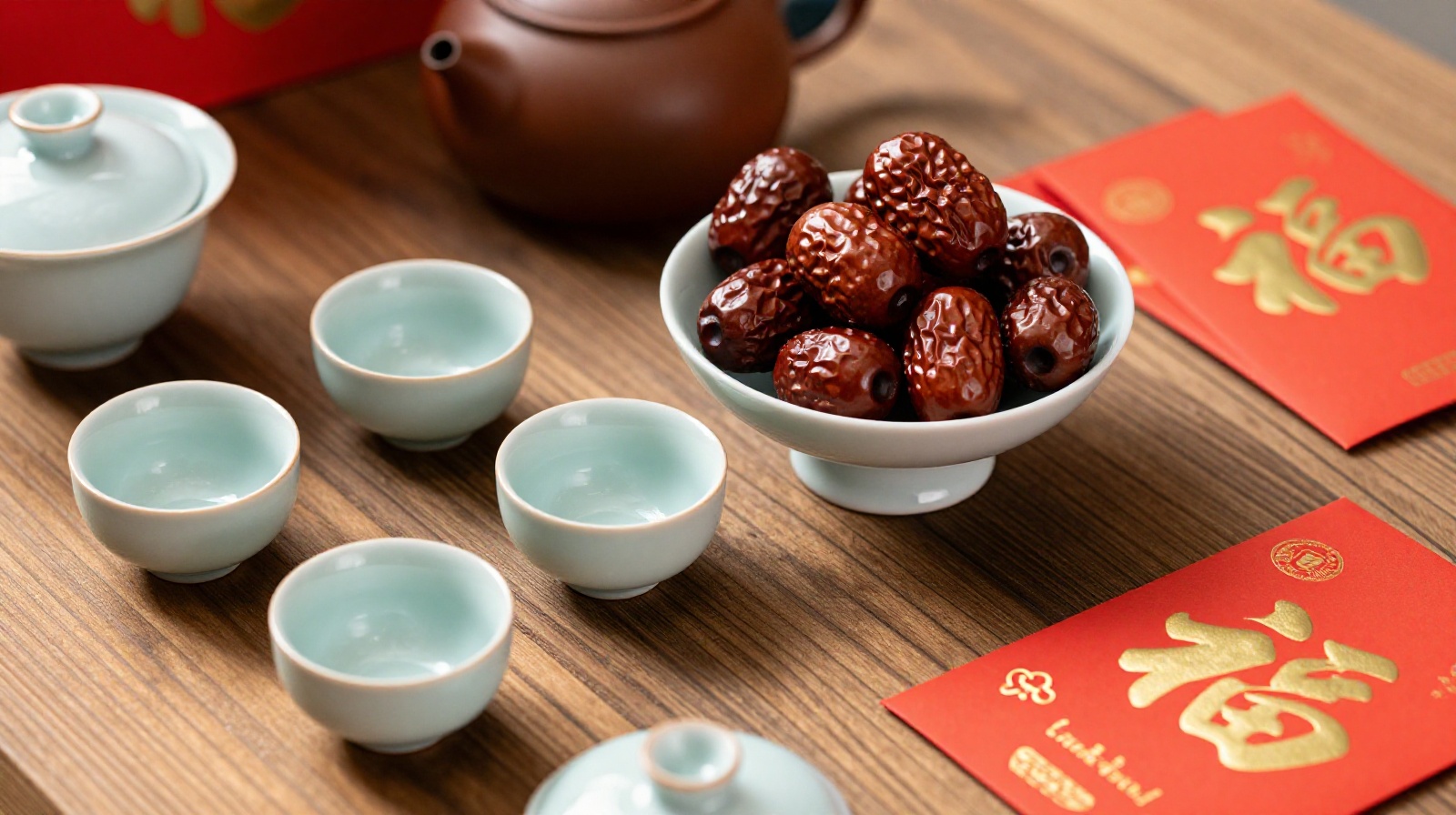
For Elders: Health and longevity are paramount. High-quality tea sets, premium red dates (jujubes), or nutritious supplements like ginseng are safe and appreciated choices. For a birthday, noodles with long strands symbolize a long life, though they must be served uncut.
For Bosses or Clients: This requires a balance of respect and subtlety. Avoid overly personal items. Instead, opt for high-end local specialties that are easy to share, such as fine tea, rare wines, or exquisite calligraphy supplies. The packaging must be impeccable; the presentation is part of the message.
For Friends: Here you can be more casual. A nice bottle of wine, a trendy tech gadget, or local snacks work well. However, even with friends, avoid the taboo items mentioned above. Cash (in red envelopes) is common for weddings or Chinese New Year but should generally be avoided in casual business settings unless it’s a specific custom.

The Art of Red and Gold
How you wrap your gift is just as important as the gift itself. In China, red (红,hóng) is the color of joy, luck, and vitality. It is the standard for weddings, birthdays, and New Year celebrations. Golden accents add a touch of prosperity.
When you hand over a present, try to do so with both hands. This small gesture signals deep respect. If the recipient insists on refusing initially—which is a common polite ritual—it is often best to insist gently until they accept. A direct “no” from the giver can be seen as lacking sincerity.

When It Goes Wrong: A Real Story
I once accompanied a foreign colleague, Mark, to visit an elderly client in Shanghai. He was nervous but well-meaning. For his gift, he chose a sleek, modern wristwatch from a famous brand, thinking it showed success and precision.
As soon as the watch came out of the box, the room’s atmosphere shifted. The client smiled politely but didn’t open it. Later, Mark learned the hard way: while watches are fine for peers or younger people, giving a clock-like timepiece to an elder can inadvertently echo the “time is up” taboo. He quickly switched tactics, presenting a jar of high-quality honey and a set of tea leaves instead.
The client’s face lit up. The tension dissolved, and the business relationship flourished. It was a lesson that in China, you aren’t just buying an object; you are navigating a web of history, language, and emotion.