

The Rhythm of the Loom in Guizhou
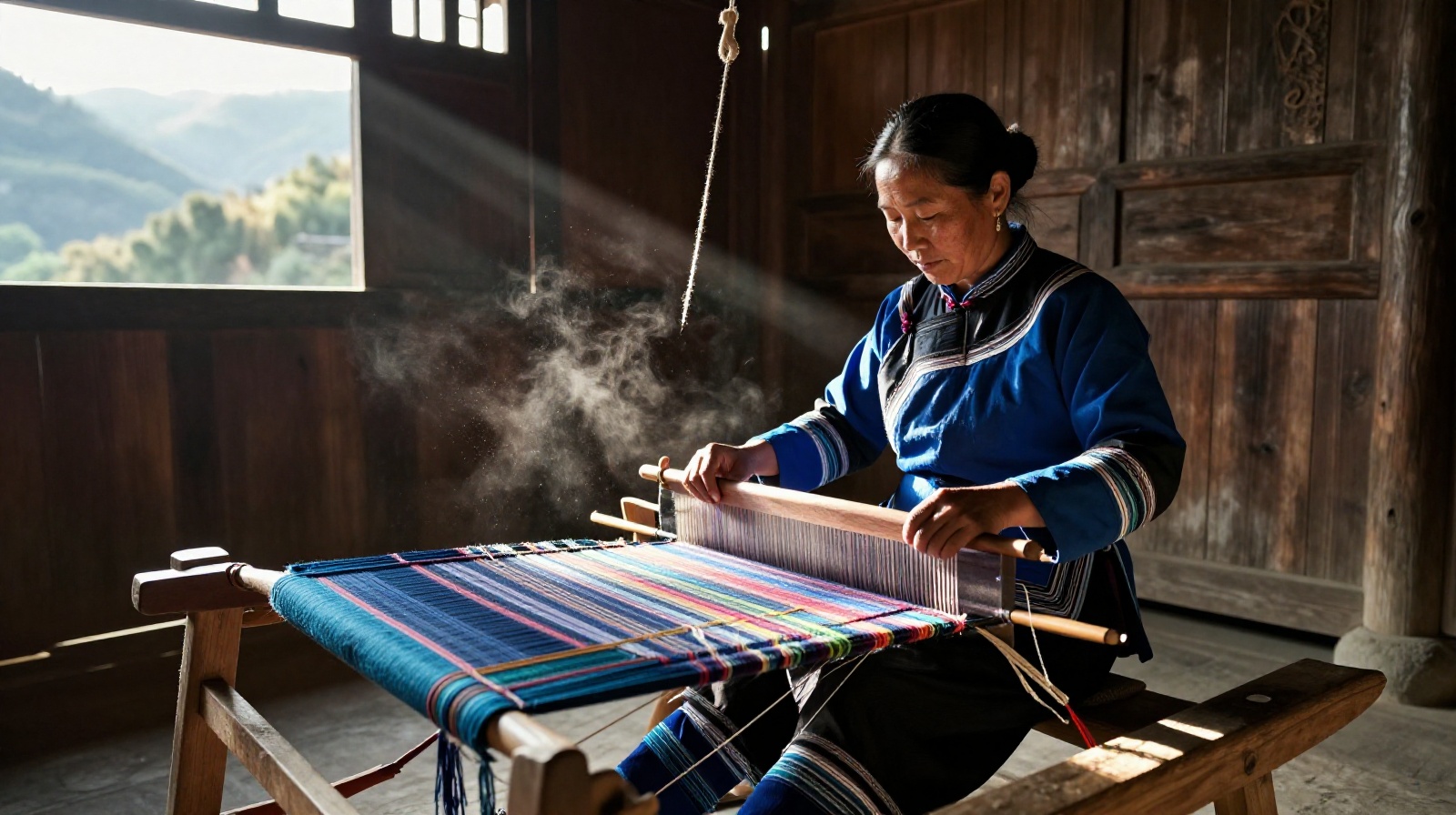
It is 7:30 AM in a small village deep in Qiandongnan, Guizhou. The air smells faintly of wet earth and wood smoke. Inside a dimly lit wooden house, 58-year-old Auntie Wu sits before a towering floor loom made of dark, polished hardwood. Her hands move with a speed that defies her age, pulling shuttles back and forth with rhythmic precision. The sound is not chaotic; it is a steady heartbeat—clack, slide, pull, clack. On the loom lies a half-finished piece of fabric, its pattern a complex map of spirals, birds, and mythical beasts in indigo blue and natural white.
This isn’t a factory. There are no assembly lines, no digital screens, no mass-produced speed. For Wu, weaving is not just a job; it’s a conversation with her ancestors. The patterns she creates tell stories of migration, hunting, and the seasons that have passed over this mountain range for centuries.
The Cost of Speed vs. The Value of Patience
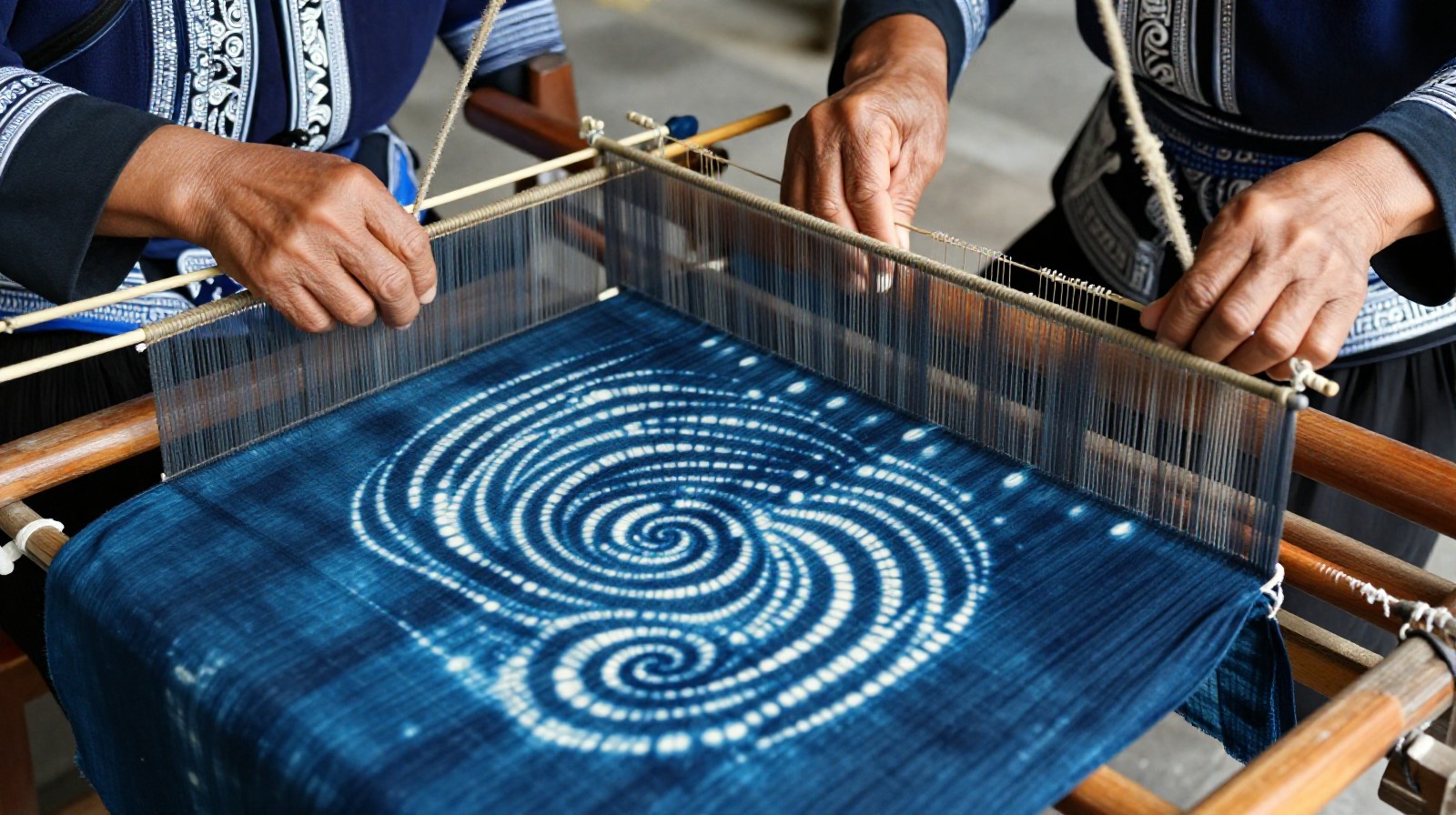
Fast fashion has changed how the world dresses. A trendy shirt can be bought today and discarded in a month. But in Guizhou, creating a single traditional garment takes months. A typical women’s blouse might require 30 to 40 days of continuous work by one person.
The difference is palpable. In a global factory, efficiency means cutting corners. Here, the “inefficiency” is the point. Every knot must be tied perfectly. The dyeing process uses fermented indigo leaves, which take weeks to brew and months to apply in layers. The result is fabric that doesn’t just look good—it feels like it has a soul. It breathes, softens with wear, and holds memory.
When you hold this cloth, you aren’t holding a product; you are holding time. While fast fashion sells disposable items, Guizhou textiles sell heritage. The complexity of the patterns—often featuring geometric designs that represent stars or agricultural tools—is impossible to replicate by machine without losing the subtle variations that make each piece unique.
From Village Looms to Global Runways
For decades, young people in these villages left for cities like Guangzhou and Shanghai, leaving the elderly behind. The looms gathered dust. But a shift is happening. A new generation of designers, often educated in Beijing or abroad, are returning with a simple mission: to connect these hidden skills to modern markets.
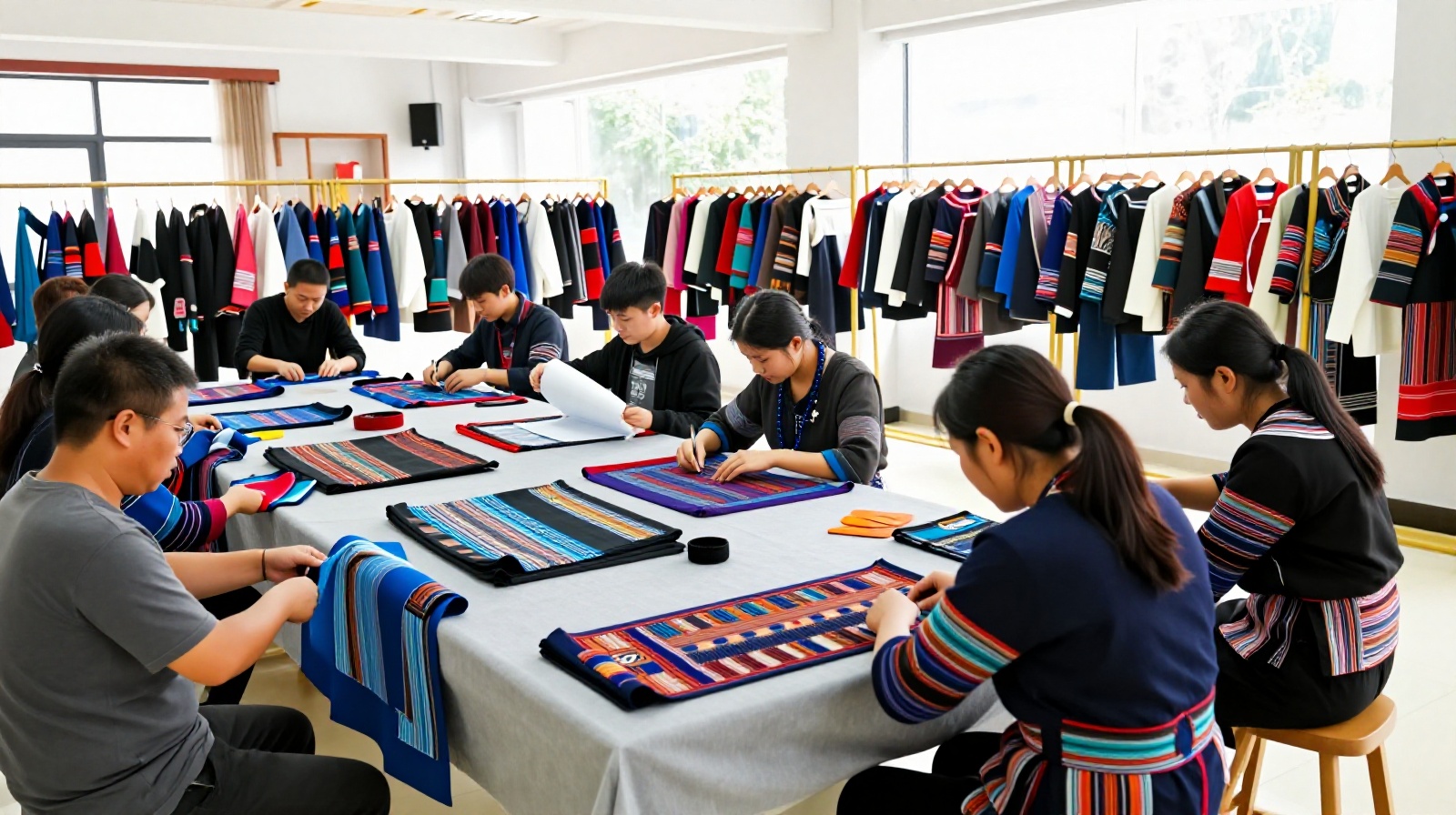
In a community center in Libo County, a young woman named Li demonstrates how traditional weaving can be adapted for contemporary fashion. She takes the heavy, indigo-dyed fabric and cuts it into sleek jackets and minimalist bags. The result is stunning: a fusion of ancient technique and modern silhouette.
These collaborations are not just about aesthetics; they are about economics. By forming cooperatives, local women can bypass middlemen who previously took most of the profit. They sell directly to boutique brands in Shanghai or export to Europe. This financial independence has brought dignity back to their craft. It is no longer a fallback for the poor; it is a source of pride and livelihood.
Weaving a Future Together
The story of Guizhou’s hand-woven textiles is more than a cultural footnote; it is a testament to human resilience. It challenges the notion that progress must mean abandoning tradition. Instead, it shows how tradition can evolve.
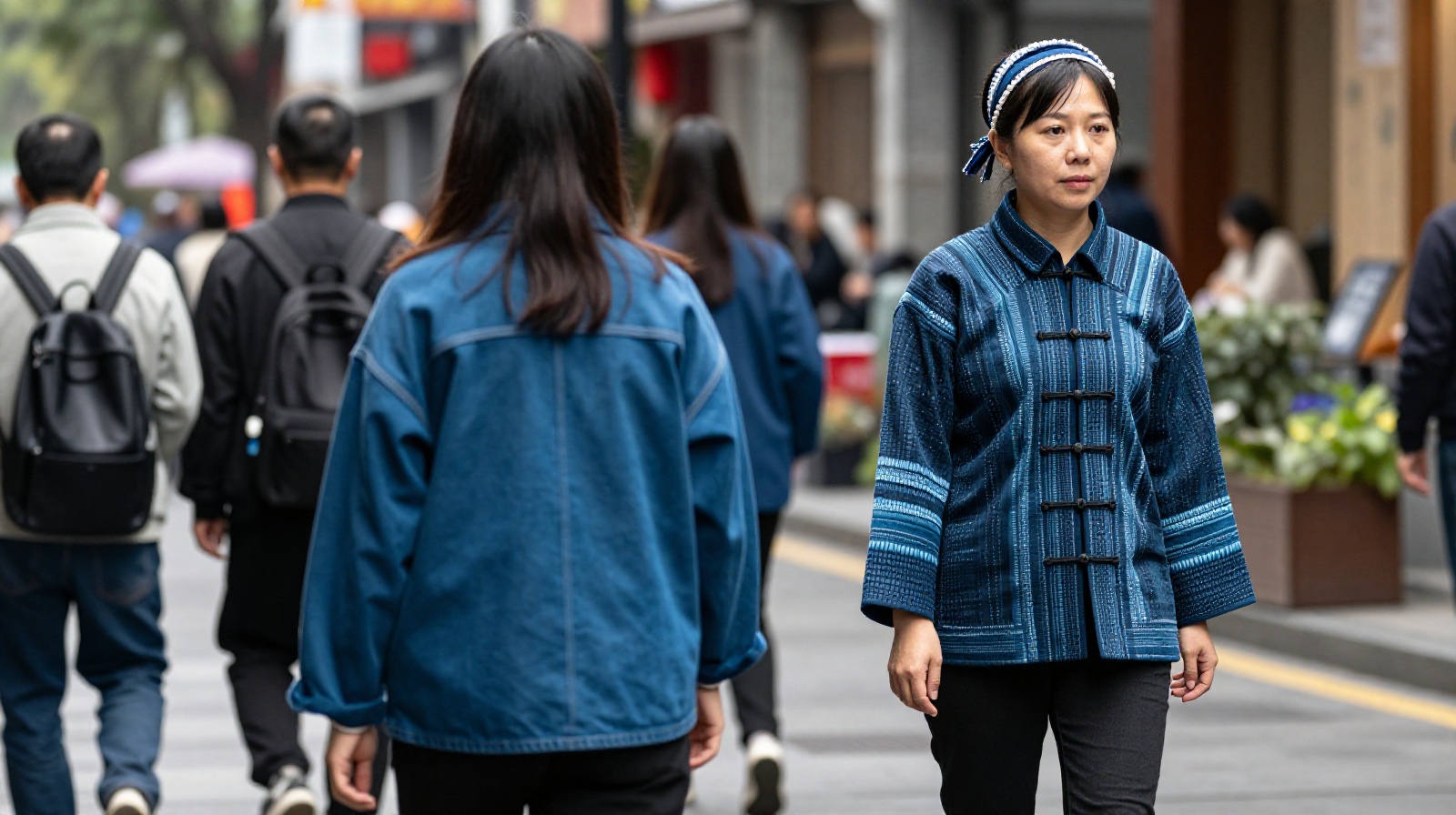
As you walk through the markets in Guiyang today, you might see these fabrics used not just for traditional costumes, but as linings in luxury coats or patterns on smartphone cases. The indigo blue that once dyed only village clothes is now a global symbol of slow, thoughtful design.
Auntie Wu still sits at her loom every morning. She knows the world is changing fast, but she also knows that some things take time to grow. Her hands continue their dance, creating patterns that will outlast trends, offering a quiet counter-narrative to the noise of mass production. In an age of instant gratification, Guizhou teaches us the value of patience.