

The Sweetest Battlefield in Autumn
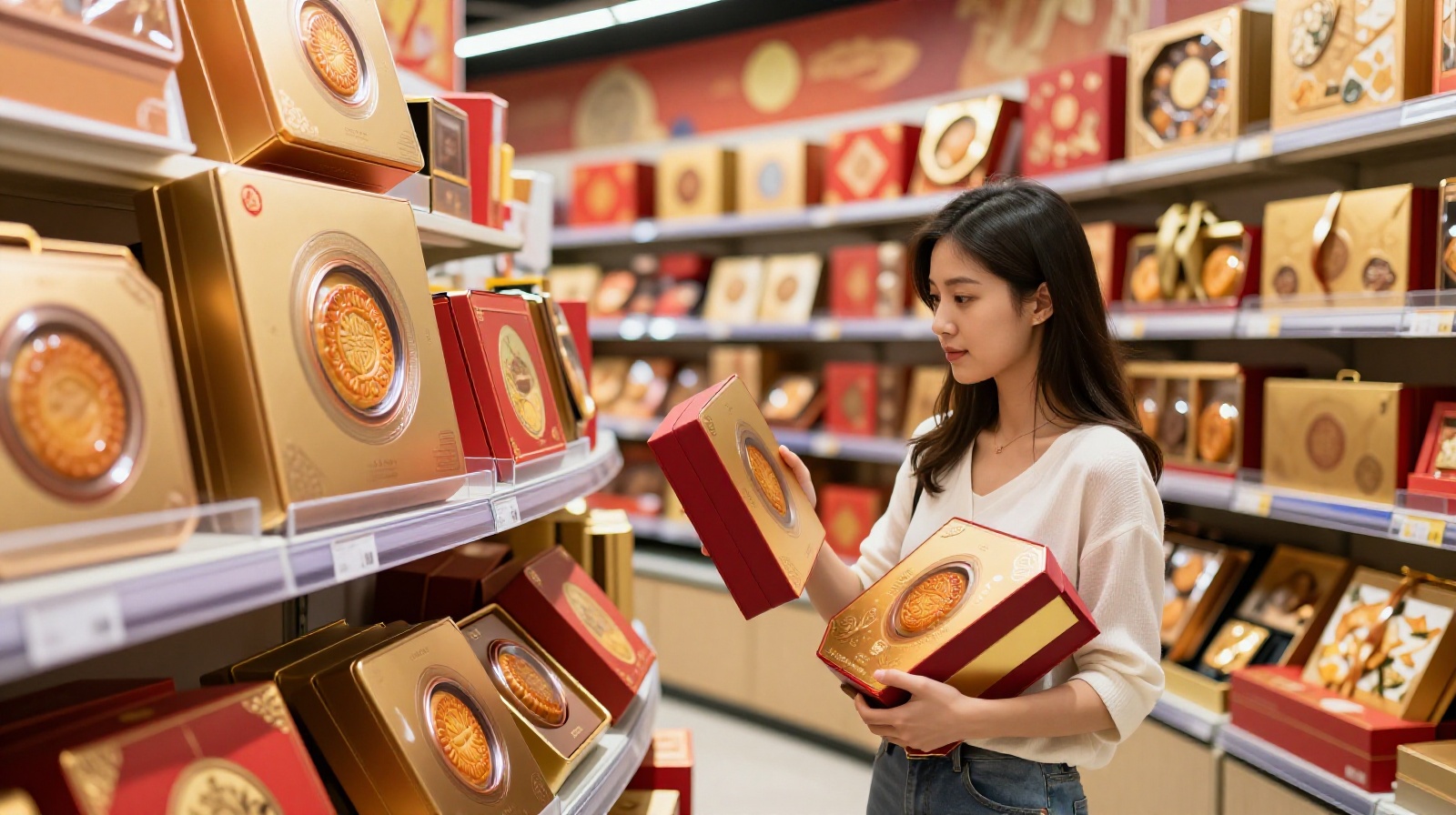
It is late August in Beijing, and the air already carries a distinct, sugary scent. In a high-end department store on Wangfujing Street, a sleek display case catches the eye: golden boxes containing mooncakes filled with sea urchin roe, champagne truffles, and even black truffle-infused lotus paste. The price tag? Nearly $100 for a single box of four. This is not just food; it is the opening salvo of the annual “Mooncake Wars,” a phenomenon where tradition collides with aggressive commercialization.
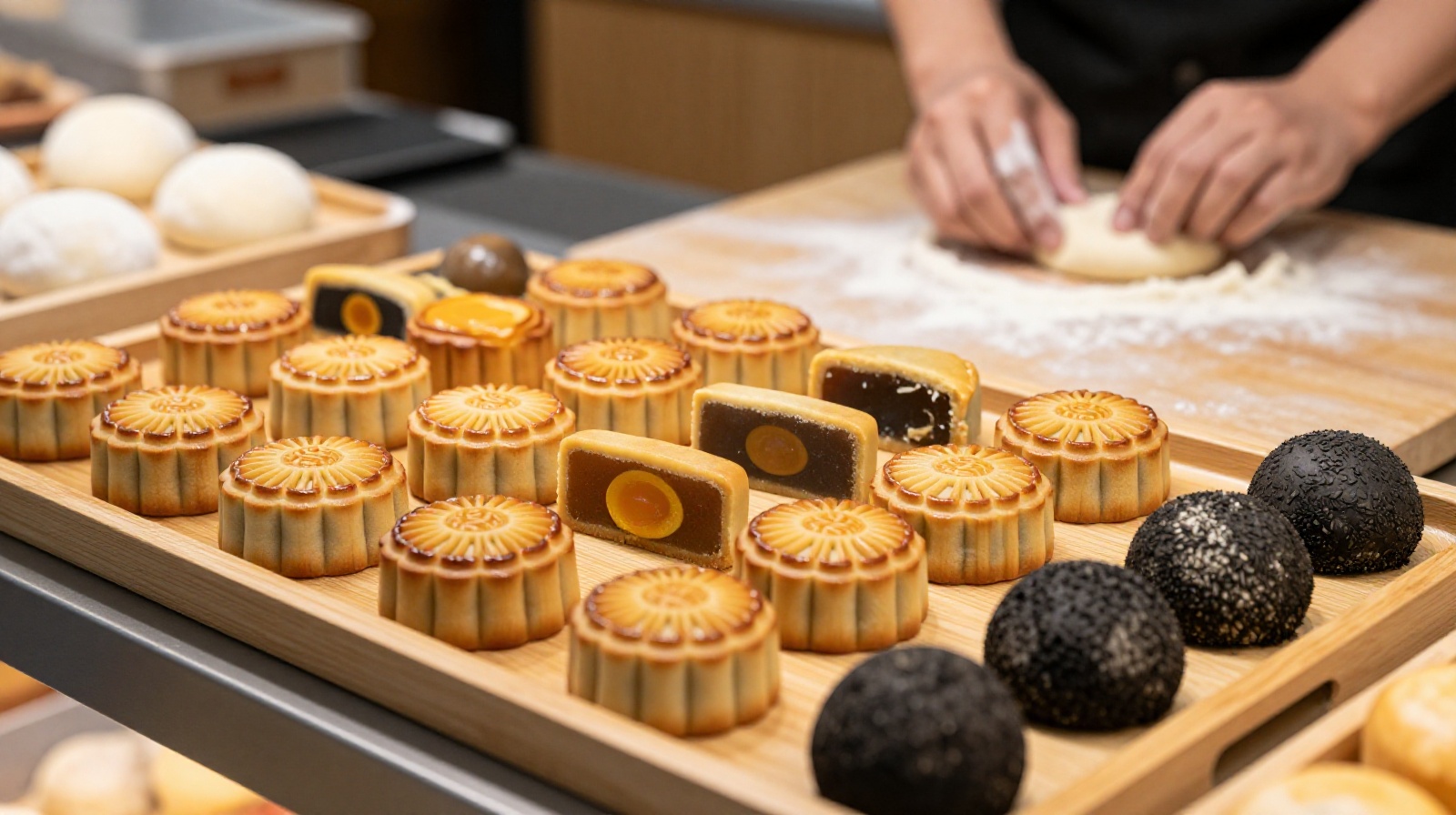
For millions of Chinese people, the Mid-Autumn Festival is a time for reunion, much like Thanksgiving in the US or Christmas in Europe. But the centerpiece of this gathering has become the mooncake—a dense, sweet pastry traditionally filled with red bean, lotus seed paste, or salted egg yolk to symbolize the full moon. Yet, what looks like a simple cultural staple is currently undergoing a radical transformation.
From Family Treats to Luxury Status Symbols
The history of the mooncake is deeply rooted in Chinese folklore, often linked to the overthrow of Mongol rulers in the 14th century. Historically, these were simple treats shared among family members during a harvest festival. Today, however, the narrative has shifted dramatically. The “war” begins when manufacturers realize that the true value of a mooncake isn’t its taste, but its function as a gift.
In modern China, giving gifts is often a way to express respect, maintain social connections (known as *guanxi*), or even secure business favors. A standard $10 box might be acceptable for neighbors, but a luxury box costing hundreds of dollars signals deep respect and significant status. This dynamic has driven an explosion in variety. We have seen mooncakes filled with snow crab legs, shark fin soup, and premium Pu’er tea. Some brands now offer packaging that doubles as high-end wooden jewelry boxes or even functional storage for electronics.
The Psychology of the Gift: Why the Price Matters
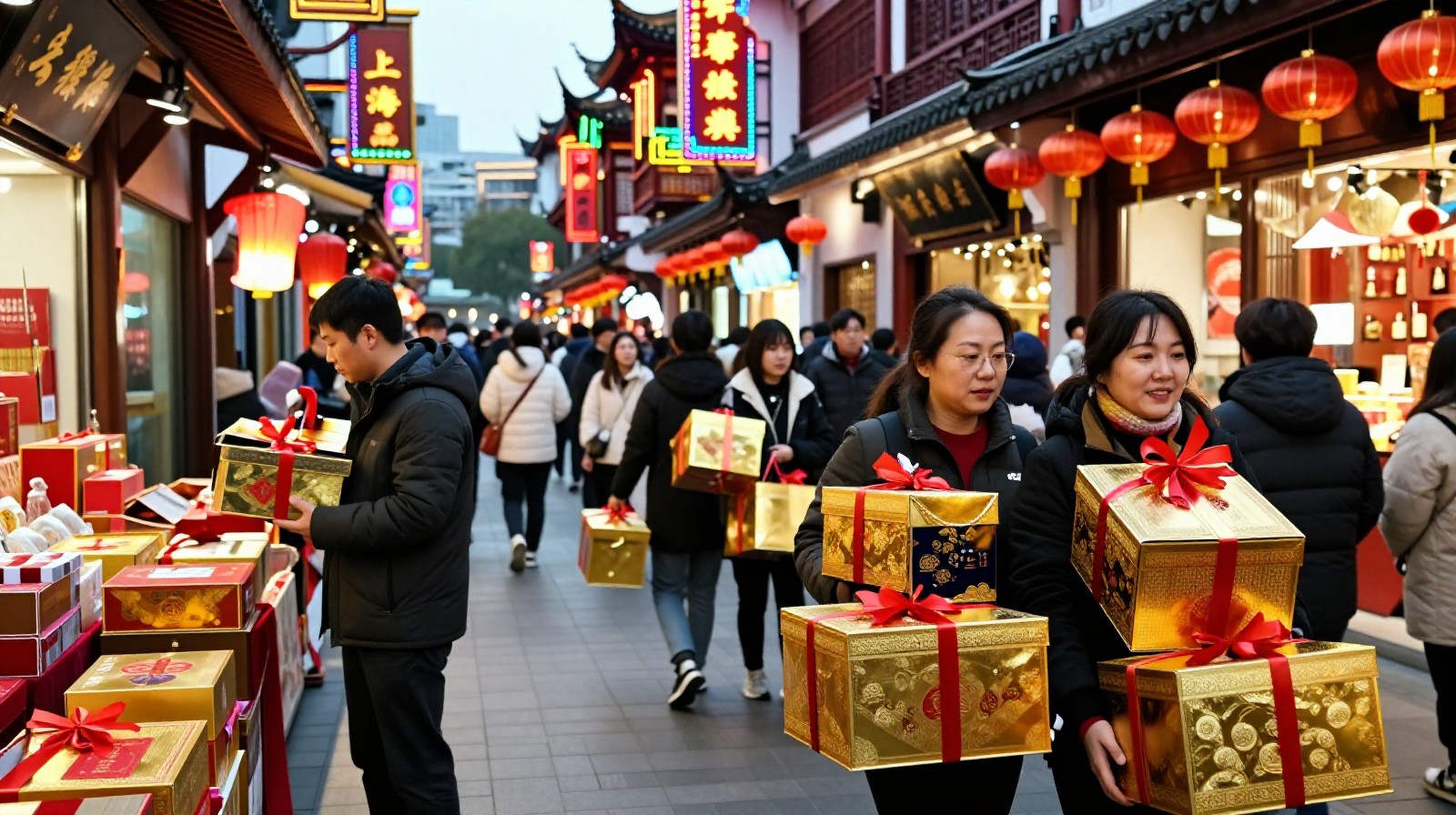
Why do consumers spend so much on a pastry they might only eat once a year? The answer lies in the social weight of the gift. In Chinese culture, the extravagance of the packaging often reflects the depth of one’s relationship with the recipient. If you give a plain package to a business partner or an elder, it can be interpreted as a lack of effort or respect.
Market data supports this trend. In recent years, luxury mooncake sales have outpaced standard varieties by significant margins, particularly in major cities like Shanghai and Shenzhen. The “war” is not just about flavor; it is a competition for prestige. Companies invest heavily in limited-edition designs, collaborating with famous artists or brands to create collector’s items that are often bought but never eaten.
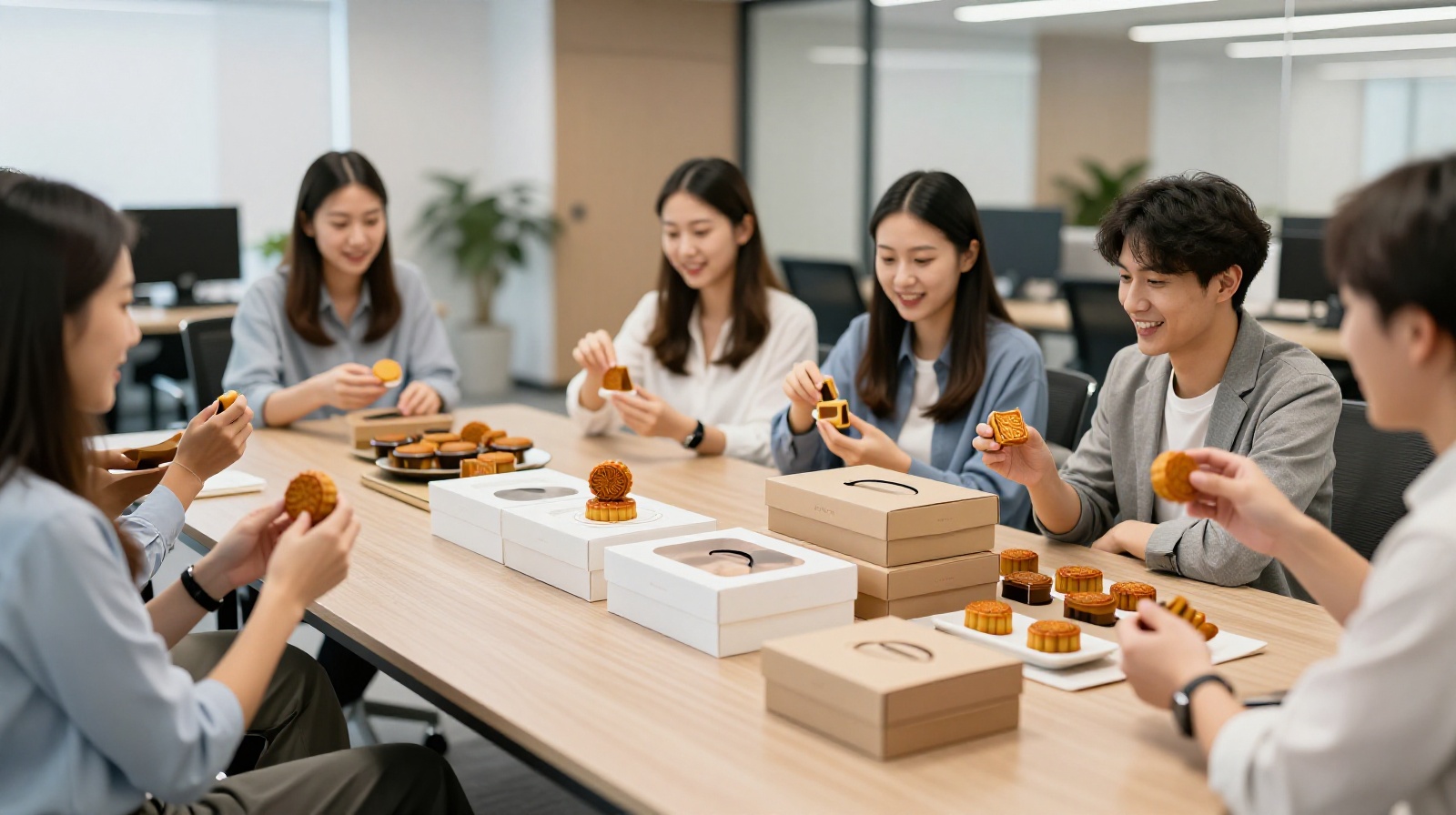
This commercialization has sparked criticism. Many netizens joke that they receive boxes of mooncakes only to be left with two or three, while the rest go stale on office desks or end up in landfills. Yet, despite the waste and the inflated prices, the ritual persists because it serves a vital social function: bridging gaps in a rapidly changing society where face-to-face interactions are becoming less frequent.
A Shift in Consumer Habits
However, the “Mooncake Wars” are not without their cracks. As younger generations enter the workforce, a new trend is emerging that challenges the status quo. With rising awareness of health issues and inflation, many urban Chinese consumers are rejecting the heavy, sugary, over-packaged tradition.
You can see this shift in local bakeries and online markets. There is a growing demand for “lighter” mooncakes—less sugar, less oil, and smaller portions that fit a modern diet. Flavors like matcha, mochi, and even savory options like ham and cheese are gaining traction. Furthermore, the government has stepped in with regulations to curb excessive packaging, limiting the number of layers and materials allowed in gift boxes.
This evolution suggests that while the mooncake remains central to the festival, its form is adapting to a more pragmatic, health-conscious generation. The “war” may be cooling down into a negotiation between tradition and modernity.
The Future of an Ancient Tradition
As autumn progresses, the streets will fill with people carrying these golden boxes. For the buyer, it is often less about eating the pastry and more about fulfilling a social obligation or maintaining a relationship. The mooncake has become a mirror reflecting China’s complex economic and social landscape: a place where ancient customs are preserved but constantly reshaped by the forces of commerce and changing values.
Whether you view these pastries as symbols of waste or tokens of connection, one thing is certain: in every corner of China, from bustling megacities to quiet villages, the Mid-Autumn Festival will not be complete without them. The “Mooncake Wars” are a testament to the enduring power of food culture, even when it gets caught in the crossfire of modern ambition.