
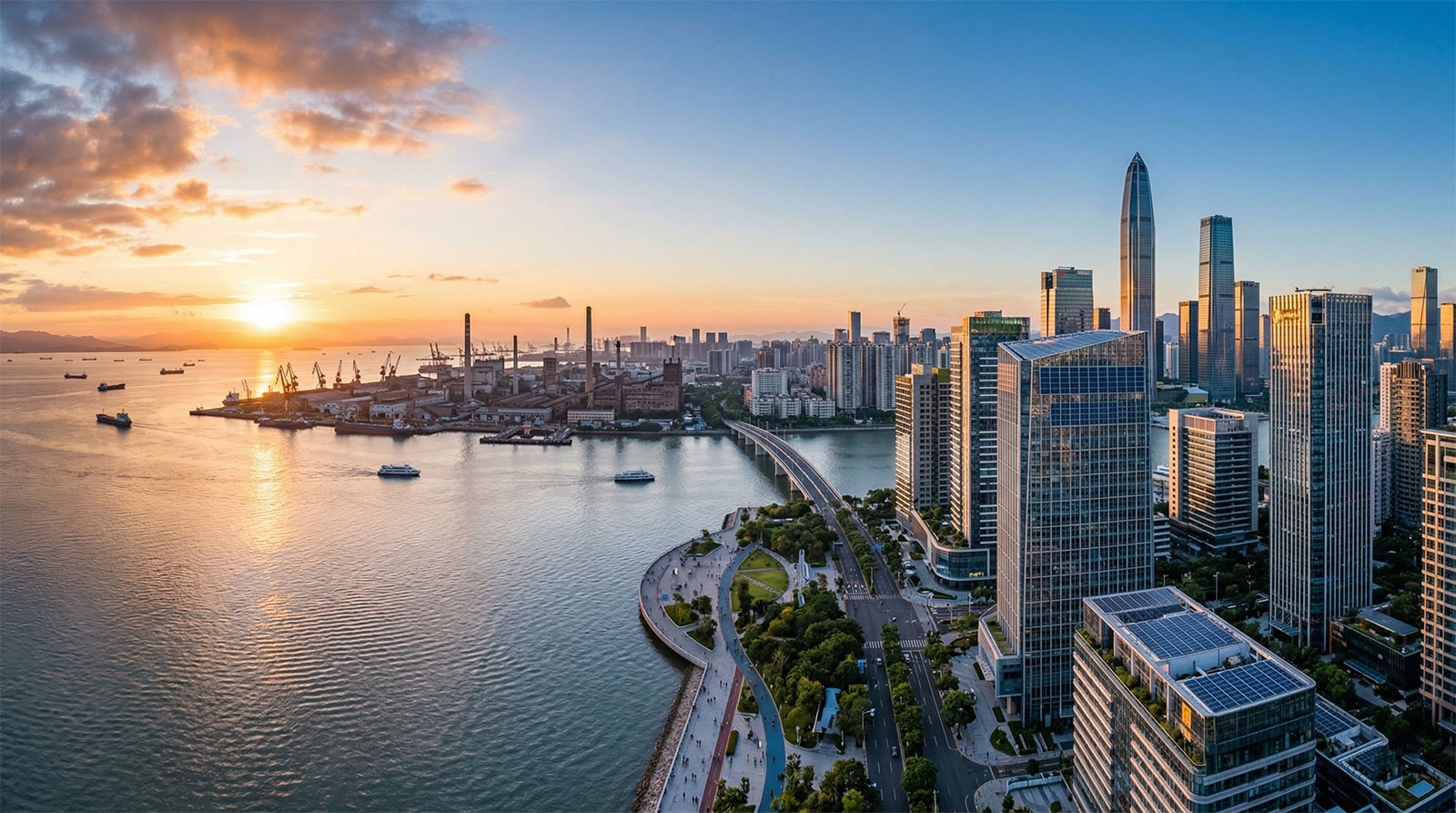

From Gray Light to Blue Skies
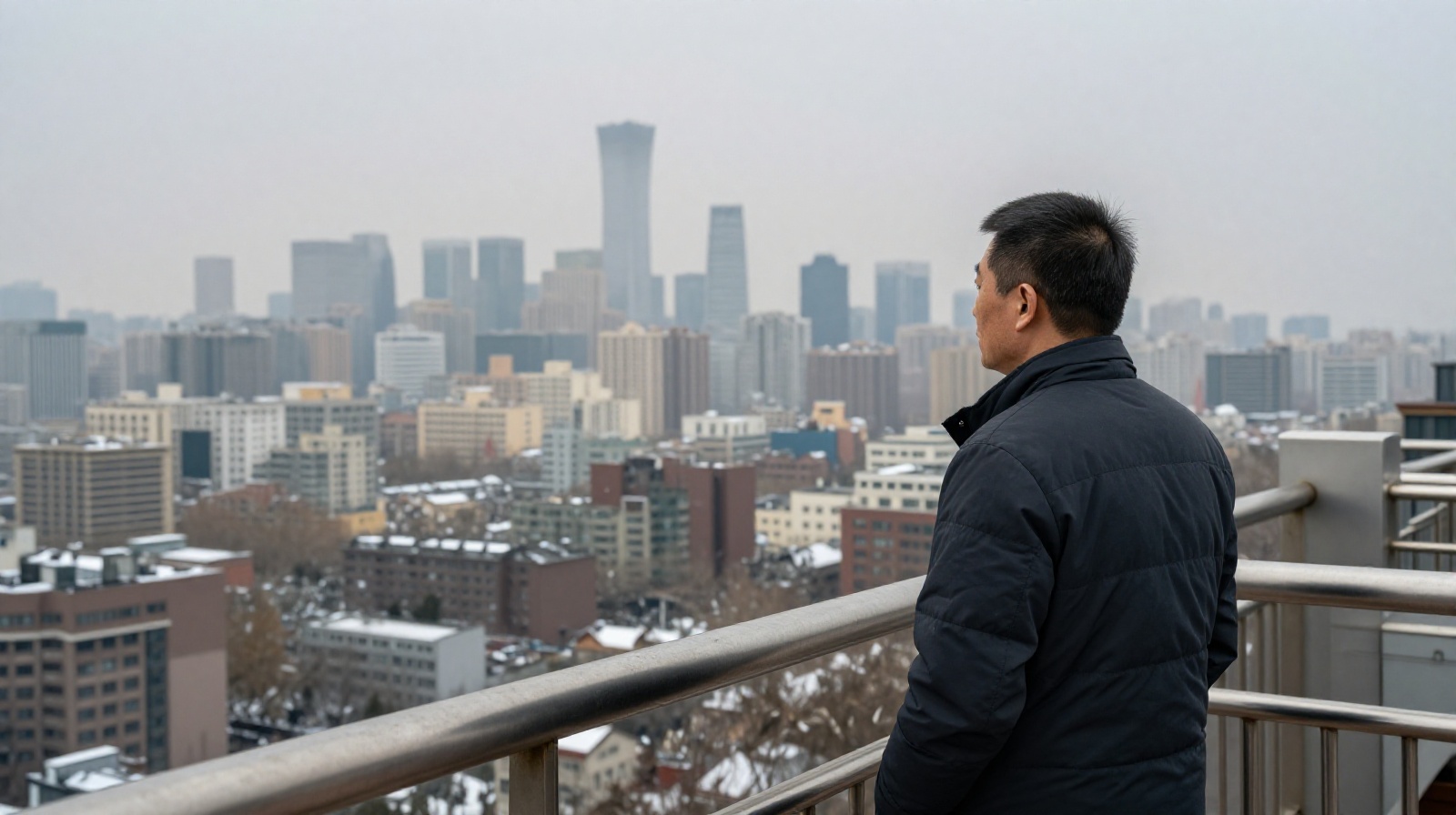
The year was 1998. I stood on the fourth-floor balcony of an apartment in Shijingshan, Beijing, watching a gray curtain descend over the city before sunrise. The air smelled distinctively of burning coal, a heavy, acrid scent that clung to clothes and hair. Back then, “clean air” was not a policy goal; it was a distant memory whispered about by elders who remembered the clear skies of their youth.
The Turning Point: A Conversation at the Dinner Table
Between 1998 and 2013, the conversation in Chinese households shifted quietly but decisively. It started with coughing. My neighbor, a retired factory worker named Lao Zhang, would wake up wheezing every winter. The government’s “Blue Sky Defense War” (蓝天保卫战) wasn’t just a slogan on billboards; it became a topic of heated debate at dinner tables across the country.
The change didn’t happen overnight. In 2013, China introduced its first comprehensive air pollution action plan. By closing thousands of coal-fired power plants and forcing heavy industries to relocate or upgrade, the visible smog began to lift. For ordinary people, this meant fewer days with red alert warnings on their phones and more days where they could see the outline of distant mountains from city windows.
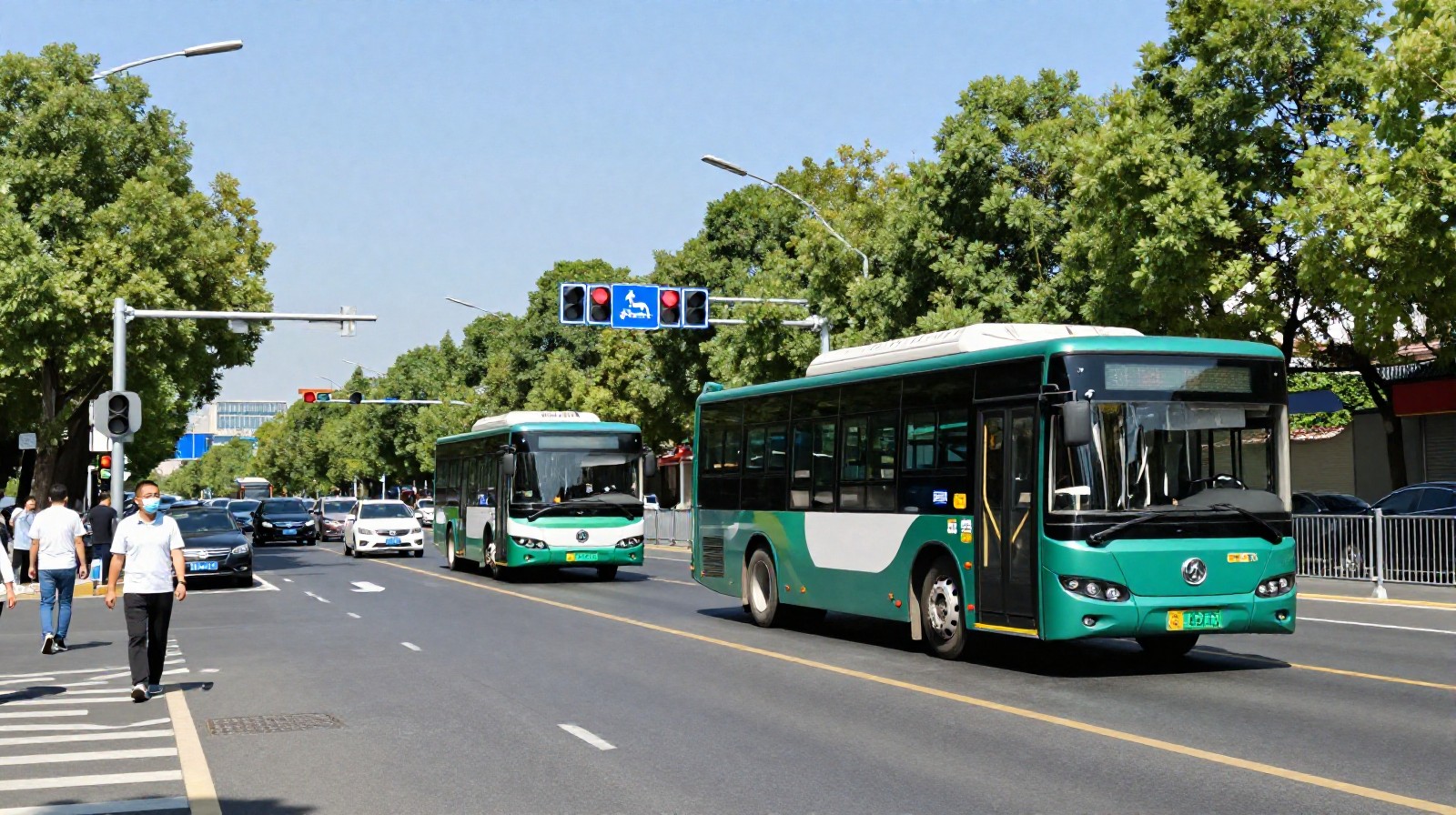
Technology in the Streets: EVs and Old Neighborhoods
Today, the transformation is visible at street level. In 2024, standing on a typical Beijing avenue, you hear the hum of electric buses rather than the roar of diesel engines. The streets are lined with charging piles that glow softly in the evening, a stark contrast to the dark smokestacks of the past.
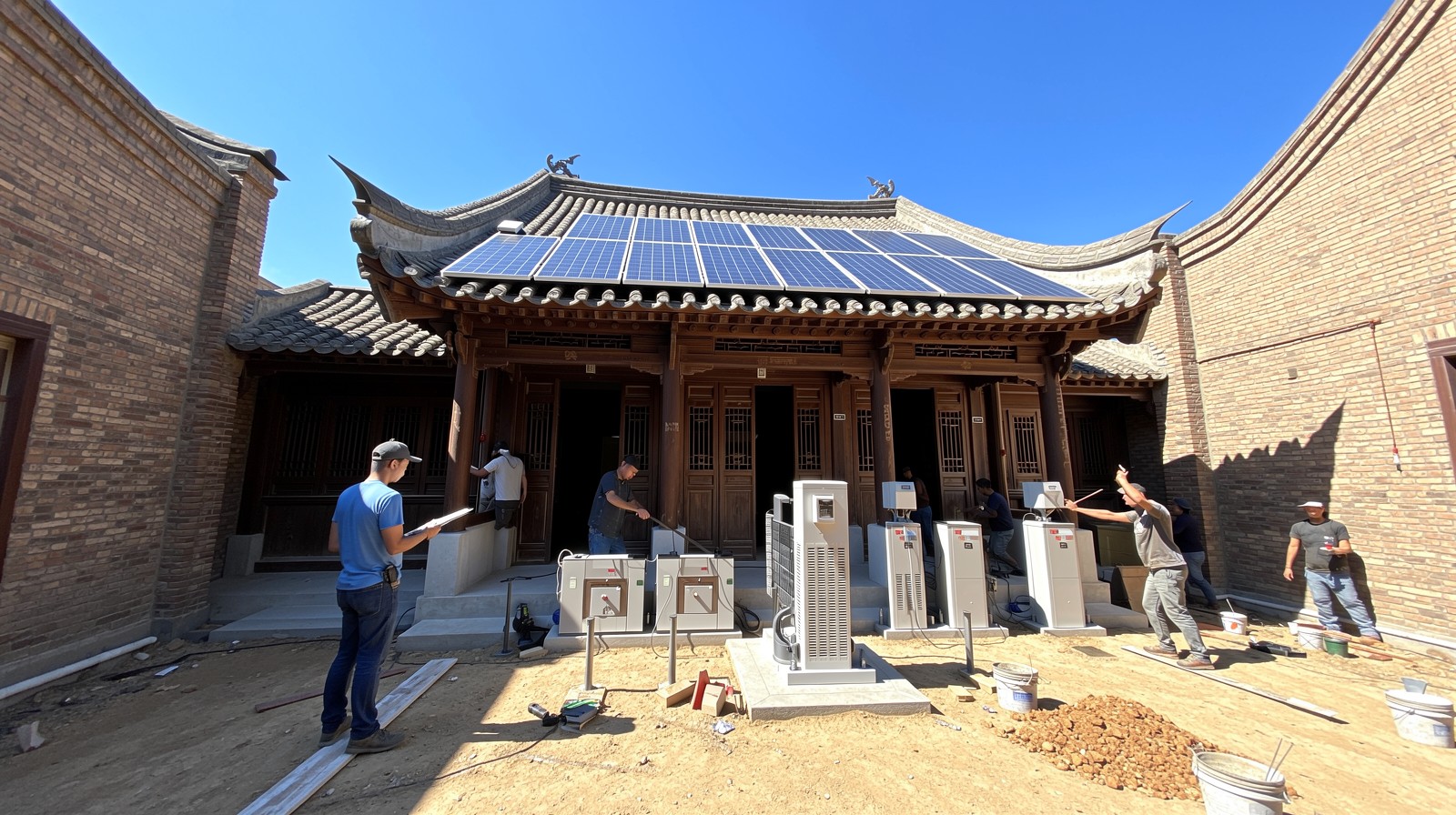
But technology isn’t just about big vehicles; it’s about old neighborhoods too. In places like Beijing’s Hutongs or Shanghai’s lilong, elderly residents have watched their coal stoves being replaced by electric heat pumps and solar water heaters. The renovation process was noisy and messy, but for the first time in decades, a new window seal feels tighter, keeping the cold out without burning wood.
Generations of Breath: From Lao Li to the Next Gen
Lao Li is 68 years old, a sanitation worker I met near Tiananmen Square. He remembers when his eyes stung so badly from coal dust that he had to work with goggles on every morning. “I used to think this was just how life was,” he told me, wiping sweat from his brow under the bright afternoon sun. Now, he walks his route without a mask, watching the sky turn a deep, clear blue by midday.
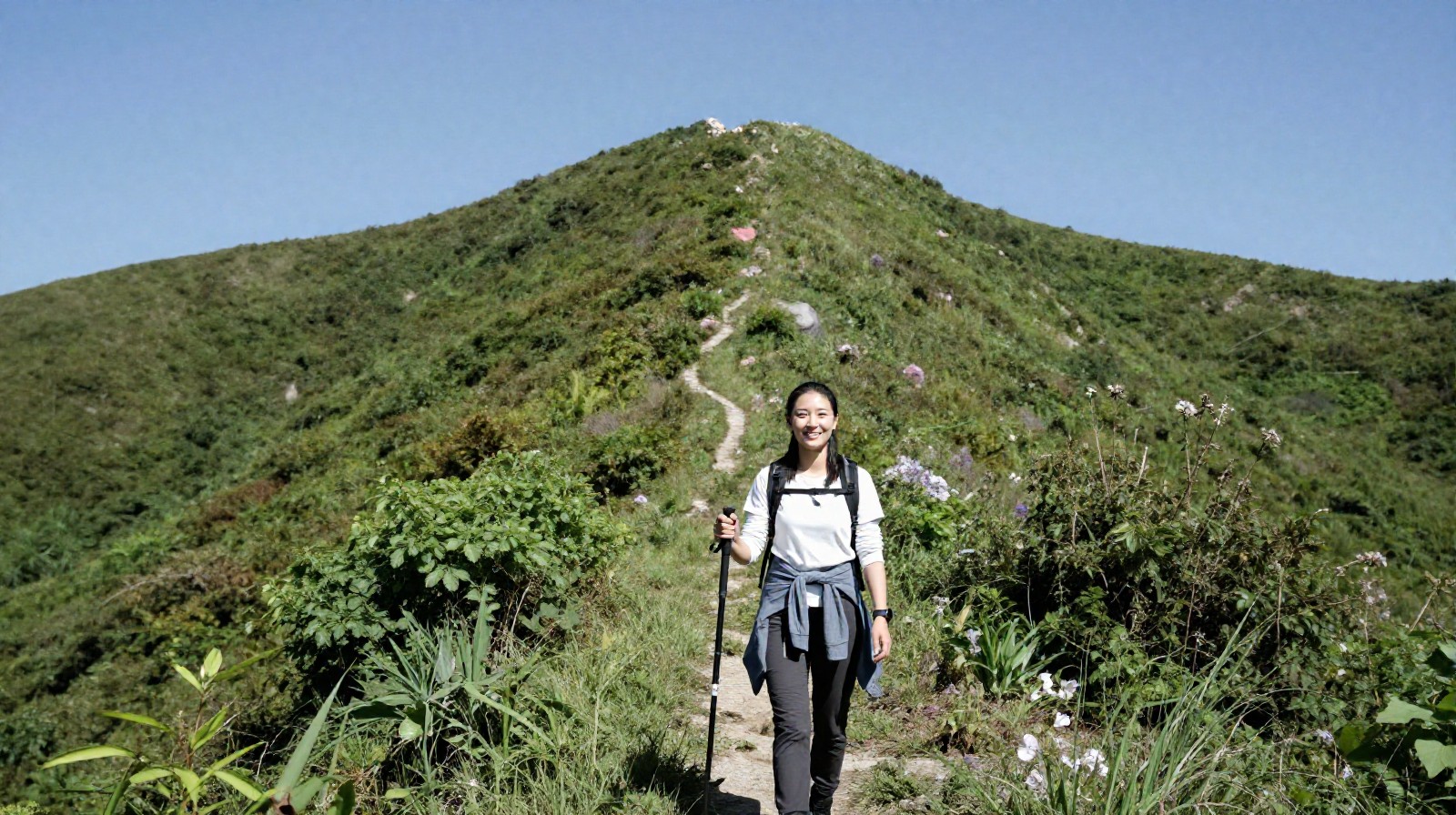
Contrast this with his granddaughter, a 24-year-old graphic designer who spends her weekends hiking in the nearby mountains. For her generation, clean air is not a victory to be celebrated; it is the baseline expectation. They don’t worry about smog alerts when planning their outdoor activities. Their lives are defined by what they can do outside, not by what they must avoid.
The Unfinished Journey: 2050 and Beyond
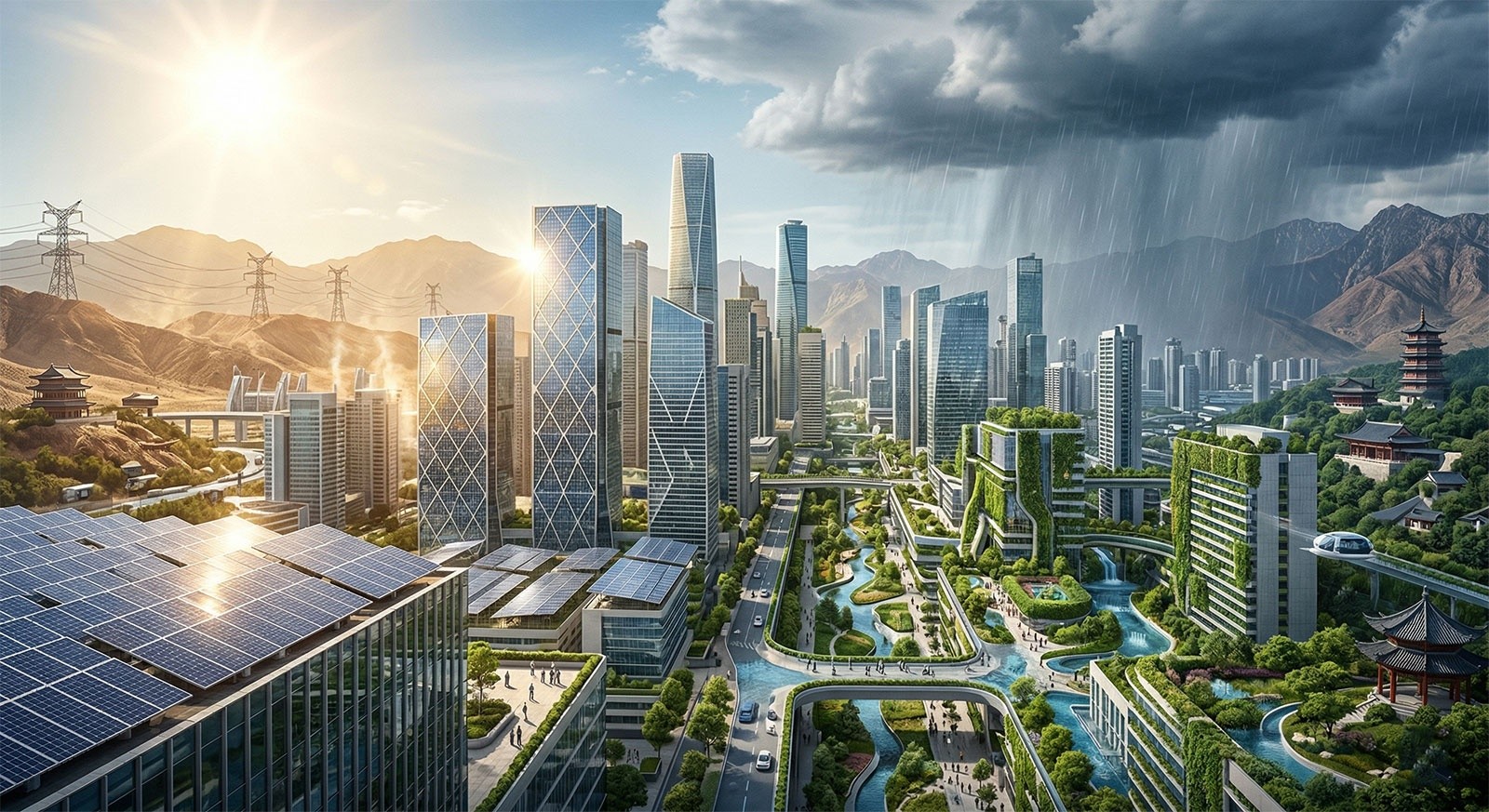
As we look toward 2050, the challenge is no longer just about removing coal smoke. The goal is balancing a massive economy with extreme weather events. As global temperatures rise, China’s cities face new tests: heatwaves that strain power grids and heavy rains that test urban drainage.
The experiment continues. Cities are becoming sponge-like, absorbing rain instead of flooding. Solar panels cover not just rooftops but the glass facades of skyscrapers. The question for 2050 isn’t whether China will have clean air—it already has it in many places—but how to maintain this balance as climate patterns shift.
A Note to Friends Abroad
To my friends around the world who ask, “What is life like in China now?” I tell them: It is a place of rapid change, where the air you breathe today is cleaner than it was thirty years ago. This isn’t a propaganda story; it’s a record of millions of people adjusting their lives, closing old factories, and embracing new technologies.
The sky in 2050 will likely look different from what we see today, but the trajectory is clear. We are moving toward a future where energy drives progress without choking the planet. It’s a messy, complex, human journey, but one that offers hope to anyone watching from afar.