

A Morning in Longjing Village
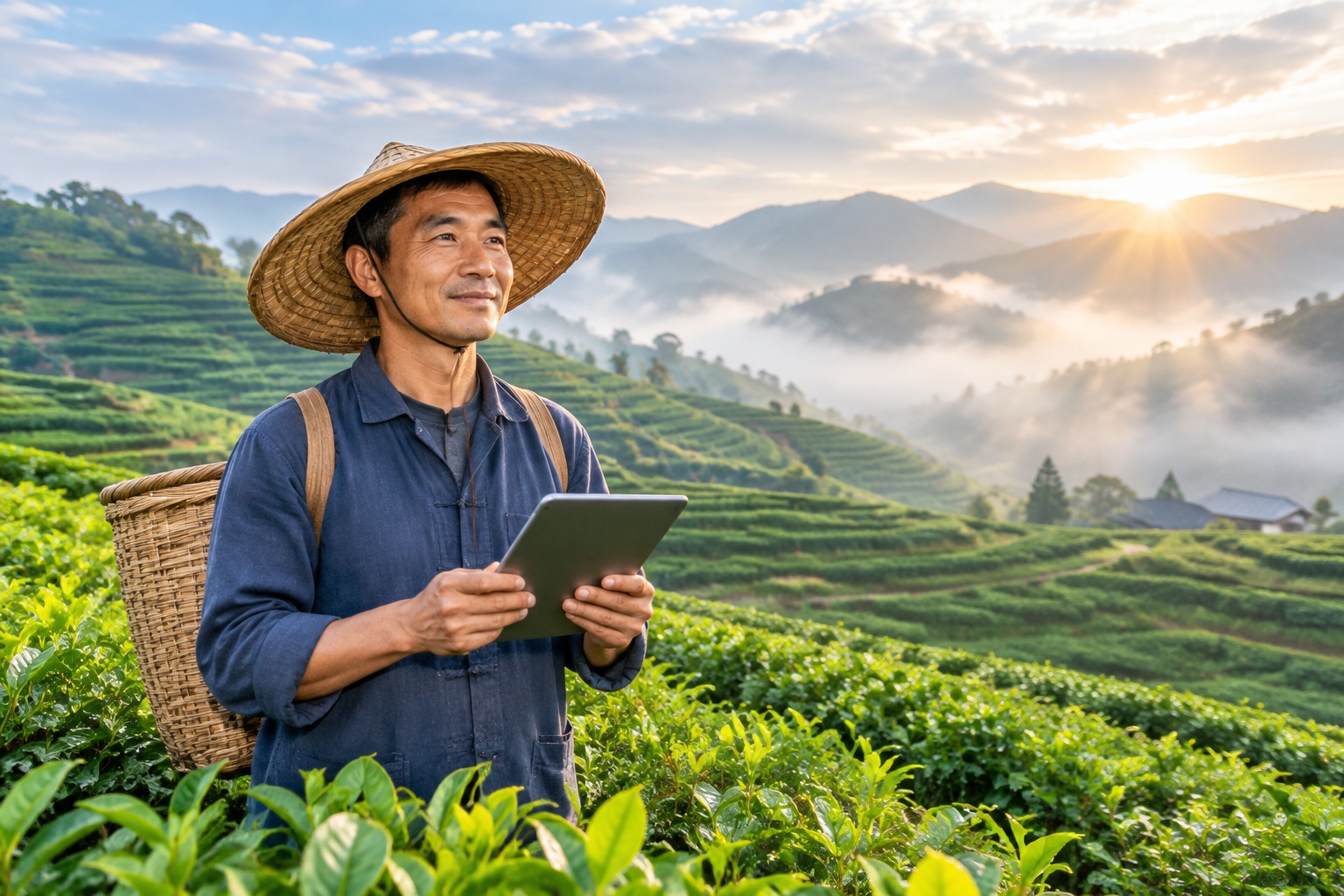
At 6:00 AM on a crisp April morning, the mist still clings to the terraced hills of Longjing Village near Hangzhou. Li Wei, a third-generation tea farmer, steps out of his stone house not with a traditional bamboo hat and basket alone, but also checking a small tablet in his hand. He taps a screen showing real-time data: soil moisture levels, ambient temperature, and humidity. This is the start of his day before he ever touches a single tea leaf.
For centuries, Longjing (Dragon Well) tea has been synonymous with delicate hands and ancient techniques. But if you walk through the village today, you will see a different rhythm. While Li’s fingers still perform the masterful ‘finger-twist’ roasting that defines the tea’s flat shape, the tools around him have quietly evolved. The question isn’t whether technology is replacing tradition; it is how the two are weaving together to keep this centuries-old craft alive for the next generation.

The Hand vs. The Algorithm
Many outsiders worry that modernization means the loss of artisanal quality. In Longjing, however, technology acts as a protective shield for tradition rather than a replacement. Li explains that the most critical part—picking the buds at dawn and roasting them in copper pans over wood fire—remains strictly manual. No machine can replicate the subtle judgment needed to know exactly when a leaf is tender enough.
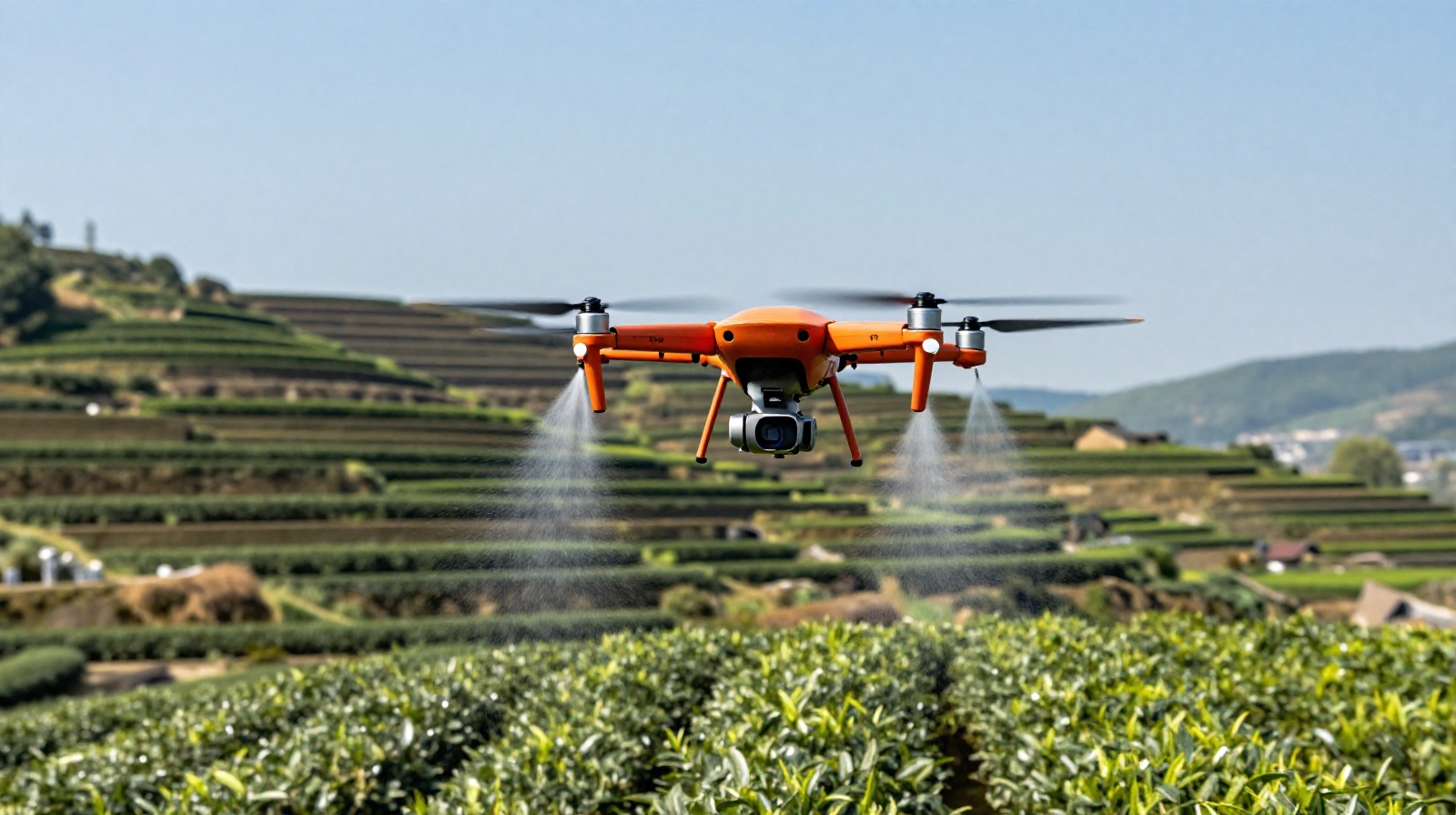
Yet, where technology shines is in the background work that used to be guesswork. Drones now patrol the terraces, spraying organic pesticides only where sensors detect pests, reducing chemical runoff and protecting the ecosystem. More surprisingly, soil sensors send alerts to Li’s phone if the ground gets too dry or nutrient-deficient, ensuring the tea plants thrive before a single leaf is picked. This data-driven approach allows farmers to maintain the high standards that Longjing commands in international markets without relying solely on intuition.
From Leaf to Link: The New Marketplace
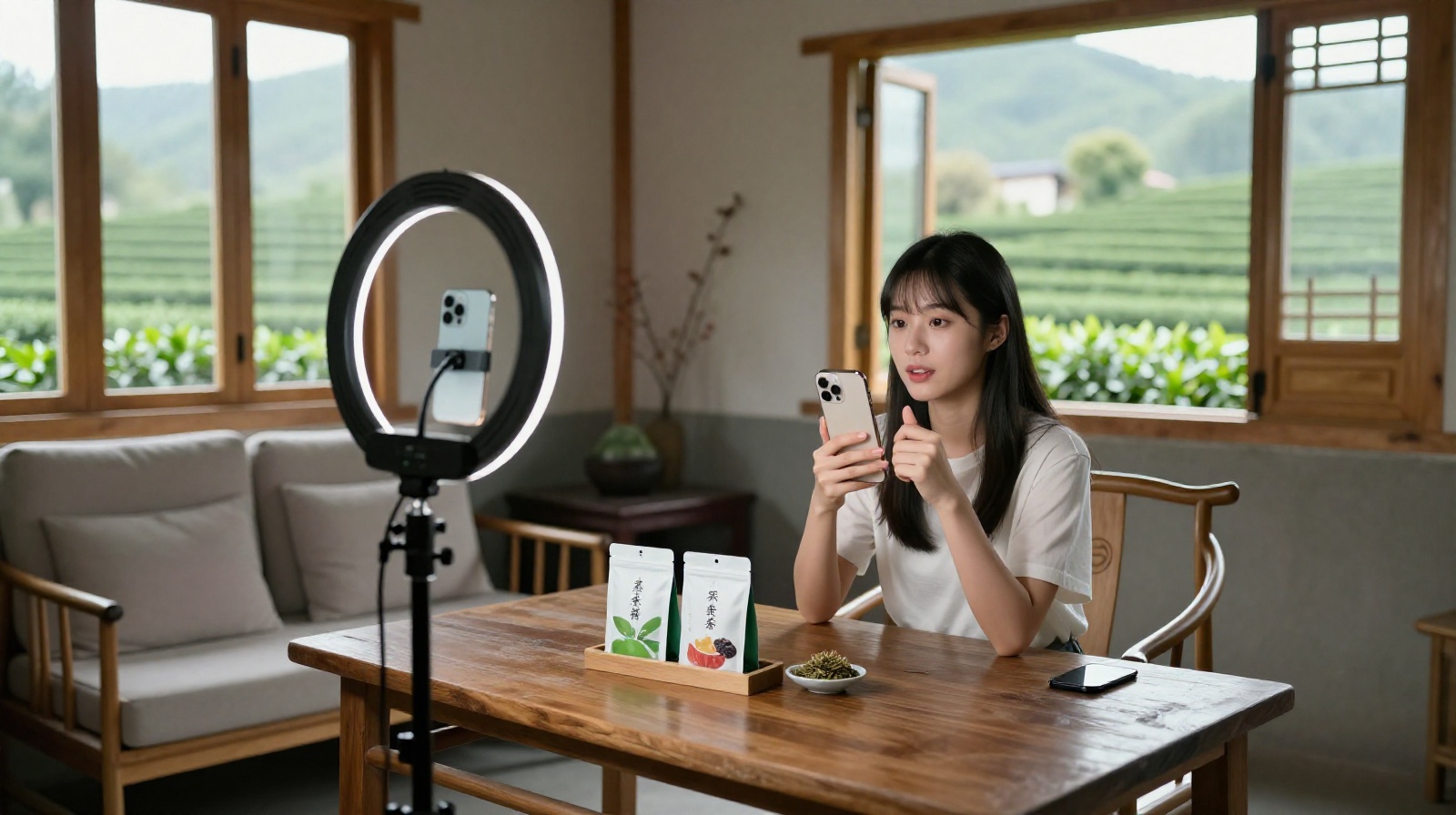
The most visible change isn’t in the fields, but in the living rooms. In a small studio overlooking the tea gardens, Li’s daughter sets up her ring light and smartphone. She is not just a farmer’s child; she is a content creator and livestreamer.
Five years ago, selling high-quality Longjing required navigating complex distribution networks or relying on middlemen who took a large cut of the profits. Today, Li and his daughter broadcast directly to buyers in Europe, North America, and Southeast Asia. They show the harvest process in real time, answer questions about storage, and even let customers customize their tea blends.
This direct connection has transformed the local economy. Young people who might have otherwise left for factories in Hangzhou’s city center are now staying in the village. “I can make a better living selling tea online than working in an office,” says Li’s daughter, smiling as she packs orders while her father roasts tea nearby. The livestream is not just sales; it is cultural education, bridging the gap between ancient Chinese rituals and modern digital consumption.
Preserving Roots in a Smart Village
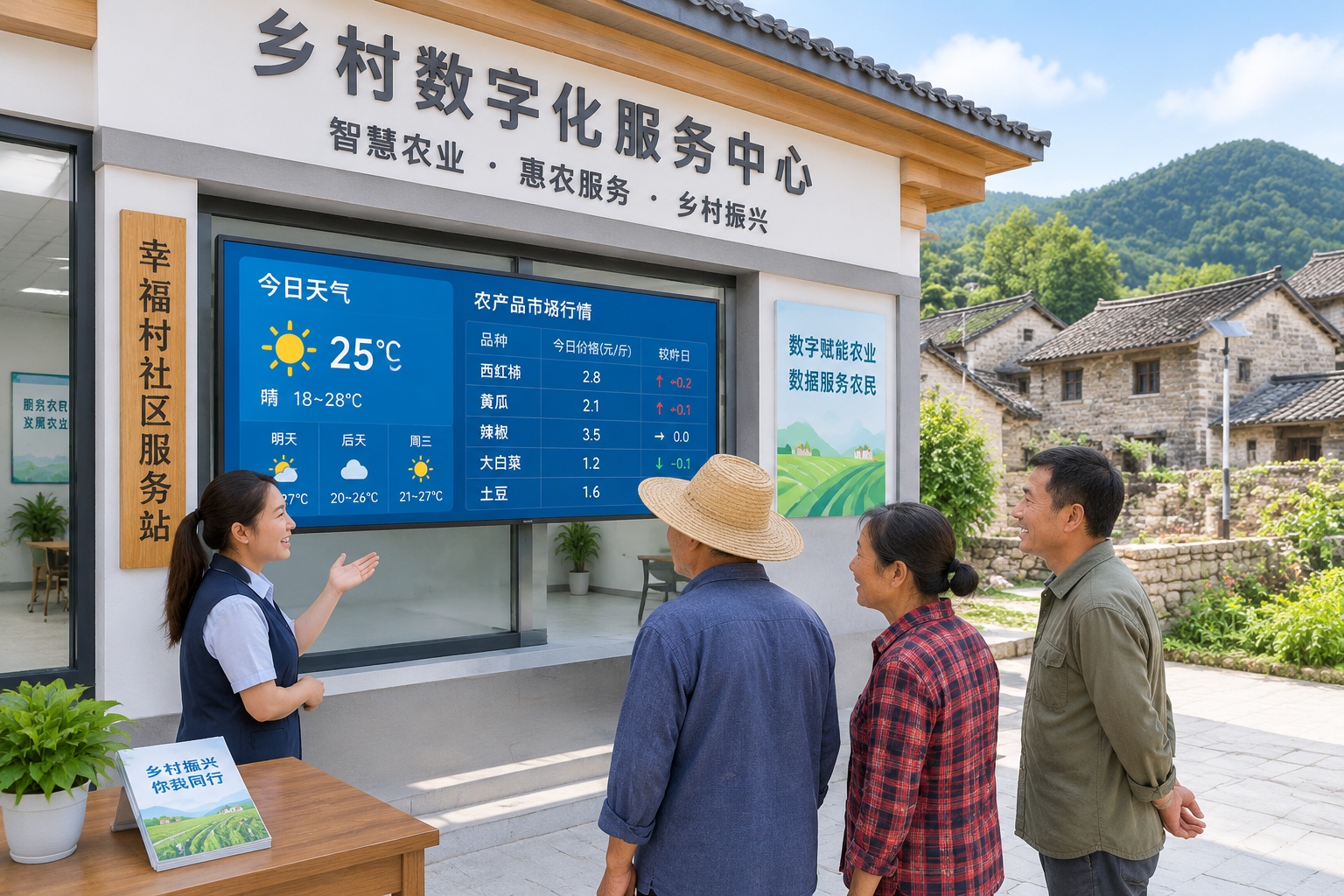
The integration of tech and tradition hasn’t happened without challenges. The village committee has been proactive in setting up a “Smart Agriculture Station,” where farmers can access shared drones, high-end soil testing equipment, and cloud-based market data without needing to buy everything individually.
There is also a strong community effort to preserve the human element. A local cooperative enforces strict rules: any tea sold as “Longjing” must pass both a sensory evaluation by master roasters and a digital traceability scan that records every step from picking to packaging. This hybrid model ensures that while efficiency increases, the authenticity of the product remains uncompromised.
Real Life on the Ground
Walking through Longjing today feels like stepping into a future that respects its past. You might see an elderly farmer using a tablet to check weather forecasts alongside his grandson, or a group of young graduates in tech wear helping neighbors set up automated irrigation systems.
The balance is delicate. Farmers know that if they rely too much on automation, the unique character of Longjing tea—its specific aroma and taste profile shaped by generations of human care—could vanish. But without technology, they struggle to compete with mass-produced teas from other regions or to manage the increasing threats of climate change.
Li’s generation sees this not as a compromise, but as an evolution. “The tea is still made by hand,” he says, holding a fresh leaf. “But our hands are smarter now because they have better tools to protect it.”

What This Reveals About Modern China
The story of Longjing Village offers a microcosm of China’s broader development narrative. It is not a binary choice between old and new, but a pragmatic fusion where technology serves to amplify tradition rather than erase it.
For global consumers, this means access to authentic products with transparent supply chains. For the world watching China’s rural transformation, it shows that modernization does not require abandoning heritage. In Longjing, the future of tea is being written on the hills, one high-tech sensor and one hand-roasted leaf at a time.
Start the discussion at forum.chinacomes.com