

Stepping Off the Bus: Not What You Expect
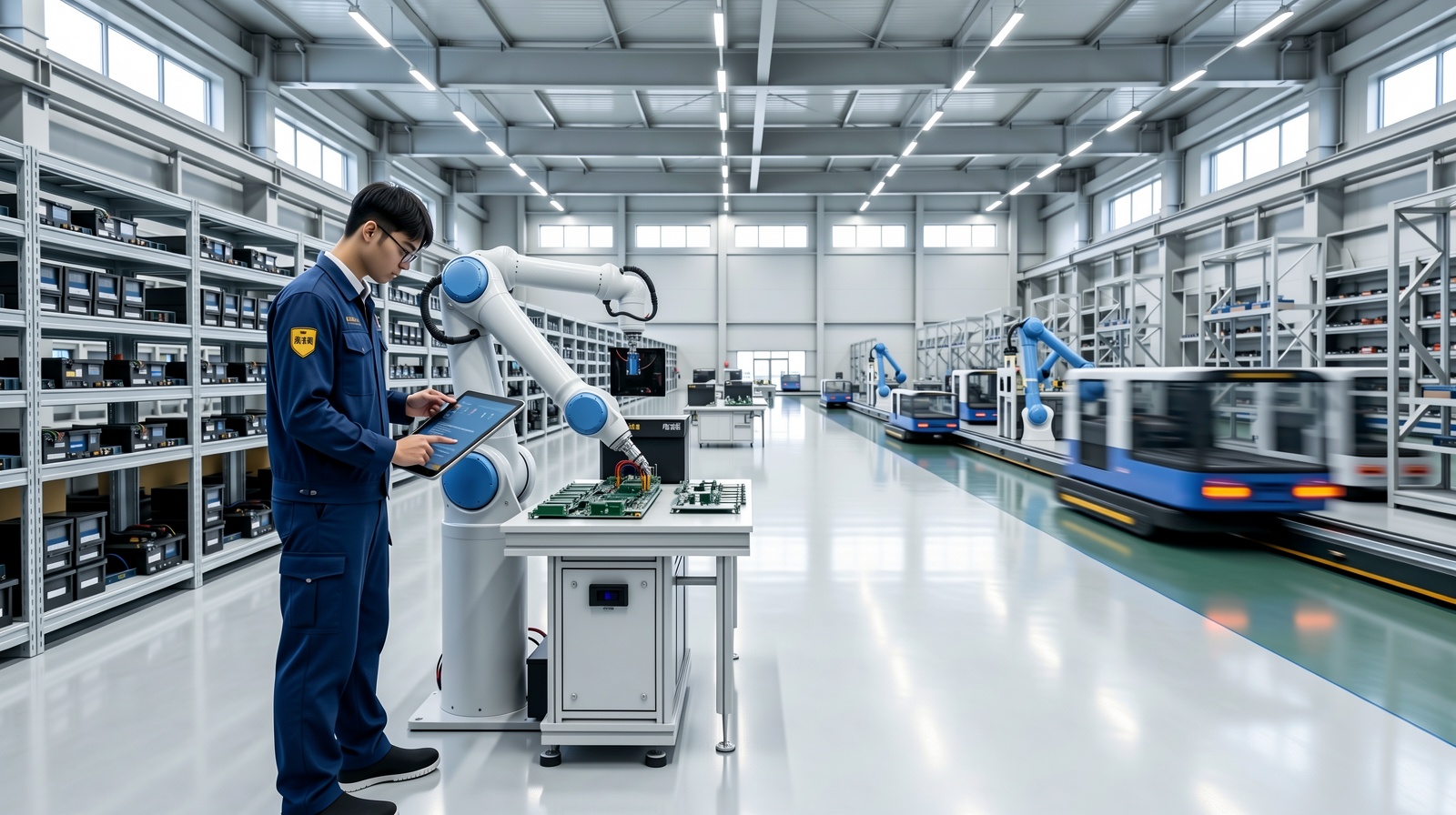
The air-conditioned terminal at the Shenzhen bus station felt less like a border checkpoint and more like an airport. But as I stepped into the industrial zone of Dongguan, expecting rows of sweating workers on conveyor belts, I found something else entirely. The first thing that struck me wasn’t the silence—it was the noise of high-speed machinery, but it sounded nothing like the rhythmic clanking of old factories.
This isn’t a relic of the past. It’s a glimpse into the future of manufacturing. While Western media often focuses on low wages or trade tariffs, they miss the real shift: China’s competitive edge has moved from “cheap” to “fast.” In these southern hubs, speed isn’t just a metric; it’s a culture.
The Human-Machine Dance
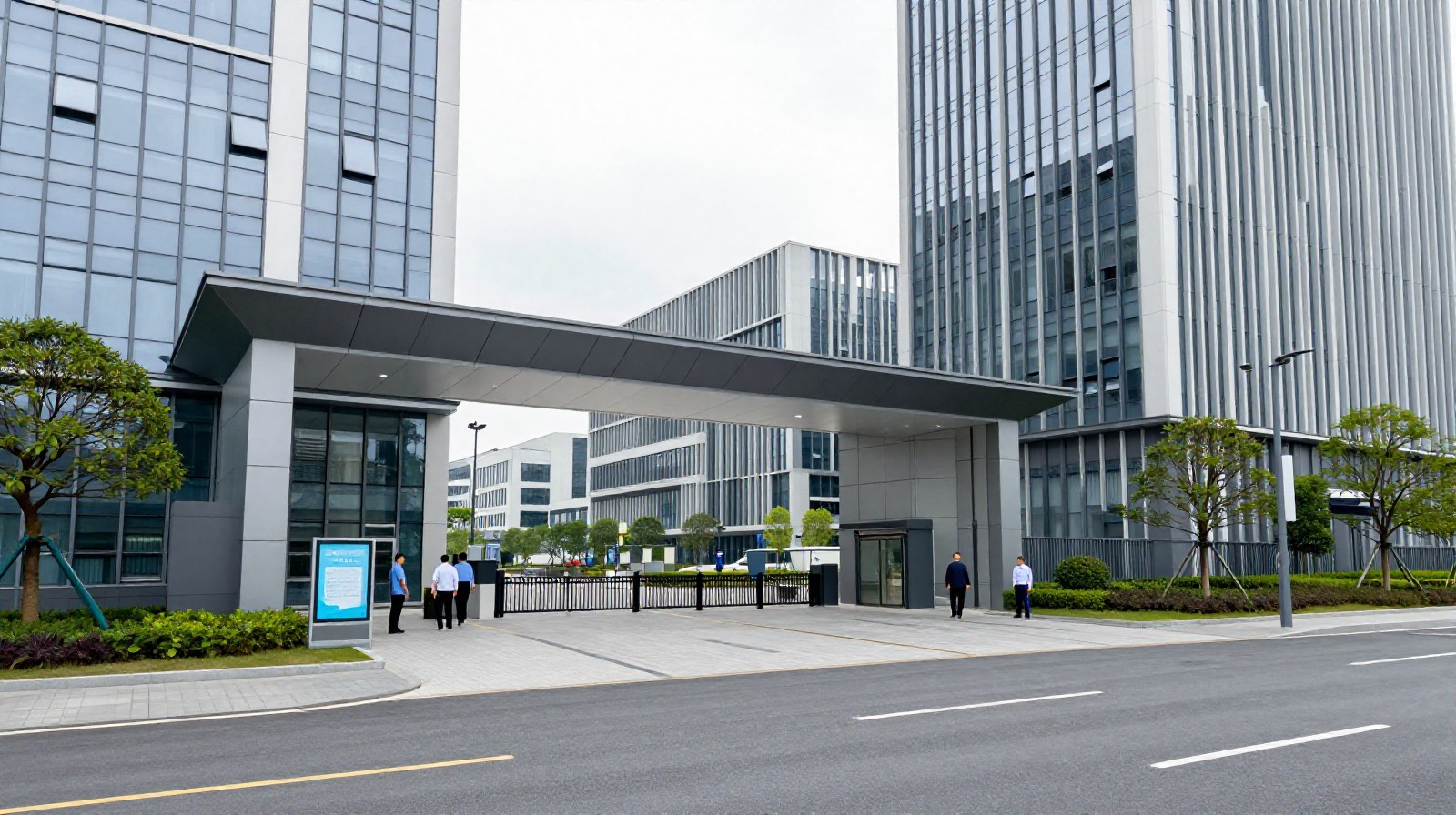
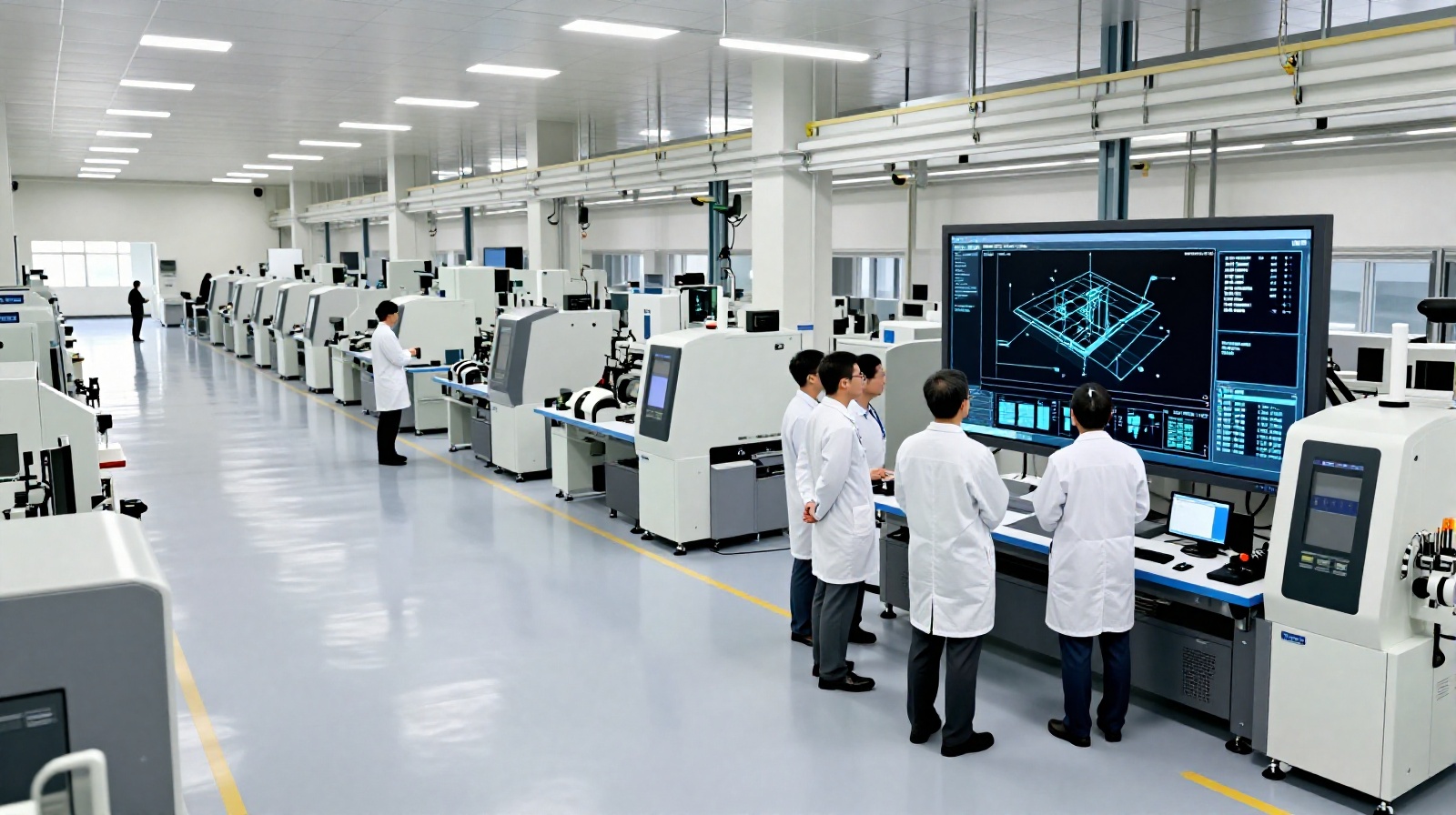
I walked past a robotic arm assembling circuit boards. It didn’t move with the jerky precision of early automation; it flowed like a dancer. A young technician, Li Wei, 24, stood beside it, not hammering metal but monitoring a tablet screen. “I don’t carry boxes anymore,” he told me, smiling. “My job is to teach the machine when to pause and optimize the flow.”
This is the reality of modern Chinese manufacturing: automation isn’t replacing humans; it’s elevating them. The factory floor is a hybrid environment where AI-driven logistics systems coordinate with skilled operators. In Shenzhen alone, there are over 100,000 industrial robots installed in factories—a number that has tripled in five years. But the robot count tells only half the story.
The real magic lies in the interface. Workers aren’t just pressing buttons; they’re interpreting data streams. When a sensor detects a micro-fracture in a component, the system alerts the human supervisor instantly, who adjusts parameters before a single defective unit rolls off the line. It’s a partnership that minimizes waste and maximizes speed.
Speed as a Culture
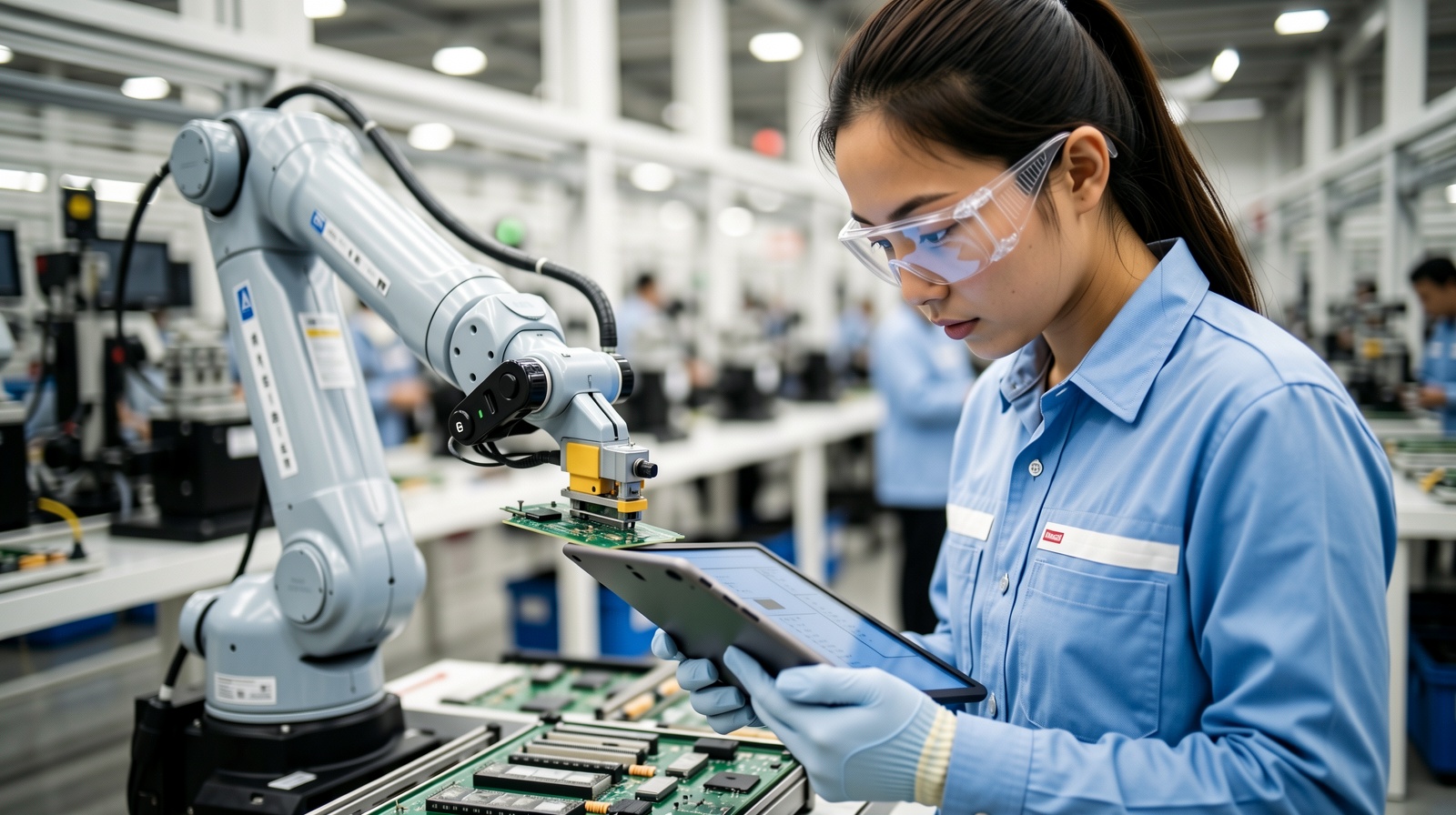
If efficiency is an emotion here, it’s urgency. I watched a raw material shipment arrive at 8:00 AM. By 10:30 AM, the parts were sorted by AI vision systems and placed on automated guided vehicles (AGVs). By noon, they were being assembled. By 2:00 PM, the finished products were packed and labeled for export.
How is this possible? It’s not magic; it’s a digital supply chain that operates like a living organism. In traditional factories, moving from design to production could take weeks of bureaucratic approval. Here, the entire process is digitized. Engineers upload 3D models directly to the factory floor, and robots adjust their tools in real-time based on the latest specifications.
This speed-to-market capability is what truly terrifies competitors. A Western company might spend six months developing a product prototype; here, a team can iterate, test, and refine a design in two weeks. The supply chain doesn’t just support production; it accelerates innovation. For global brands, this means that the time between “idea” and “shelf” has shrunk from years to months.
Beyond Cost Leadership
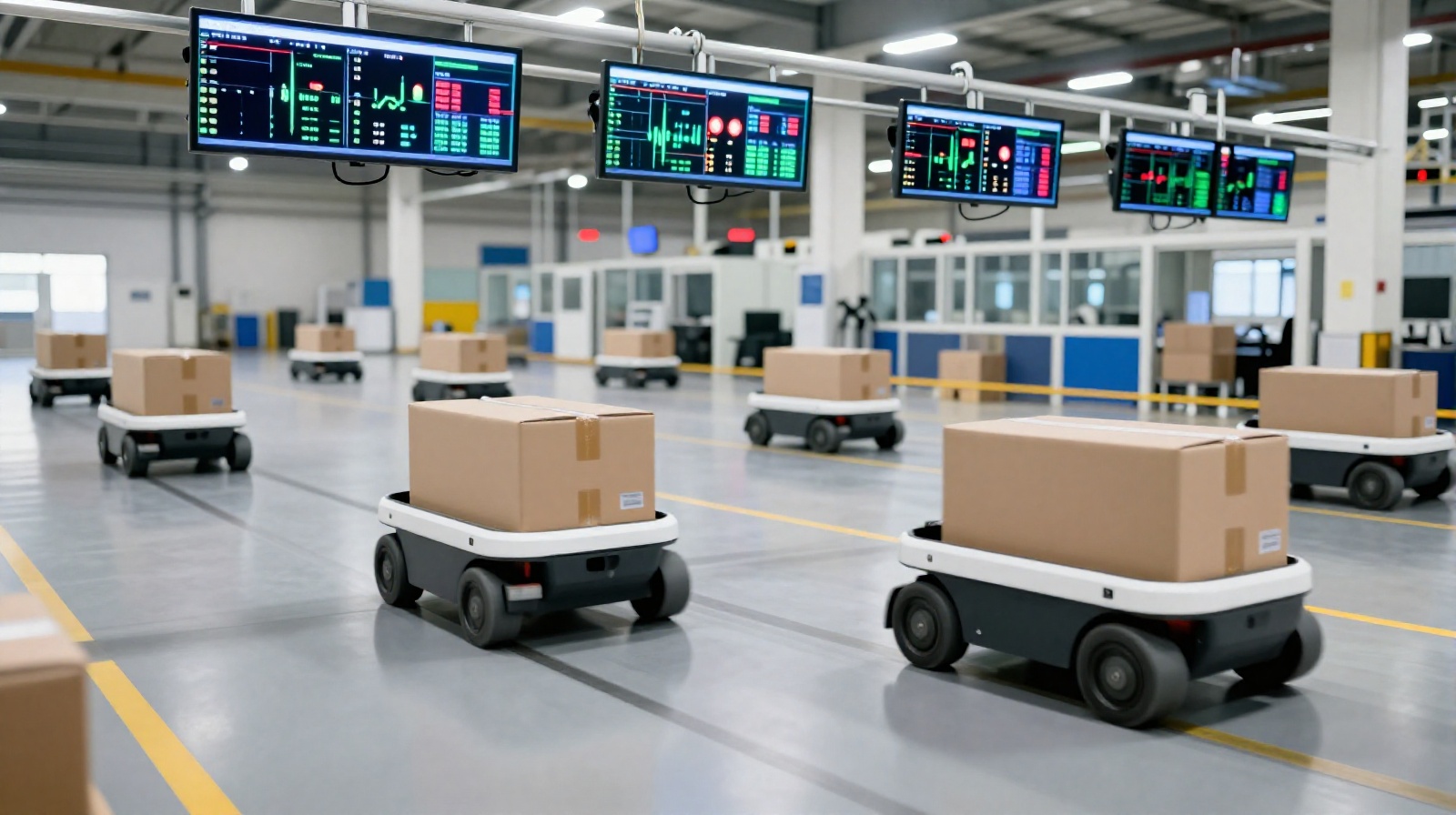
For decades, the narrative was simple: China made cheap goods because labor was cheap. That story is outdated. While wages in coastal cities like Shenzhen have risen significantly, efficiency gains have far outpaced them. A single worker in a modern factory can now produce what used to take ten workers in the 1990s.
The real advantage isn’t cost; it’s adaptability. If a client changes their mind about a product design at 5:00 PM, the production line can be reconfigured by midnight. In many Western factories, such a change would require weeks of rescheduling and retooling. Here, it’s just a software update.
This shift has profound implications for global trade. It means that “Made in China” no longer signifies low quality or slow delivery. It signals a manufacturing ecosystem capable of rapid response to complex demands. The world isn’t just buying cheap products; it’s buying speed, precision, and the ability to scale instantly.
The Worker’s Perspective
What does this mean for the people working here? Li Wei, the technician I met earlier, sees his role as a career launchpad, not a dead-end job. “I learned robotics coding in my spare time,” he said. “Now I’m leading a team of five robots. My salary is higher than my father’s was when he worked on an assembly line.”
Young engineers and technicians are flocking to these factories. They see them as high-tech hubs, not dirty workshops. The atmosphere is more like a lab than a factory floor. Air quality is monitored constantly, safety protocols are automated, and the work environment is clean enough that you could eat lunch on the line without worrying about dust.
This demographic shift is crucial. As China’s population ages, the need for highly skilled labor to manage complex automation systems grows. The factories of tomorrow aren’t built on back-breaking labor; they’re built on brain power and digital fluency.

The Future of Manufacturing
What does this mean for global consumers? It means that the products you buy are likely to be more innovative, delivered faster, and built with a level of precision that was previously unimaginable. The “Made in China” label is evolving from a symbol of cheapness to a badge of efficiency.
For manufacturers worldwide, the lesson is clear: competing on price alone is no longer enough. The new frontier is speed, adaptability, and the seamless integration of human skill with artificial intelligence. In southern Chinese factories, this future isn’t coming—it’s already here, humming quietly on the assembly line.