

The 45-Minute Commute That Changed Everything
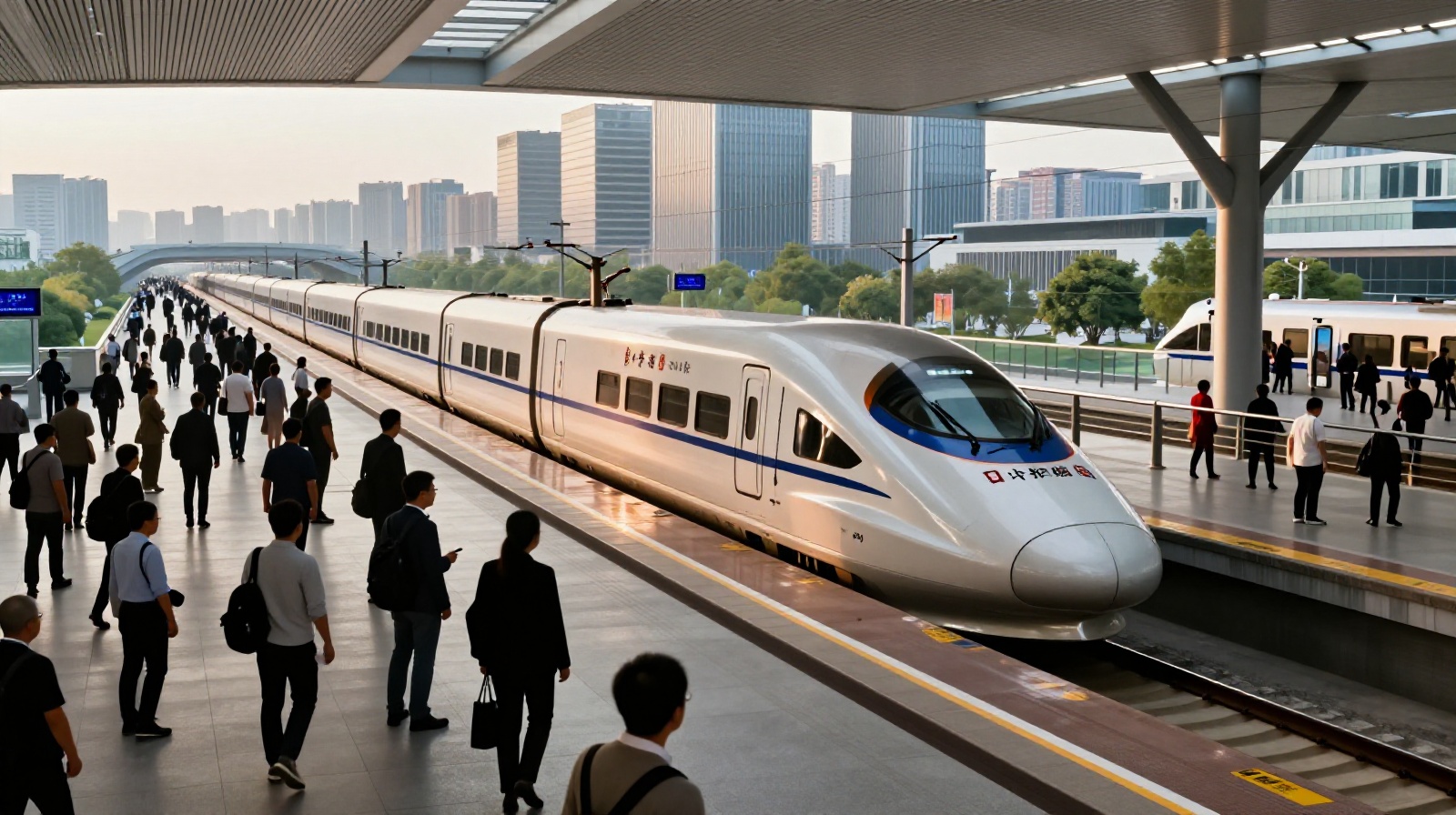
At 6:15 AM on a Tuesday, Li Wei stands at the platform of Suzhou Industrial Park station. He isn’t rushing to catch a bus in traffic or fighting for a seat on a crowded subway. Instead, he steps onto a sleek white train that will whisk him away from his suburban home to Shanghai’s bustling financial district in just 28 minutes.
Li is not a tourist taking the scenic route; he is an ordinary software engineer who has lived this reality for three years. Before the high-speed rail line opened fully in 2017, commuting between Suzhou and Shanghai was a nightmare of highway congestion or unreliable intercity trains taking two hours. Today, it feels like traveling between neighborhoods.
This phenomenon isn’t unique to Li. Across eastern China, a new urban model is emerging: the “Mobile City.” High-speed rail (HSR) has not just connected cities; it has stretched their physical boundaries, allowing people to live further out without sacrificing career opportunities or social life in the core metropolis.

From Geographic Distance to Time Distance
The magic of China’s HSR network lies in its density and speed. With over 45,000 kilometers of track by late 2023, it covers more than two-thirds of the country’s population centers.
For a long time, urban planning assumed that people must live close to where they work. If you wanted to work in Beijing or Shanghai, you needed an apartment within the city limits, driving up housing prices and forcing families into cramped spaces. HSR challenged this logic by turning “distance” into “time.”
Consider the concept of “Twin Cities” (同城化). In the Yangtze River Delta region, a worker in Kunshan can now commute to Shanghai for work as easily as someone commuting from downtown Beijing to Haidian District. The travel time is 25 minutes by train, compared to over an hour by car during rush hour.
This shift has real economic consequences. Housing prices in Suzhou are roughly half of those in Shanghai. By leveraging the rail link, workers gain access to Shanghai’s high salaries while paying suburban rent rates. It effectively doubles their purchasing power without requiring a raise.
Reshaping the Social Fabric
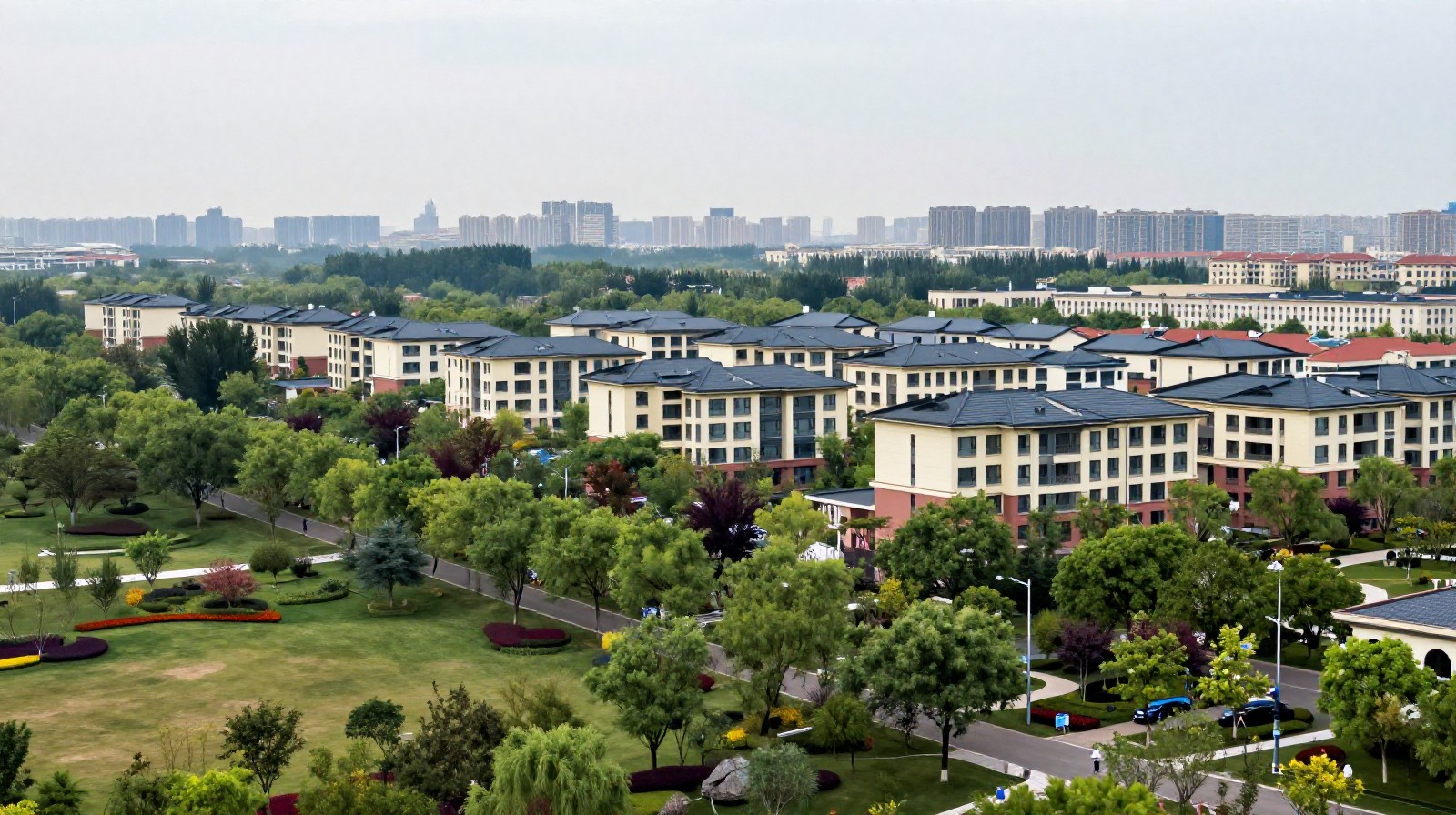
The impact goes beyond economics; it redefines social structures. The “9-to-5” work culture is being tested by this mobility. Many HSR commuters, like Li, live in quieter, greener environments with lower costs of living, while maintaining their professional networks in the city center.
However, this lifestyle isn’t without friction. The daily ritual of crossing city lines requires precise planning. Delays, though rare on HSR, can disrupt entire schedules. There is also the physical toll of spending 90 minutes a day in transit.
Yet, for many young families, the trade-off is worth it. They gain access to better schools and larger living spaces in their hometowns or satellite towns while keeping their high-paying jobs. This has led to a demographic shift where younger generations are less willing to migrate permanently to megacities if they can achieve the same income from afar.
The Future of Urban Living
As China continues to expand its rail network, the definition of a “city” is becoming fluid. We are seeing the rise of “commuter economies” where labor flows freely across administrative borders.
This model offers a glimpse into a future where technology solves urban overcrowding not by building more skyscrapers, but by making the distance between living and working disappear. For millions like Li Wei, the city is no longer a fixed location on a map; it is a mobile experience, accessible within a morning coffee break.