

The Steam Rising in -30°C Air
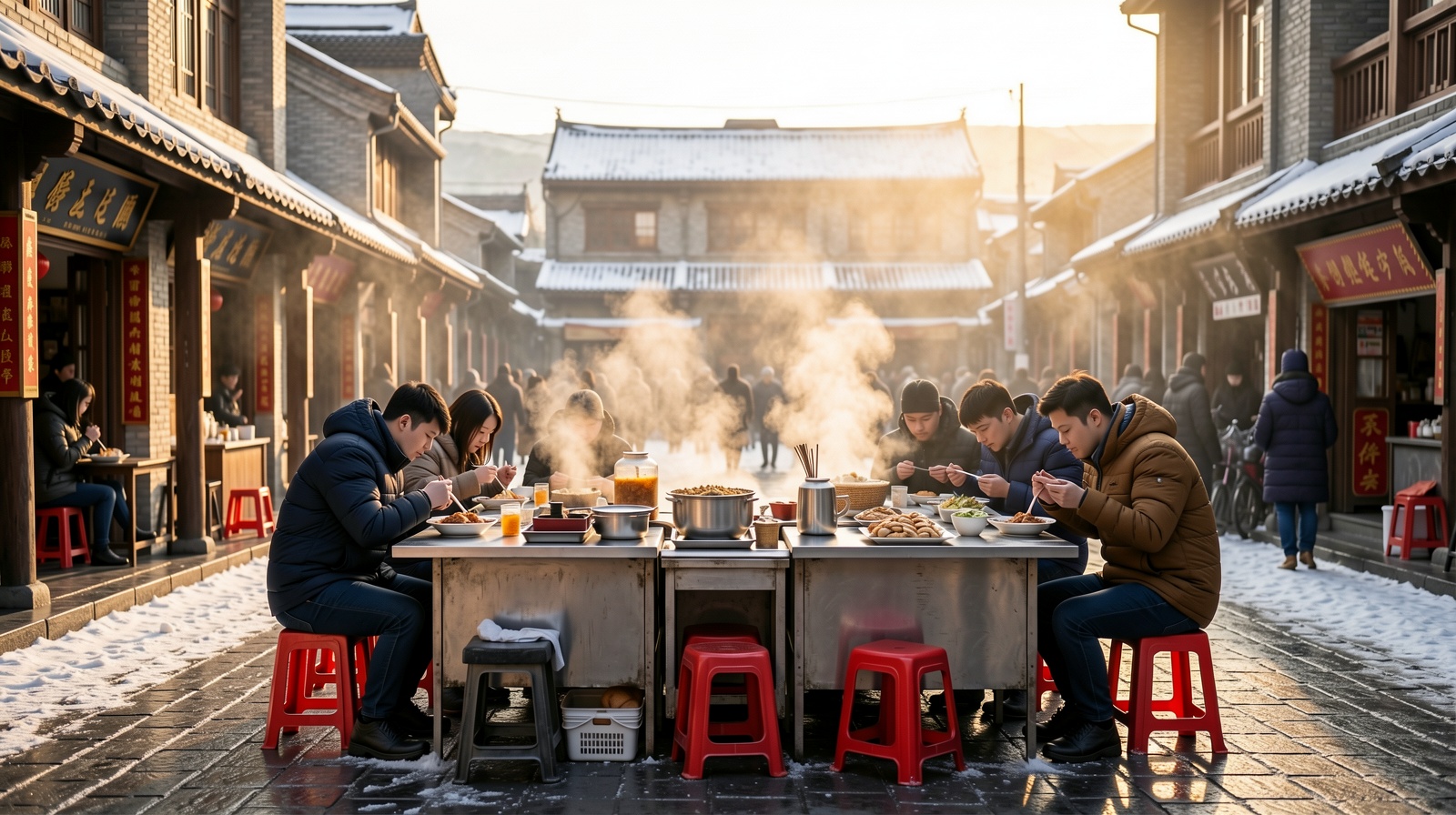
It is 6:30 AM. The temperature outside is -28°C, a biting cold that makes the air feel sharp enough to cut skin. In this small town in Heilongjiang province, northeast China, you wouldn’t expect a crowd at this hour. Yet, near the old railway station, steam rises from plastic tarps covering food stalls.
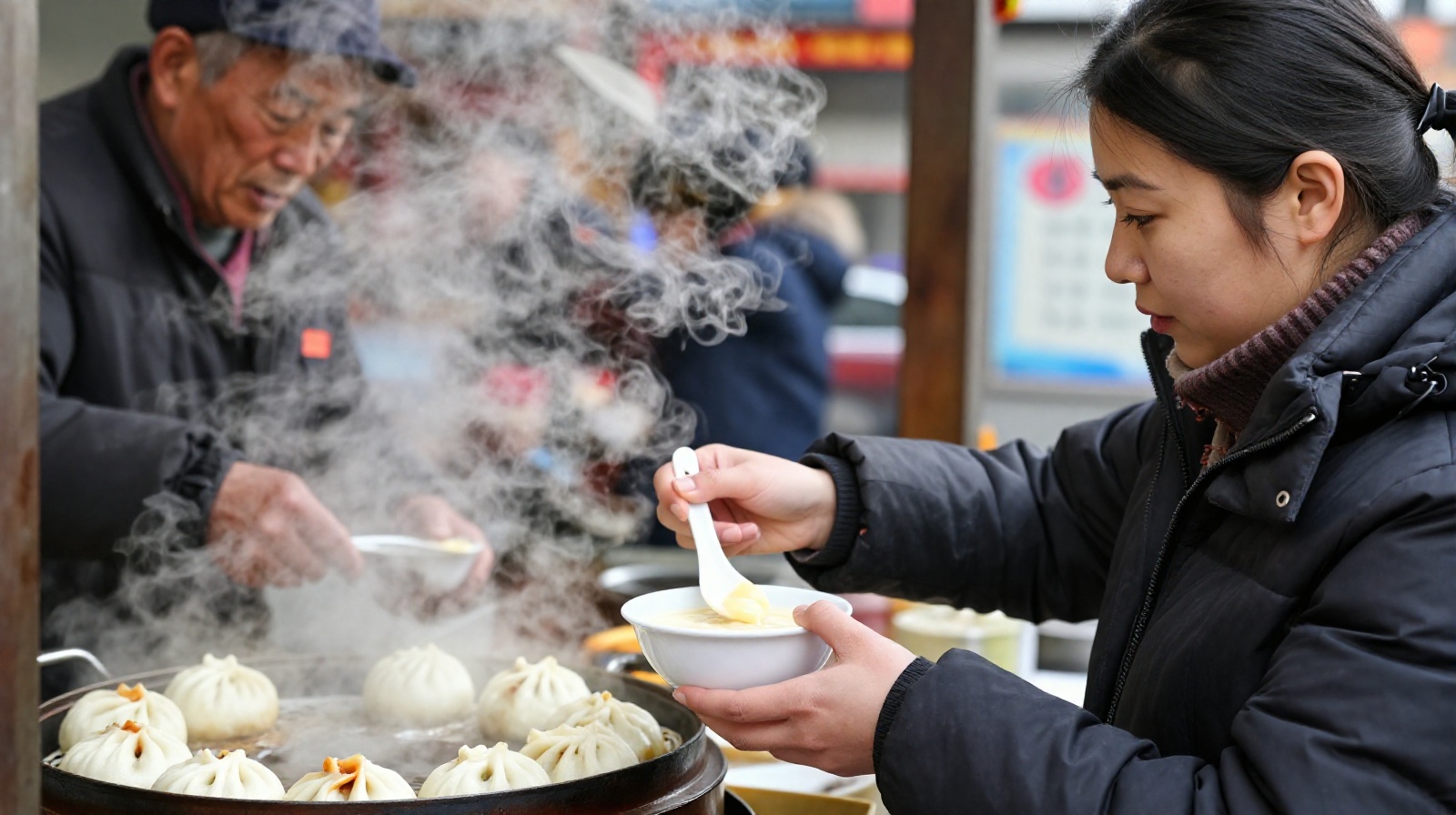
I watch a young woman in a thick down jacket order a “Baozi” (steamed bun) with pork and chives. She speaks to the vendor not like a customer, but like a neighbor she hasn’t seen in months. Her name is Lin. Two years ago, she was working long hours as a graphic designer in Shanghai, drowning in overtime and expensive rent. Today, she runs a small design studio from her parents’ living room.
This isn’t just about saving money. It’s about the smell of cooked dough mixing with the crisp winter air, and the sound of laughter that feels familiar again.
Why They Are Coming Back
For decades, the narrative in China was simple: leave your hometown to find a future. Young people flocked to megacities like Beijing and Shanghai. But recently, a quiet reversal has begun. This trend is particularly visible in smaller towns in Heilongjiang.
What changed? First, the rise of remote work. High-speed internet now reaches these small corners of China, allowing digital nomads to earn city salaries while living on provincial budgets. Second, the cost of living. A spacious apartment that costs $200 a month here would command thousands in Shanghai.
But perhaps most importantly, there is a shift in values. After years of witnessing burnout and isolation in big cities, many young Chinese are re-evaluating what “success” looks like. They want to be close to family, to breathe fresh air, and to have time for themselves. This is the human engine behind China’s rural revitalization.
The Menu: Old Flavors, New Twists
When Lin walks into her favorite breakfast spot, “Grandma Liu’s Corner,” she doesn’t just ask for soy milk anymore. She asks for a cold brew coffee with oat milk alongside her traditional fried dough stick (youtiao).
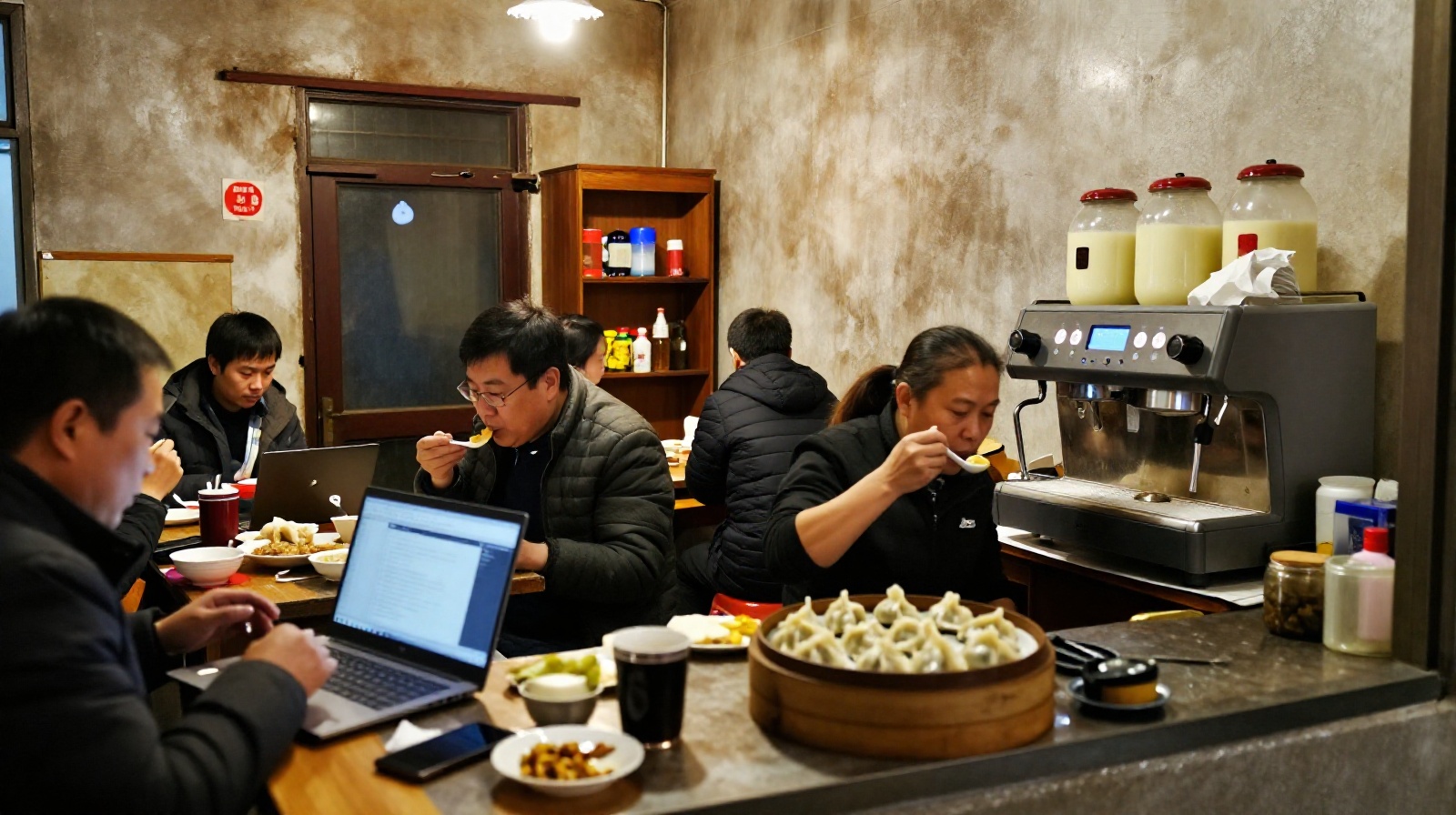
Liu, the owner who is 65 years old, used to be skeptical. “Coffee? In this weather?” she asked when Lin first suggested it. But now, Liu has installed a small espresso machine in the back corner of her stall.
The breakfast scene here has become a fascinating blend. You will find young people sitting on plastic stools, eating hot, spicy cold noodles (a local specialty) while scrolling through TikTok and working on laptops. The food is familiar—dumplings, tofu pudding, grilled corn—but the company and the context have changed.
There is a specific nostalgia in these snacks. For Lin, eating a “Bing” (flatbread) reminds her of childhood summers spent at her grandmother’s house. But now, she adds a modern twist: she orders it with a side of artisanal cheese or a fruit salad that wasn’t available twenty years ago.
A Village That Wakes Up
These changes are not isolated to breakfast shops. They ripple through the whole town. The coffee shop next door, which used to be a closed hardware store, now buzzes with people holding lattes and discussing freelance projects.
I spoke to Chen, a former software engineer who returned from Shenzhen last year. He runs a small e-commerce warehouse that ships local specialty grains to big cities. “We are not just consuming anymore,” he told me over his morning coffee. “We are producing. We are selling our culture back to the world.”
This economic shift is subtle but powerful. The demand for high-quality, authentic local food has created new jobs. Young people who once would have left now stay to manage these small businesses.
More Than Just Food
The story of Heilongjiang’s breakfast is a story about the search for balance. In the West, we often hear about “quiet quitting” or the “great resignation.” Here, it looks different. It looks like a young woman choosing to live in a town where she knows everyone, where the winters are harsh but the community is warm.
It challenges the stereotype that China’s development is only about high-speed trains and futuristic skylines. Real change happens in these small towns, in the steam rising from street food stalls, and in the decisions of young people who choose to stay home.
A New Kind of Morning
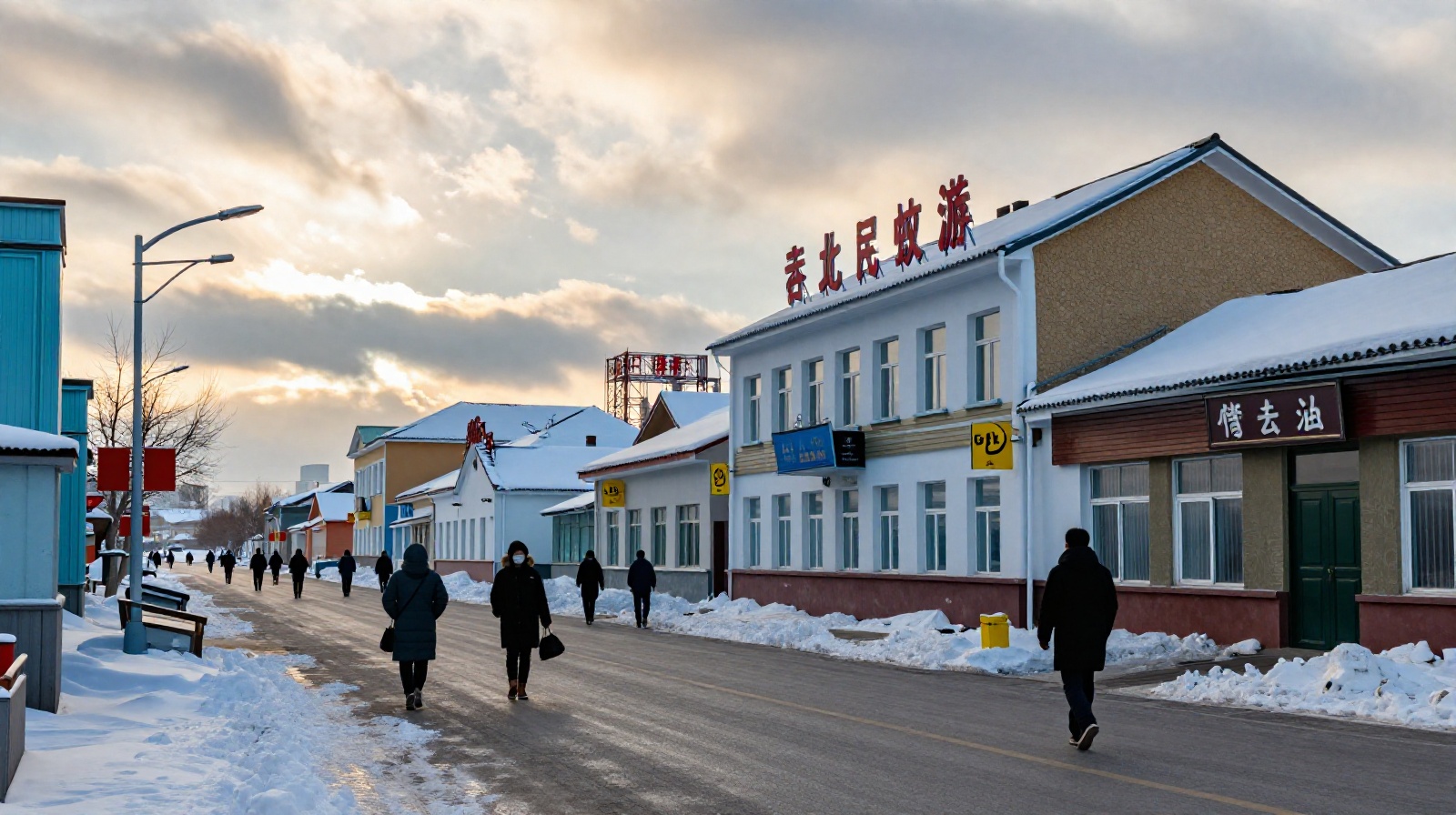
As I leave the stall, the sun finally breaks through the grey sky. Lin waves goodbye, already typing on her phone while taking a bite of her breakfast. The cold air feels less biting now.
This is China today: not just a giant machine of industry, but a place where individuals are finding their own rhythms. For these young returnees, the future isn’t somewhere far away; it’s right here, in the warmth of a shared meal and the promise of a morning that belongs to them.