
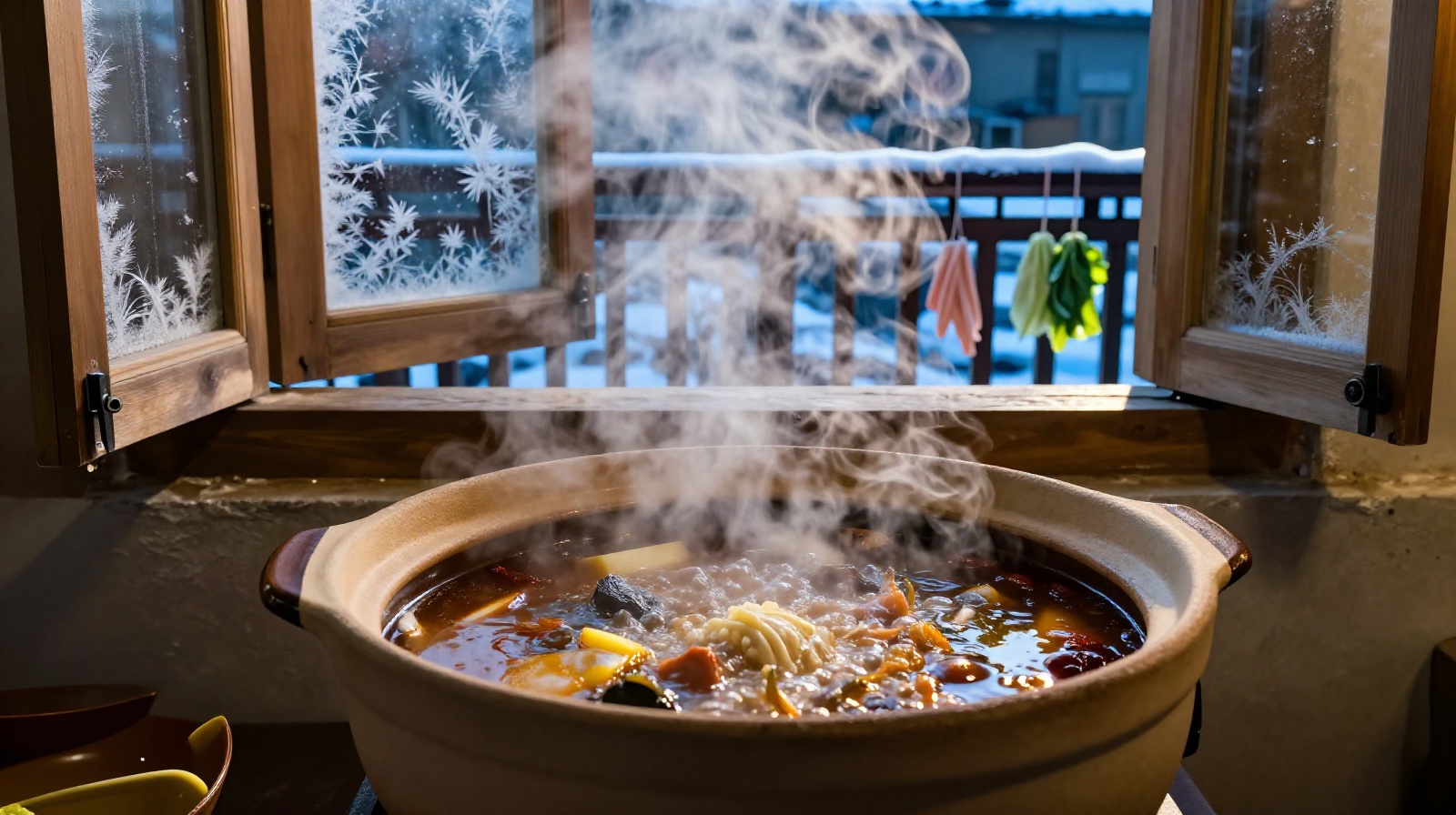

The Reality of -30°C Winters
Imagine walking outside with a cup of hot coffee. Within thirty seconds, the steam freezes in mid-air before it even reaches your lips. The metal handle of your phone is too cold to hold. This isn’t a movie scene; it’s Tuesday morning in Harbin, the capital of Heilongjiang province, China’s northernmost region.
For outsiders, winter here often means frozen vegetables hanging on balconies and ice sculptures. But for locals, it means one thing: gathering around heat. When the sun sets at 4 PM and doesn’t rise until 8 AM, the only place that feels truly like home is a kitchen filled with steam.
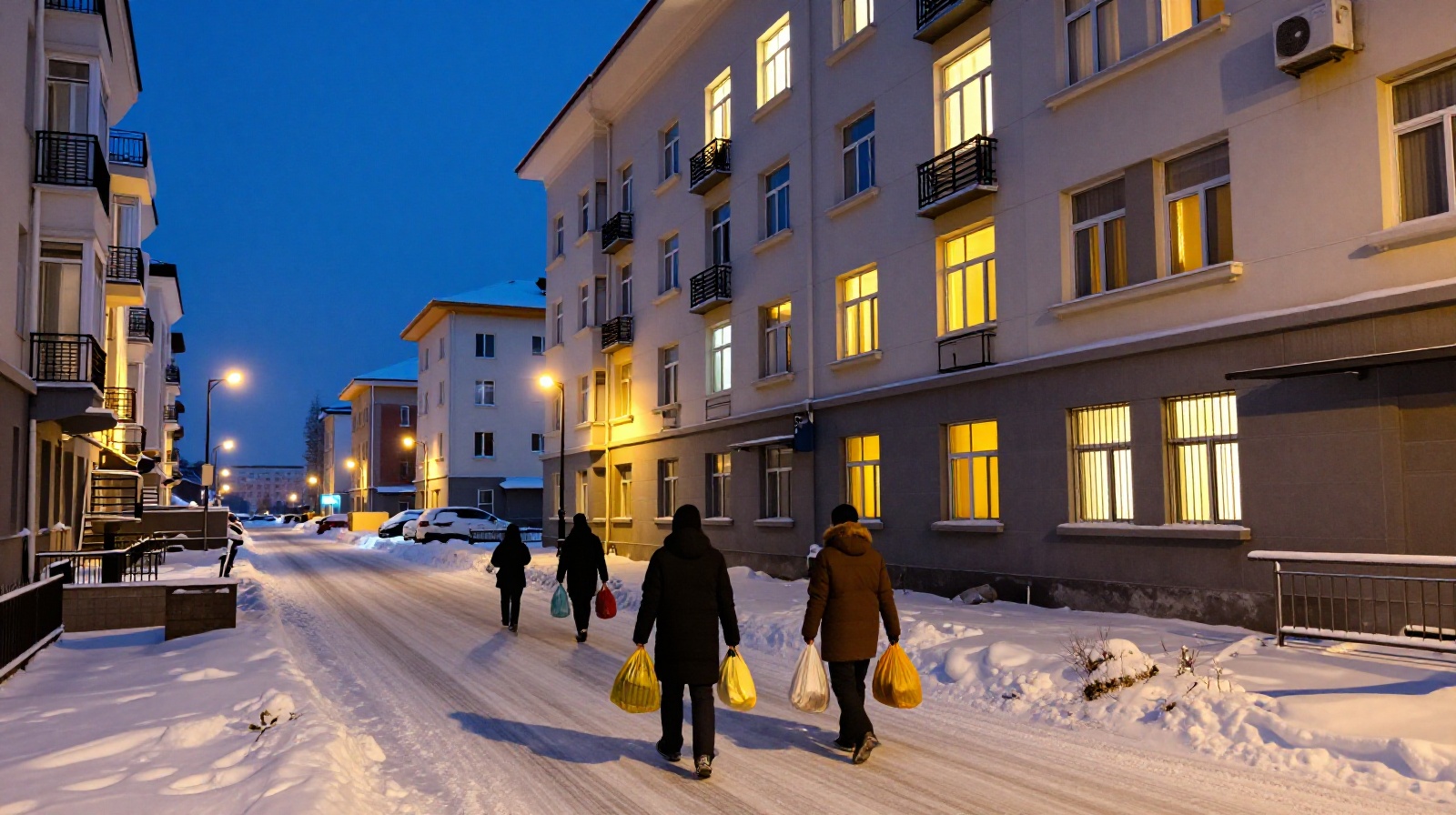
The Myth vs. Reality of ‘Luan Dun’
If you ask a western visitor to translate Luan Dun, they might say “chaotic stew” or even “leftovers.” This is the first mistake. Luan means chaotic, yes, but in this context, it describes freedom, not mess.
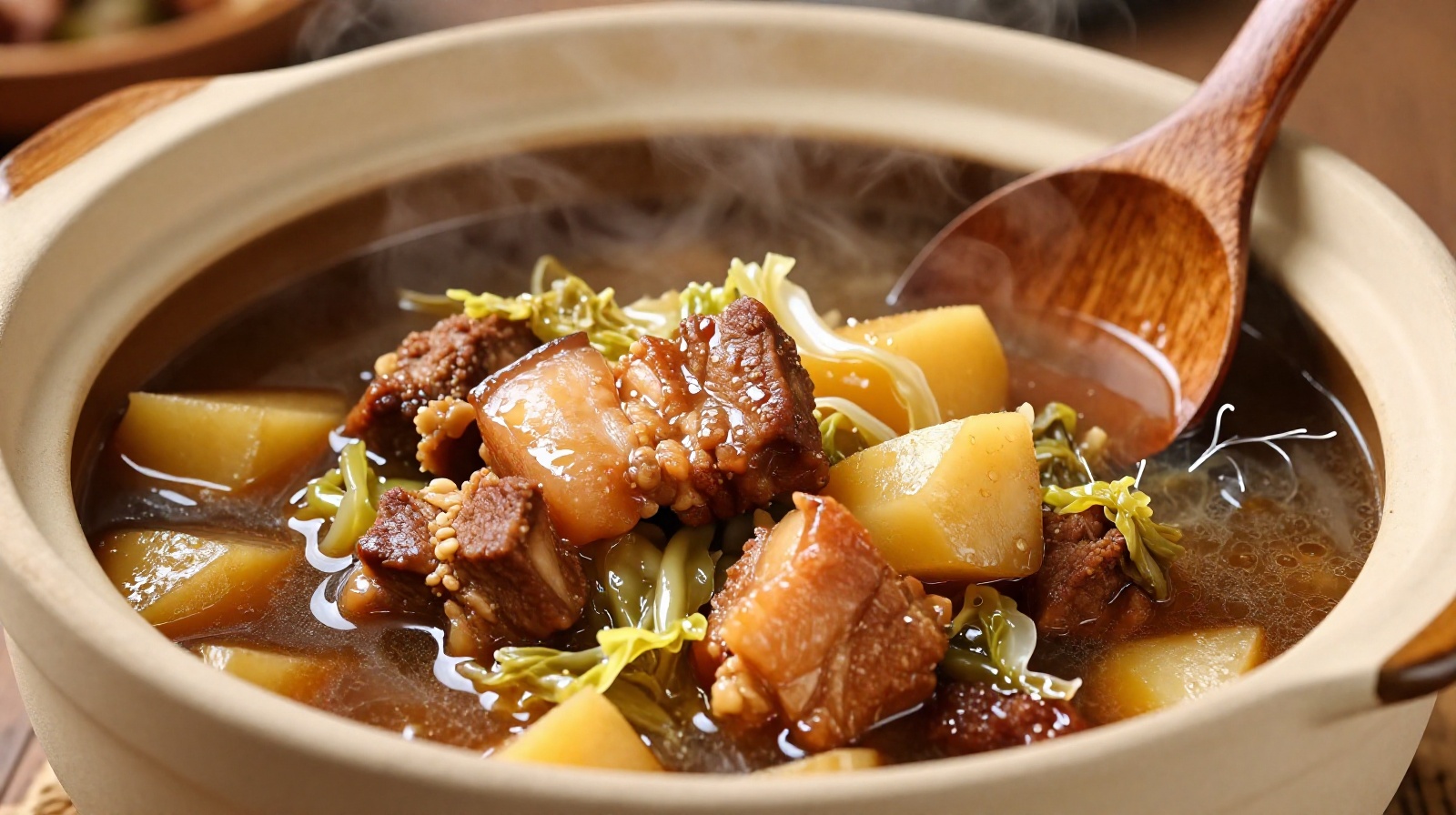
In a typical Heilongjiang kitchen during deep winter, there is no strict recipe. The cook looks at what survived the freeze: potatoes, pickled cabbage, pork belly, mushrooms, and maybe some spicy sausages (lap cheong). They throw everything into a large clay pot over high heat. Ten minutes later, the aroma hits you—savory, smoky, and deeply comforting.
This isn’t about using up old food. It’s about alchemy. The intense cold outdoors makes the ingredients behave differently. The pork fat renders slowly, coating the potatoes in a rich glaze. The pickled cabbage releases its tangy juices, cutting through the heaviness of the meat. It is a dish born from necessity that evolved into a culinary art form.
From Farm to Table: Winter’s Harvest
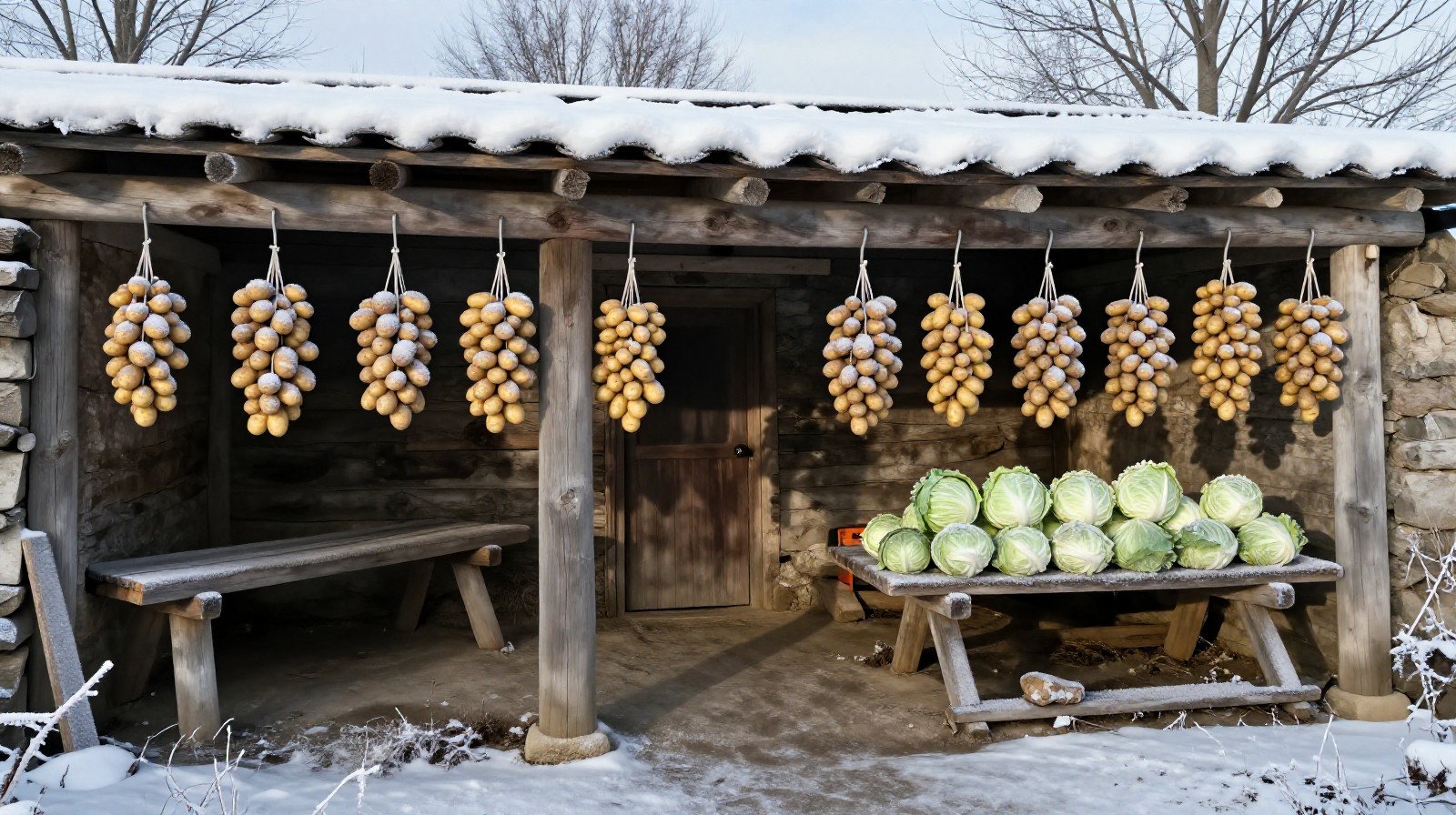
You might wonder how vegetables survive months without fresh produce in such freezing conditions. The secret lies in nature’s own refrigerator.
In autumn, families harvest massive quantities of potatoes and cabbage. These are stored in underground cellars or simply left outside on the balcony, where they freeze solid. By winter, these “frozen veggies” have undergone a chemical change. The freezing process breaks down the cell walls, making the texture softer and sweeter once thawed and cooked.
For Heilongjiang residents, eating fresh produce in January isn’t about luxury; it’s about tradition. They don’t throw away the frost; they cook with it. This seasonal cycle creates a unique flavor profile that cannot be replicated in supermarkets year-round.
A Social Ritual: The Pot as the Center of Life
In many cultures, food is eaten to fill the stomach. In Heilongjiang, this stew is eaten to connect people.
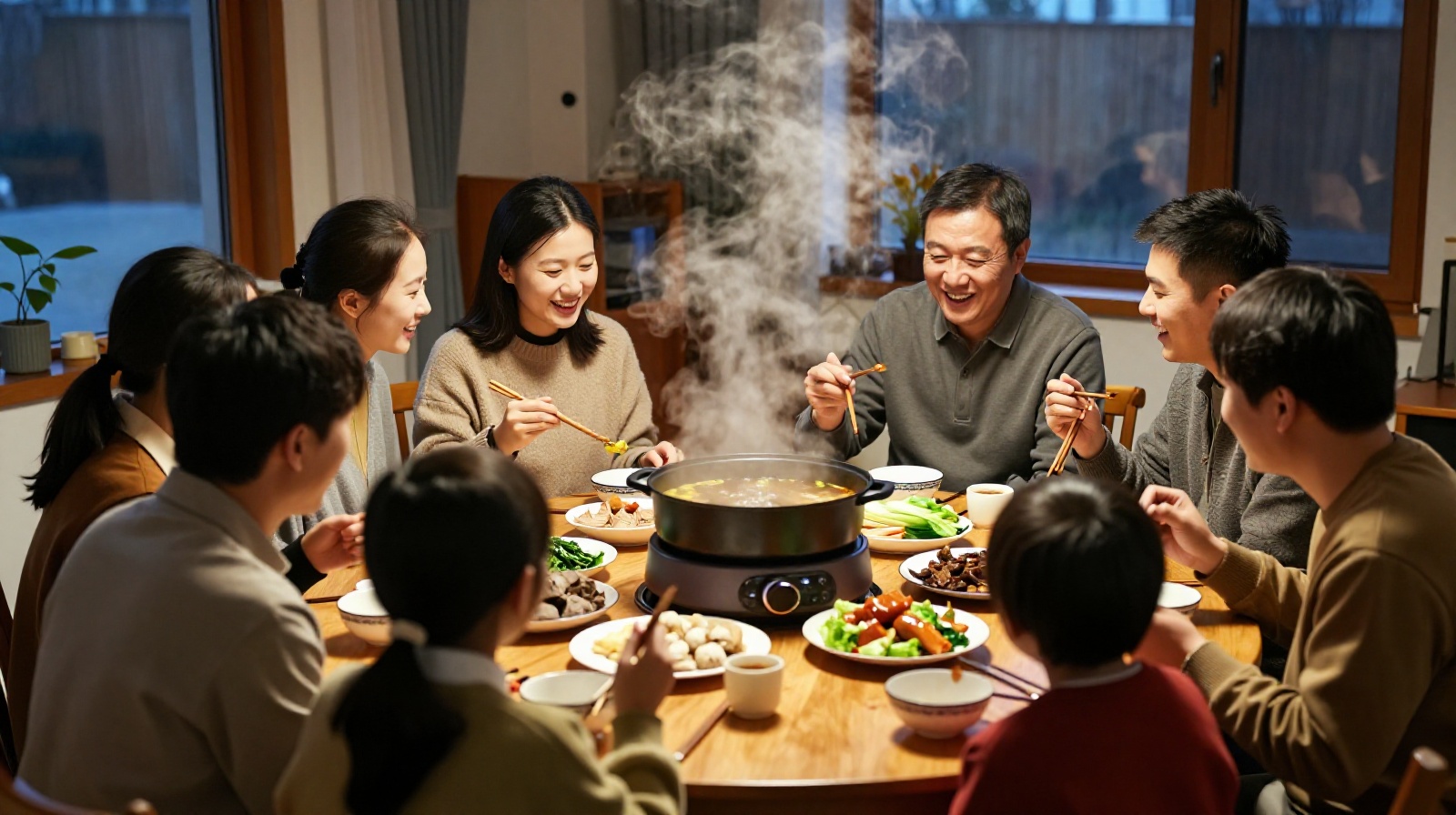
During long winter evenings, families gather around a small charcoal brazier or an electric hot pot. A large clay pot sits in the middle, bubbling constantly. Everyone eats directly from it, using shared spoons. There are no individual plates. This style of dining breaks down social barriers and emphasizes community.
It is also a time for storytelling. While the stew simmers, elders share stories about past harvests or local history. The steam fogs up the windows, creating a private world where the -30°C cold outside feels miles away. For young workers returning from cities like Beijing or Shanghai, this meal is the most tangible link to their roots.
Modern Twists: Adapting Tradition
You might think such a traditional dish would fade as China modernizes. But in Heilongjiang, it’s evolving rather than disappearing.
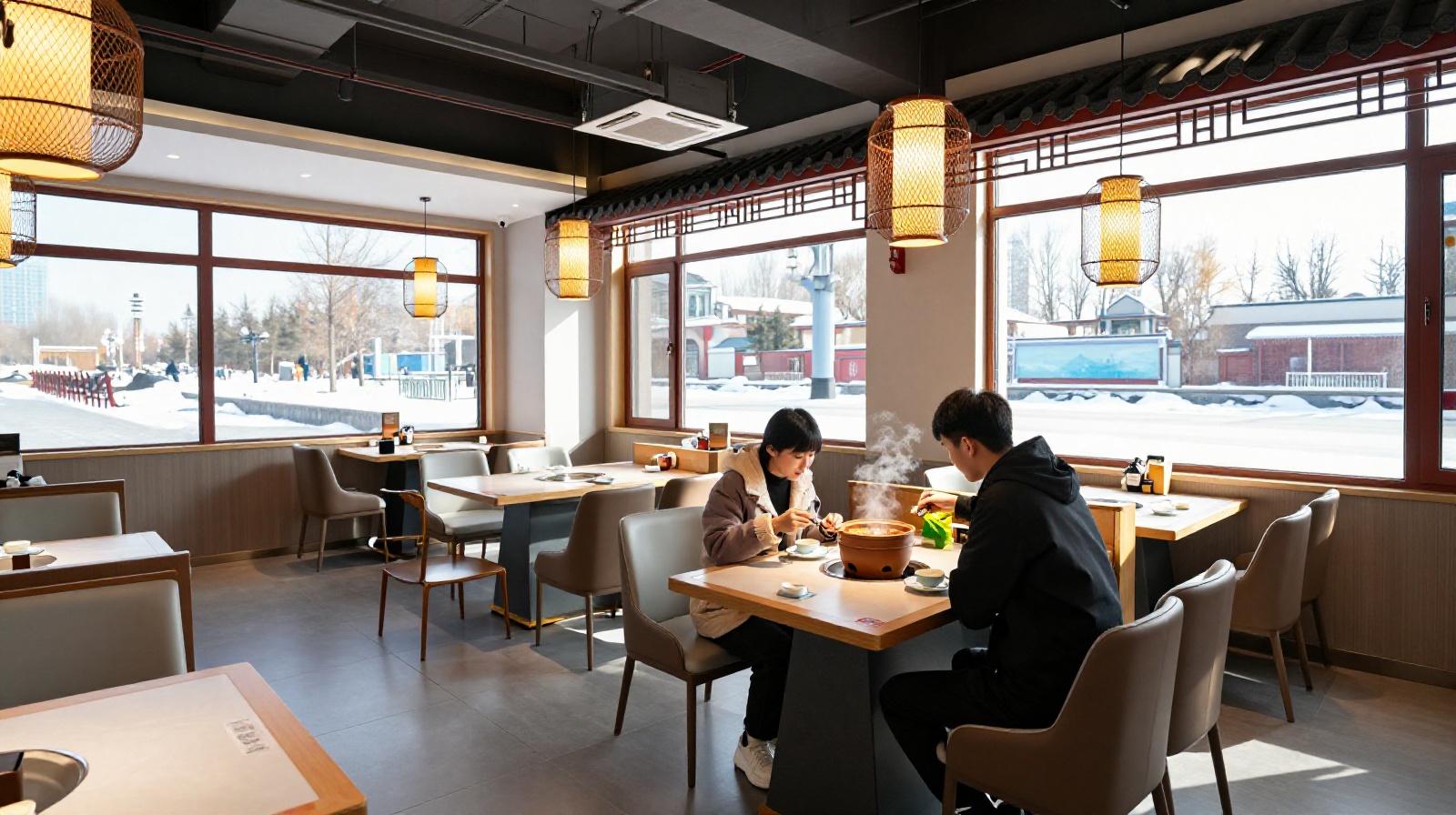
Younger generations are reimagining Luan Dun. You can now find versions with imported ingredients or lighter broths tailored to health-conscious diners. Some restaurants serve mini-pots for single servings, perfect for quick lunches in busy office districts. Others have turned the dish into a gourmet experience, pairing it with local craft beers instead of just rice wine.
Even in high-rise apartments in downtown Harbin, the tradition survives. Residents still freeze their own vegetables on balconies or buy them from street vendors who sell frozen bundles wrapped in plastic. The method changes, but the purpose remains: to create warmth where there is none.
What This Dish Teaches Us
Understanding Luan Dun offers a window into the Chinese character of resilience. It teaches us that comfort isn’t just about luxury; it’s about making the best of what you have.
In a world facing climate challenges and economic uncertainty, the Heilongjiang approach is powerful. They don’t fight the cold; they embrace it. They take the harshest conditions—the freezing temperatures, the long nights—and turn them into something that feeds the body and the soul.
Next time you see frozen vegetables in a winter market, remember: they aren’t just leftovers waiting to be thrown away. In northern China, they are the secret ingredients for survival and happiness.