

Beyond the View: A New Reality in Guizhou
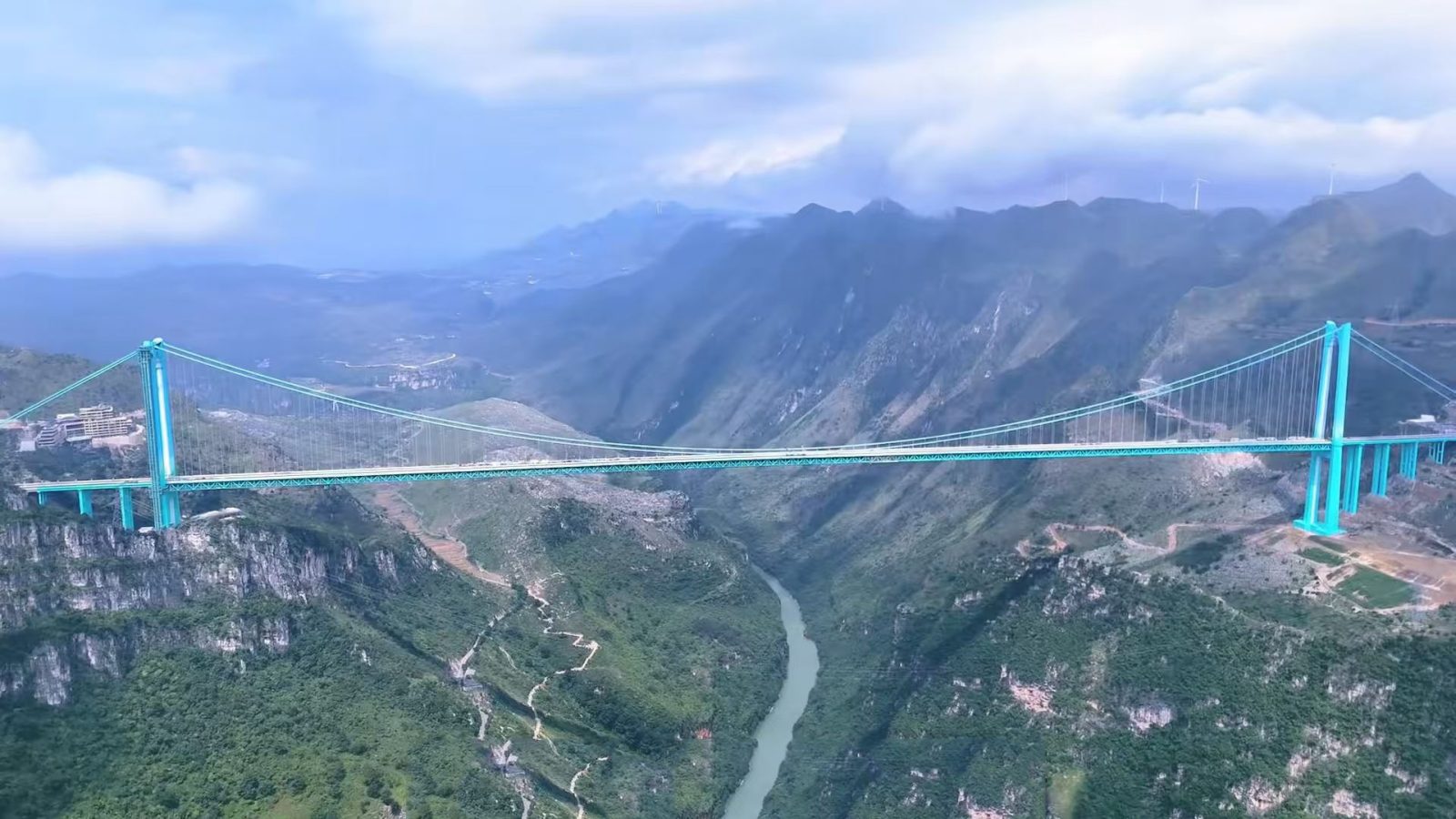
The wind at this altitude is thin and cold, carrying the scent of damp pine needles from the canyon floor far below. I stand on the observation deck of the Huajiang Canyon Bridge, looking down into a green abyss that stretches for kilometers. There is no sound of traffic here yet, just the hum of the wind passing through the steel cables. This is not just a tourist photo opportunity; it is a piece of infrastructure that has fundamentally altered the geography of Guizhou Province.
Just weeks ago, crossing this canyon meant navigating a treacherous 10-kilometer detour down into the valley and back up again. That journey took over an hour in a car. Today, at 625 meters above the riverbed, the Huajiang Canyon Bridge spans 1,420 meters in a single arc. It holds the record as the world’s highest bridge deck. But for the people of this region, the “world record” title is secondary to what it actually does: it collapses distance.
The Human Cost of Distance
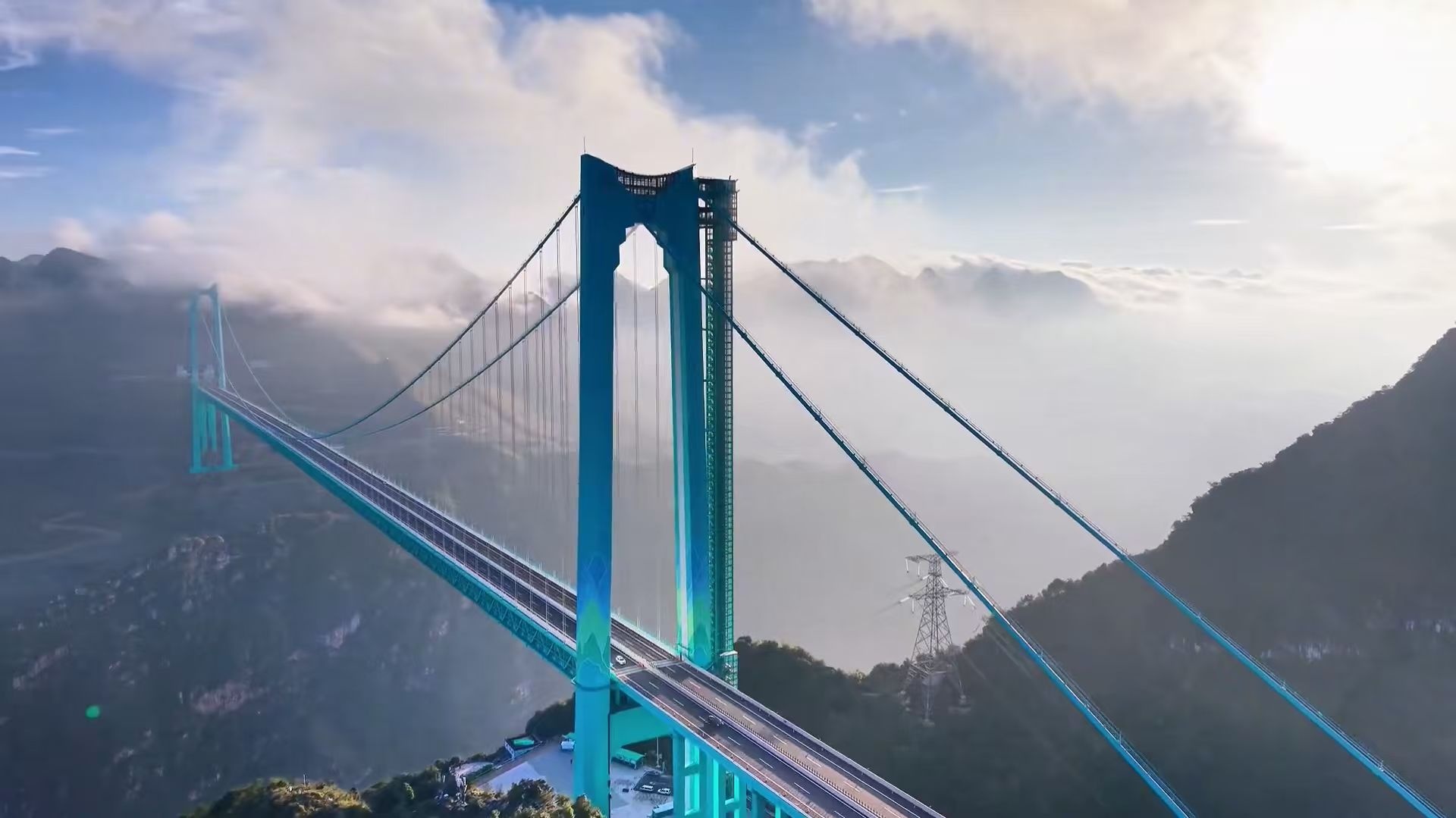
In the mountains of Guizhou, geography has always been a barrier. For generations, farmers in villages like those near the bridge have struggled to get their produce to market before it spoiled. A simple trip to the county seat could take half a day if the weather turned bad or the roads were muddy.
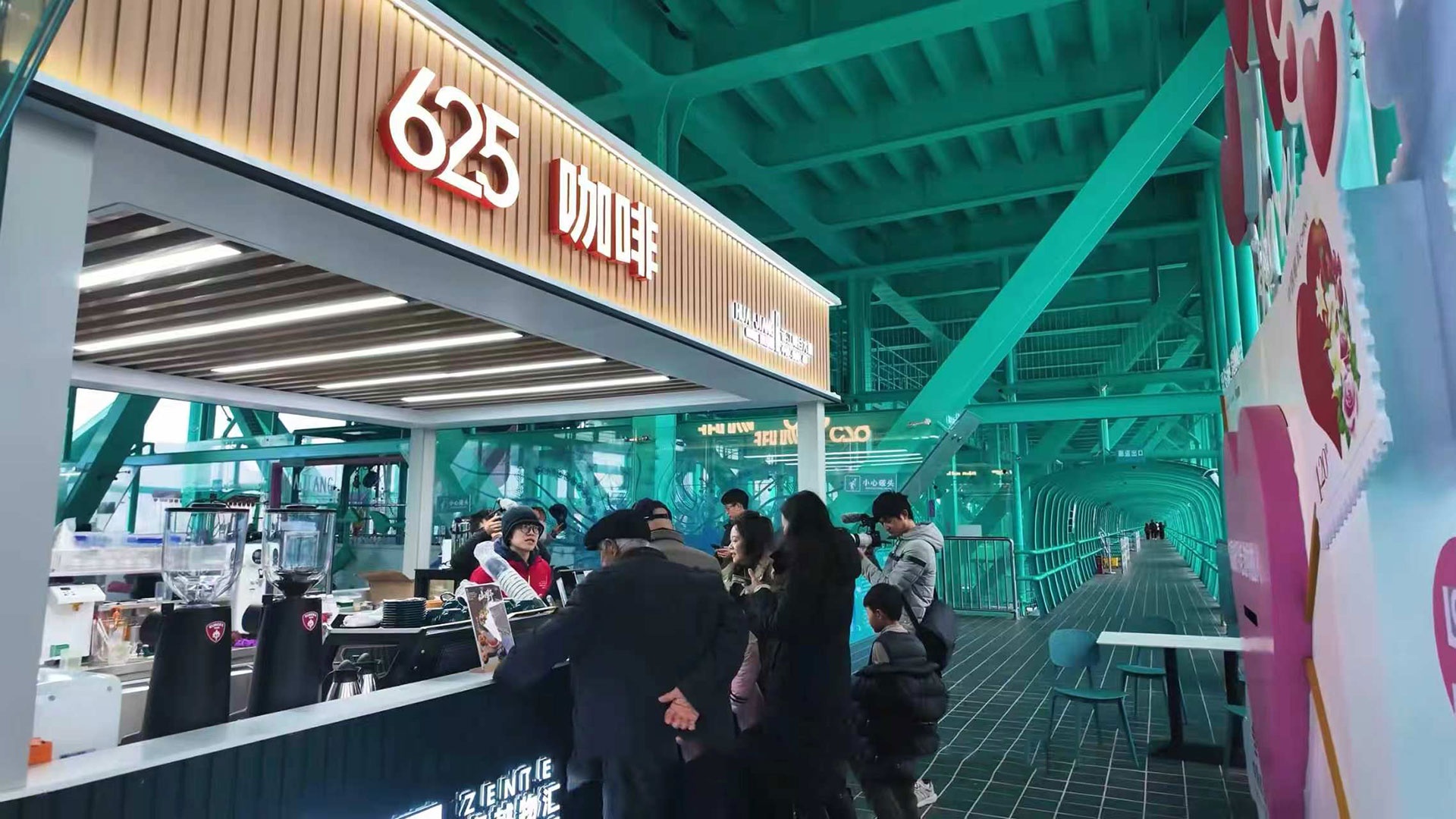
On the morning of my visit, I watched a local truck driver named Liu stop his vehicle at the new service area on the bridge. He wasn’t there for the view; he was refueling and grabbing lunch before heading back to the valley. “Before this bridge,” he told me, wiping sweat from his forehead despite the cool air, “I would lose two hours just turning around. Now I can make three trips a day where I used to make one.”
The bridge is not merely a concrete and steel structure; it is an economic lifeline. By connecting remote agricultural zones directly to major highways, it allows fresh vegetables, fruits, and even handicrafts from the mountains to reach urban centers in half the time. This reduction in travel time lowers costs and increases freshness, turning isolated pockets of productivity into integrated parts of a larger supply chain.
Engineering the Sky
The scale of the project is difficult to comprehend until you stand on it. The deck is suspended 625 meters above the ground, higher than most skyscrapers in China’s tier-1 cities. When a vehicle crosses at speed, the vibration is minimal, but the visual effect is disorienting. Through the glass railings of the service area, you can see the clouds drifting through your peripheral vision.
This level of engineering required overcoming some of the most challenging geological conditions on Earth. The canyon walls are steep limestone cliffs, and the wind shear at this altitude is intense. Engineers had to design a deck that could withstand typhoon-level winds while remaining stable for heavy trucks carrying up to 55 tons.
What makes this bridge remarkable is not just its height, but how it integrates with the surrounding landscape. The approach roads curve gently into the mountainside, disappearing into tunnels before emerging at the bridge’s entrance. It feels less like a scar on the land and more like an extension of the mountain itself.
From Isolation to Integration
The impact extends beyond economics. For the younger generation in these villages, the bridge represents a new horizon. Before its completion, many young people left for cities because there was simply no way to stay connected or build a local business.
Now, with reliable transport, some are returning. They see opportunities in tourism, logistics, and e-commerce that were previously impossible. A small family-run restaurant on the bridge’s service area serves local specialties like spicy fish and fermented rice wine, drawing travelers who once would have skipped this stop entirely.
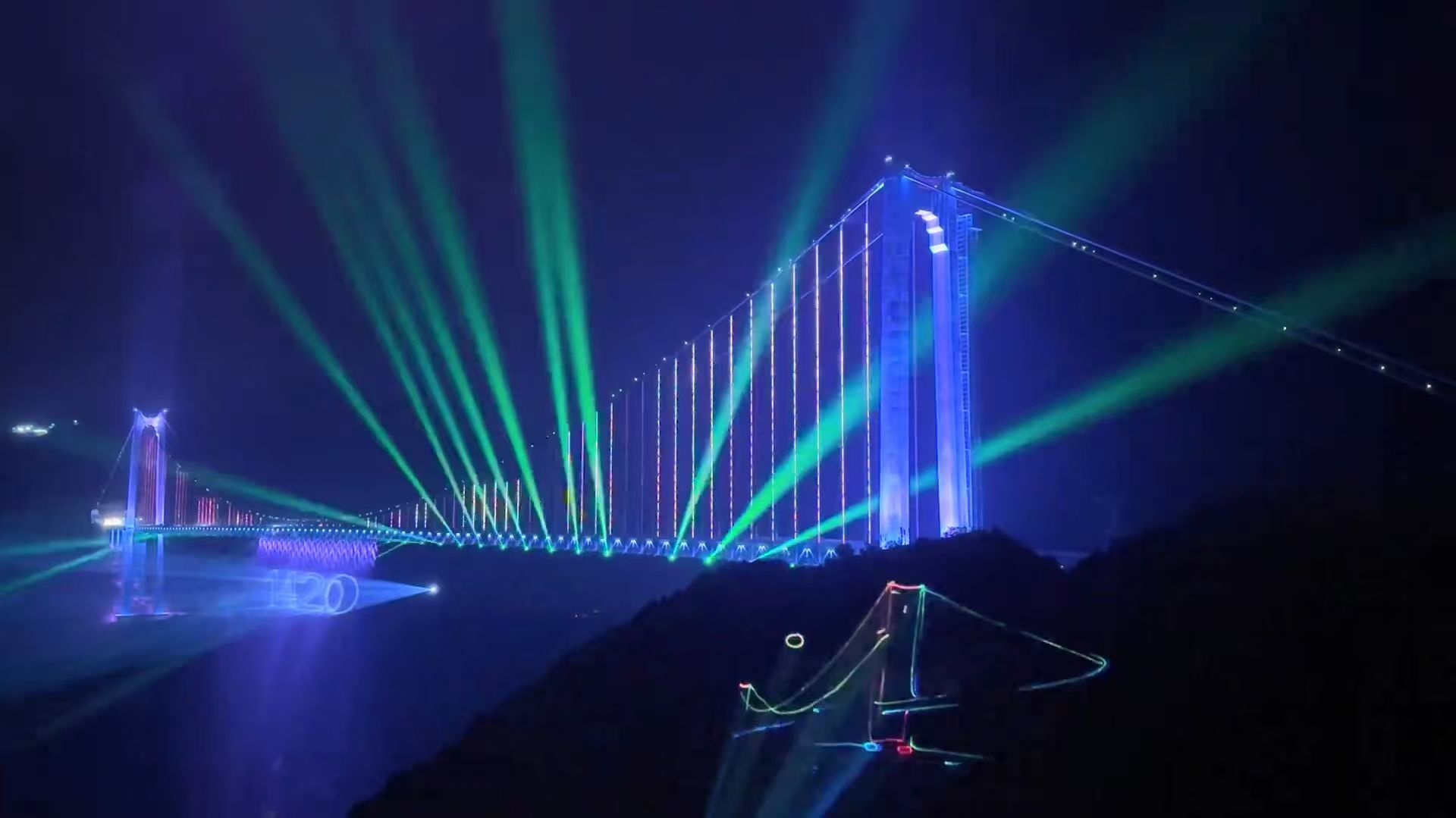
The sun begins to set behind the jagged peaks of the Wumeng Mountains. As the light fades, the bridge lights up in a soft white glow, a silver ribbon cutting through the twilight. The distance between the mountains has not changed, but the time it takes to cross them has. In this new reality, the vastness of Guizhou feels less like a barrier and more like a connected network.