

It Starts with Your Phone
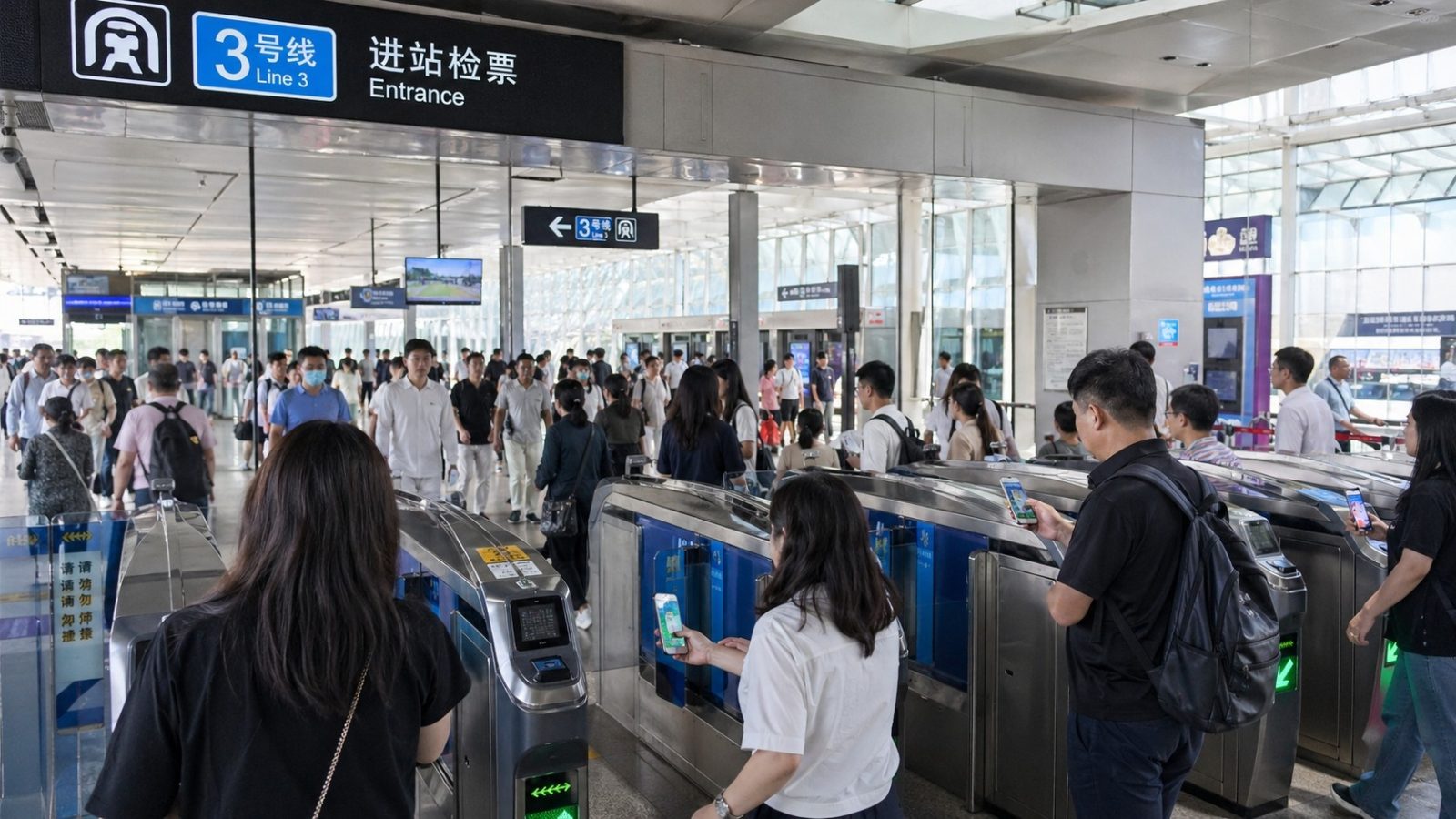
If you’ve ever stepped off a plane in New York or London, you know the ritual: buy a token at a kiosk, find the right turnstile, and hope the machine doesn’t eat your dollar. In most major Chinese cities—Beijing, Shanghai, Shenzhen, Chengdu—the entire system runs on a different logic. It is faster, quieter, and almost entirely cashless.
The single most important thing to understand about public transport in China today is this: your smartphone is your key. Whether you are taking the subway, riding a bus, or hopping on a shared bicycle, everything revolves around scanning a QR code. It feels like magic if you aren’t prepared for it, but once you get the hang of it, it’s incredibly freeing.
The Subway: Efficiency in Motion
China’s urban rail networks are among the most extensive and punctual in the world. The Beijing subway alone carries millions of passengers daily. For a first-time visitor, however, the sheer scale can be intimidating. Here is how to navigate it without panic.
The QR Code Ritual
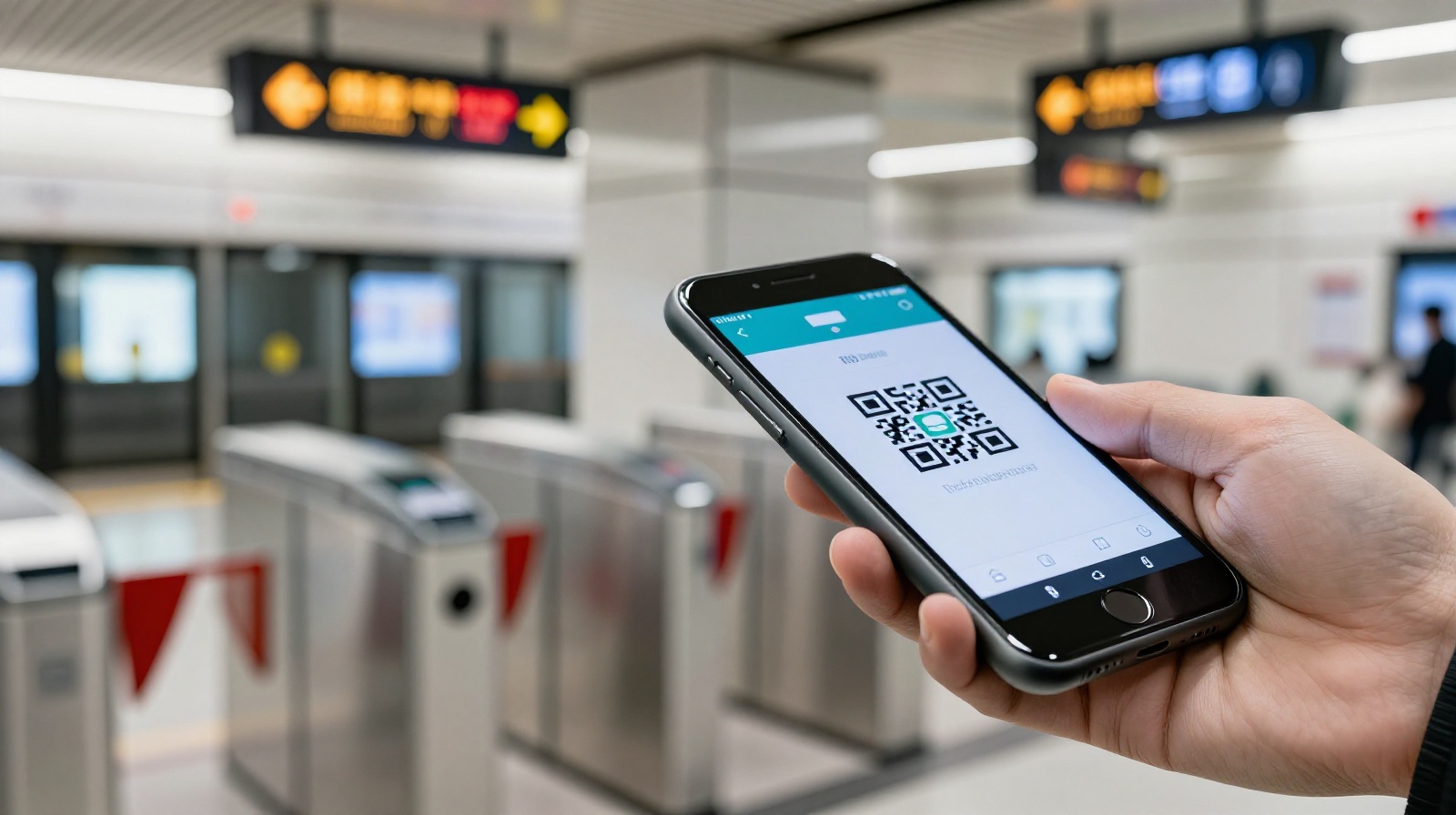
You do not need to buy a physical ticket or top up a card at the station. Instead, download a transit app before you arrive—Alipay and WeChat are the two dominant platforms—or use your city’s official subway app (such as Beijing Subway or Shanghai Metro). Inside these apps, there is a “Transport” or “Metro Ride” section. It will generate a dynamic QR code that refreshes every minute.
At the station entrance, look for the gates marked with green arrows. Scan your phone screen against the reader. The gate beeps, and you are in. When you exit at your destination, scan again to pay the fare based on distance traveled. It takes about three seconds per entry and exit.
Reading the Map
Metro maps in China are color-coded by line, not by direction (north/south). Each line has a distinct color—Line 1 is red, Line 2 is blue, etc.—and station names appear in both Chinese characters and Pinyin (the Romanized spelling of Chinese sounds).
Download an offline map or use a navigation app like Baidu Maps or Amap. These apps are surprisingly accurate for travelers who don’t read Chinese; they will tell you which car to board for the easiest transfer and even warn you if there is congestion on a specific line.
A Note on Rush Hour
During peak hours (8:00–9:30 AM and 5:30–7:00 PM), trains can become incredibly crowded, especially in Beijing and Shanghai. It is not unusual to be pressed against the door by a sea of commuters. Do not panic; people are generally polite and will help you squeeze through. If possible, try to travel outside these hours.
The Bus: The Local Pulse
While the subway is for speed, buses are for seeing the city. They are affordable, frequent, and offer a window into daily life. However, the rules can feel confusing at first because they differ significantly from Western systems.
Boarding Rules
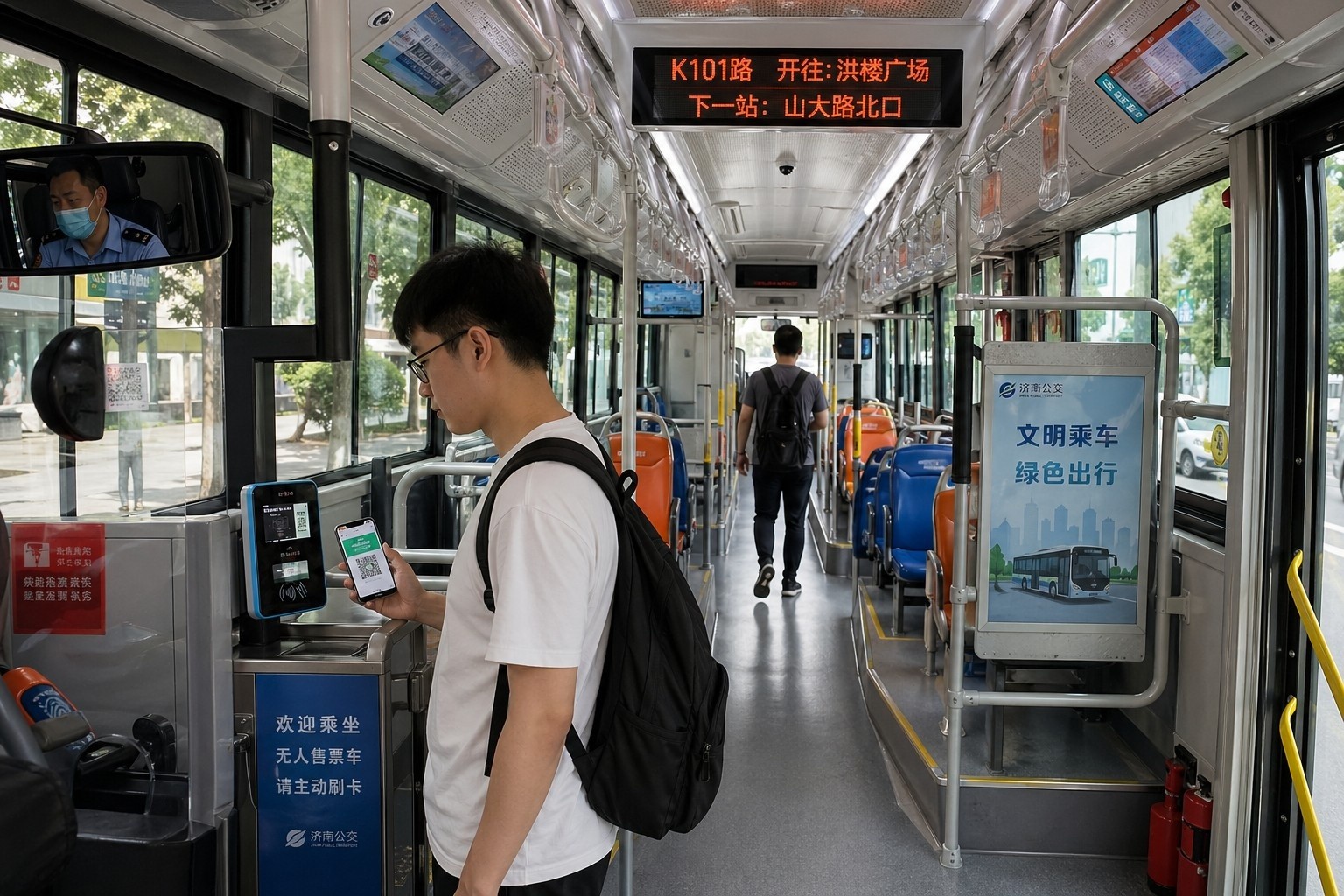
In almost all Chinese cities, buses operate on a “front-in, back-out” system. You board through the front door and exit through the rear door. This is strictly enforced because there are usually no conductors walking the aisles.
Paying the Fare
You can scan your transit QR code at a scanner located right next to the driver’s seat when you enter. Alternatively, many buses now accept NFC payments on compatible smartphones or physical “T-Union” cards (a national transit card). Cash is still accepted in some older cities, but you must have exact change, and there are no drivers’ assistants to help you count coins.
Getting Off
This is the most common mistake travelers make. Unlike buses in many Western countries where you pull a cord or press a button to signal your stop, Chinese bus stops are often not signaled electronically for passengers. You simply walk to the rear door as the bus approaches your destination station. If the driver sees you waiting there, they will open the doors. If you miss your stop, don’t worry—buses usually come every 5–10 minutes.
Shared Bikes: The Last Mile Solution
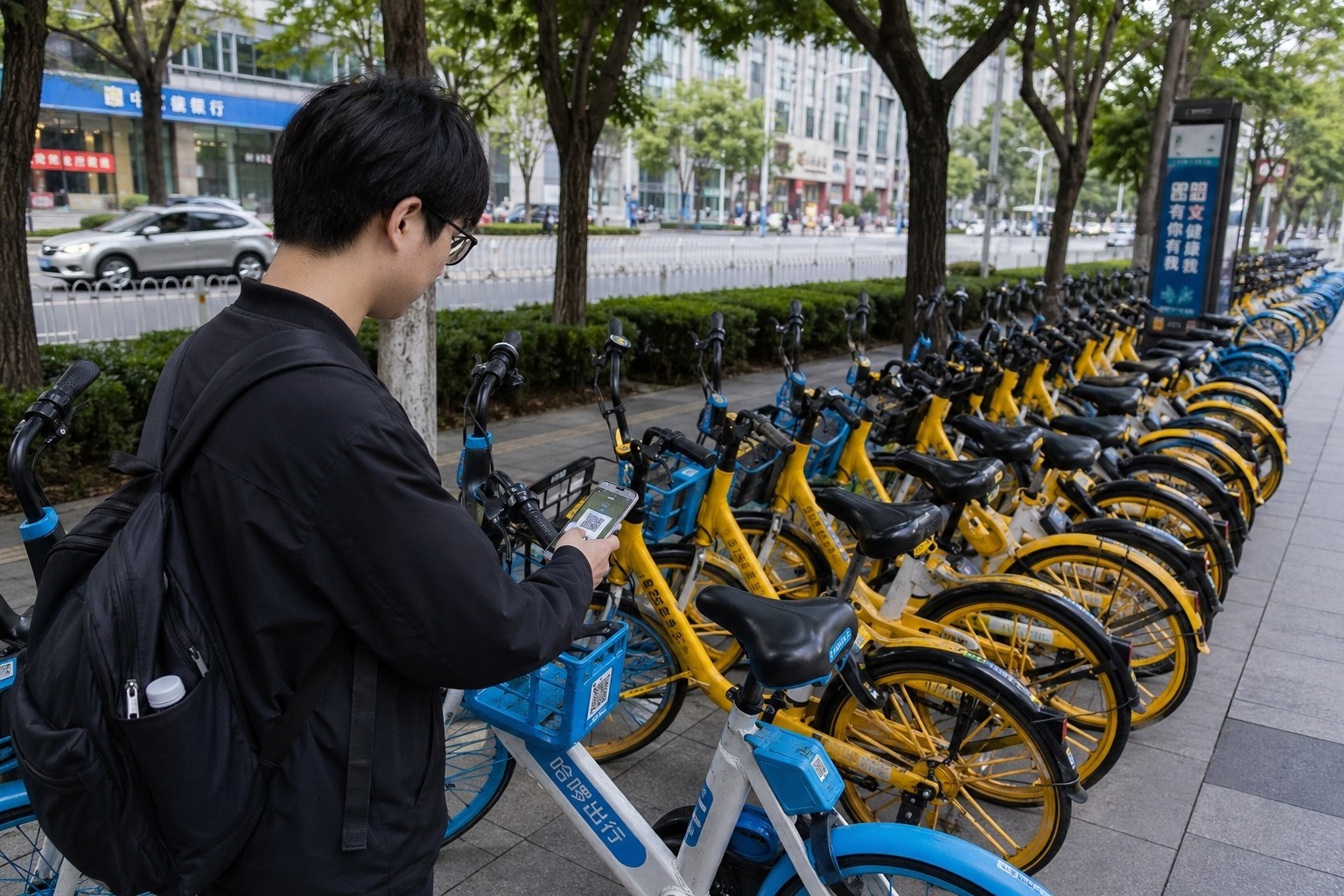
You have likely seen them everywhere: rows of bright yellow, blue, or orange bicycles parked on sidewalks. These are shared bikes (mostly from Meituan, HelloBike, and Didi’s Qiche Zhixing). They are the perfect solution for short distances—covering that gap between your home and the subway station.
How to Unlock
Use Alipay or WeChat. Inside these apps, search for “Shared Bike” (or look for the icon). The app uses GPS to find the nearest available bike in your vicinity. Scan the large QR code sticker on the bike’s frame or handlebars. A mechanical lock will click open.
The “Electronic Fence” Rule
This is crucial: you cannot just park anywhere. In many dense urban areas, apps use “electronic fences.” You must park the bike inside a designated parking zone, usually marked by a white box on the pavement. If you try to end your ride outside this zone, the app will refuse to close the trip and may charge you a penalty fee (often 5–20 RMB) for moving the bike yourself.
Always check the map before you park. It is better to walk two blocks to a proper parking spot than to pay a fine. Also, be mindful of sidewalks; blocking pedestrian paths is frowned upon and can lead to fines from city management officers.
Tips for Different Cities
While the digital ecosystem is consistent, the infrastructure varies:
- Beijing & Shanghai: Massive networks. Subways are the best way to get around; buses can be slow due to traffic. English signage is improving but not universal.
- Shenzhen & Hangzhou: Very modern, highly integrated systems. Shared bikes are abundant and well-regulated.
- Chengdu & Chongqing: Mountainous terrain. Chongqing’s metro is complex because it goes through buildings and over rivers; take your time with transfers.
A Final Word of Encouragement
Navigating public transport in China might feel overwhelming at first glance, but it is designed to be frictionless. The learning curve is short: download the app, scan the code, and go. There are no tickets to lose, no coins to count, and no complex zone maps to memorize.
Embrace the flow. Watch how locals move with purpose through the gates. Once you experience the speed and convenience of China’s transit system, you might find yourself traveling further than planned. Safe travels!