

The Reflexive Denial
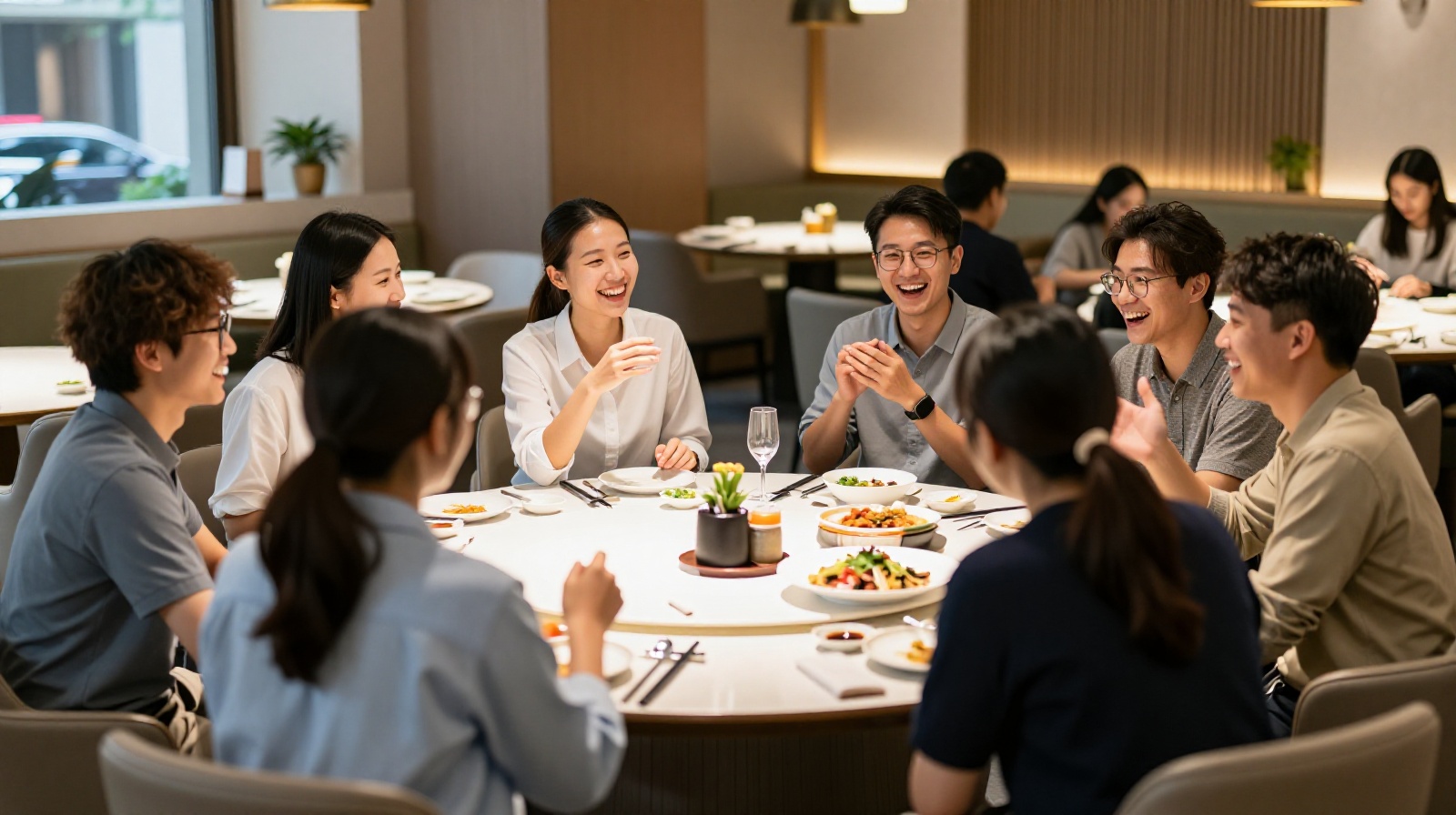
I still remember my first dinner in Shanghai. A colleague praised my Chinese pronunciation, saying it sounded surprisingly natural. My immediate instinct was to say, “Thank you!” But before the words could leave my mouth, I heard a chorus of polite refusals from around the table: “No, no,” “Not at all,” “You are too kind.”
I felt a flash of confusion. Was I being rejected? Did they think I was lying? In many Western cultures, accepting praise with confidence is seen as self-assurance. In China, however, there is a social script that feels counterintuitive to outsiders.

Why We Say “No”
To understand this, you have to look beyond the literal meaning of the words. In Chinese culture, humility (qianxu) is not just a personality trait; it is a social lubricant.
When someone praises you, accepting it too readily can be interpreted as arrogance or a lack of self-awareness. By deflecting the compliment—saying “I am not good enough” or “It was just luck”—you are actually showing respect to the other person. You are signaling that you do not consider yourself superior, which helps maintain group harmony.
Think of it as a dance. If one person steps forward with praise, the other must step back slightly with modesty. It is a way of saying, “I value your opinion, and I am part of this community, not above it.”
The Generational Shift
However, don’t assume this rule is absolute. If you walk into a co-working space in Beijing or Shanghai today, you will notice a different rhythm.

Younger Chinese professionals, especially those in creative industries like tech, design, and marketing, are increasingly comfortable accepting praise directly. Influenced by global business norms and a more individualistic mindset among Gen Z, many now simply say “Thank you” or even smile and return the compliment.
This shift is particularly visible in urban centers. While older generations may still prefer traditional deflection, younger people often view direct acceptance as a sign of professionalism and confidence. The key is to read the room. If your counterpart is under 30 and works in a modern office, a simple “Thank you” is perfectly safe.
How to Respond Without Awkwardness
So, how should you handle this as a foreigner? You don’t need to master complex Chinese idioms. Instead, focus on balance. The goal is to accept the compliment while showing respect for the giver.
Here are three practical strategies that work in most daily situations:
1. The “Thank You” with a Twist
Instead of just saying “No,” combine gratitude with modesty. This bridges the cultural gap.
Scenario: A friend compliments your cooking.
- Traditional (Too defensive): “Oh no, it’s terrible.”
- Western (Too direct): “Thanks, I’m great at it.”
- Balanced: “Thank you! I spent a lot of time on the spices. I’m glad you liked it.”
This approach acknowledges their kindness without claiming superiority.
2. Deflect to External Factors
If you feel uncomfortable accepting personal praise, shift the credit to something else: luck, teamwork, or the ingredients.
Scenario: A client praises your presentation skills.
Say: “Thank you. The team prepared a lot of data, so it was easy to present.”
This shows humility while still accepting the compliment gracefully. It is a very common and safe response in Chinese business culture.
3. Return the Compliment (The Safe Haven)
If you are unsure what to say, return the praise. It instantly diffuses tension.
Say: “Thank you! I always admire your [specific skill].”

Reading the Room
The most important tool is observation. Watch how locals respond. If they are older or in a traditional setting, lean towards modesty. If they are young and casual, be more direct.
Remember, Chinese people often offer compliments not to demand confidence from you, but to build connection. They want you to feel included. So, don’t overthink the denial. A warm smile goes a long way.
A Simple Cheat Sheet
Here is a quick guide for common scenarios:
- Praised on appearance/clothes: “Thank you! I found it at a small shop.” (Acknowledges, downplays effort)
- Praised on skills/language: “Thank you! Still learning every day.” (Shows growth mindset)
- Praised on hospitality: “You are too kind. Please eat more.” (Focuses on generosity)
By understanding this “humble dance,” you move from being an outsider who misses cues to a participant who understands the underlying warmth. It is not about insecurity; it is about respect.