

From Filing Cabinets to Open Hands
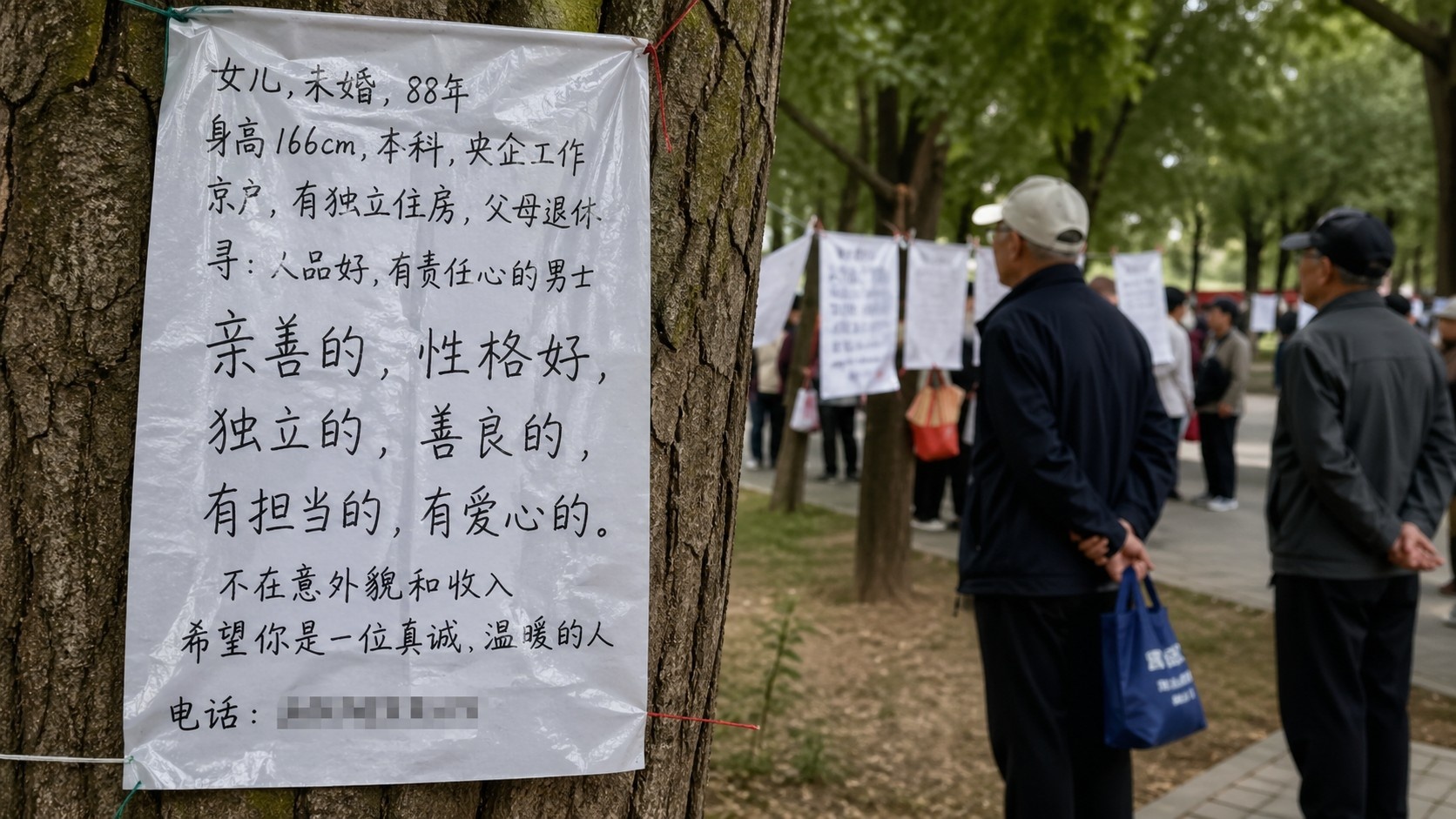
Sunlight filters through the ancient trees of Shanghai’s People’s Park on a Saturday morning. The air smells of damp earth and freshly brewed tea. In the past, you would see hundreds of parents standing in tight rows, holding colorful folders with their children’s resumes: height, salary, property ownership. It was a high-pressure marketplace where love was treated like a merger between two companies.
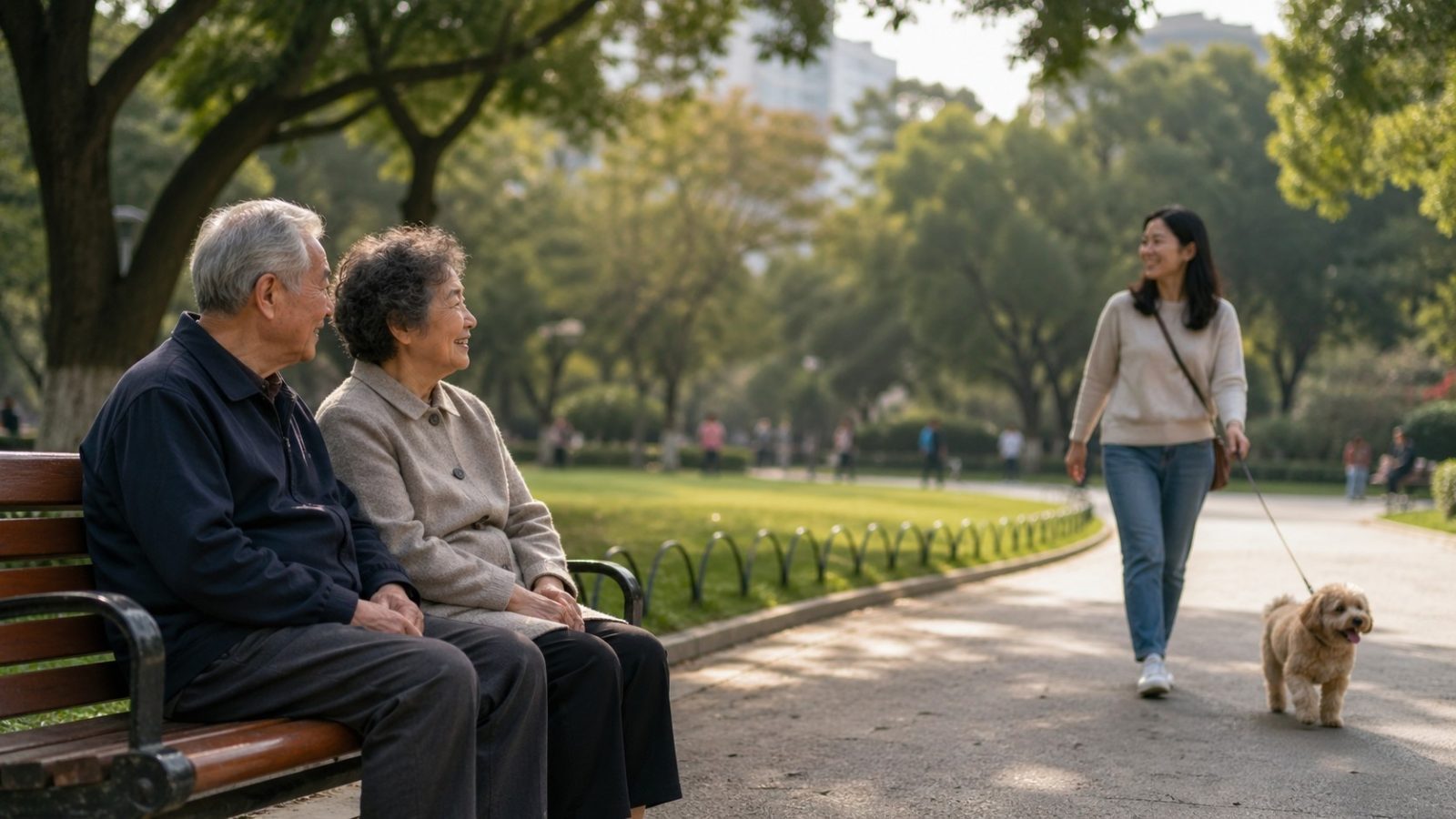
But today, the scene is different. The folders are fewer, and the conversations have softened. In one corner, an elderly couple sits on a bench, not holding a resume, but watching their daughter walk her dog nearby. “She calls us every week,” says Mr. Li, 72, wiping his glasses. “She says she is happy with her life here in Shanghai. We used to worry she was lonely. Now we just worry if she’s eating enough.”
When Anxiety Meets Reality
The change isn’t just aesthetic; it reflects a deep shift in the social contract between generations. For decades, marriage was seen as the ultimate safety net in China. Without it, young adults were often viewed as incomplete or irresponsible.
However, the economic landscape has shifted dramatically. The cost of raising a child, buying a home, and competing for jobs has made many young people pause. “My parents pushed me to marry,” says Chen Wei, a 29-year-old software engineer in Beijing. “But when I explained that marriage would mean delaying my own goals or taking on debt I couldn’t afford, they stopped arguing.”
It wasn’t an overnight realization. It came through years of quiet observation. Parents saw their children thriving—building careers, traveling, finding communities outside the family unit. They realized that a forced marriage didn’t guarantee happiness; sometimes it brought more stress than solitude.
The Language of the Banners
If you walk to the central clearing in Beijing’s Zhongshan Park, the plastic banners hanging from the trees tell the story of this evolution. Ten years ago, signs demanded: “Male, 80,000 RMB monthly income, house in city center.” Today, you might see: “Daughter loves painting and hiking. Looking for someone kind who respects her independence.”
The criteria have moved from pure economics to emotional compatibility. This isn’t just about the younger generation being rebellious; it’s a pragmatic response to modern life. In the West, individualism is often celebrated as a personal right. In China, this shift represents a collective adjustment where family well-being is increasingly tied to the mental health of its members.
Redefining ‘Success’ for Families
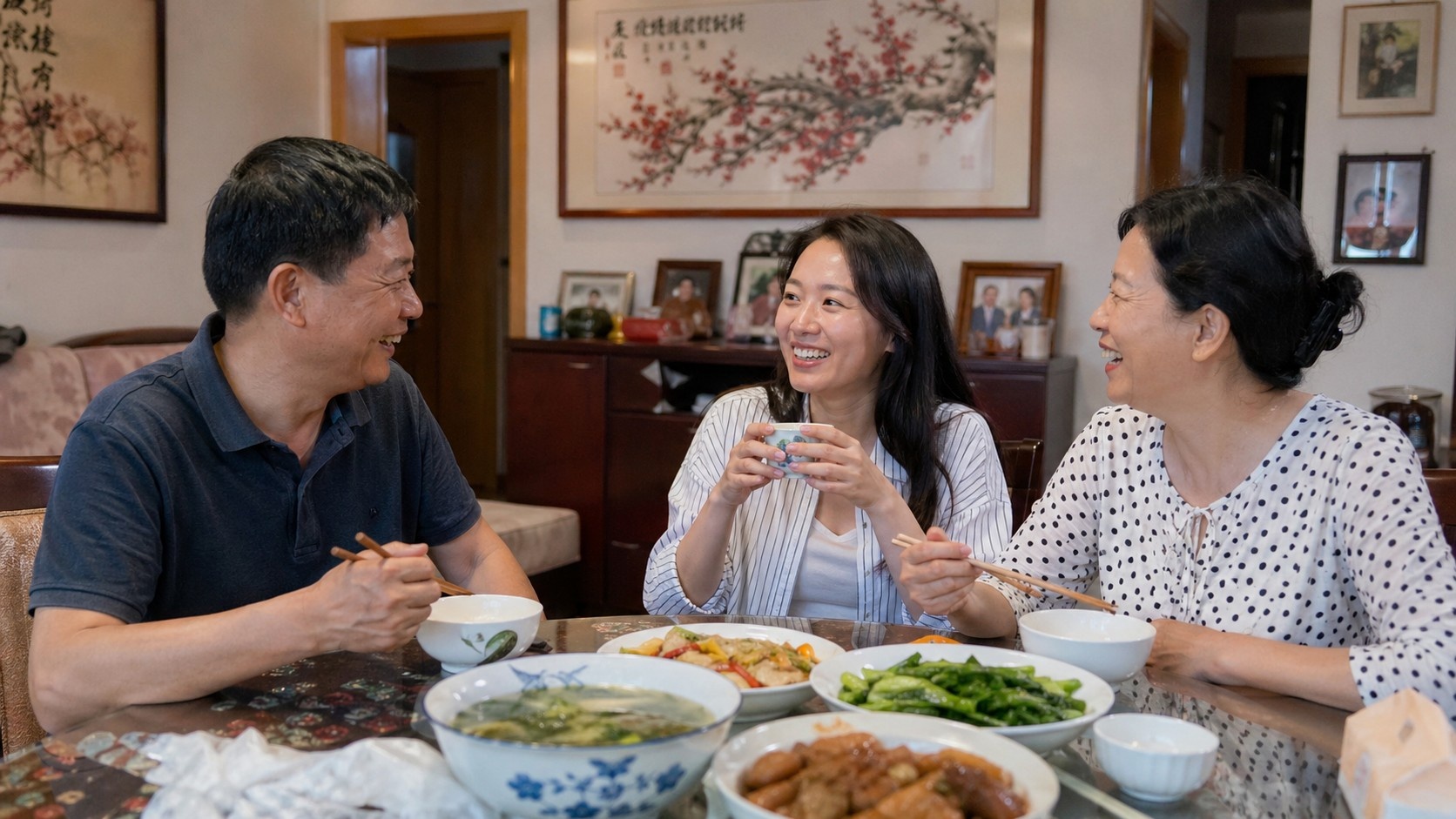
The most profound change is happening in the dinner tables and WeChat groups. Parents who once scolded their children for being single are now asking, “Are you happy?” before “When will you marry?”
This shift doesn’t mean parents have given up on finding partners; many still help quietly behind the scenes. But the desperation has faded. The anxiety of “falling behind” (a common phrase in Chinese society) is being replaced by a cautious optimism that there are many ways to live a good life.
As Ms. Zhang, a 65-year-old retiree in Shanghai puts it: “I used to think my daughter’s value was tied to her husband. Now I see that her smile when she talks about her work is what matters most.”
The matchmaking corners are still there, but they have transformed from pressure cookers into spaces of negotiation and understanding. They serve as a living archive of how a society is learning to balance tradition with the complex realities of the 21st century.