

The Myth of the Point-Based dystopia
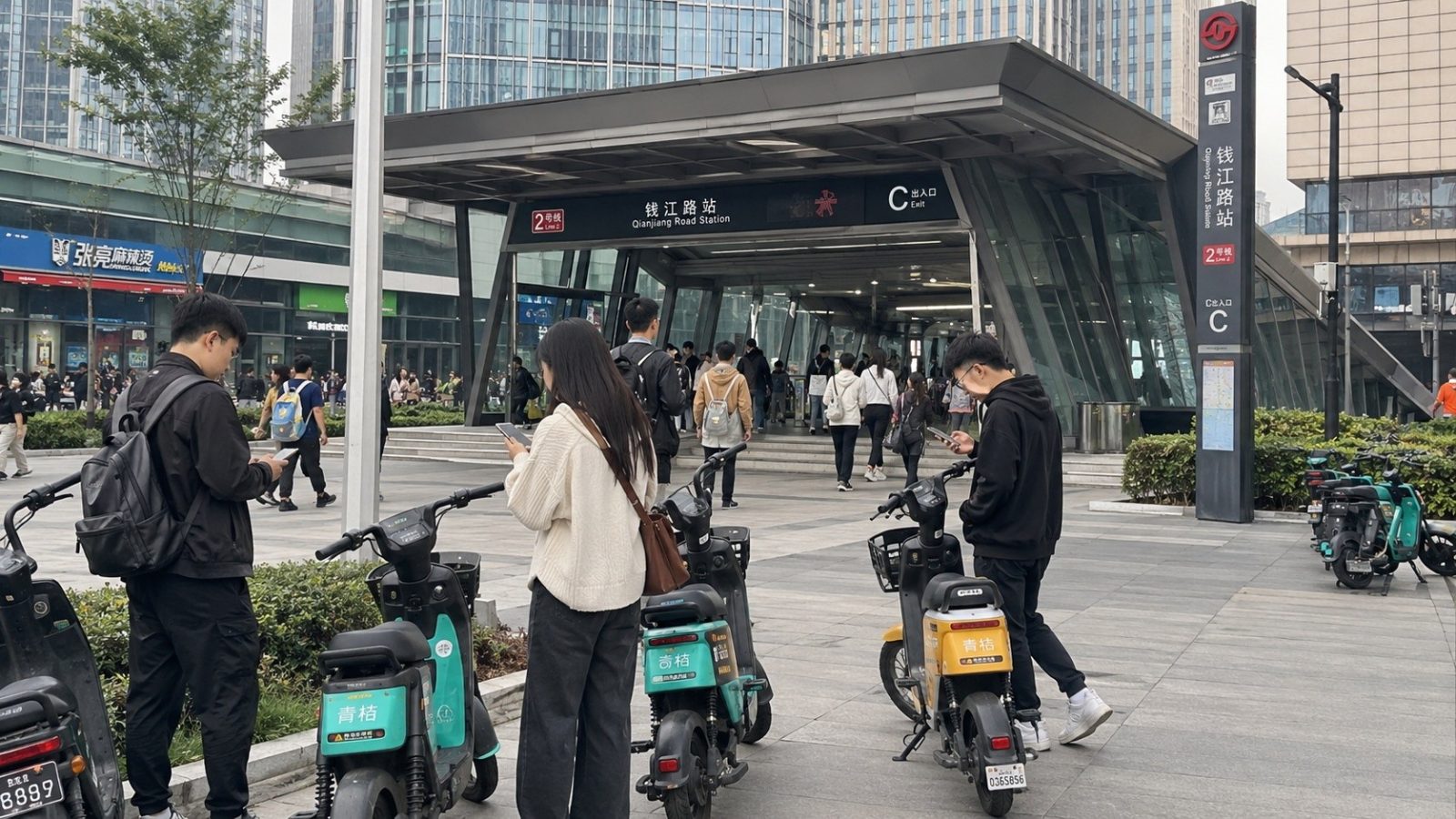
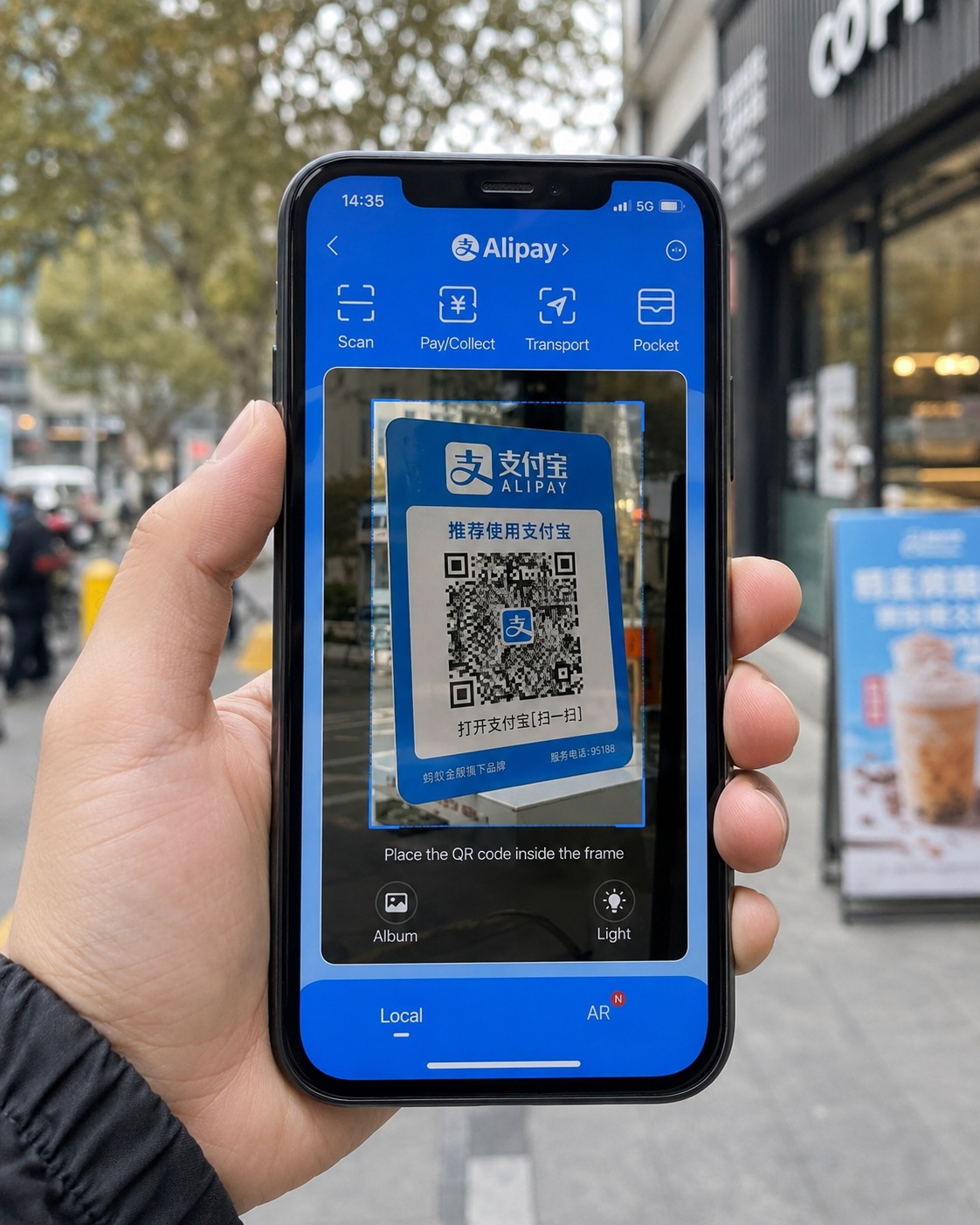
Li Wei, a 34-year-old software engineer living in Hangzhou, wakes up at 7:00 AM. Like millions of other Chinese citizens, he starts his day by scanning a QR code on an electric scooter to ride to the subway station. He pays for it with Alipay. For Li, this is just another transaction. But if you read certain Western headlines, Li might be losing “social credit points” every time he jaywalks or chooses the wrong video game.
The term “Social Credit System” (SCS) has become a buzzword in geopolitical discourse, often evoking images from science fiction novels like Black Mirror. The narrative suggests a unified digital score for every citizen, where low scores could ban you from flying on planes or enrolling your children in private schools. It sounds terrifyingly efficient, but it is also largely a misunderstanding of how the system actually functions.
Two Systems, One Name
To understand the reality, we must separate two things that are often confused: commercial credit data and administrative compliance records. The Chinese government itself distinguishes between these in official documents, though the English translation “Social Credit System” bundles them together.
The first pillar is commercial credit. This is not a new invention; it resembles the credit scoring systems found in the West, like FICO scores or CIBIL. Companies like Sesame Credit (part of Ant Group) analyze your spending habits, payment history, and even your social network to offer financial products. If you pay your bills on time, you get better interest rates. This is purely economic.
The second pillar is administrative compliance. This is where the real “credit” mechanisms lie for ordinary people. It is a database of legal violations and rewards managed by various government departments. For example, if a company pollutes a river illegally, it gets blacklisted. If an individual repeatedly refuses to pay court-ordered child support or ignores traffic fines after being summoned multiple times, they may be restricted from high-level consumption.

What “Restrictions” Actually Mean
Let’s look at Li Wei again. Does he have a social credit score that determines his life chances? No. He is not constantly being scored by an AI overlord.
The most frequently cited restriction is the ban on high-speed flights and first-class train tickets for those on “blacklists.” But this only applies to individuals who have been legally judged as having the ability to pay but deliberately refuse to fulfill court judgments. It is a tool for enforcing legal decisions, not a punishment for minor social faux pas like littering or playing video games too long.
Even these restrictions are bureaucratic hurdles, not magical bans. A person restricted from flying must go through a complex process to get their name removed from the list once they comply with the court order. It is slow, paperwork-heavy, and often frustratingly inefficient—the opposite of the sleek, instantaneous control depicted in movies.
In fact, for the vast majority of urban professionals like Li, the system is invisible. He takes high-speed trains because they are fast and convenient, not because he is “allowed” to by a central algorithm. He books hotels on apps because it’s easy, not because his social score permits it.

The Bureaucratic Reality
So why does the system exist? It is largely an attempt by the state to solve a specific problem: trust. In a rapidly growing economy with hundreds of millions of small businesses and frequent cross-regional transactions, traditional identity verification was slow. The government wanted a centralized way to track who keeps their promises (pays taxes, honors contracts) and who breaks them.
However, the implementation is fragmented. There is no single national “score” that every citizen can check on an app. Different provinces have different pilot programs. Some cities give points for volunteering or donating blood, which are rewards, not punishments. Others focus strictly on debt enforcement.
The reality is far less cinematic than Black Mirror. It is a messy, overlapping web of local databases, corporate data silos, and government registries. Sometimes the systems don’t talk to each other. A person might be blacklisted for tax evasion in one city but unaware that it affects their ability to get a loan in another.
Conclusion: Not a Dystopia, Just Bureaucracy
The Social Credit System is real, but it is not the omnipotent surveillance state feared by some critics. It is also not the utopian meritocracy promised by others. It is a complex administrative tool designed to modernize governance and enforce legal compliance in a digital age.
For Li Wei, the biggest risk isn’t losing his social score; it’s missing his subway train because of a signal delay or dealing with customer service when an app crashes. These are the real frictions of modern Chinese life—mundane, human, and far from the sci-fi nightmares that dominate Western imagination.