

The Unexpected Symmetry of a Chinese Kitchen
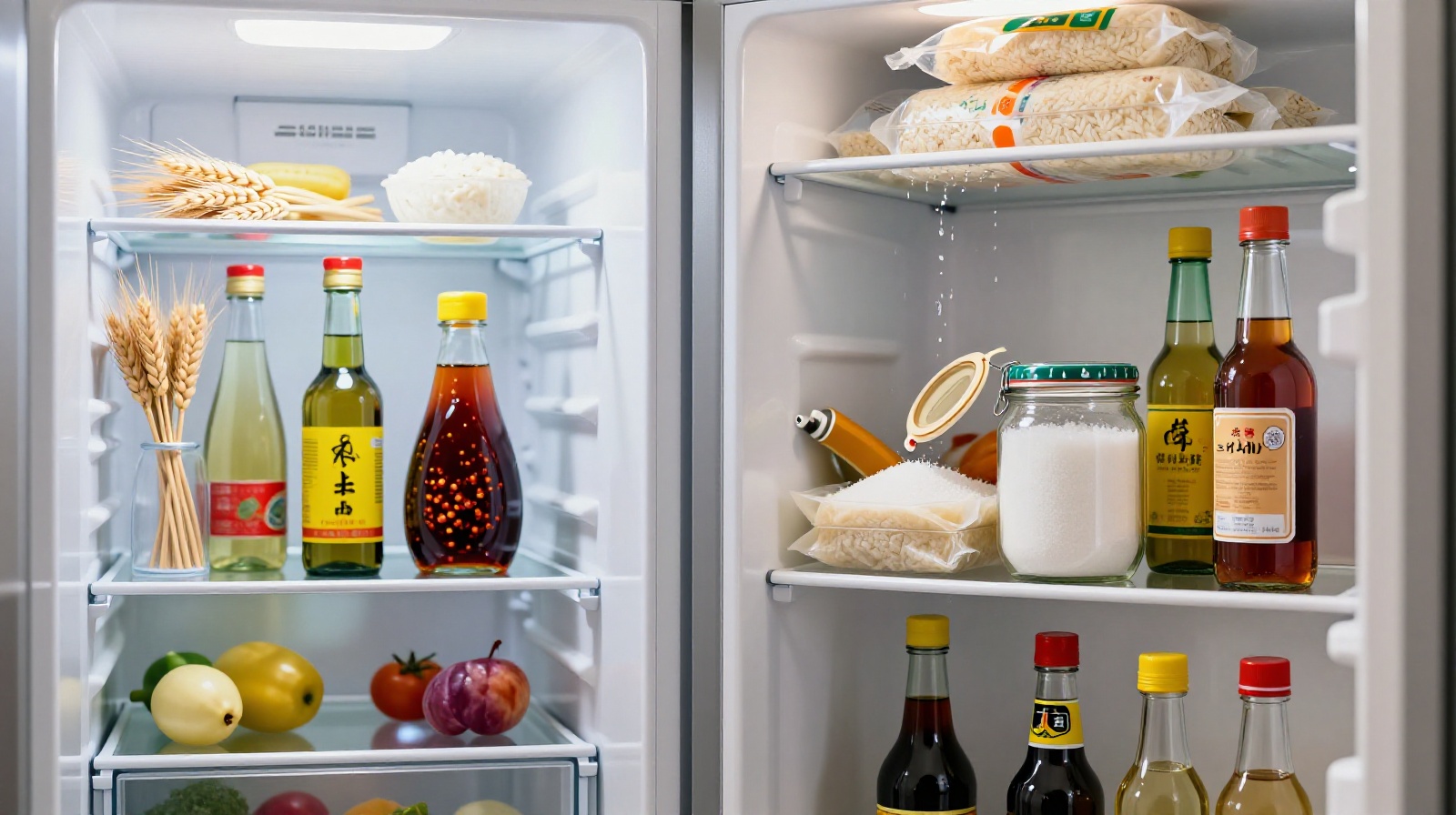
Picture this: You are visiting a friend’s home in northern China, perhaps Beijing or Harbin. You open the refrigerator to grab a drink. Inside, you see standard shelves, a water filter, and neatly packed containers of leftovers. Now, imagine opening the same type of fridge in Guangzhou or Shanghai. The appliances are identical—same brands, same smart screens, same layout. Yet, one key difference stands out immediately.
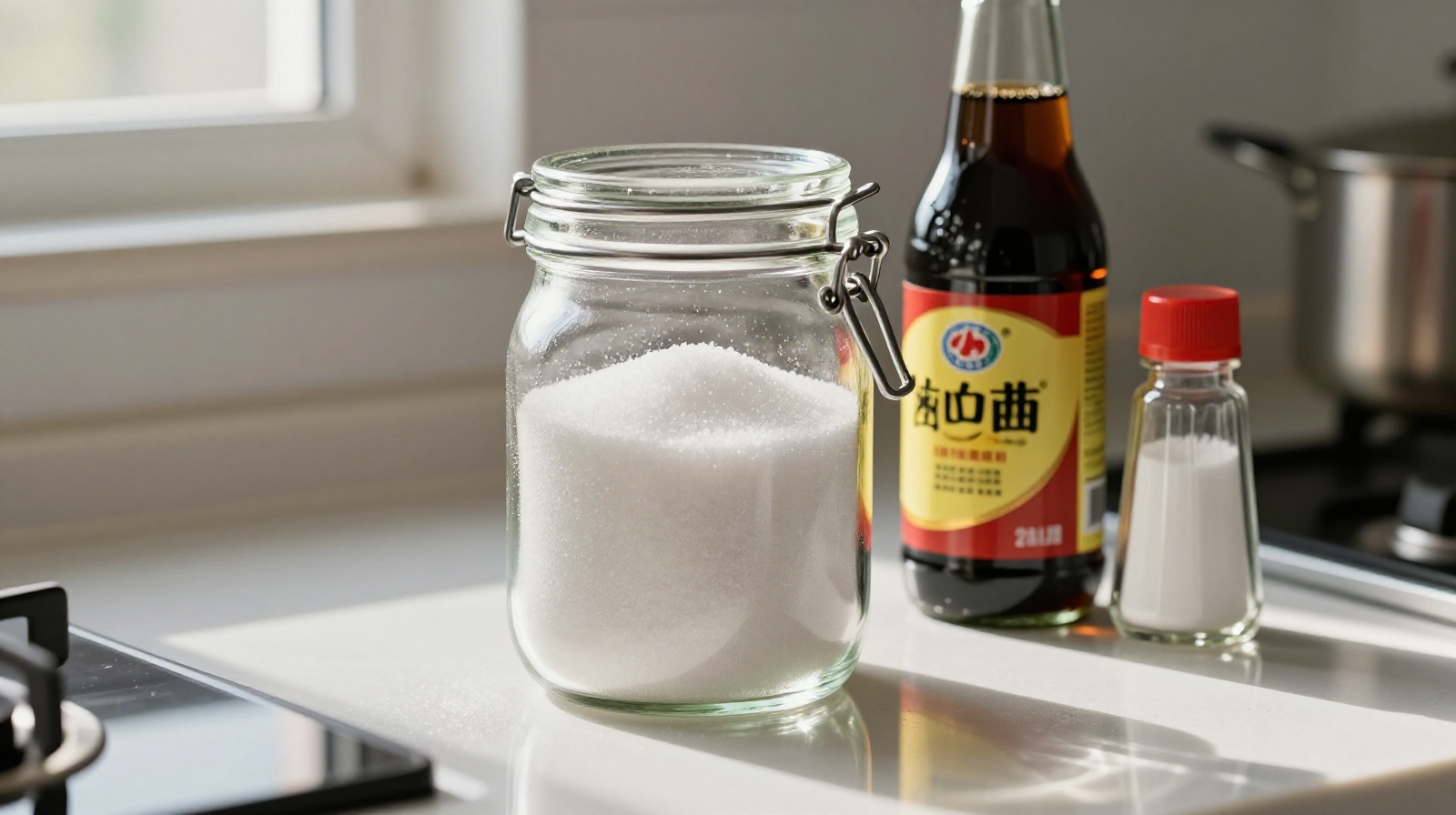
In the south, on the kitchen counter or inside the fridge door, there is often a dedicated jar of white sugar sitting prominently alongside the salt and MSG. In many northern homes, that spot might be empty, or filled with chili oil and vinegar bottles instead. To an outsider, this seems trivial. But to anyone who cooks in China, this small spatial arrangement reveals a profound cultural divide.
China is vast, stretching across five time zones’ worth of geography, though we all share one clock. This geographic span creates distinct agricultural zones: wheat and millet dominate the dry north, while rice paddies cover the humid south. These crops don’t just dictate what people eat for staple meals; they shape how flavors are balanced in daily cooking. Today, as China urbanizes rapidly and supply chains become national, these traditional kitchen habits persist with surprising resilience.
The Sweet Question: Why Some Kitchens Keep Sugar in Jars
Why is sugar so visible in southern kitchens? It’s not because people there have an insatiable sweet tooth. In fact, Cantonese and Shanghainese cuisines are famous for using sugar to balance flavors, not just to make things dessert-like.
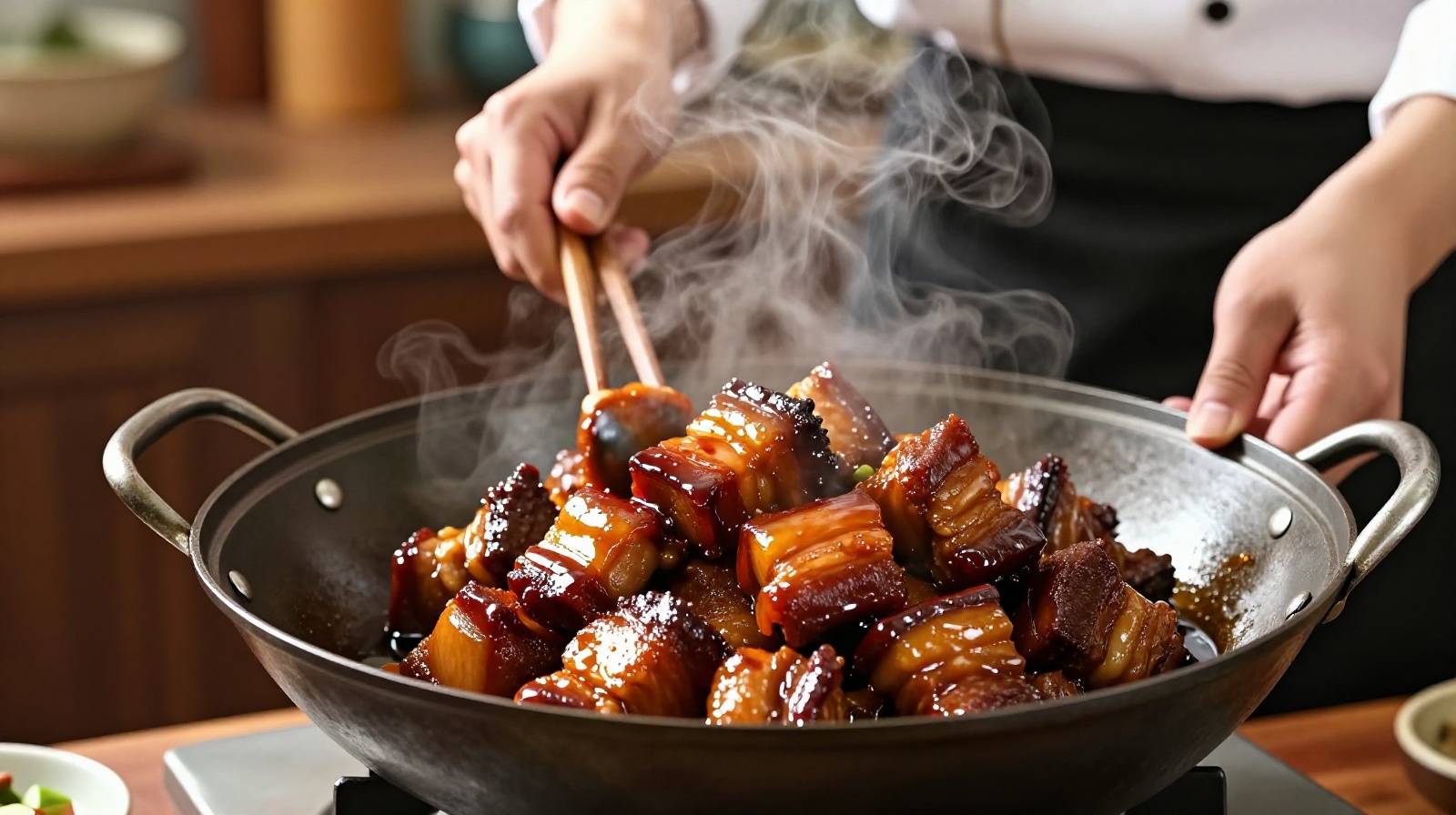
In southern cooking, sugar is a functional ingredient. A splash of soy sauce can be too salty or too metallic on its own. A bit of sugar rounds out the edges, creating what chefs call “umami depth.” Think of hong shao rou (braised pork), where caramelized sugar gives the meat its glossy red hue and complex sweetness that hides behind the savory taste. In Shanghai-style stir-fries, a teaspoon of sugar cuts through the acidity of tomatoes or the richness of oil.
In contrast, northern cuisine tends to be more straightforwardly savory. The climate is colder and drier, historically favoring hearty wheat-based foods like noodles, dumplings, and steamed buns (mantou). These staples are often paired with robust dips of garlic, vinegar, and chili.
In the north, sugar is usually kept in packets or small containers as an occasional condiment for specific dishes like guobaorou (sweet and sour pork) or pickled vegetables. It is rarely left out on the counter. For a northerner visiting the south, seeing a large open jar of sugar can be confusing—almost as if someone left the salt bowl uncovered in their home. But it’s simply a reflection of how flavor profiles evolved: sweet-savory balance versus pure savory punch.
The Soy Sauce Spectrum: From Light to Dark
If sugar reveals the philosophy of balance, soy sauce reveals the history of preservation. Chinese soy sauces are not monolithic; they vary drastically by region and use, often confusing first-time visitors who just expect “soy sauce.”
There are primarily two types you’ll find in Chinese homes: Jiangyou (light/seasoning soy sauce) and Laochou (dark/maturing soy sauce).
- Light Soy Sauce: Thin, salty, and used for seasoning during or after cooking. It provides saltiness without overpowering the color of the dish.
- Dark Soy Sauce: Thicker, slightly sweeter, and aged longer with molasses or caramel. It is used primarily to add a rich, dark brown color to braised dishes and stews.
In southern households, especially in Guangdong (Cantonese cuisine), you might find multiple bottles of light soy sauce on the shelf—some fermented for fish, others for vegetables. The precision matters because Cantonese food celebrates the natural taste of ingredients. Adding too much dark soy can mask the freshness of a steamed fish.
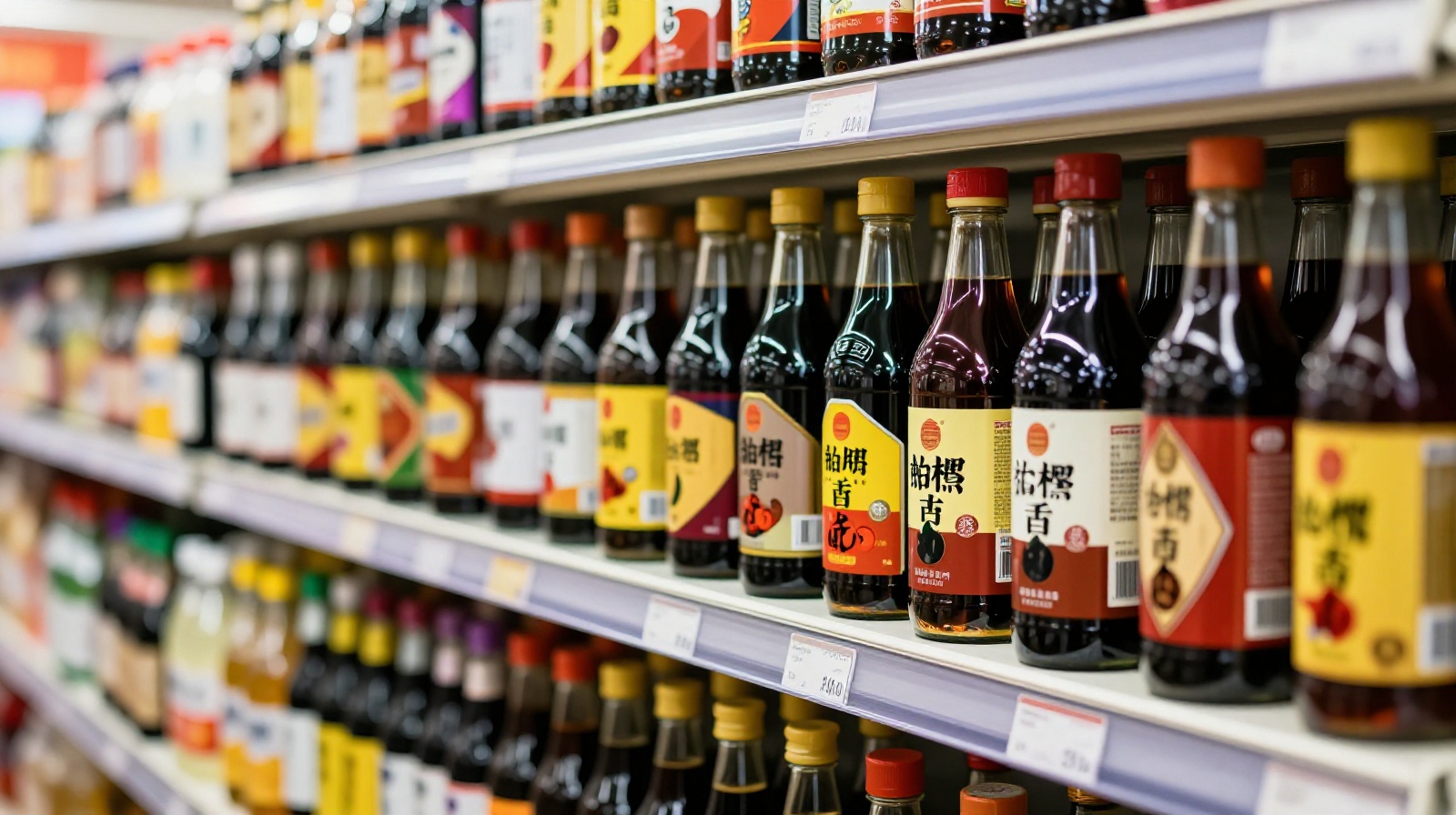
In the north, dark soy sauce plays a bigger role in everyday cooking. Northern braises (hongshao) are darker and richer, relying on the deep color and slight sweetness of dark soy to create hearty, comforting meals suitable for cold winters. The soy sauce bottles here often look heavier, suggesting a thicker, more concentrated product.
Beyond Taste: What These Containers Say About Daily Life
These kitchen differences are not just about taste; they are artifacts of migration and climate adaptation. For centuries, families moved within these regions, passing down recipes that optimized for local ingredients. A northerner couldn’t grow rice easily in the dry north, so their cooking evolved around wheat and hardy root vegetables. A southerner had abundant sugar cane and soybeans, leading to a cuisine that prized fermentation and delicate flavor layering.
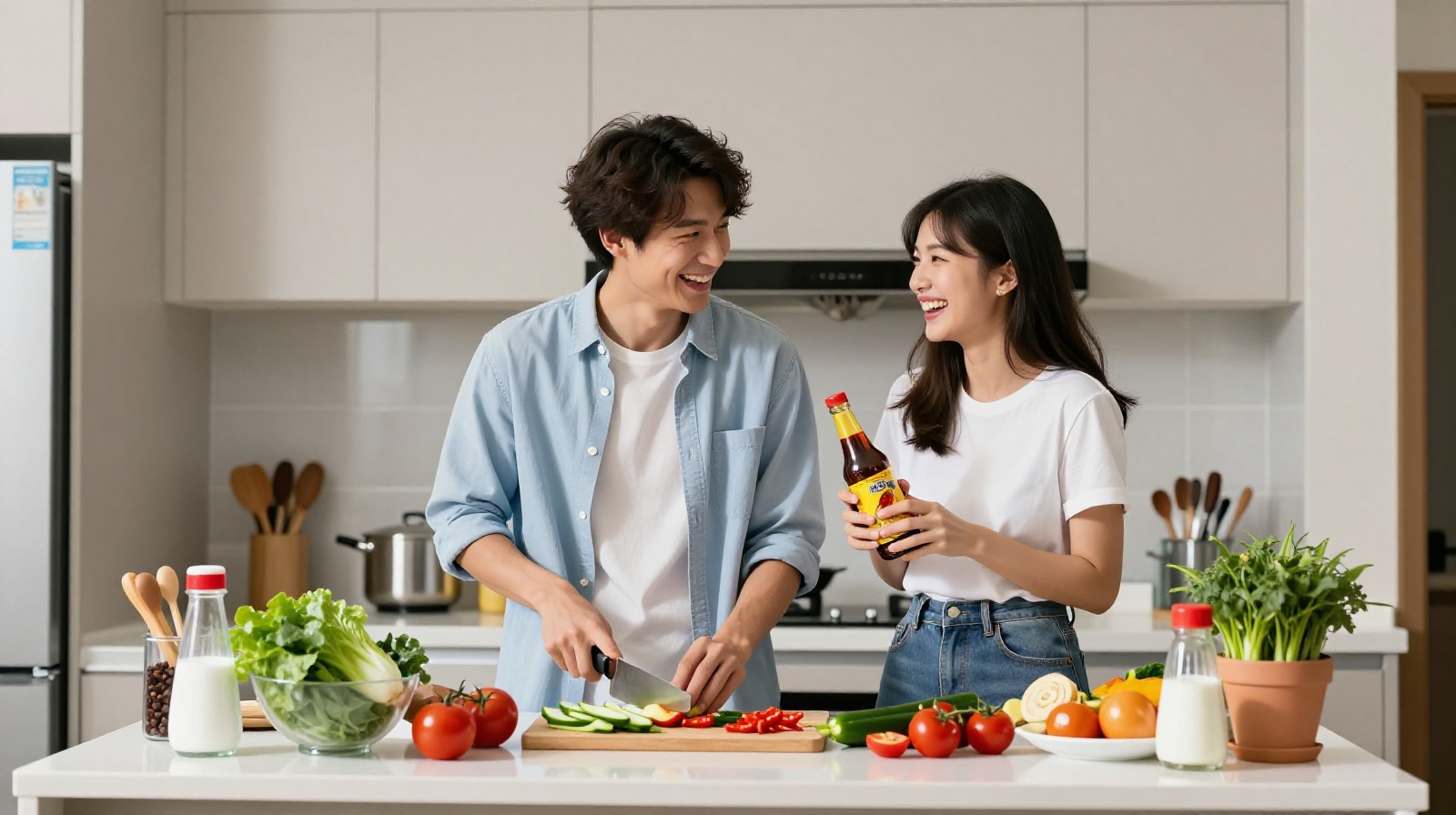
Today, these traditions are blending. Young professionals living in megacities like Shenzhen or Chengdu often cook for both northern grandparents and southern spouses. You might see a hybrid kitchen: a jar of sugar next to a bottle of chili crisp, with both light and dark soy sauces within arm’s reach.
Even delivery apps reflect this nuance. When ordering food online, users in the south frequently select “less sweet” or “extra sugar,” while northerners might ask for “no MSG” or “more vinegar.” These small digital choices keep ancient culinary habits alive in a modern, high-tech society.
A Unified Palate Through Diversity
Understanding the difference between a northern and southern kitchen doesn’t require a map of China. It starts with looking at what’s on the shelf. The sugar jar and the soy sauce bottle are small containers, but they hold the weight of history, geography, and daily life.
For international readers, this offers a mirror to your own culinary traditions. Just as Chinese kitchens vary from north to south, so do kitchens in Europe or North America. A French pantry looks different from an Italian one; a Texan kitchen differs from a New England one. Food is the most accessible entry point into understanding cultural identity.
So, the next time you visit a friend’s home in China—or anywhere else—take a moment to look at their condiments. You might just find a story about where they come from, and how they live, hidden in plain sight.