

The Sound of a Solo Life
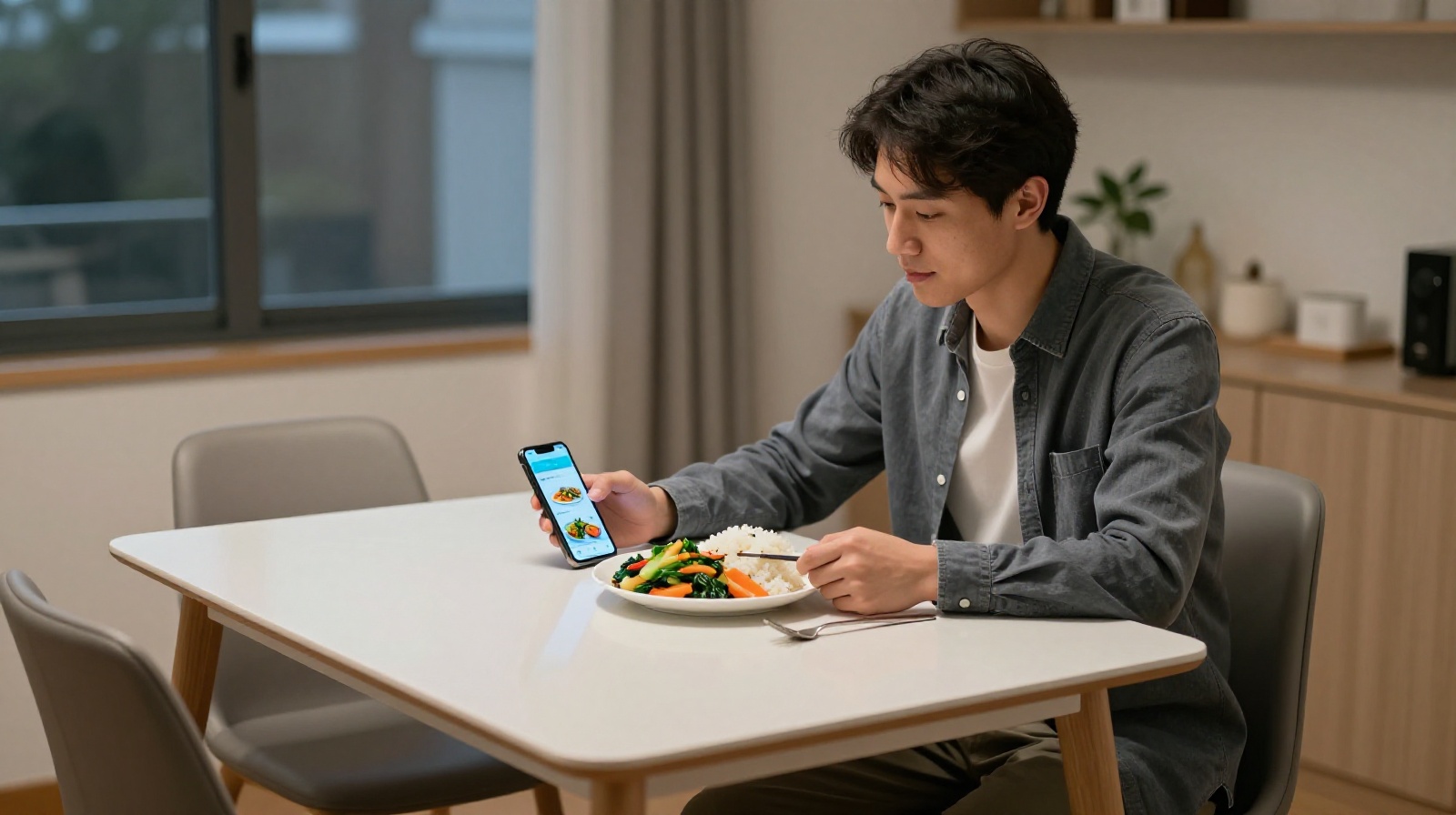
It’s 7:30 PM on a Tuesday in Shanghai. In a cramped but tidy apartment on the 14th floor, Li Wei, a 28-year-old software engineer, sets his small dining table for one. He doesn’t feel awkward; he feels relieved. After a day of back-to-back Zoom meetings and subway commutes, this hour is entirely his own.
He opens his smartphone, scans a QR code on the counter, and an app delivers a pre-portioned meal kit to his doorstep ten minutes later. Inside are fresh vegetables already washed and cut, along with a small packet of sauce. In twenty minutes, he has a hot, home-cooked style stir-fry—just enough for one person. No leftovers, no waste, no pressure to host.
This scene is becoming the new normal for millions of young urbanites in China. The ‘solo economy’ (孤独经济) has moved beyond mere convenience; it has become a cultural statement. Eating alone is no longer stigmatized as being “leftover” or lonely. Instead, it signals autonomy, self-care, and a deliberate choice to prioritize personal space over social obligation.
Beyond Instant Noodles: The Kitchen Revolution
Five years ago, if a single person wanted to cook in China, the options were limited to instant noodles or ordering takeout. Today, the market has exploded with solutions tailored specifically for one.
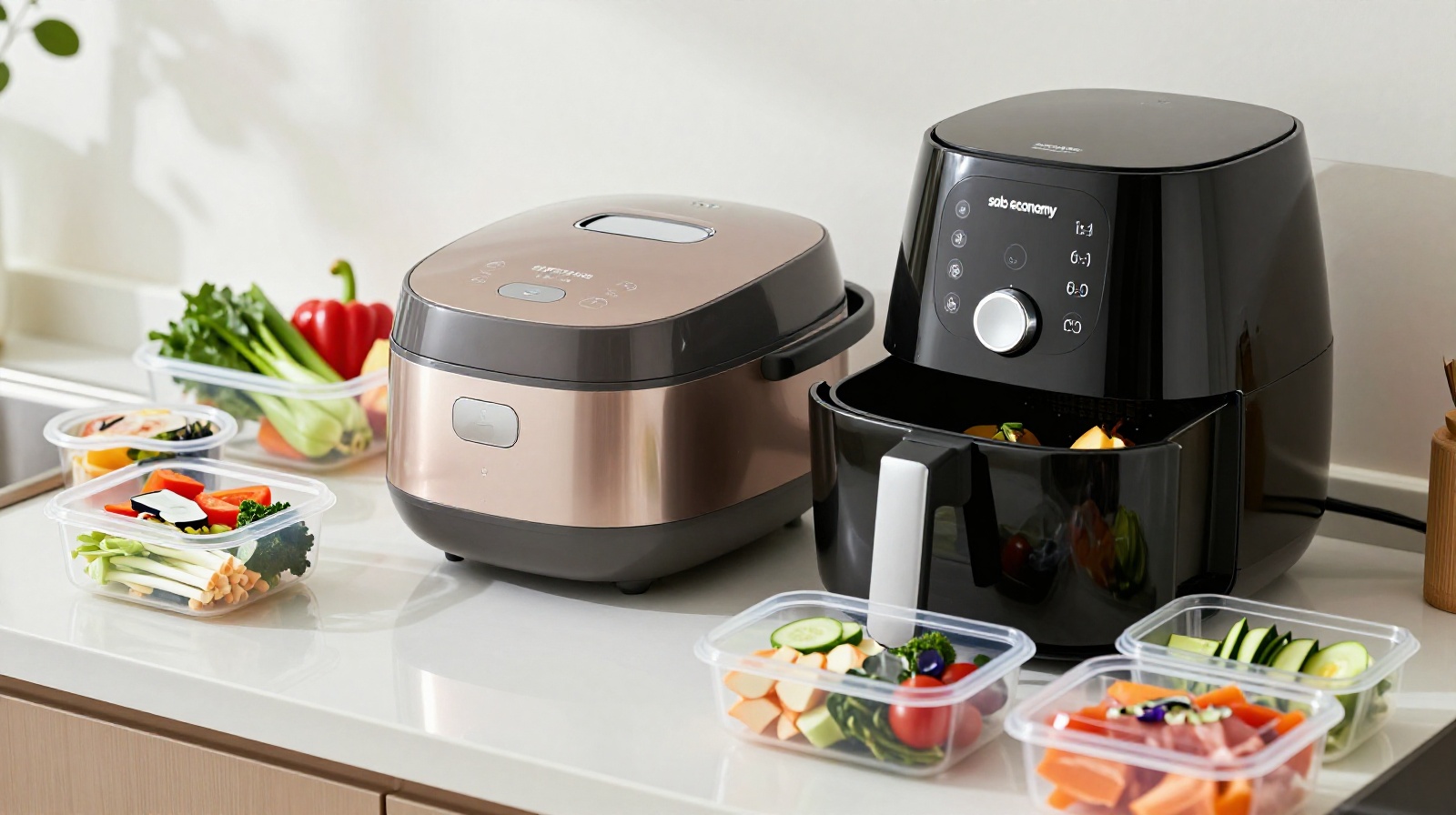
The “mini-appliance” boom is the most visible part of this shift. In electronics stores and online platforms like Taobao, you’ll find rice cookers that make just 300 grams of rice, air fryers sized for a single portion, and multi-cookers with non-stick coatings designed to be easy to wash—one person doesn’t want to scrub a giant pot after a light dinner.
But the revolution isn’t just about hardware; it’s about ingredients. The rise of “pre-cut” (净菜) services and small-portion packaging has transformed home cooking. Supermarkets now have dedicated sections for single-serving meats, pre-marinated steaks, and bite-sized vegetable mixes. In cities like Hangzhou and Chengdu, delivery apps offer “one-person hot pot,” where you get a tiny electric cooker and a basket of thinly sliced ingredients meant for a single sitting.
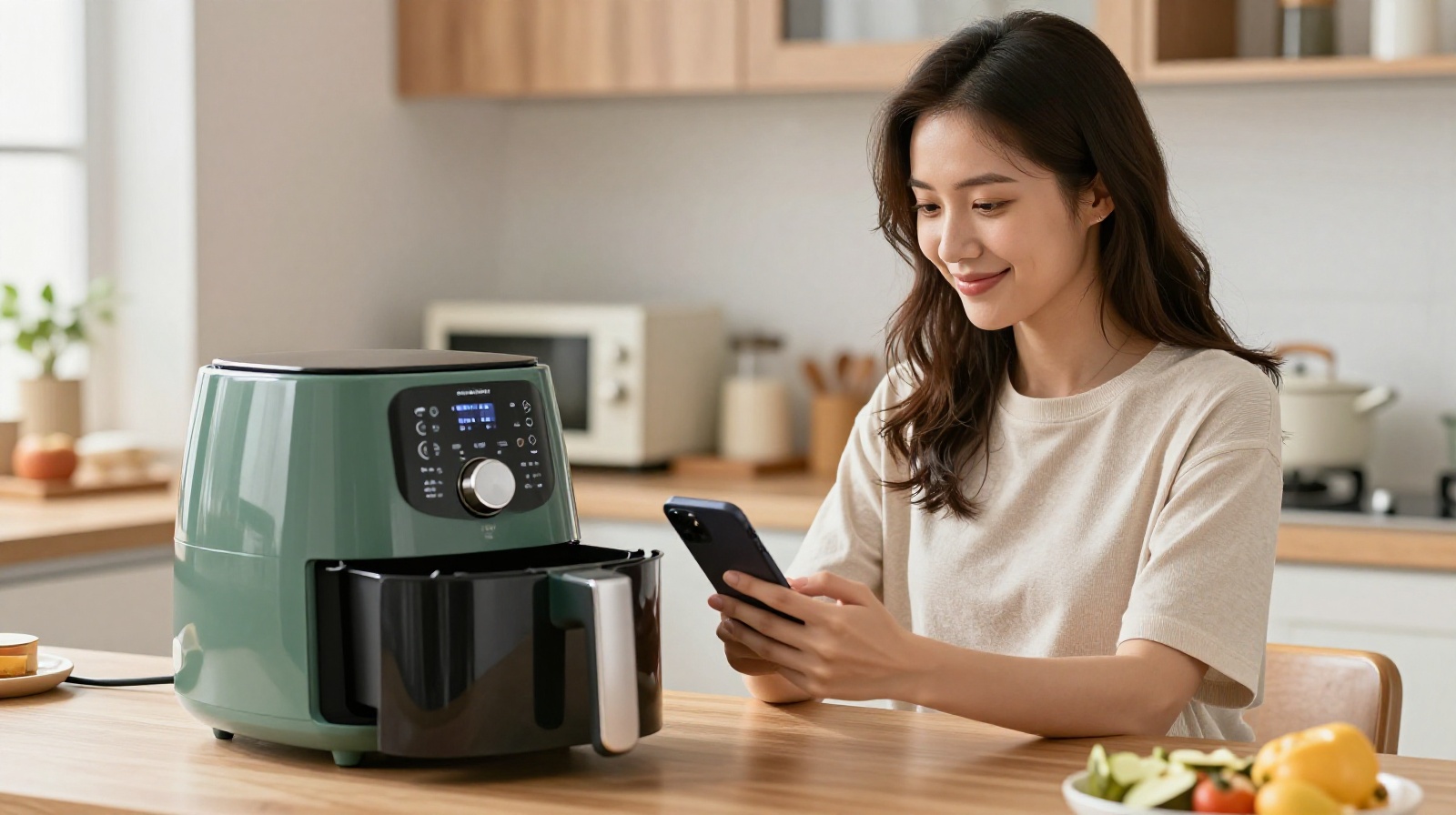
“I used to hate cooking because I’d always have three days of leftovers in the fridge,” says Chen Jie, a marketing manager in Beijing. “Now, I buy pre-cut veggies and use my mini air fryer. It takes 15 minutes, and it feels like real food, not just fuel.”
Navigating Social Spaces Alone
For many young Chinese, dining alone outside the home was once a source of anxiety. Traditional culture often equated large gatherings with harmony and success. Walking into a restaurant where every table is full of families or groups could make a solo diner feel out of place.
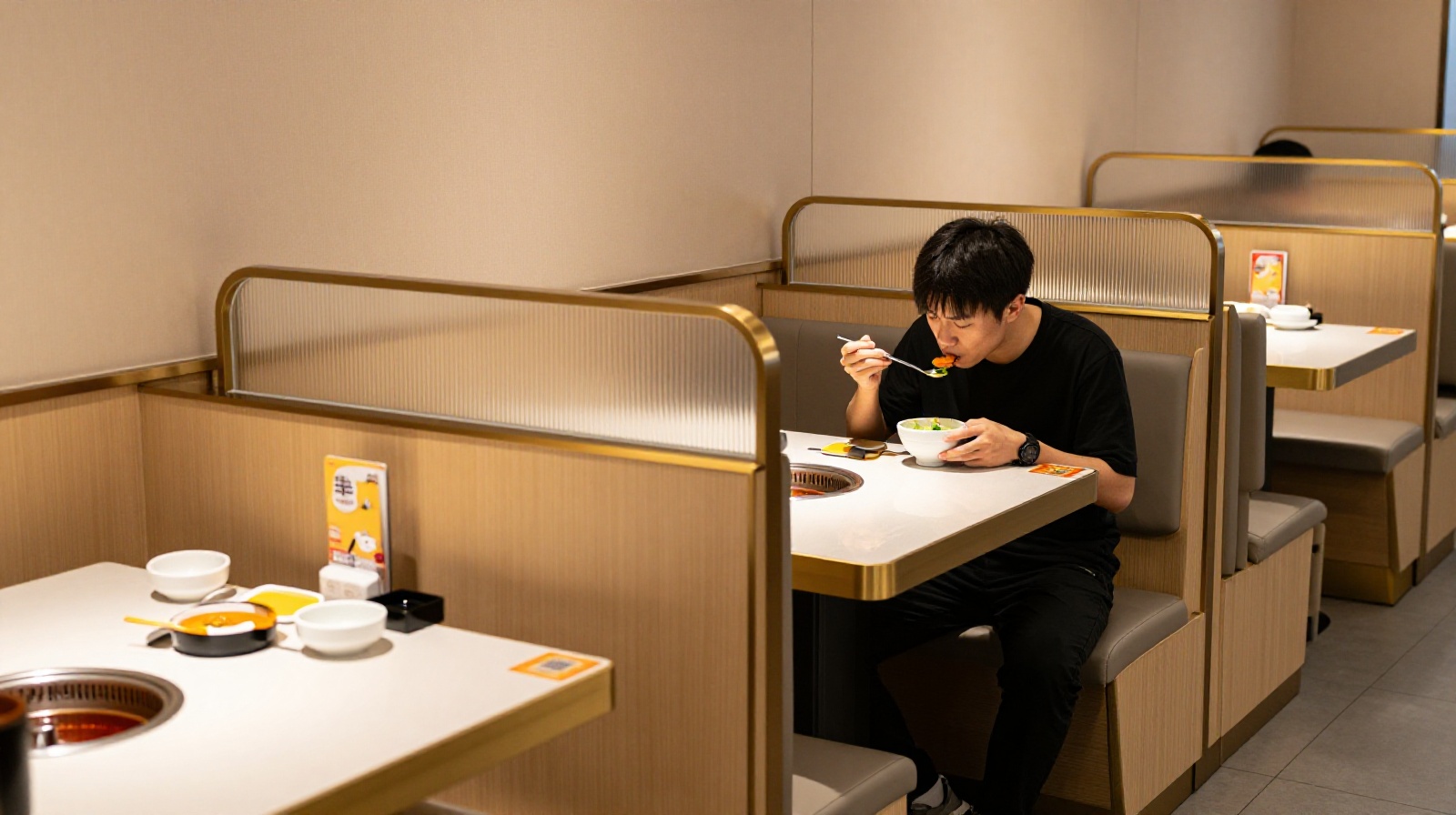
However, urbanization and changing social norms have softened this stigma. Modern restaurants in Tier-1 cities are adapting. Many now offer single-person hot pot stations with partitions (隔板), providing privacy while still allowing the communal experience of boiling broth. Fast-food chains and casual dining spots have added “solo counters”—long bar seats facing the kitchen, where you can eat without making eye contact with other diners.
Technology also plays a huge role in reducing social friction. Mobile ordering via WeChat mini-programs allows solo diners to order, pay, and even request the bill without ever speaking to staff. This digital mediation creates a comfortable buffer for those who prefer low-interaction dining experiences.
The Bigger Picture: Housing and Independence
The rise of the solo economy reflects deeper structural changes in Chinese society. For decades, multi-generational living was the norm. Young adults often lived with parents until marriage. Today, more young people are moving to cities for work, renting their own apartments, and delaying marriage.
According to recent data, the number of one-person households in China has surpassed 100 million. This demographic shift drives demand not just for food, but for smaller living spaces, compact furniture, and services that respect individual boundaries.
For Li Wei, the solo meal is more than convenience. It’s a small ritual of independence. “In my parents’ house, we ate together,” he explains. “But here, I control my time, my menu, and my pace. It’s quiet, but it’s free.”
As China’s urban centers continue to grow, the solo economy will likely expand further. But for now, in a small apartment on the 14th floor, Li Wei enjoys his dinner alone—and finds comfort in the simple act of dining for one.