
The Missing Cord
Imagine you are at a busy restaurant in Shanghai or Beijing. Dinner is winding down, but your phone battery hits 5%. Panic sets in—not just because you can’t navigate home, but because you have no charger.
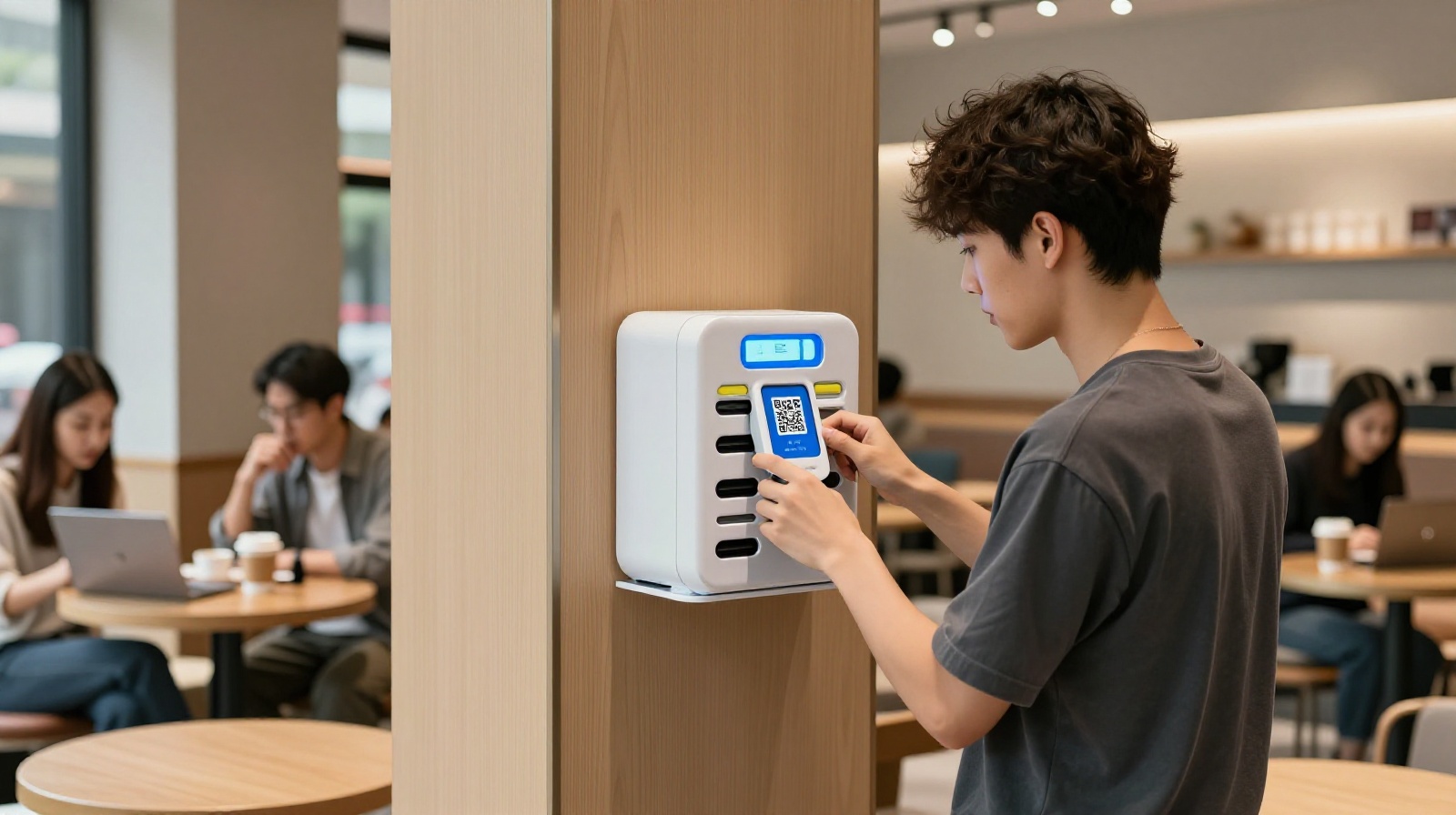
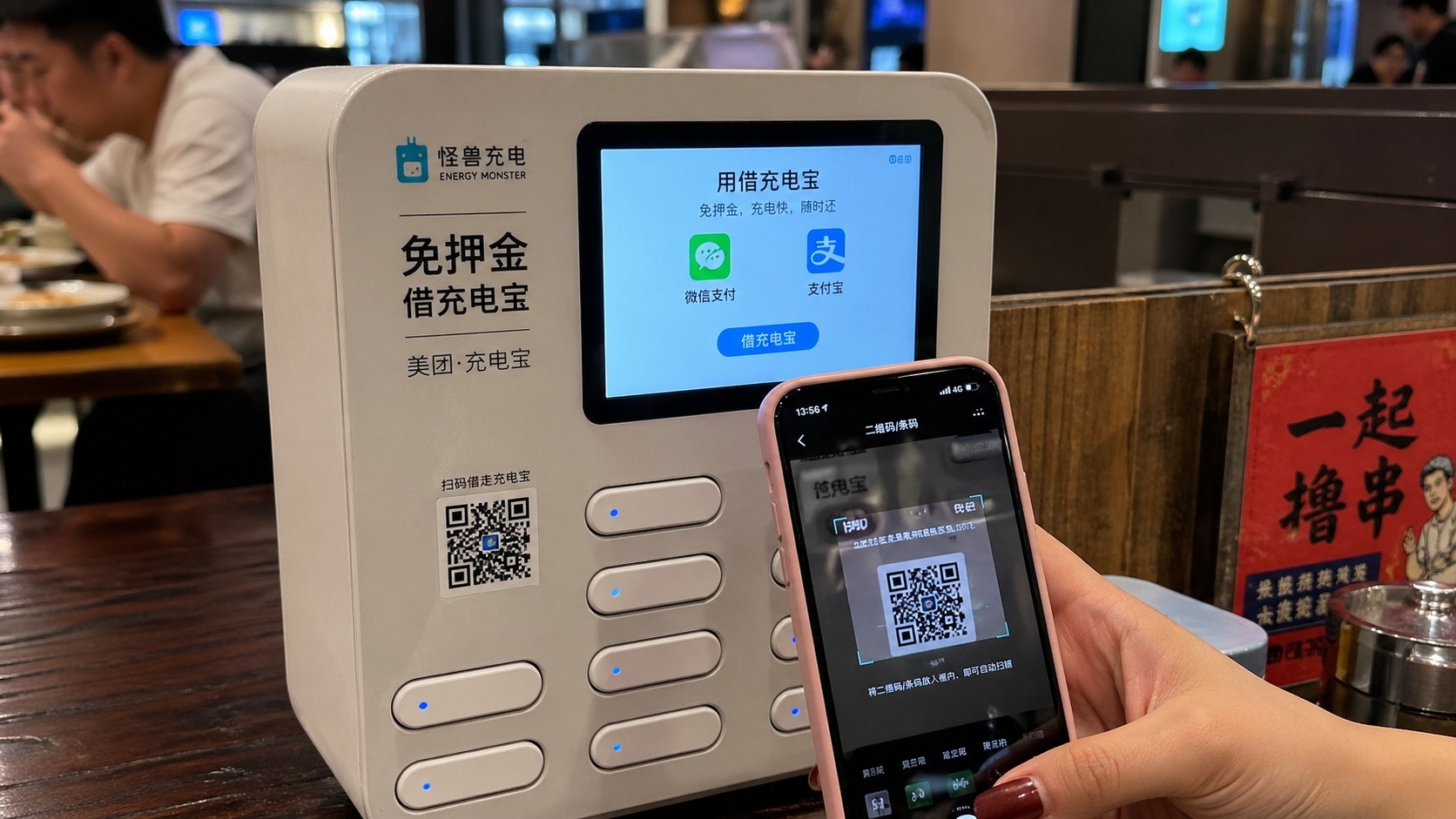
In many Western cities, this is a minor inconvenience. You dig through your bag for a cable that might be missing. But in China, the solution appears instantly. A staff member approaches with a sleek, white box mounted on the table or wall. You scan a QR code with WeChat or Alipay, pay about 3 to 5 RMB (less than $1 USD) per hour, and walk away with a fully charged power bank.
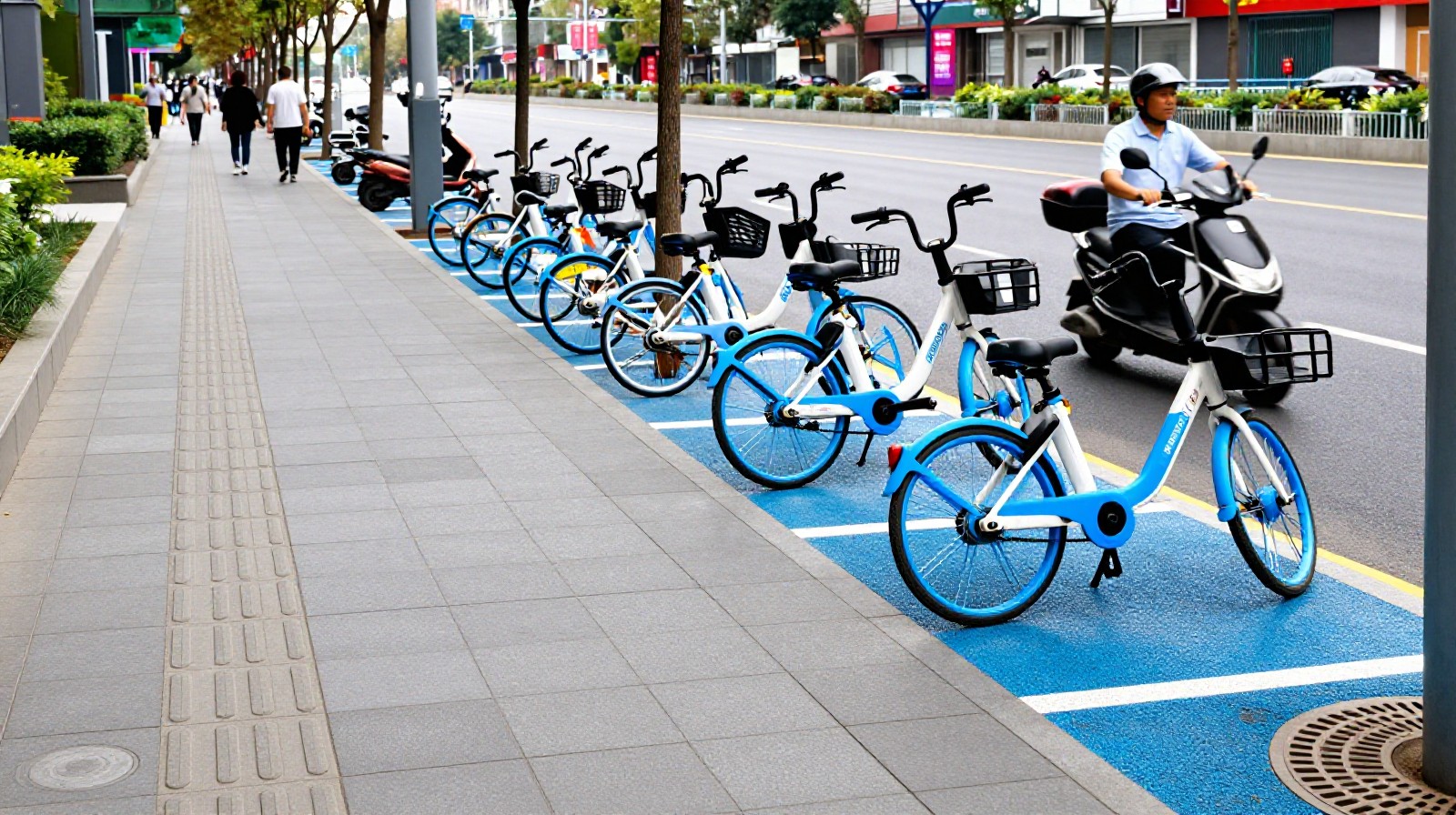
This is the “shared economy” in its most visible form. While global media often focuses on shared bicycles, which once covered Chinese streets like colorful confetti, the real revolution happened indoors. It is quieter, more pervasive, and deeply embedded in daily life.
Why Rent Instead of Buy?
To an outsider, this model might seem absurd. Why not just carry your own charger? The answer lies in three specific factors: density, convenience culture, and the mobile-first payment ecosystem.
First, China’s urban centers are incredibly dense. In a city like Shenzhen or Chengdu, people move constantly between offices, cafes, and transit hubs. Carrying extra accessories becomes a burden. Renting high-frequency items solves this friction.
Second, Chinese consumers prioritize convenience over ownership. For years, e-commerce giants like Taobao and JD.com trained users to expect instant delivery. The next logical step was “instant access” without the need for storage or maintenance. If you only need a drill for ten minutes, why buy one?
Third, this model is powered by mobile payments. In countries where cash or credit cards still dominate, tracking micro-transactions for short-term rentals is logistically difficult and expensive. In China, WeChat Pay and Alipay handle these transactions seamlessly. The friction of payment is nearly zero, making small, frequent rentals economically viable.
Beyond Bikes: The Ubiquity of Sharing
Shared bikes, introduced around 2016, were the flashy beginning. They promised to solve the “last mile” problem—getting from a subway station to your office or home. But they also created chaos: abandoned bikes blocking sidewalks and overflowing parking zones.
The industry learned quickly. Today, bike-sharing is more regulated, with geo-fenced parking spots and stricter management. However, the technology and user habits developed during that boom were applied elsewhere.
Now, look around a modern Chinese cafe or mall. You will see shared umbrellas for rainy days, shared massage chairs in waiting areas, and even shared gaming PCs in internet cafes. In some hospitals, you can rent portable oxygen concentrators or wheelchairs on an hourly basis.
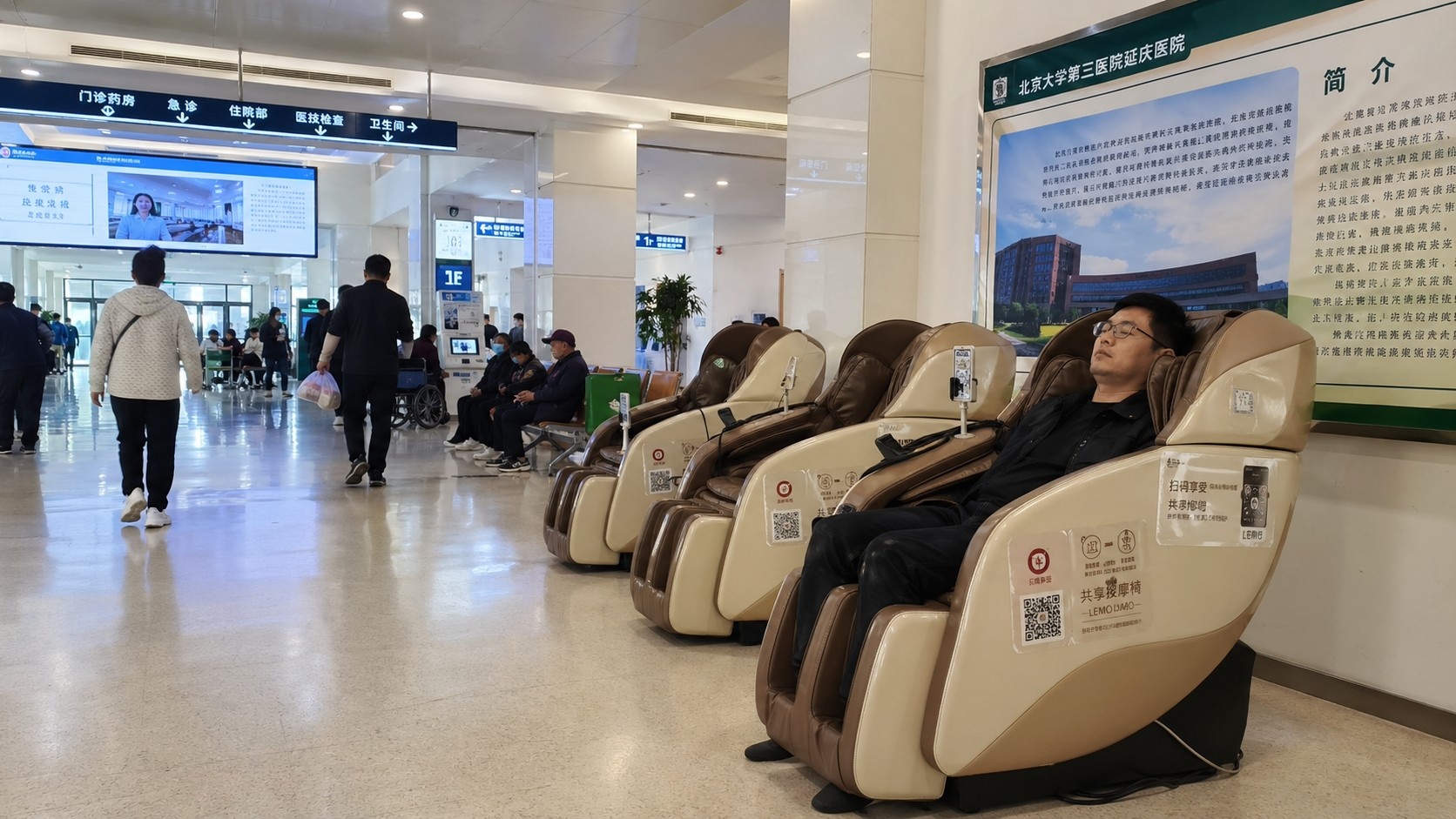
This is not just about laziness; it is about resource optimization. In a society with high population density and rapid consumption cycles, renting allows goods to circulate among thousands of users rather than sitting idle in individual homes. It reduces waste and lowers the barrier to accessing technology.
The Hidden Costs and Challenges
However, this “rent everything” logic is not without its flaws. The business model relies on volume. Companies must have enough units available everywhere to ensure users can always find one. This leads to aggressive expansion and sometimes poor maintenance.
Users often complain about high rental fees during peak hours or the difficulty of returning a power bank at a specific location if all drop-off points are full. There have been cases where deposits were hard to refund, leading to consumer backlash.
Moreover, the environmental impact is mixed. While sharing reduces the number of chargers manufactured, the devices themselves often have short lifespans and end up as e-waste. The industry is now under pressure to improve durability and recycling rates.
A New Economic Logic
For Western observers, the Chinese shared economy can seem strange or even dystopian—a world where you own nothing and are always connected to a platform. But for locals, it is simply how life works. It reflects a pragmatic approach to modern urban living: efficient, digital-first, and highly integrated.
As China’s market matures, the focus is shifting from rapid expansion to profitability and sustainability. Companies are exploring subscription models and better hardware quality. The goal is no longer just to cover every street corner with a bike, but to provide reliable, seamless services that fit into the rhythm of daily life.
Understanding this logic helps decode more than just charging stations. It reveals how technology, culture, and infrastructure in China have converged to create a unique commercial landscape—one where renting is often easier, faster, and sometimes cheaper than owning.