
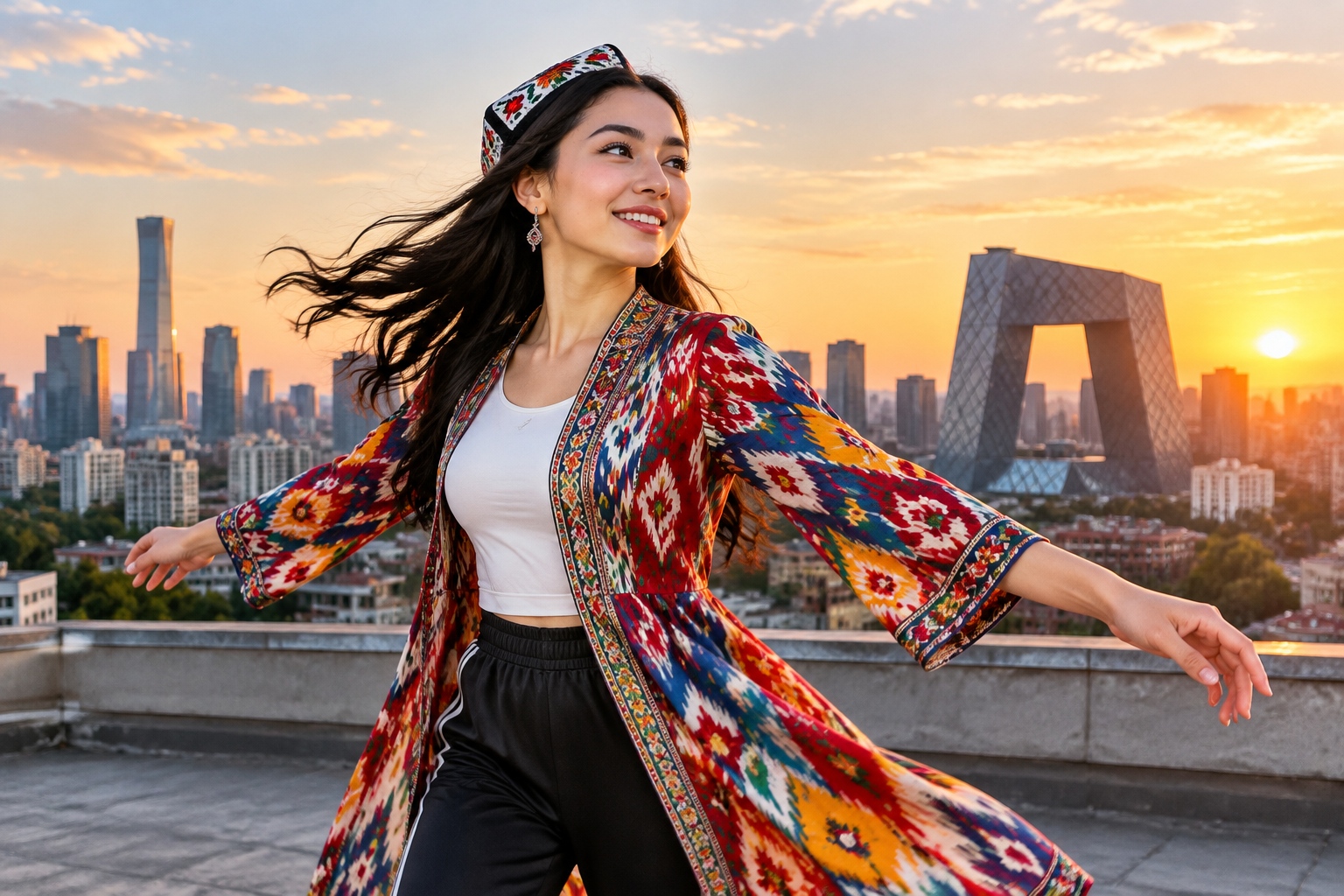

Spinning Under a Beijing Sky
At 6:15 AM, the air in the dormitory room near Zhongguancun is still cool. Inside Room 304, 24-year-old Ailiya wipes sweat from her forehead, her fingers still tingling from hours of stretching. Outside, the Beijing morning begins to stir with the rumble of a delivery scooter and the distant hum of construction cranes. For Ailiya, this is not just another day; it is a continuation of a journey that began thousands of kilometers away in Kashgar.
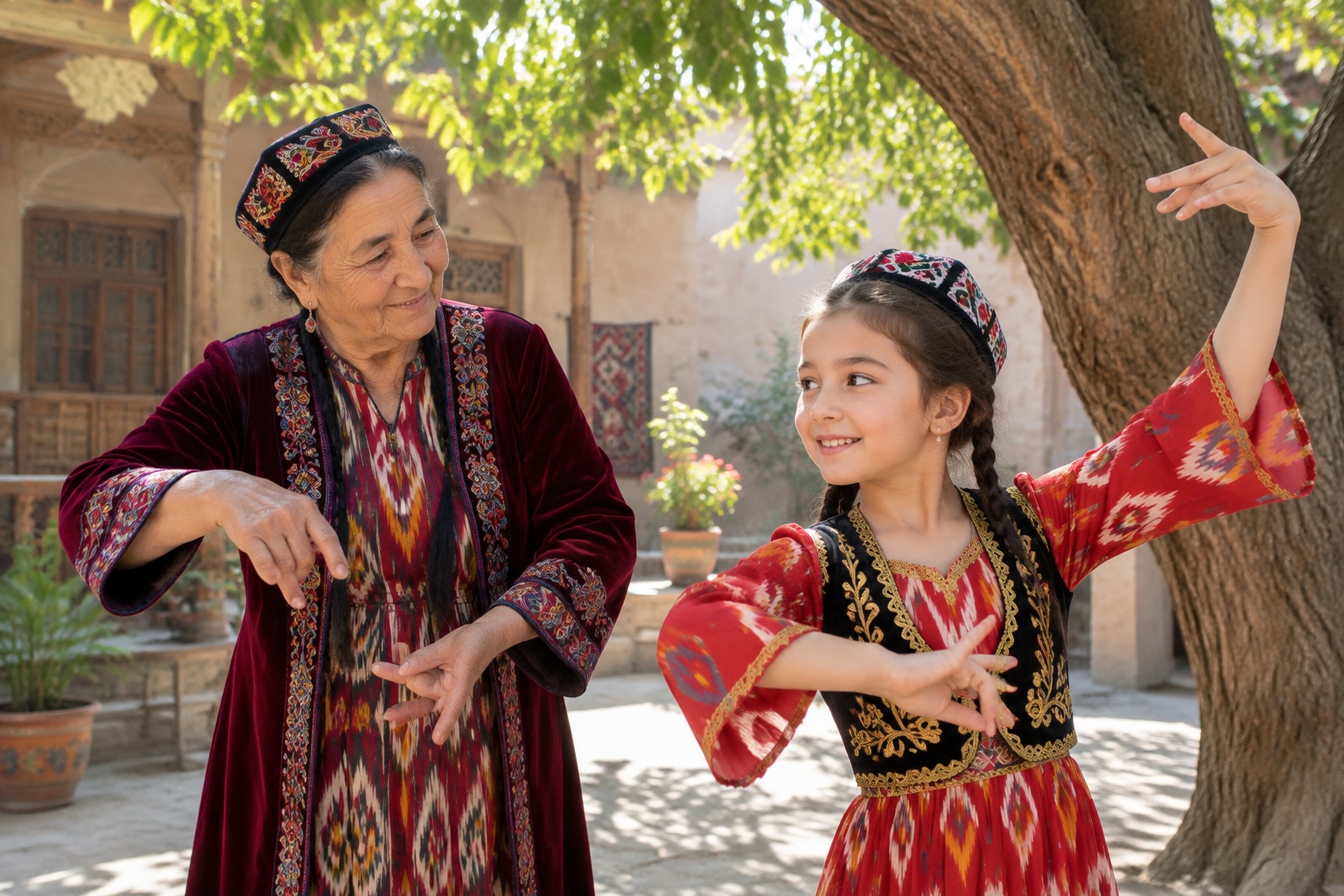
Ailiya grew up in a courtyard house where the scent of roasted lamb and fresh naan bread wafted through open windows. Her childhood was defined by the rhythmic turn of her feet, mirroring the traditional Uyghur dance she learned from her grandmother under the shade of old cypress trees.
“In Xinjiang, we don’t just learn to dance,” Ailiya says in a mix of Mandarin and her native tongue. “We are taught that movement is our history.”
The Long Road from Kashgar
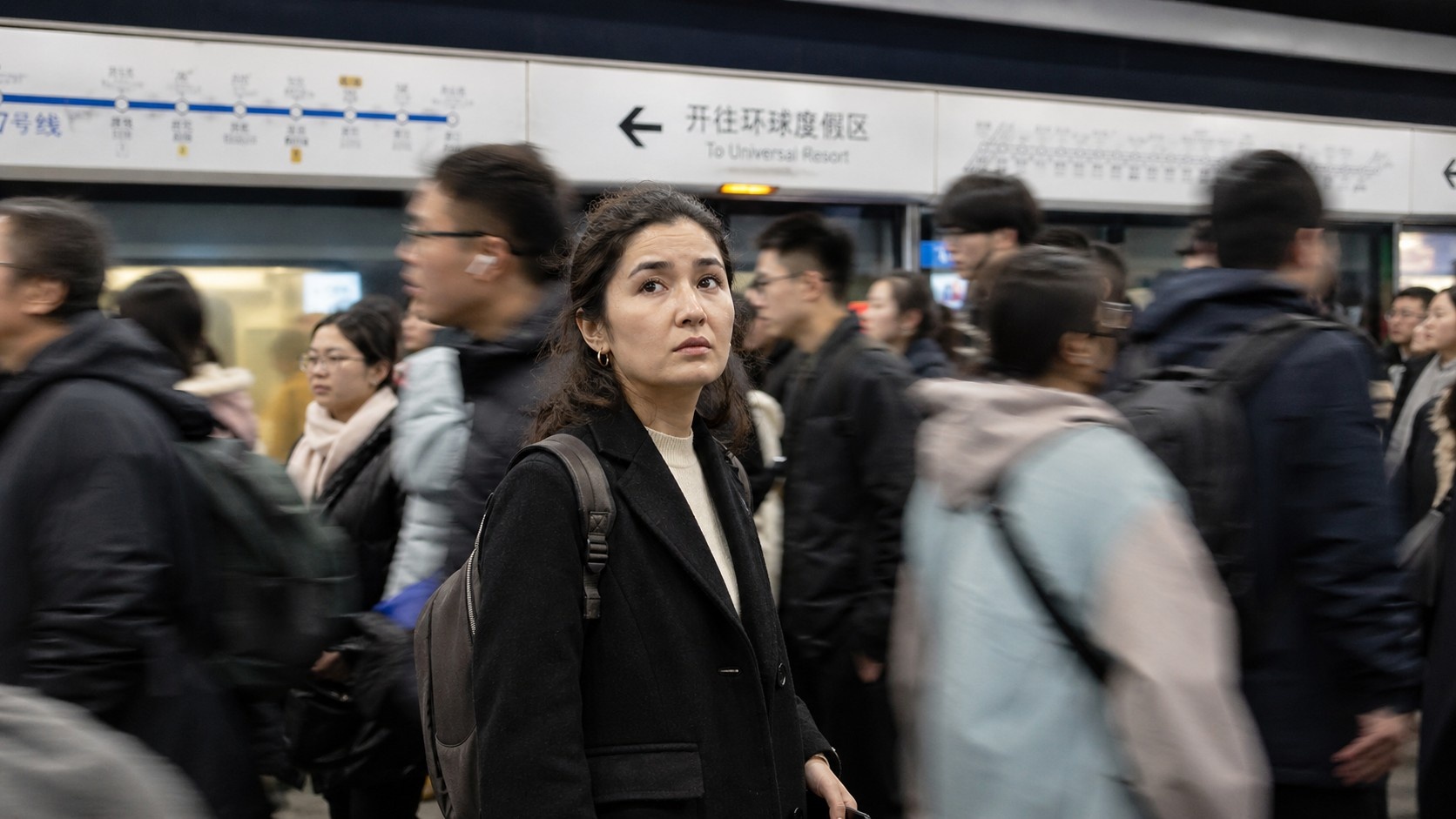
The transition from the vast, open landscapes of Xinjiang to the concrete canyons of Beijing was not merely a change in geography; it was a shift in sensory experience. The first time Ailiya stepped onto the subway platform at Xizhimen Station, she felt overwhelmed by the sheer density of bodies and the speed of the crowd.
Leaving home required more than packing a suitcase. It meant leaving behind a tight-knit community where everyone knew her name, a family that understood the unspoken rules of her culture, and the familiar call to prayer that marked the rhythm of the day. In Beijing, she initially struggled with the silence of a city that did not revolve around the same spiritual markers she was used to.
The journey itself took 20 hours by high-speed train. As the landscape shifted from arid deserts and cotton fields to grey urban sprawl, Ailiya watched how people’s faces changed. The open, expressive warmth of her hometown gave way to a focused, hurried efficiency that characterizes life in China’s capital.
Dancing Through Adaptation
Getting into Beijing Dance Academy was only the beginning. The studio environment is rigorous, demanding precision and discipline that often clashes with the improvisational joy of traditional folk dance. Ailiya found herself constantly adjusting. She had to learn to speak faster Mandarin to keep up with her instructors, navigate a food culture where spicy Sichuan pepper tasted nothing like the cumin of home, and find a rhythm in a city that never seems to slow down.
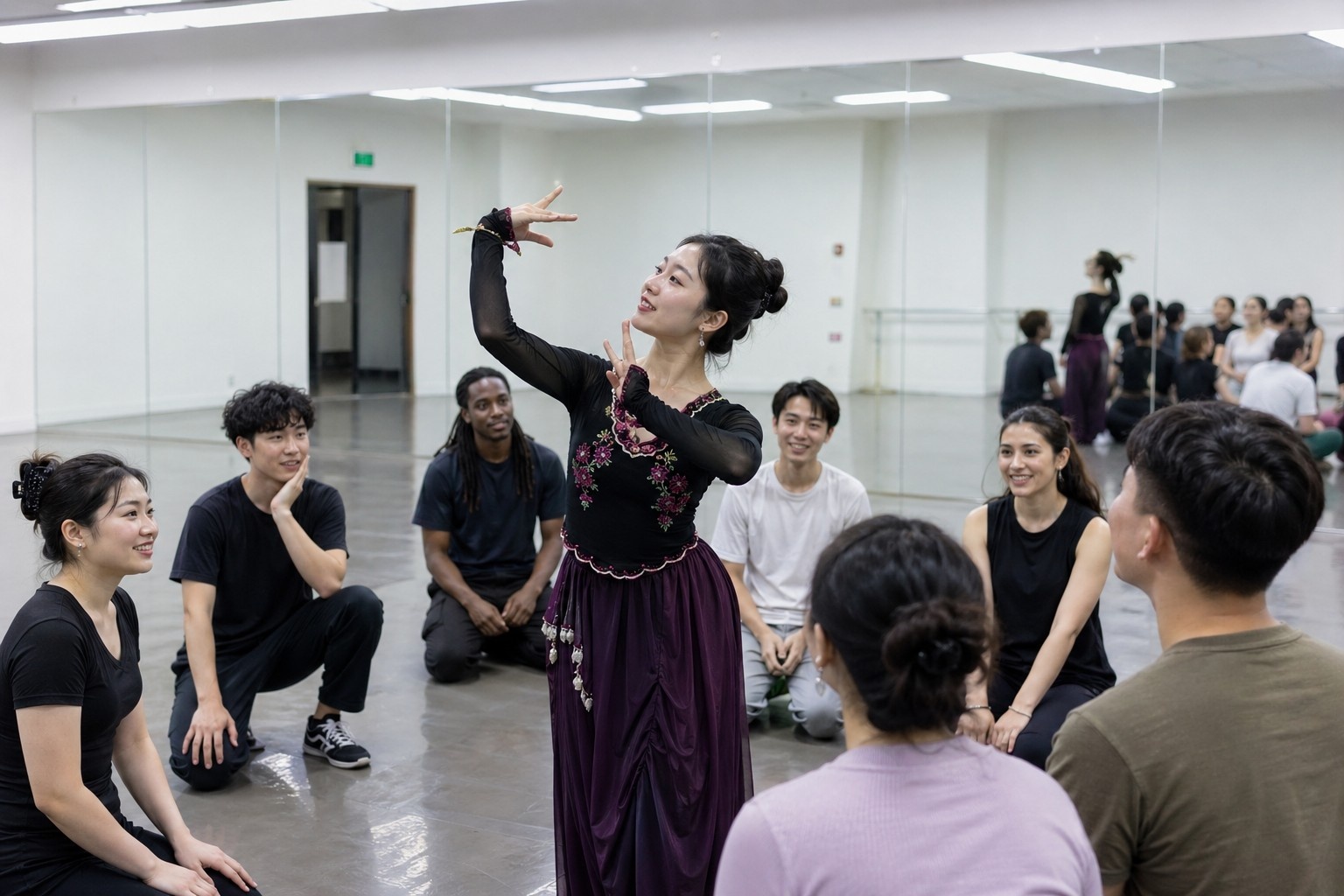
Yet, the challenges were not just personal; they were cultural. In the early days, some classmates didn’t understand why she needed to pray before practice or why she refused certain foods. But slowly, through shared meals and late-night rehearsals, bridges were built. Her traditional Uyghur dance style, with its intricate hand gestures and neck movements, began to intrigue her peers.
She started a small cultural club in the dormitory, teaching friends how to twirl and clap to the melody of the *Dutar*. The response was immediate and warm. People from different provinces were fascinated by the stories embedded in every spin.
A Platform for Unity
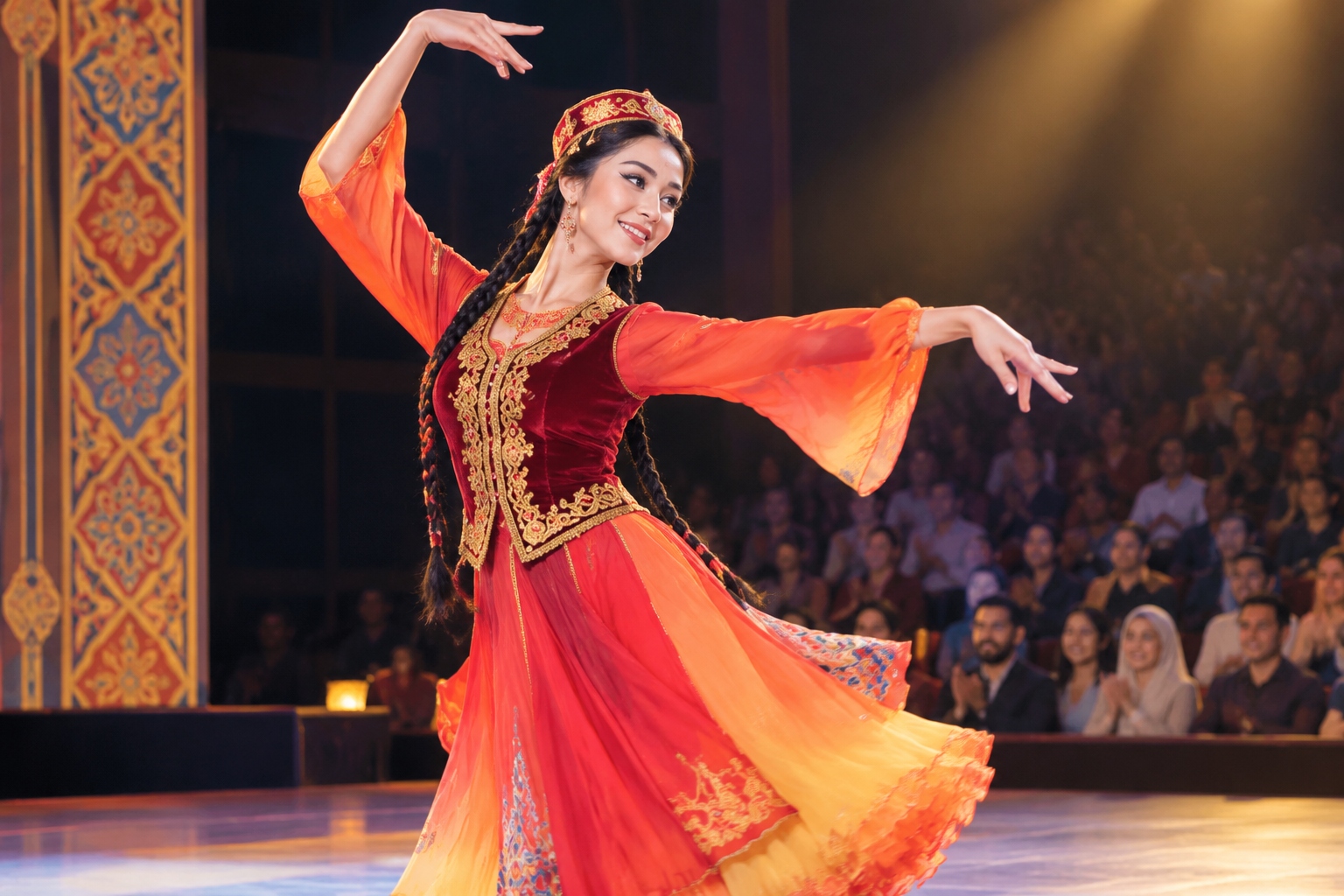
Today, Ailiya is no longer just a student; she is a performer on national stages. She has participated in festivals where her dance is celebrated not as an exotic curiosity, but as a vital part of China’s diverse cultural tapestry.
The support system in modern China for ethnic minorities pursuing arts is significant. Government scholarships cover tuition, and community centers in Beijing offer spaces for minority groups to gather and perform. But more importantly, there is a growing public appreciation for this diversity.
When Ailiya performs on stage, she sees the audience not as a monolith, but as a mix of Han Chinese, Hui, Tibetan, and other ethnic backgrounds, all watching with genuine interest. Her dance has become a language that transcends words. It tells a story of resilience, of a young woman who left her comfort zone to chase a dream, and of how different cultures can coexist and enrich one another.
The Future in Every Step
Ailiya’s story is not unique, but it is representative. Across China, from the bustling tech hubs of Shenzhen to the historic streets of Xi’an, young people from diverse backgrounds are carving out their paths.
For Ailiya, the journey is far from over. She dreams of choreographing a piece that blends traditional Uyghur motifs with contemporary urban dance, creating a new narrative for her generation. Her steps on the Beijing stage are no longer just a personal quest; they are a testament to the vibrant, inclusive reality of modern China.
As she stretches one last time before practice ends, Ailiya smiles. The city lights flicker outside her window, but inside, the rhythm remains true.
Start the discussion at forum.chinacomes.com