
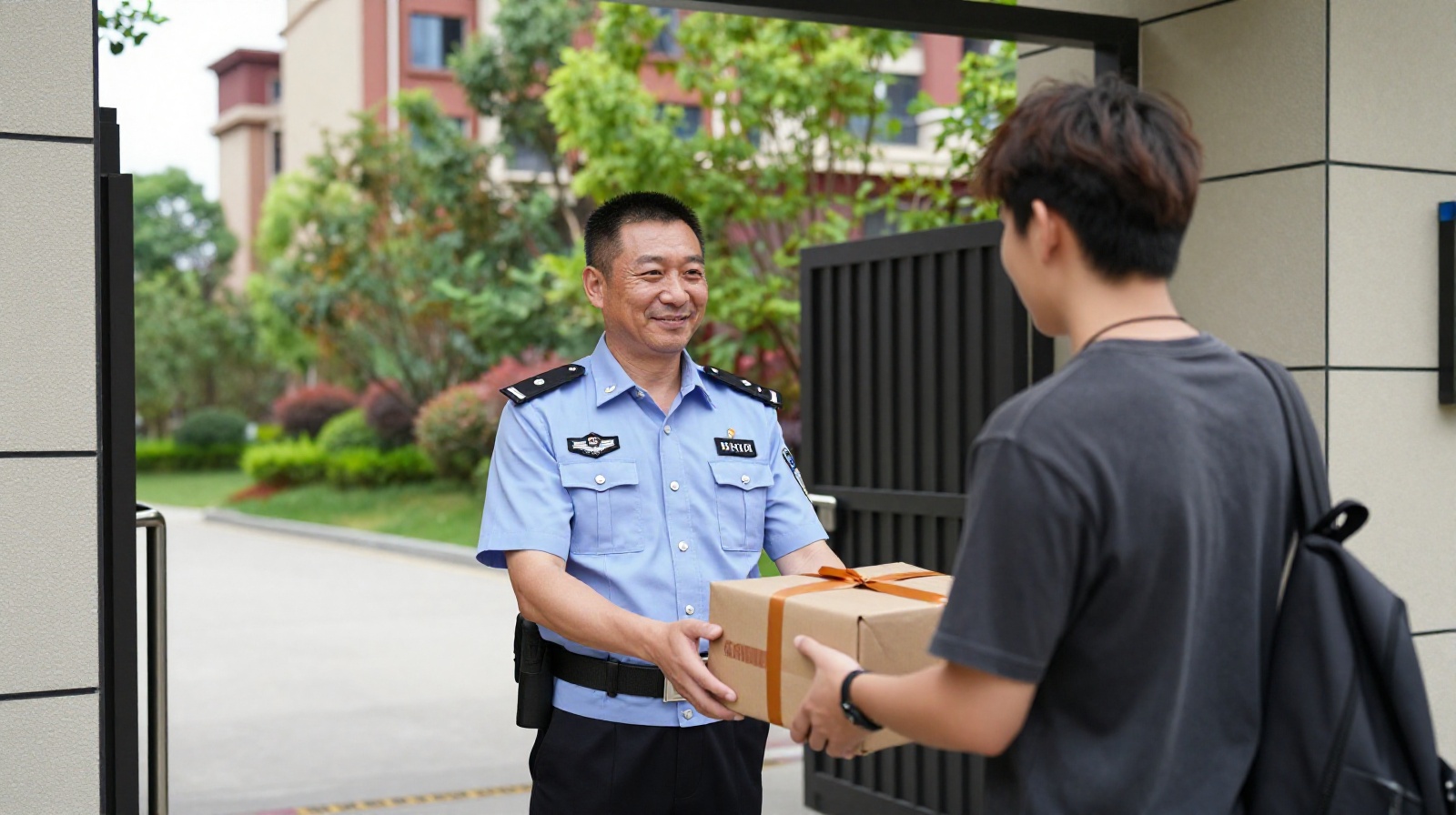

The Gatekeeper Who Knows Everything
When you first move into a residential compound in China, the most intimidating face you will meet might not be your landlord or your neighbor. It is Uncle Wang, the security guard at the main gate.
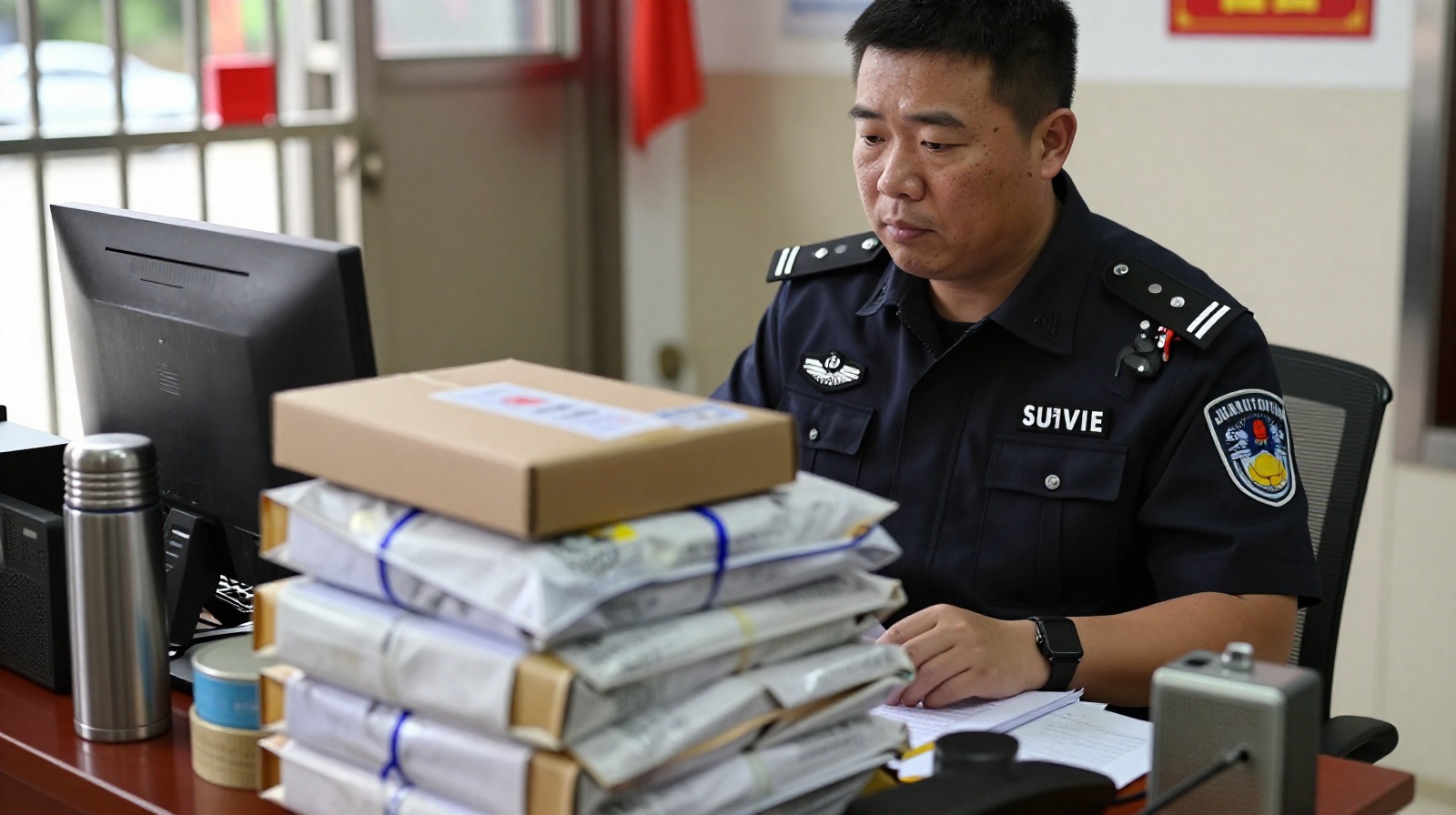
To many foreigners, “Bao’an” (security guard) sounds like a job description with limited scope: stand there, check IDs, and open the gate. But in China’s high-density housing system, this role is far more complex. Uncle Wang doesn’t just watch cameras; he knows who lives on which floor, which family has a new baby, and where the best dumplings are sold within a three-kilometer radius.
More Than Just a Gatekeeper
In Western apartment complexes, security is often passive. In China, it is active and deeply embedded in daily life. The Bao’an is the community’s nervous system.
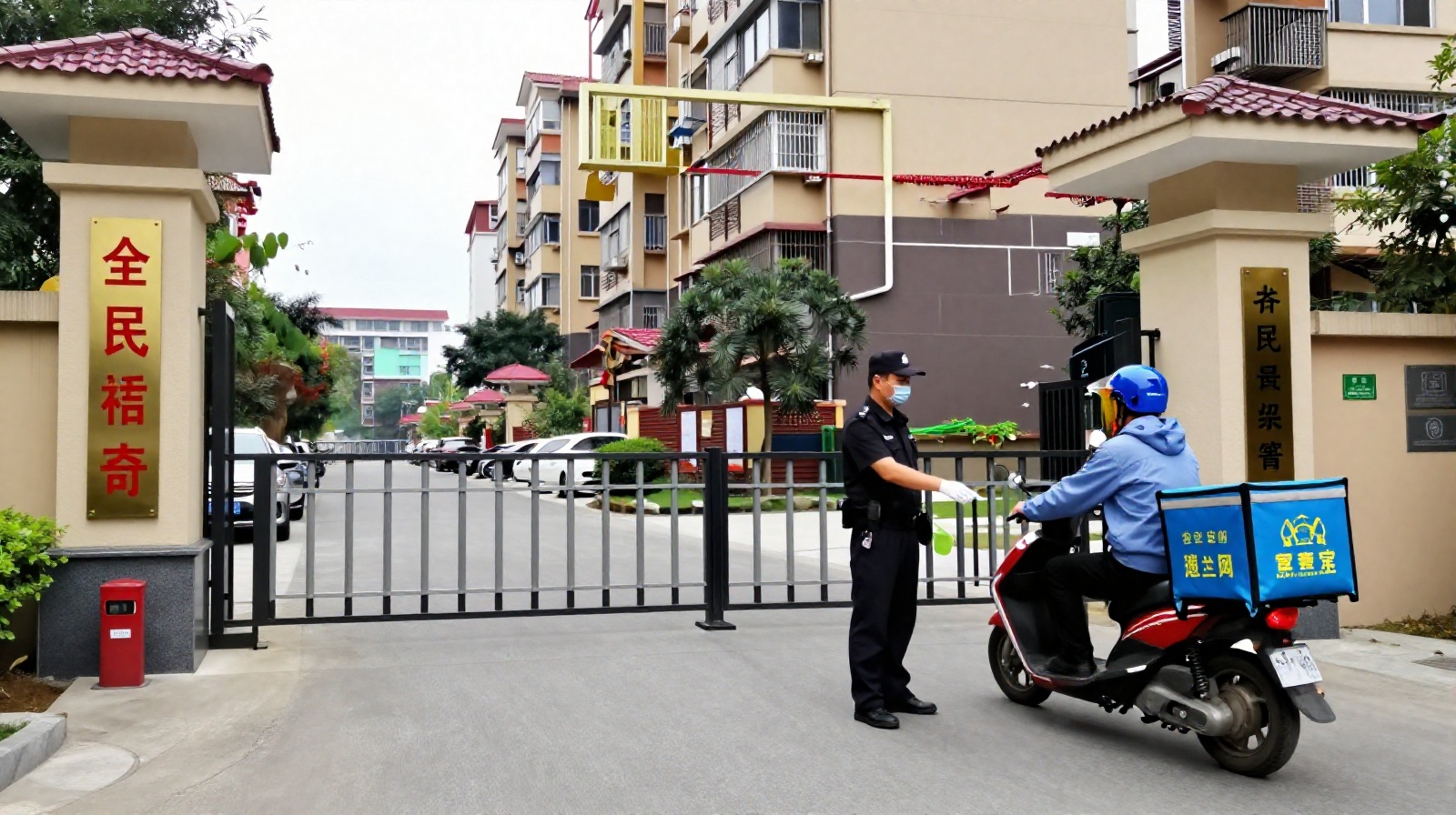
Consider the logistics of modern Chinese living. You work late. Your deliveries arrive at all hours. Without a Bao’an, your packages might be left outside vulnerable doors or lost in sorting centers. With him, you have a human vault. He checks his phone for incoming notifications, sorts hundreds of parcels by building number, and holds yours until you pass by on your way home. This isn’t just convenience; it is a critical service that keeps urban life running smoothly.
The Magic Words: “Shifu Hao”
If you want to unlock this support system, you need only two things: respect and a simple greeting. The magic phrase is “Shifu hao” (Master/Greetings, Master). Shifu is a respectful term for skilled workers—drivers, technicians, guards.
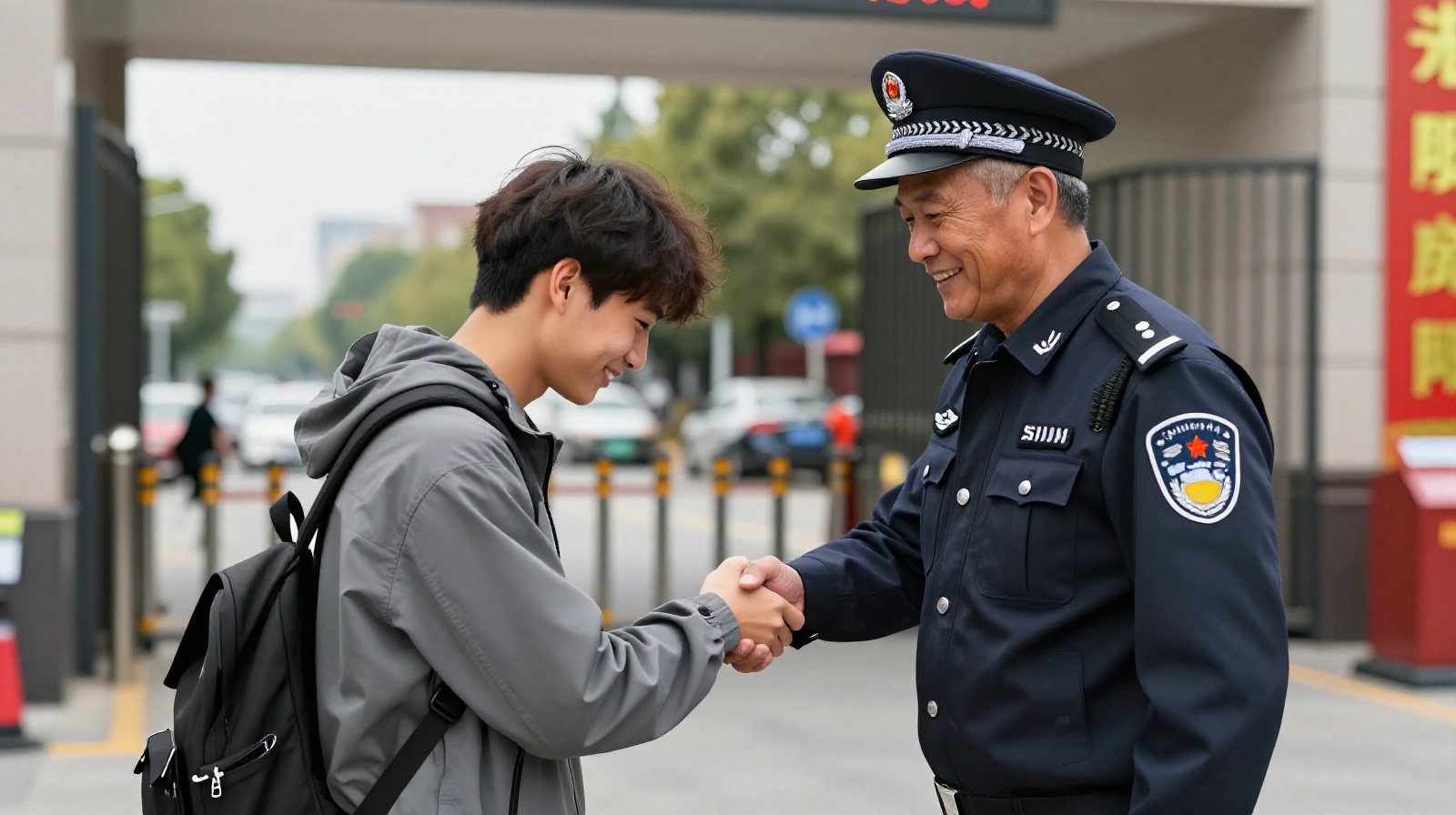
Saying it correctly changes the dynamic instantly. It signals that you see him as a person, not just a uniform. Once this bridge is built, his role expands. He might help you hail a taxi in the rain when apps fail. He can point you to the nearest pharmacy if you wake up with a fever. He might even warn you about a leaky pipe on your floor before it causes damage.
Building Trust Across Generations
The Bao’an generation varies. Some are retirees from nearby factories, others are younger migrants seeking stability. The key to interacting with them is consistent, low-stakes friendliness.
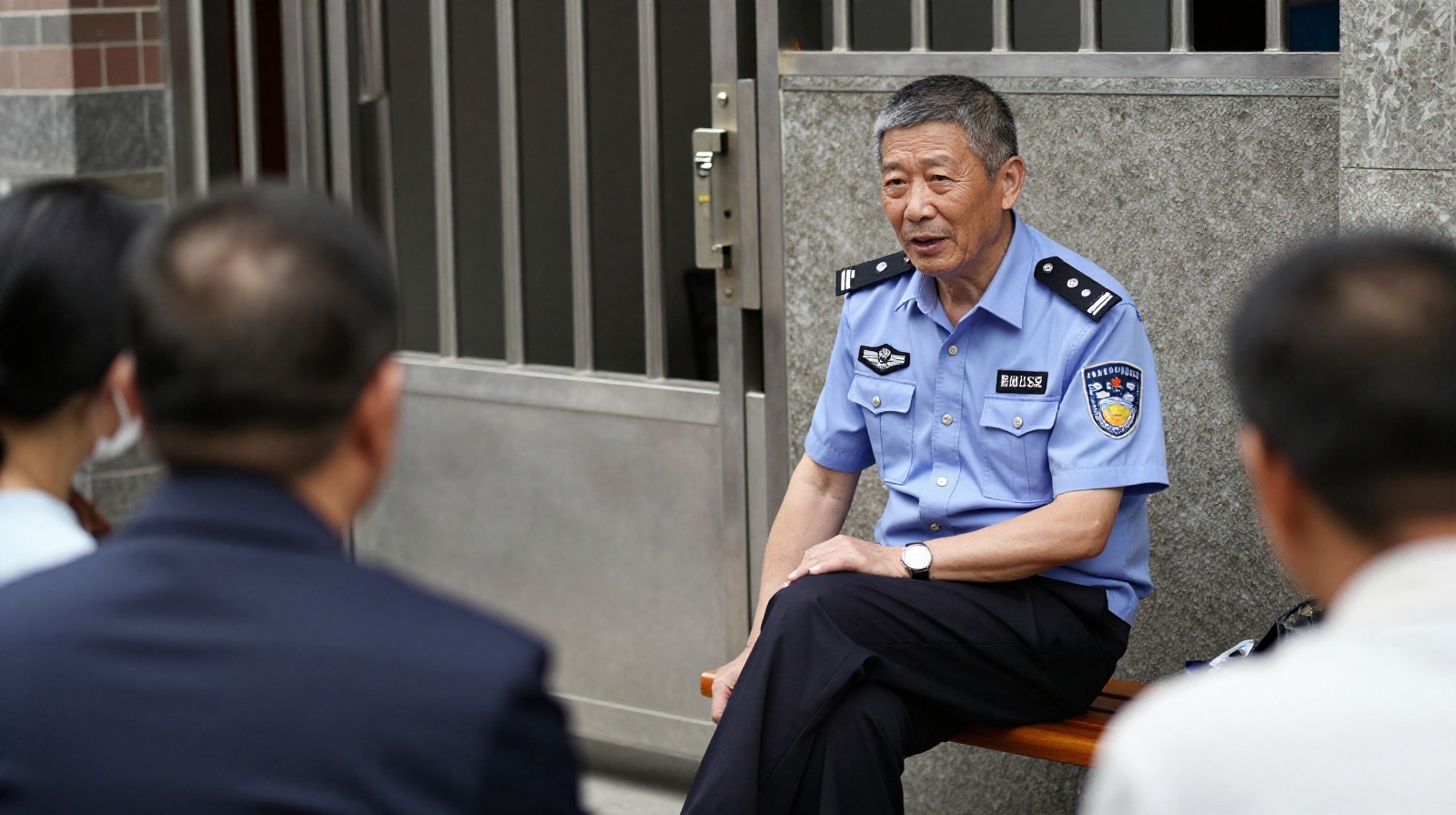
Don’t treat the gate as a checkpoint you must endure. Treat it as an entry point into the neighborhood. A nod, a smile, or asking about the weather in winter builds rapport over time. This isn’t bribery; it’s social lubrication. In China’s collective living culture, being “known” is safety. When Uncle Wang knows your face, he also knows when someone else doesn’t belong. He becomes your first line of defense against strangers.
Why This Relationship Matters
This dynamic creates a unique sense of urban security. You don’t just feel safe because there are cameras; you feel safe because there is a person who cares if you get home in one piece. It transforms a concrete jungle into a community.
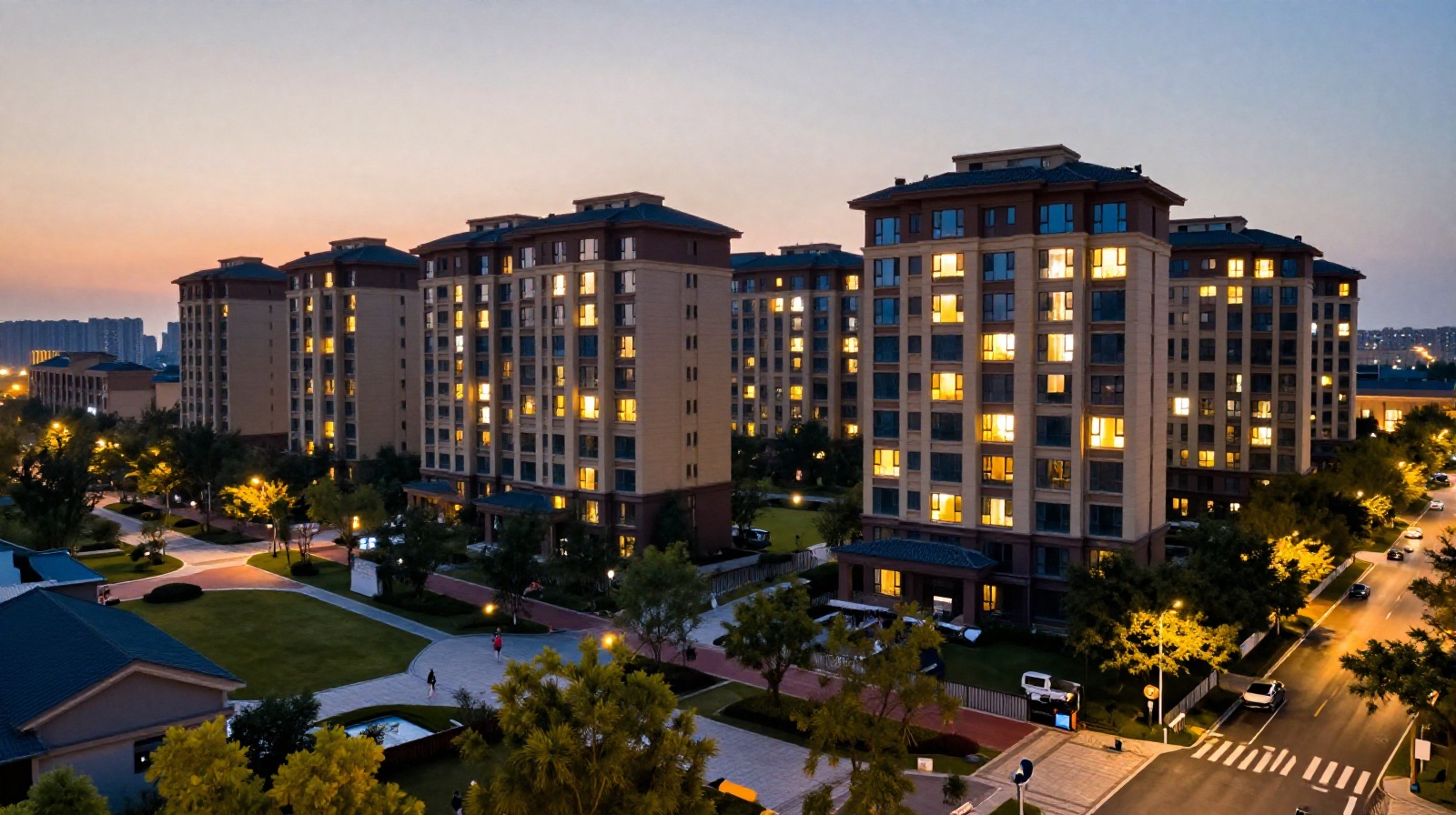
Next time you approach the gate, pause. Look past the uniform. See the ally standing there. A simple “Shifu hao” might be the best investment you make in your new life in China.