

The Morning Rush on the Water
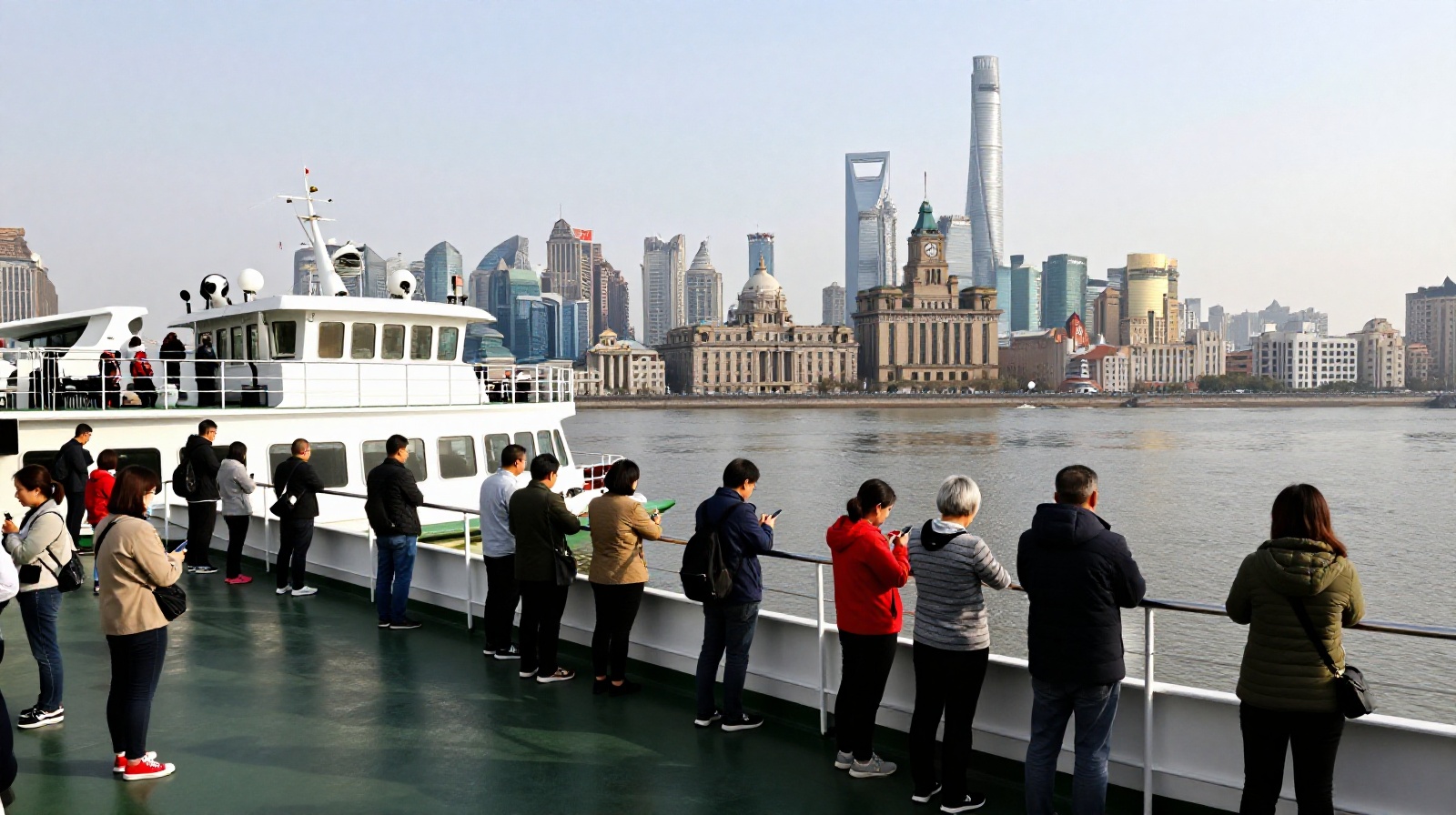
At 7:45 AM, the air by the Bund in Shanghai is crisp, carrying the faint smell of diesel and river water. It isn’t quiet. Hundreds of people are moving with purpose toward the boarding gate of Pier 10. They aren’t holding cameras or ice cream cones; they are clutching subway passes, coffee cups, and backpacks.
They are about to board a ferry. For these commuters, this isn’t a sightseeing trip. It is simply the fastest way to get from Pudong to Puxi, crossing one of the world’s most famous rivers for less than half a dollar.
In many Western cities, river transport is reserved for luxury tourists or seasonal festivals. In China, it remains a vital piece of urban infrastructure, quietly integrated into the daily rhythm of millions.
A Ticket That Costs Pennies
The price tag is what catches everyone’s attention first: 2 RMB (about $0.28 USD). This flat rate applies to almost all intra-city ferry lines in major ports like Shanghai, Guangzhou, and Tianjin.
Compare this to the subway, which might cost $1–$3 depending on distance, or a taxi that could run $15 for the same crossing during rush hour. The ferry offers a third option: slow, steady, and incredibly affordable.
Commuters, Not Tourists
If you stand on the deck of a typical morning ferry in Shanghai, you will notice something distinct about the passengers. While tourists flock to the large, illuminated cruise ships that depart later in the day, the small, utilitarian ferries at the piers are filled with locals.
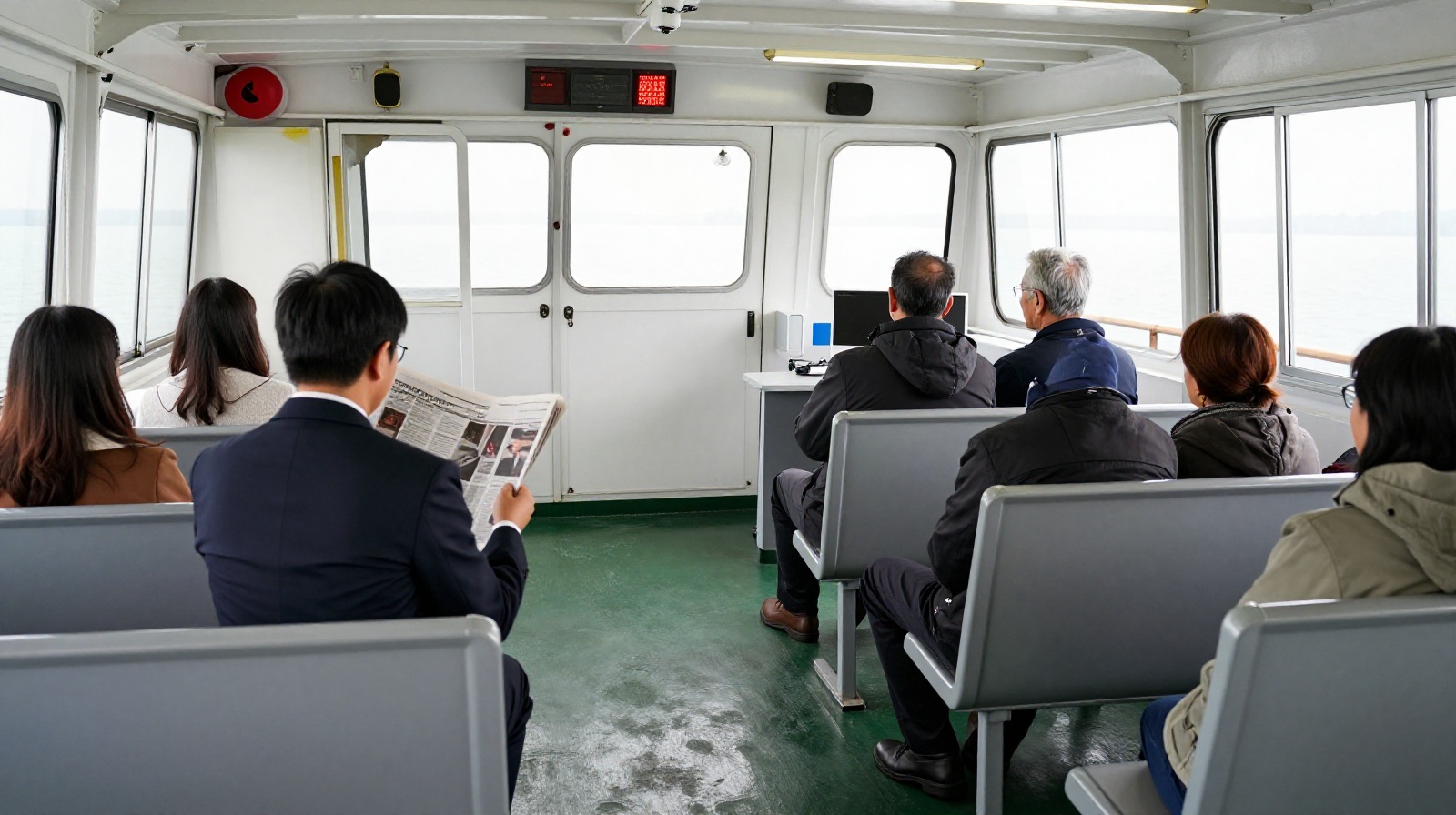
There are office workers checking emails on their phones, students reading textbooks, and elderly residents chatting quietly. The atmosphere is calm but efficient. No one is rushing because the water doesn’t have traffic jams.
The journey takes about 15 minutes across the Huangpu River. It feels like a pause in the day—a rare moment where you can step away from the noise of sidewalks and subway stations to watch the skyline glide by.
How to Ride Like a Local
For foreign visitors, using the city ferry is one of the easiest ways to blend in. Here is how to navigate it without the hassle:
1. Choose the Right Pier
Avoid the large tourist terminals near major attractions if you want the commuter experience. Instead, look for smaller piers labeled with numbers (e.g., “Pier 6” or “Pier 9”). These are used primarily by residents.
2. Payment is Seamless
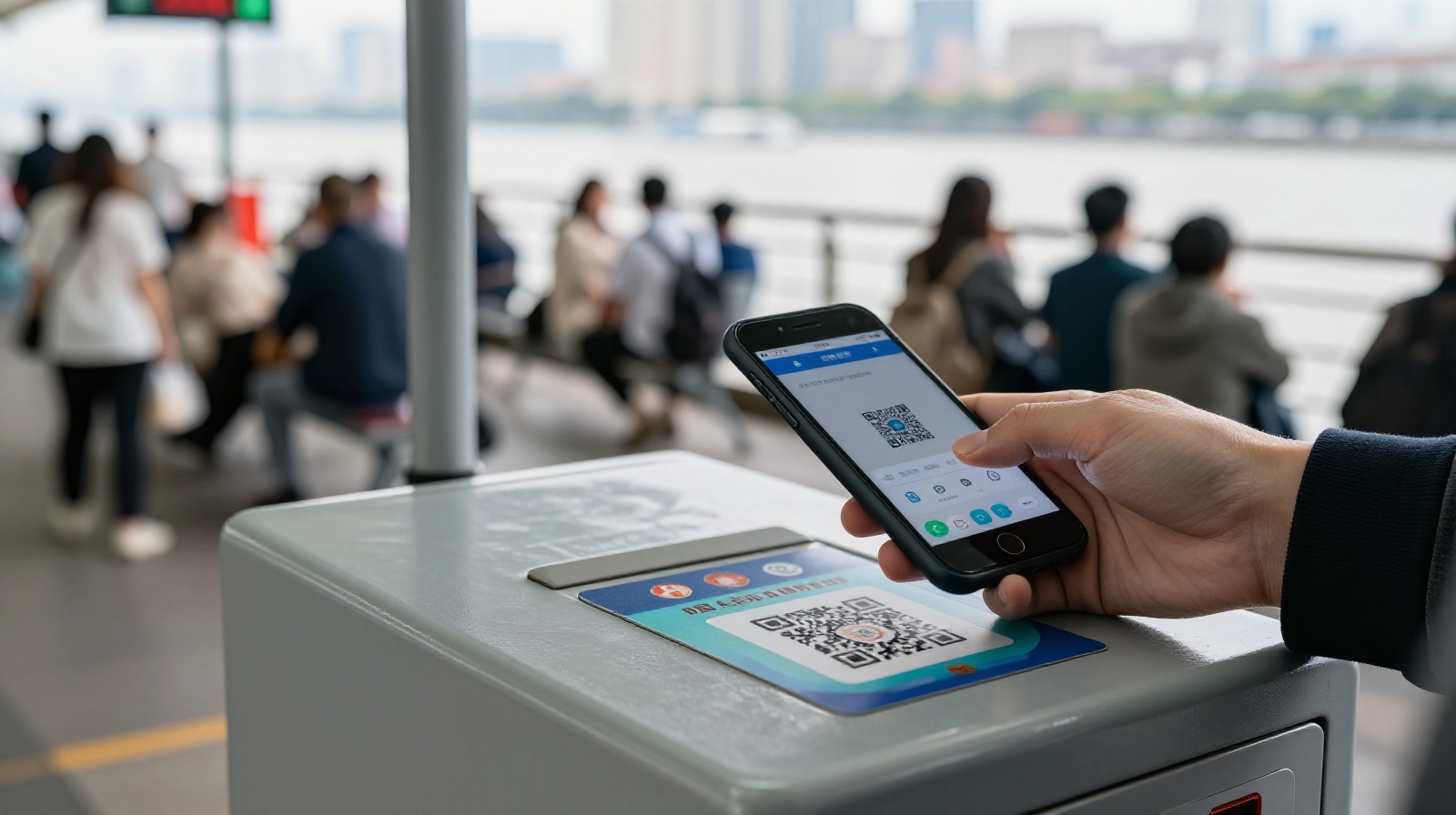
You don’t need to buy paper tickets. In Shanghai and Guangzhou, you can simply tap your phone against the NFC reader with Alipay or WeChat Pay. Alternatively, a standard public transport card works perfectly.
3. Mind the Schedule
Ferries usually run from early morning (around 6:00 AM) until late evening (8:00 or 9:00 PM). They are most frequent during rush hours but still operate regularly throughout the day.
The View From the Railings
Why do people choose the ferry when subways are faster? It’s about perspective.
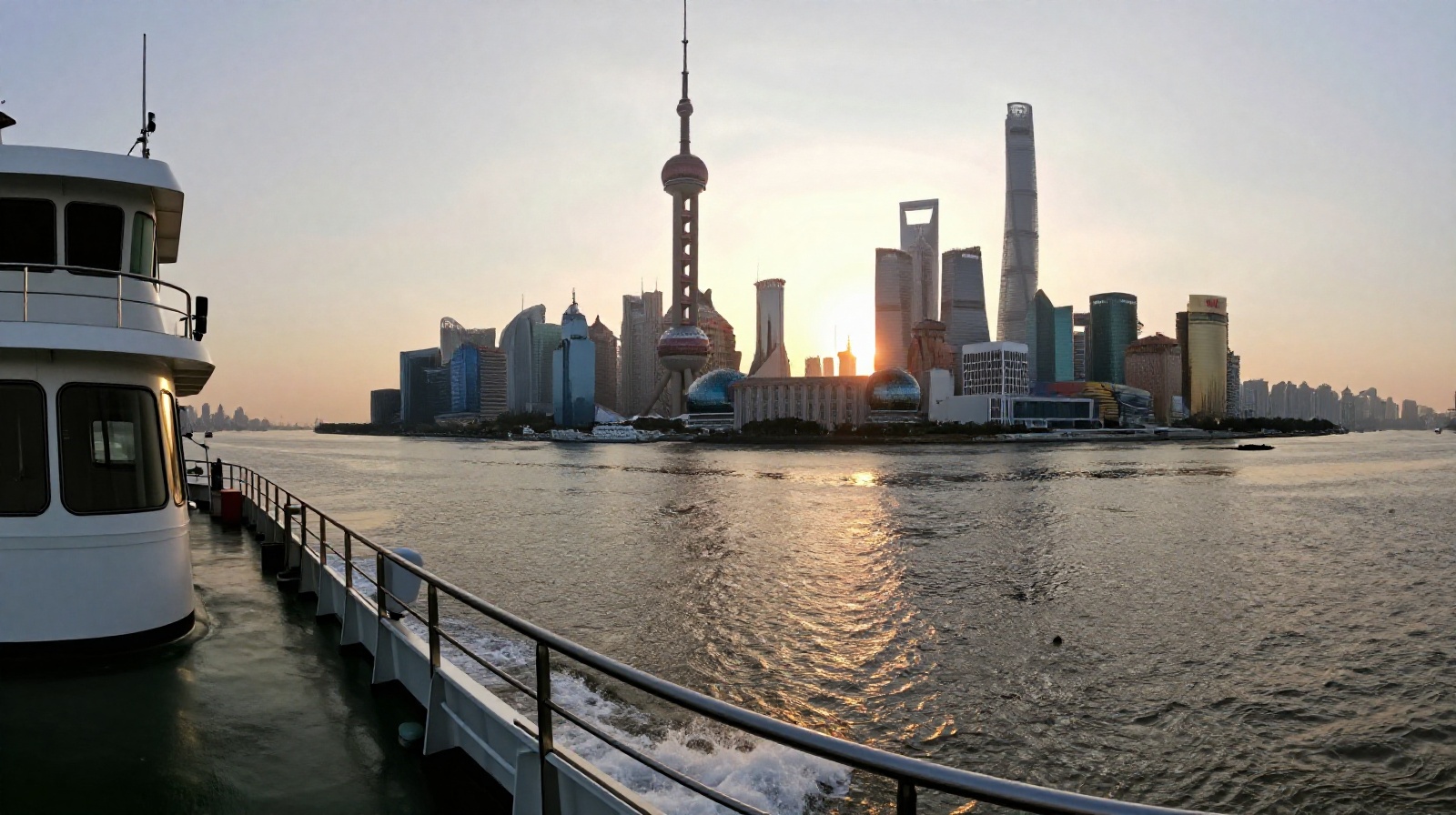
From the water, you see the city differently. The massive skyscrapers of Lujiazui in Shanghai or the historic buildings of Guangzhou’s Pearl River appear in full scale, reflecting off the waves. It is a reminder that these cities were built around their waterways first.
More Than Just Transport
The city ferry is a symbol of practical Chinese urbanism. It doesn’t try to be glamorous. It just works. For the daily commuter, it is a reliable habit. For the observer, it is a window into the unvarnished reality of modern Chinese life.
Next time you are in a port city in China, skip the expensive dinner cruise. Walk down to the nearest pier, tap your card, and join the crowd crossing the river. You will see the city as it truly is: busy, beautiful, and moving forward at its own pace.