

Beyond the Legend of the Great Migration
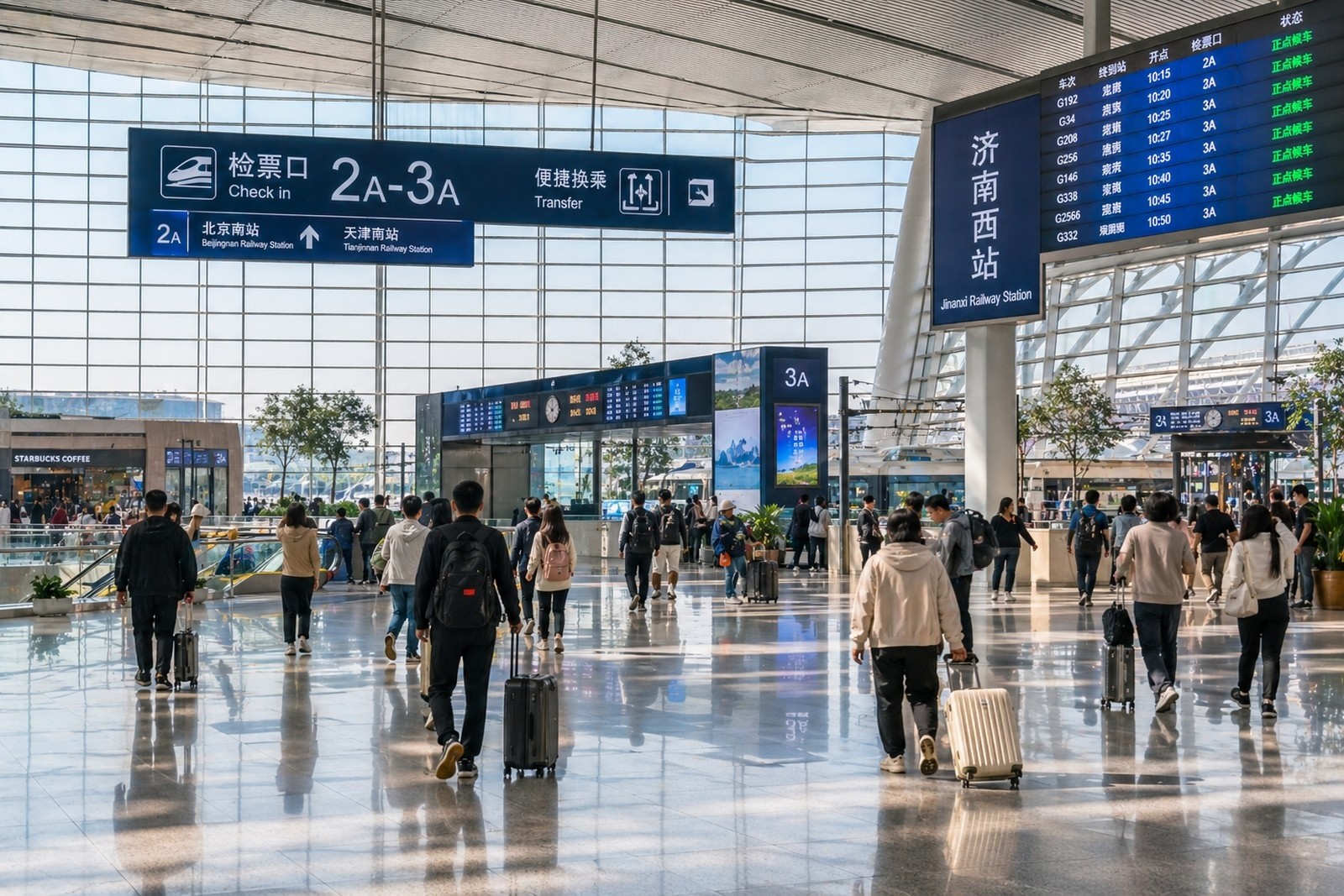
When most people think of holidays in China, they immediately picture an apocalyptic scene: airports jammed with luggage, train stations that look like refugee camps, and highways moving at a snail’s pace. It is true that during the Chunyun (Spring Festival travel rush) and the October National Day Golden Week, millions of people move simultaneously.
But here is the secret that most guidebooks miss: if you treat these periods like Western holidays—where everyone decides to leave on Friday afternoon—you will struggle. The key to surviving Chinese holidays isn’t bravery; it’s timing.
The Calendar of Chaos: When to Go and When to Stay Away
To navigate this, you first need to understand the rhythm. China has two massive travel peaks that operate differently.
Spring Festival (Late Jan – Early Feb)
This is the Lunar New Year. It is not just a holiday; it is a cultural homecoming. For three weeks leading up to and following the festival, the entire country shifts focus toward family reunions.
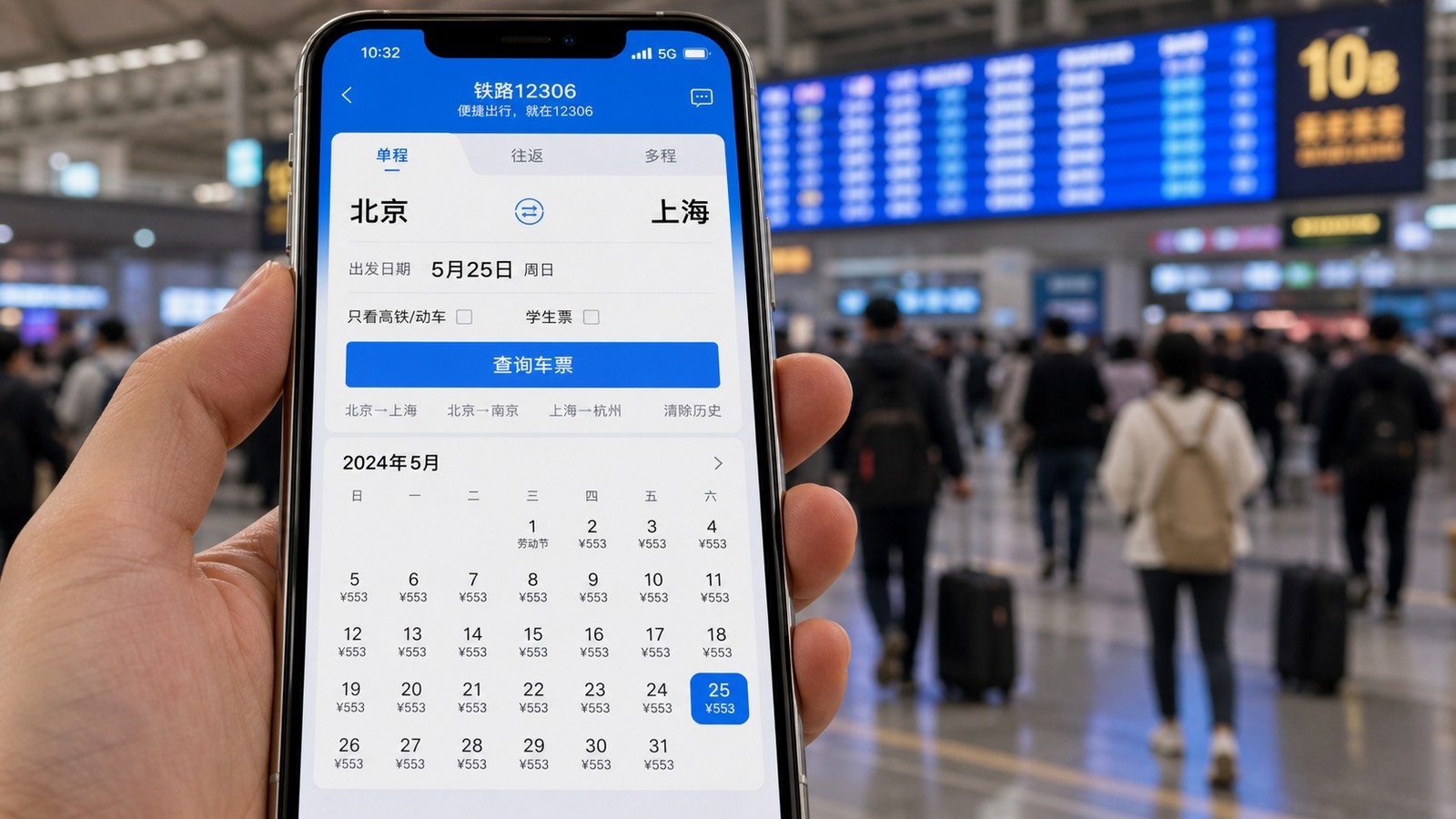
- The Absolute Peak: The 3-5 days immediately before and after New Year’s Eve are the most congested. Train tickets vanish in seconds via apps like WeChat or 12306.
- The Sweet Spot: If you must travel during this time, aim for the second week of the holiday (days 7-14). By then, the initial rush to return home has settled into a slower wave of visiting relatives and local tourism.
National Day Golden Week (October 1-7)
Unlike Spring Festival, which is about going home, National Day is often about going away. It marks the beginning of autumn in many parts of China, making it a prime time for domestic tourism.
- The Trap: October 1-3 sees massive crowds at famous landmarks like the Great Wall or West Lake. Prices for hotels and flights often double.
- The Escape: Start your trip on September 28th or 29th to beat the pre-holiday rush, or wait until October 5th to visit popular spots when the first wave of travelers has already dispersed.
The Art of “Reverse Travel”
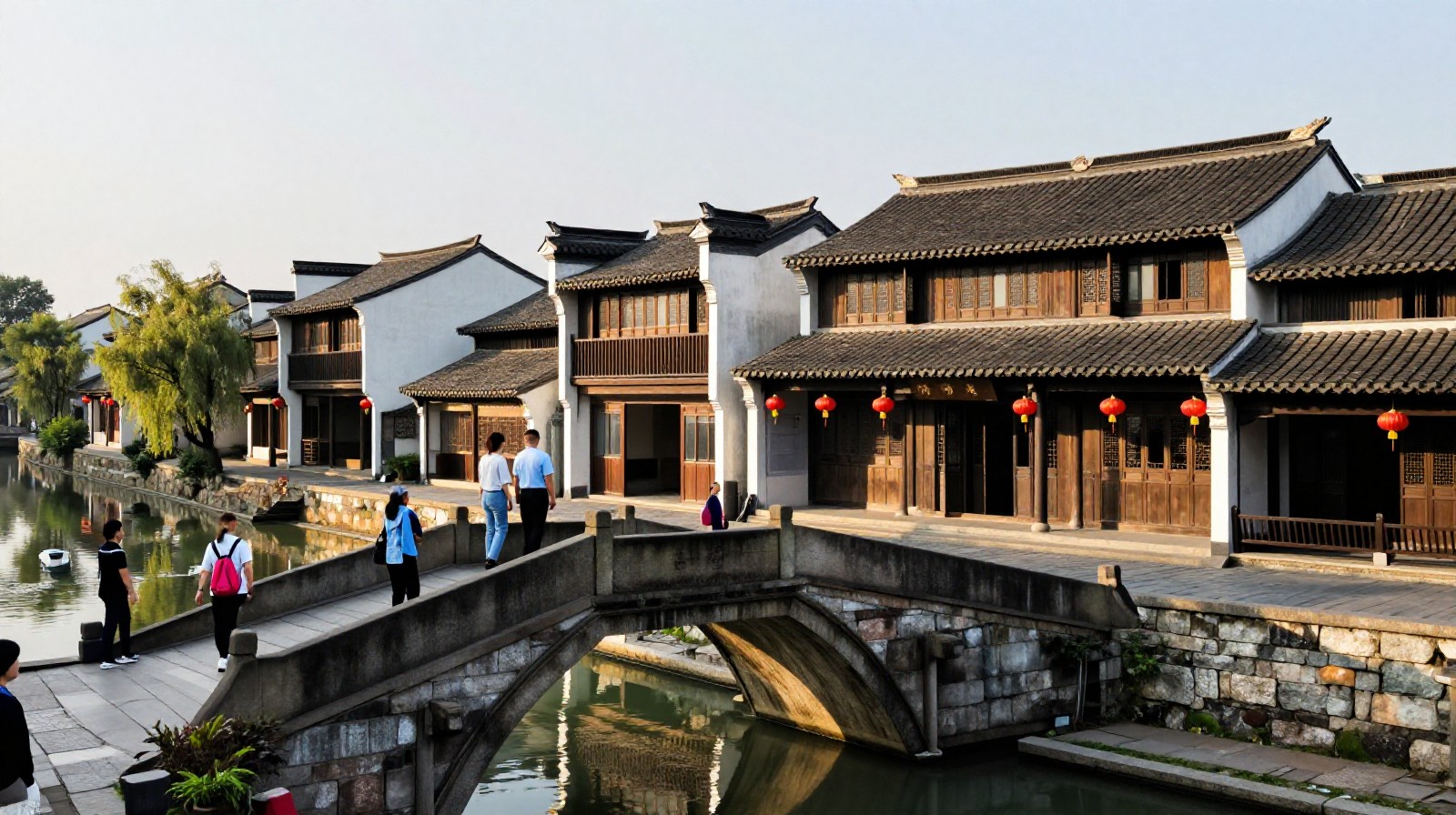
In recent years, a new trend has emerged among Chinese millennials and Gen Z: reverse travel. Instead of flocking to Sanya for beaches or Chengdu for pandas, they choose small, less-known cities in the interior. This strategy is not just about avoiding crowds; it is about finding authentic value.
Why It Works
When you avoid the “top 10” tourist destinations, three things happen:
- Cost Drops: Hotels in tier-2 or tier-3 cities remain reasonably priced even during holidays. A luxury hotel that costs $500 in Beijing might cost $150 in a nearby historic town.
- Crowds Thin Out: You can actually sit down for a meal without waiting two hours. Street food vendors are less overwhelmed, and the atmosphere is relaxed.
- Authenticity Increases: Small towns rely on local culture rather than tourist traps. The food is usually more traditional, and the pace of life is slower.
Where to Go Instead
If you want to escape the noise, look for cities with rich history but fewer international marketing budgets. Consider Xuanhua in Hebei for its ancient city walls, or Tengchong in Yunnan for hot springs and volcanic landscapes without the Kunming crowd.
Practical Hacks: Booking, Queuing, and Escaping
Even with a good calendar, logistics can break your trip. Here is how to handle the practical side of Chinese holiday travel like a local.
Tickets: The Digital Frontline
In China, you do not stand in line for tickets. You fight for them on your phone. For high-speed trains and major attractions, book exactly 15 days in advance (the standard release window). Set alarms. If you are an expat or foreign visitor, ensure your passport is correctly linked to the 12306 railway app or Trip.com before the rush begins.
Hotels: The “Shoulder Day” Advantage
Hotel prices in China surge on the first and last days of a holiday. To save money, book for mid-holiday stays if possible. Many domestic travelers return home by day 4 or 5, leaving October 6th and early October 7th surprisingly quiet and affordable.
Attractions: Beat the Clock
If you are visiting a major site like the Forbidden City or the Terracotta Army:
- Go Early: Arrive at opening time (usually 8:00 AM). The morning light is better for photos, and the tour buses haven’t arrived yet.
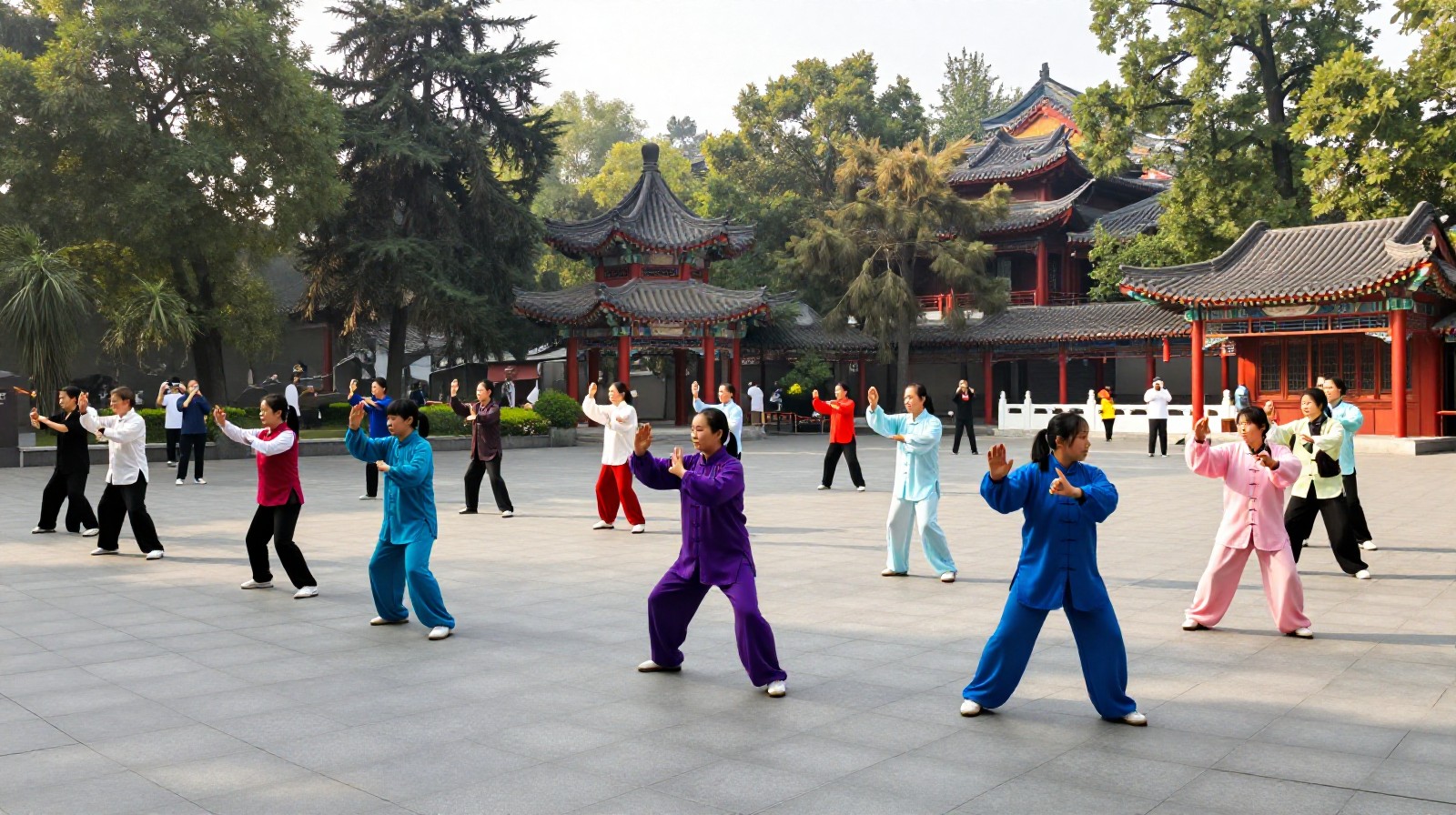
- Go Late: Alternatively, visit in the late afternoon. Most day-trippers leave by 4 PM. You get the monument with fewer people and a chance to watch locals practice Tai Chi or dance in the square outside.
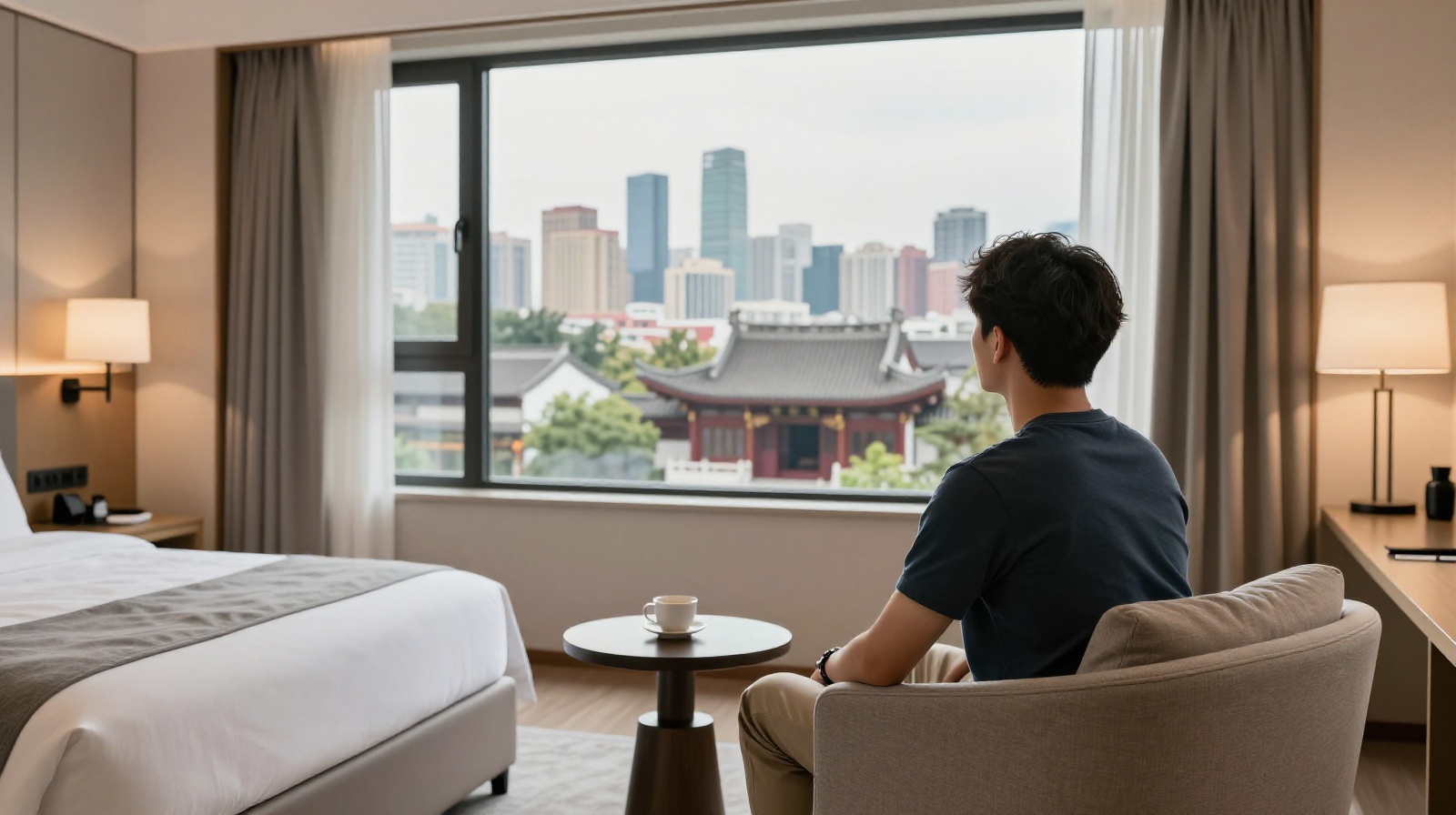
Turn the Challenge Into Culture
Traveling during Chinese holidays is not for everyone. If you prioritize silence and solitude, perhaps choose May Day (Labor Day) in a non-peak region instead. But if you are curious, it offers a unique window into the Chinese soul.
You will see the incredible efficiency of China’s infrastructure. You will taste the warmth of hospitality when locals realize you are navigating their busiest days with grace. And you will learn that “crowded” in China does not mean “chaotic.” It means life is moving, loudly and vibrantly.
Plan smart, book early, and be ready to adapt. The crowds are part of the experience, not just an obstacle to it.