


The QR Code Wall
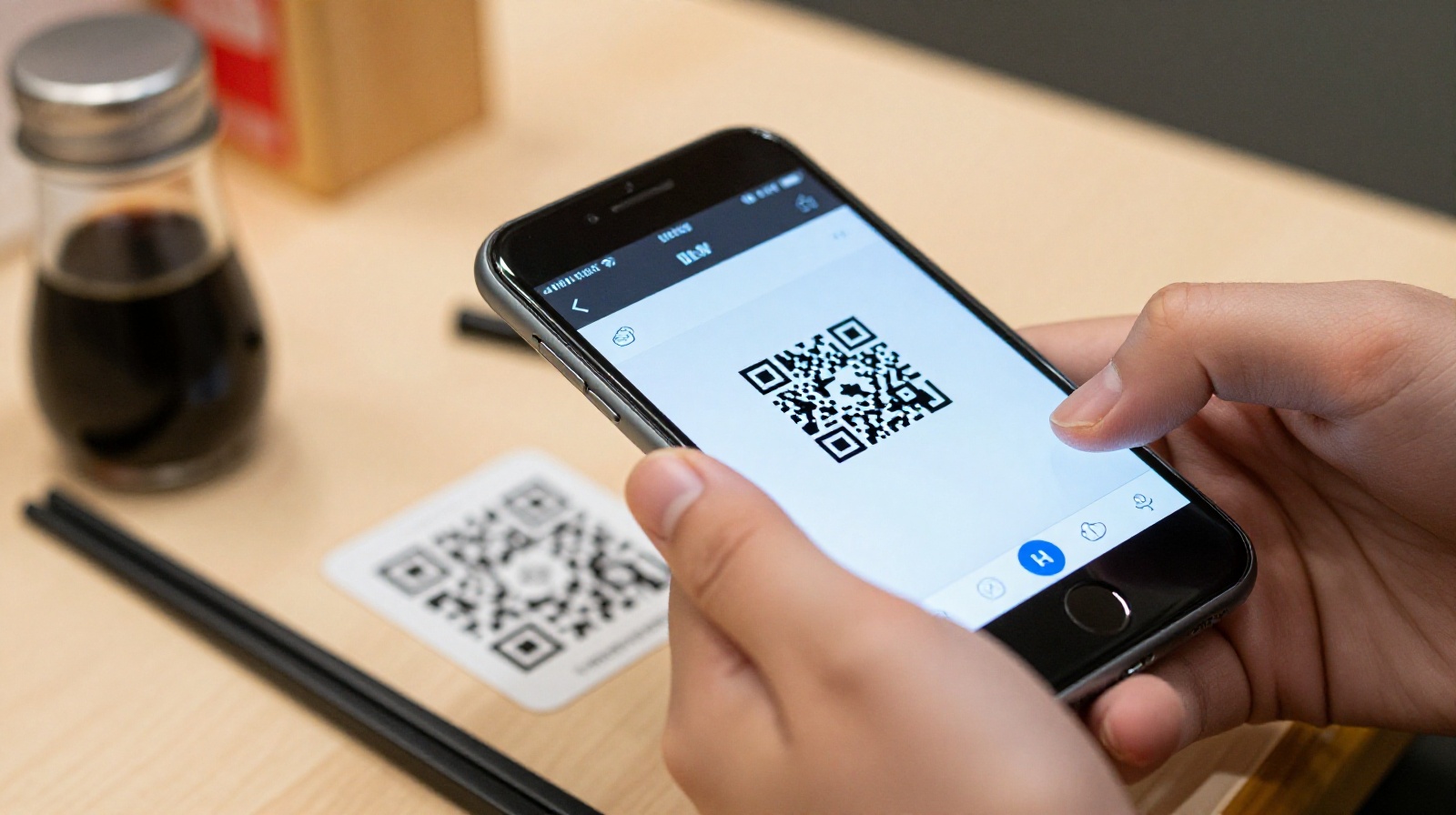
You sit down at a small, bustling table in a popular local noodle shop. The air smells of chili oil and garlic. A waiter drops off three dishes with practiced speed and vanishes before you’ve even opened your water bottle. You look for the menu, but there isn’t one on the wall or the counter. Instead, every table has a large QR code stuck to its center.
You pull out your phone. The moment of truth arrives. Most Chinese diners would scan the code, select their items, and pay instantly via WeChat Pay or Alipay. But you are not one of them. You don’t have WeChat bound to an international credit card, or perhaps you’re just visiting for a few days and haven’t set up the accounts yet. Panic sets in. The waiter isn’t coming back. You feel exposed, stuck, and strangely helpless in a place that feels incredibly modern yet completely opaque.
This is a common anxiety for newcomers to China. The country has moved so fast into a cashless society that it’s easy to assume you cannot function without these apps. But the reality is more nuanced. Behind the QR code wall, there are still humans who want to serve you, and there are ways to navigate this system with a little patience and the right approach.
Option 1: Ask for the “Hidden” Paper Menu
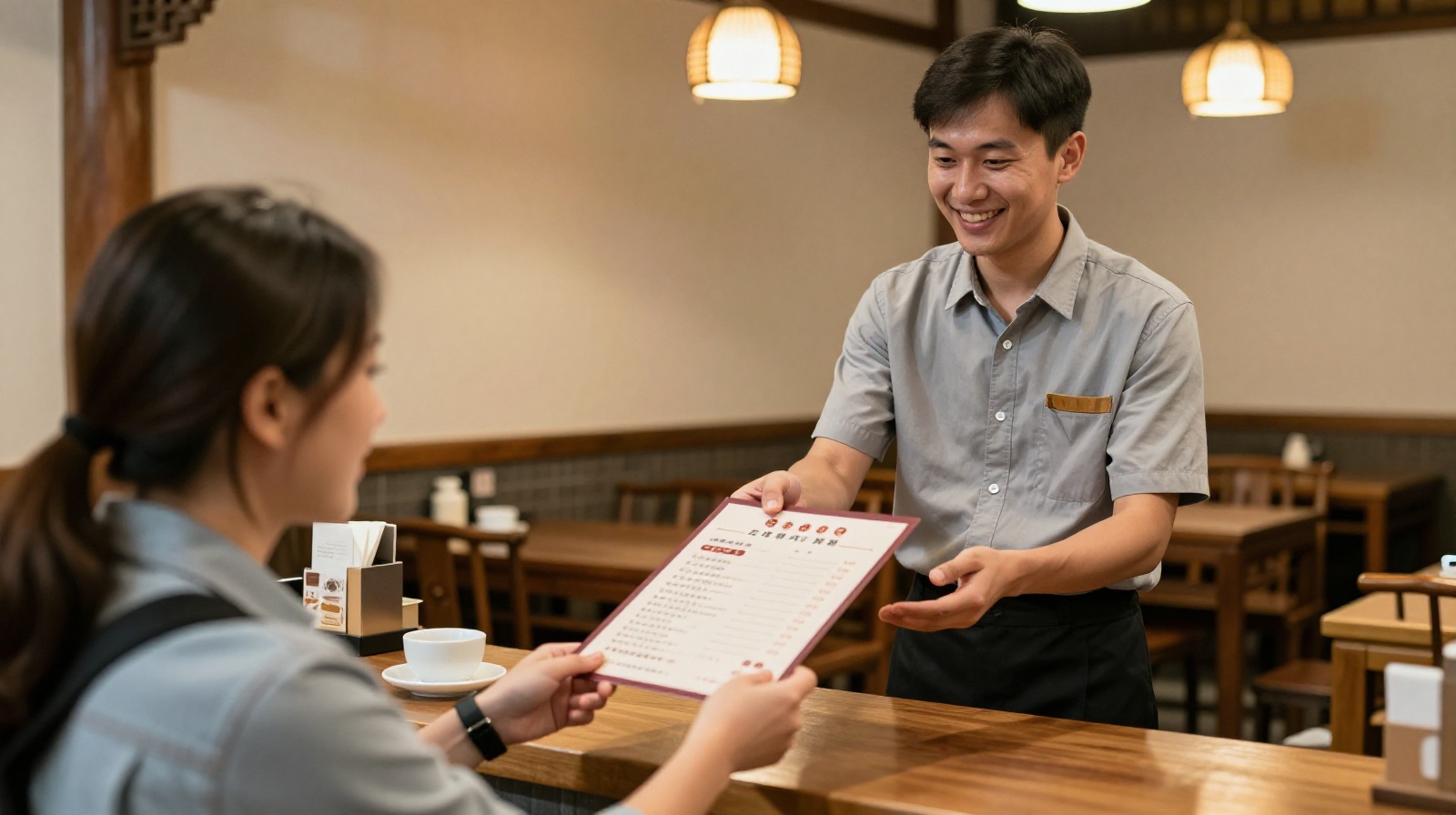
The first thing to understand is that QR code ordering is primarily about efficiency. Restaurants use it to reduce labor costs, not to exclude foreigners. If you cannot scan the code, the staff still needs to take your order. You just need to find them.
Look around for a button on the wall labeled “Call Waiter” (often featuring a bell icon). Press it and wait. When someone arrives, a simple phrase goes a long way: “Can I have the paper menu, please?” or in Chinese, “Wo yao zhiye diancan” (我要纸质点餐).
Many mid-range and older establishments keep paper menus hidden behind the counter or under stacks of napkins for exactly this situation. Even if they don’t have a physical booklet, the waiter will often take your order by writing it down on a notepad or entering it manually into their system while you point at items from a laminated display case near the entrance.
This interaction can feel slower than the digital swipe, but it’s also more personal. You might get recommendations for daily specials that aren’t even listed on the app. It reconnects the dining experience to human conversation rather than algorithmic sorting.
Option 2: The Resilience of Cash
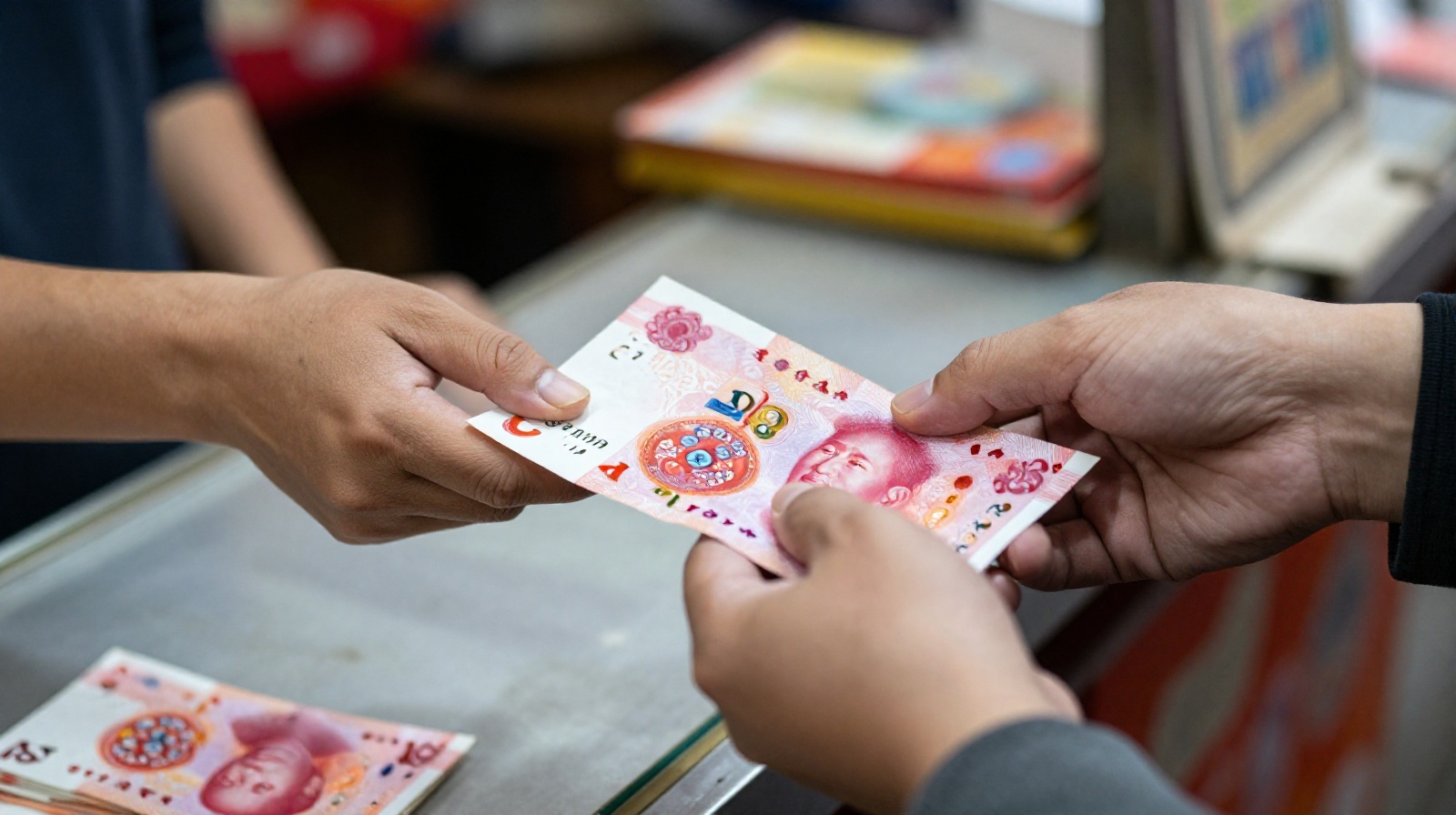
If you don’t want to download apps or ask for menus, cash is still your safest backup, but with caveats. In theory, every business in China must accept RMB cash due to government regulations designed to protect digital inclusion.
In practice, small change can be a challenge. Many trendy cafes and bubble tea shops have switched entirely to digital registers. They might not have enough loose coins or small bills for large transactions. However, chain restaurants, hotel dining rooms, and traditional eateries in older neighborhoods are much more likely to have a cash drawer.
If you pay with cash, be prepared to hand over exact change if possible. If you need change, politely ask: “Neng zhaokai ma?” (Can you make change?). Most small business owners will try their best to accommodate you, but they may not have large bills in the register at all hours.
Carrying a mix of 10, 20, and 50 RMB notes is wise. Avoid carrying only 100 RMB bills if you’re eating at smaller places, as breaking them can sometimes cause awkward delays while the owner searches their pockets or goes to a neighboring shop.
Option 3: Temporary Digital Solutions
If you prefer the convenience of digital payment but haven’t set up WeChat yet, there are two viable alternatives that are becoming increasingly user-friendly for foreigners:
Alipay (Zhifubao): Alipay has a dedicated “International Edition” within its app. It allows users to bind international credit cards (Visa, Mastercard) directly. The interface is available in English, and the scanning process is identical to WeChat. Many restaurants accept both, so having this installed can be a quick fix.
UnionPay QuickPass: If you have a physical UnionPay card or an Apple Pay/Google Pay linked to one, some newer POS terminals in major cities support direct tap-to-pay for QR transactions. Look for the “QuickPass” (Shanfu) logo on the terminal.
The Human Element: Why It Matters
Behind every payment method is a person. The waiter who rushed to your table didn’t ignore you; they were likely juggling ten other tables. When you ask for a paper menu or use cash, you are signaling that you need a different kind of assistance. In China’s service culture, this request is usually met with immediate cooperation.
Don’t be afraid to make gestures if language fails. Pointing at the code, then shaking your head and pointing at yourself, often clarifies that you cannot use digital payment. Most staff will switch to manual mode without complaint because they understand the diversity of their customers’ situations.
Moving Forward: A Quick Setup Guide
While you can manage with cash and paper menus, spending your entire trip navigating these workarounds can be exhausting. If you plan to stay in China for more than a week, setting up one mobile payment app is worth the initial friction.
The process has improved significantly. You no longer need a Chinese bank account or ID card to use Alipay’s international version for basic spending at most restaurants and stores. It takes about 10 minutes to verify your passport and link a foreign card.
Think of it not as surrendering to technology, but as removing a barrier to connection. Once you have the app, you can order food in seconds, split bills with friends easily, and join the rhythm of daily life without feeling like an outsider looking in.
Conclusion
China’s digital transformation is impressive, but it hasn’t erased the human element of society. When faced with a QR code you can’t scan, remember that the system was built for convenience, not exclusion. A polite request, some cash in your pocket, or a quick app download can bridge the gap.
The best meals often happen when we slow down enough to interact with the people around us. Whether you pay by scanning, handing over bills, or tapping a card, the goal is the same: enjoying the food and the company. Don’t let the fear of technology keep you from experiencing the vibrant street food culture that makes China so unique.