

The Disappearance of the Physical Line
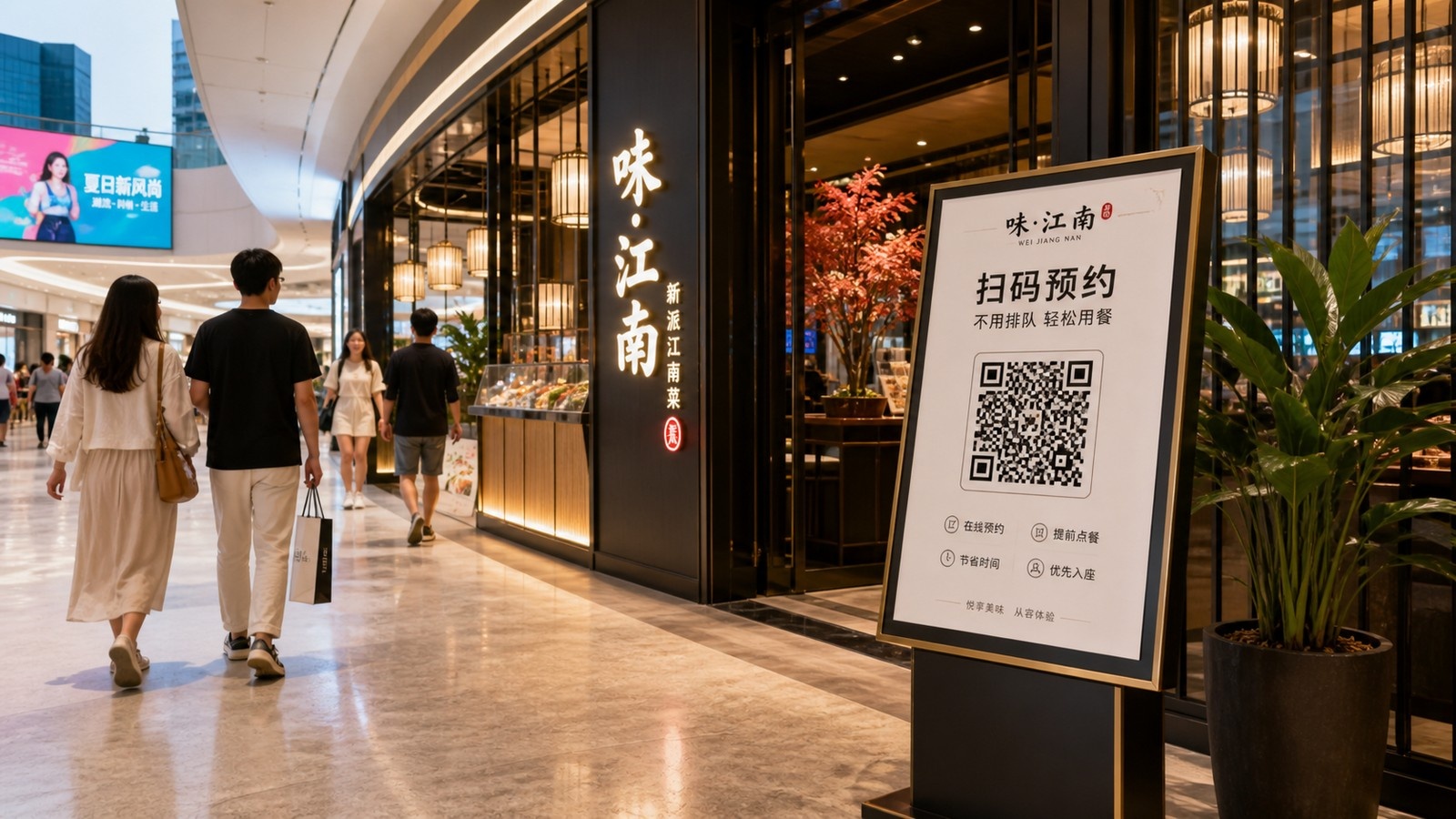
Imagine this: You walk into a bustling shopping mall in Shanghai, Beijing, or Shenzhen on a Saturday night. The restaurant you want—the one with the long lines at home—is packed. But there is no line.
There is no physical queue snaking out the door. No shivering staff handing out paper tickets. Instead, near the entrance, there is a QR code sticker on a stand or the glass window.
This is the new normal for dining in China’s urban centers. Whether it’s Haidilao (famous for hot pot) or Grandma’s Kitchen (a chain known for home-style cooking), the era of physical queuing is largely over for popular spots. This shift isn’t just about convenience; it’s a logistical solution to one of the world’s most crowded restaurant cultures.
How It Works: A Step-by-Step Guide
If you are a visitor or new to China, this system can feel slightly alien at first. Here is how you join the China dining queue without breaking a sweat.
- Scan the Code: Use your smartphone camera to scan the QR code near the restaurant entrance. You do not need a special app; this works directly within WeChat, the super-app that runs daily life in China.
- Select Your Group Size: A mini-program (a lightweight app within WeChat) will open. It will ask how many people are in your party. Be accurate here—some restaurants have a strict policy against large groups joining single queues to prevent table hoarding.
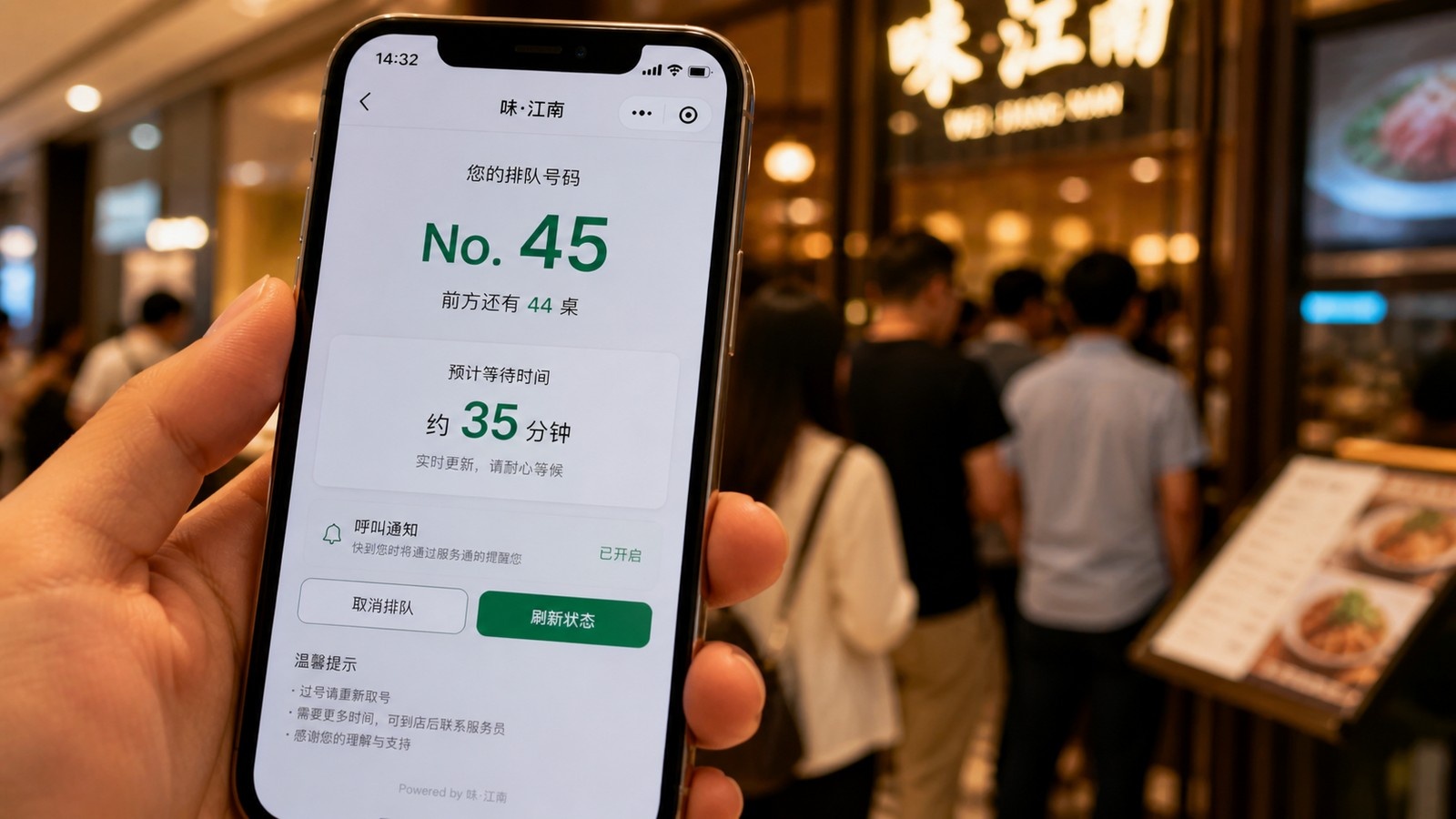
- Get Your Virtual Number: Once confirmed, you receive a digital ticket. It shows your position in line (e.g., “Number 45”) and an estimated wait time. You also get the name of the restaurant on the screen.

What to Do While You Wait
The biggest change for diners is what happens after you join the queue. You are no longer a prisoner at the door.
You can walk away. Most people use this time to explore the mall, grab coffee, or even shop. The system sends you push notifications via WeChat when your table is ready, usually 10–15 minutes before they want you seated. This gives you enough time to finish your latte or pick up a pair of shoes.
You can also track progress in real-time. The mini-program displays how many tables are currently being served and how many groups are ahead of you. It’s transparent, reducing the anxiety of “where is my number?”
Tips for Surviving the Queue
- Check Peak Hours: Weekends between 6:00 PM and 8:00 PM are prime time. If your number goes past 100, consider going earlier or later.
- Beware of “No-Shows”: If you arrive late after the notification, your spot may be given to someone else. The system is strict because turnover (seat rotation) is critical for restaurant profitability in high-rent areas.
- Combine Activities: Treat the wait as part of the outing. In Chinese malls, dining is often linked with cinema, karaoke, or shopping. Plan your “wait time” around these activities.
Why This System Exists
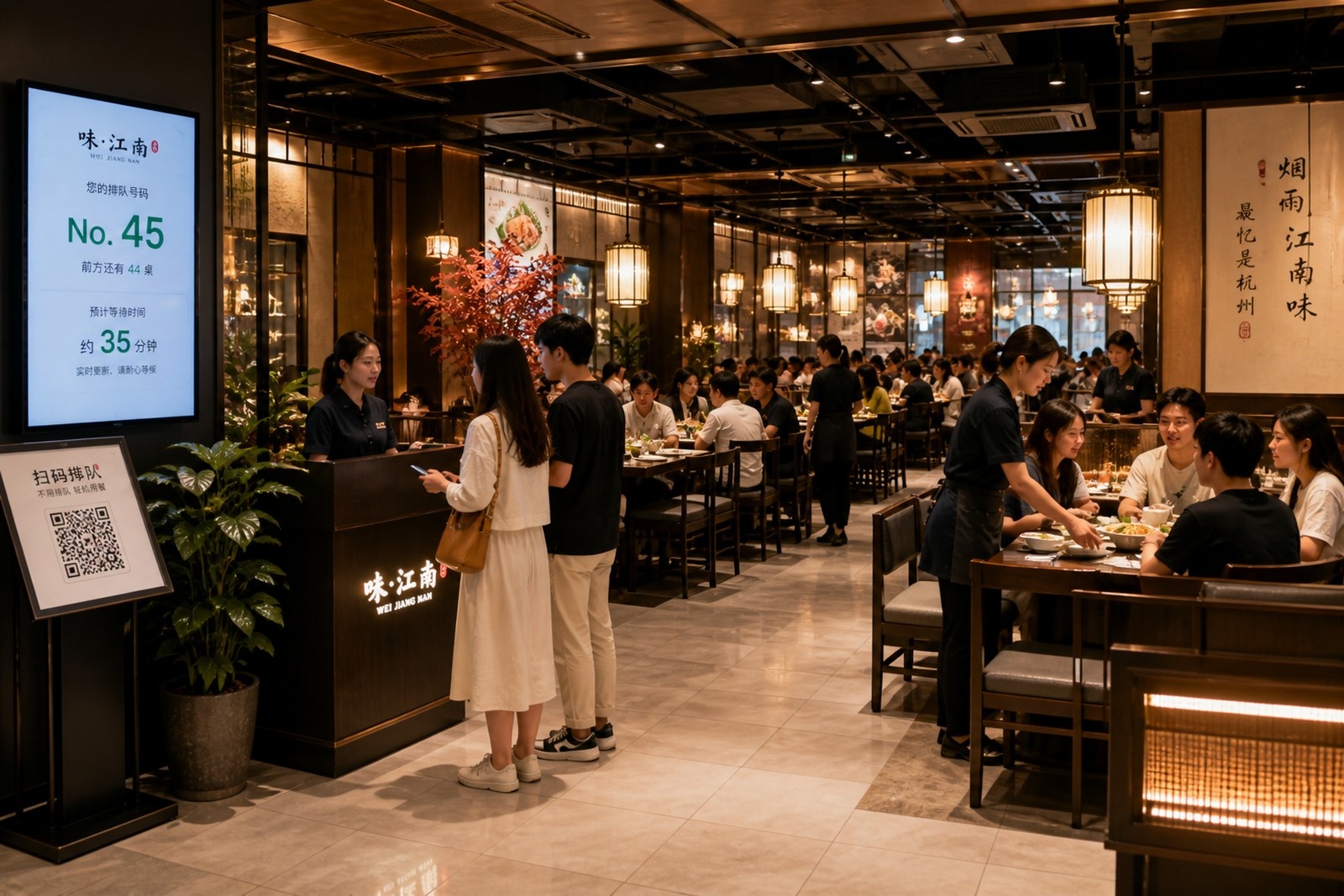
To understand why this WeChat mini program guide approach works so well, you have to look at the economics of Chinese dining. Popular restaurants in China operate on high turnover rates. A table might be served four or five times in one evening.
In the past, physical lines caused bottlenecks. People stood in front of the door, blocking entry for others and creating a chaotic scene. The virtual queue system moves that chaos outside the restaurant’s controlled environment. It allows staff to manage seating more efficiently and keeps the entrance clear.
Changing Social Habits
This shift has also changed how young people in Chinese cities socialize. Dining out is less about “getting a table” and more about the entire experience. The ability to wait comfortably while exploring the mall encourages longer, more relaxed gatherings. It turns dining from a stressful logistical hurdle into a seamless part of urban leisure.
So, the next time you find yourself in a Chinese mall and see that QR code, don’t be intimidated. Scan it, get your number, and enjoy the freedom of waiting on your own terms.