
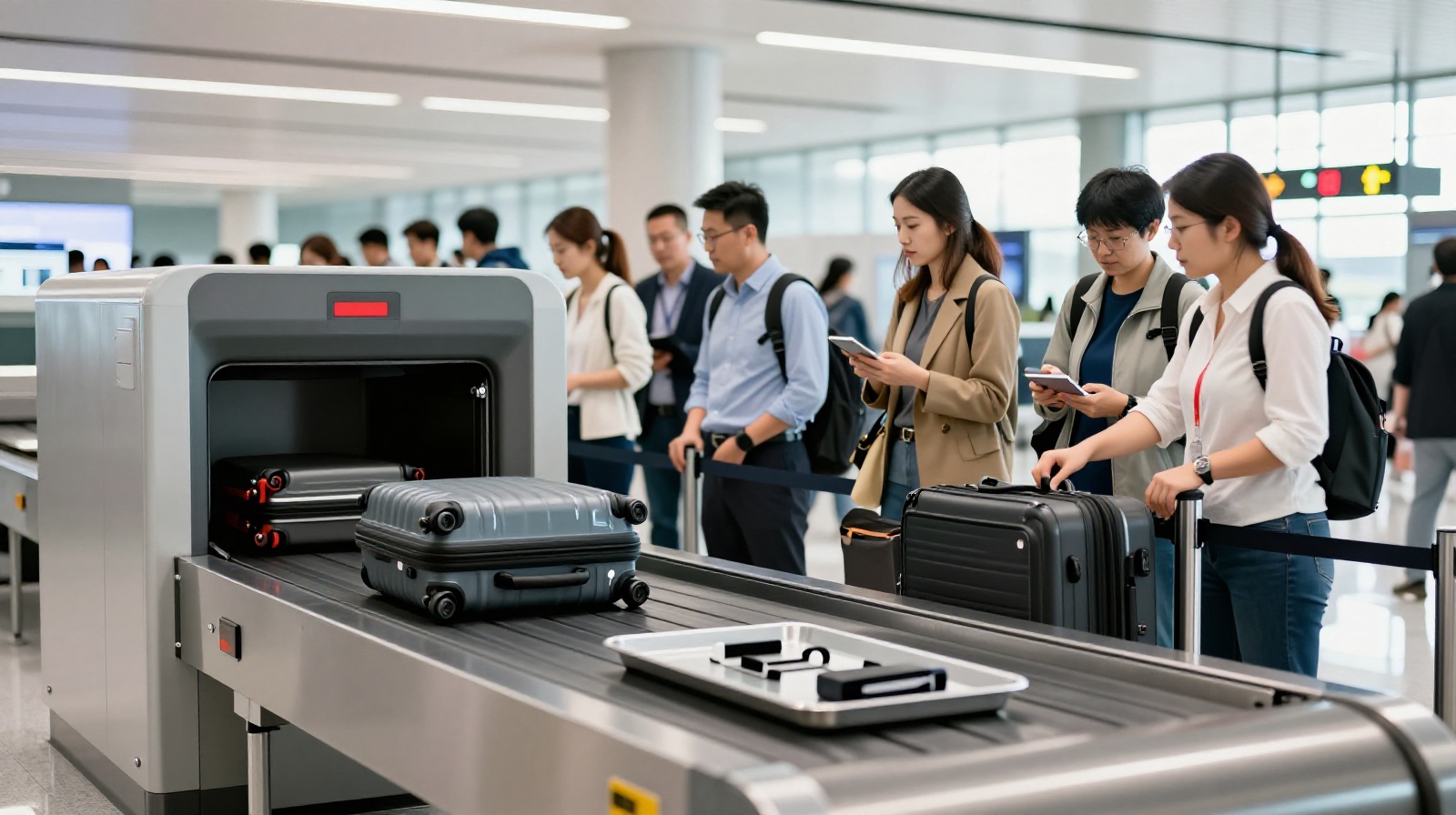

The Reality of Chinese Airport Security
If you have flown internationally in the past decade, you likely associate airport security with the standardized, somewhat impersonal procedures of Europe or North America. In China, however, the experience is different. It is not just more rigorous; it is fundamentally stricter on specific items that many travelers consider harmless.
For the casual observer, this can feel like an inconvenience. For the frequent flyer, it is a necessary adaptation. Chinese airports have implemented some of the most comprehensive security protocols in the world, driven by a combination of high passenger volume and stringent national safety standards. The result is a system where “better safe than sorry” is not just a motto; it is an operational reality.
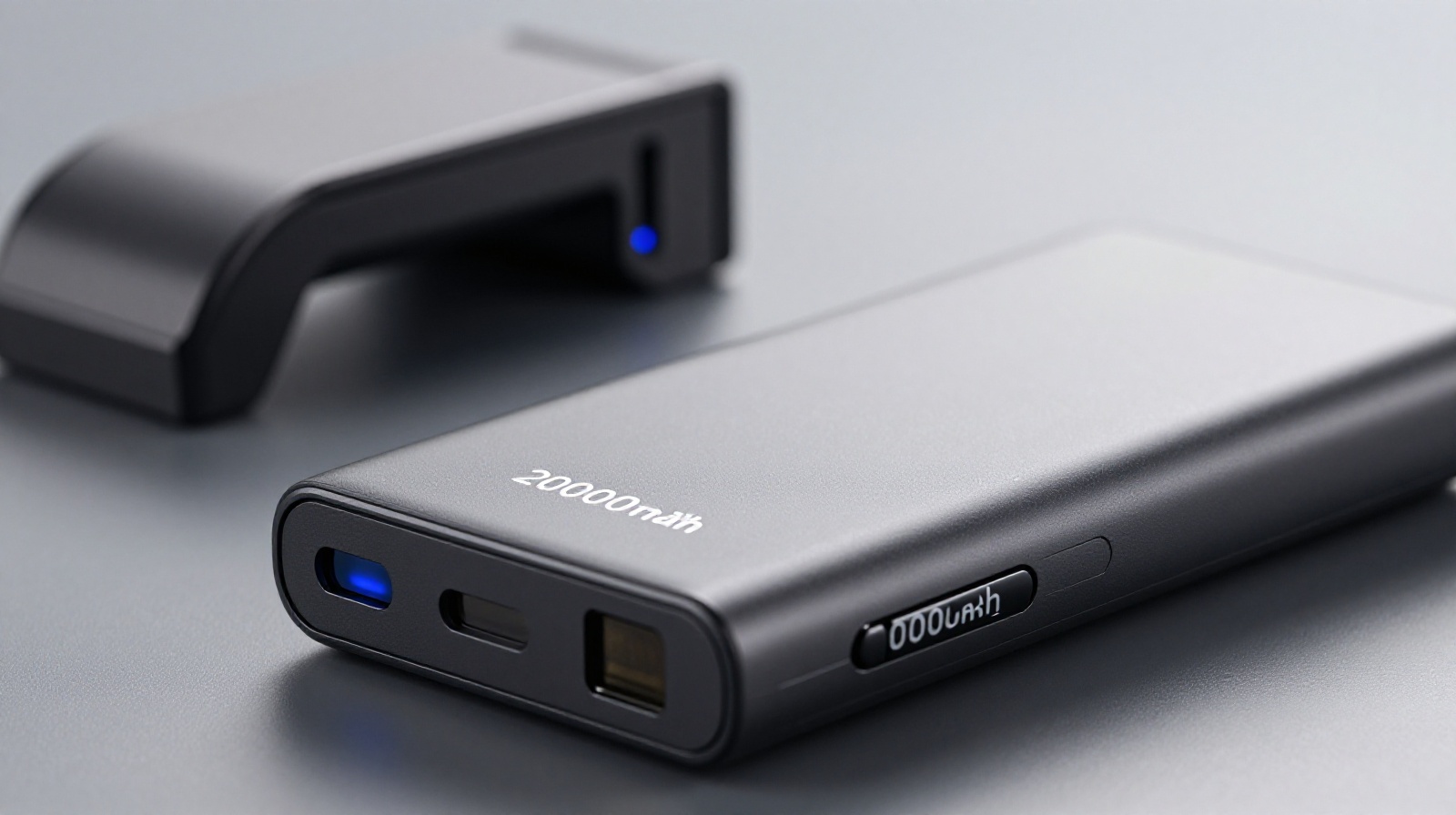
The Power Bank Rule: Capacity and Clarity
Perhaps the most common point of confusion for foreign travelers in China involves lithium-ion power banks (portable chargers). While these are ubiquitous in daily life, their transport is heavily regulated due to fire safety risks.
The rule is absolute: you cannot check a power bank in your luggage. It must be carried with you in the cabin. But the restrictions go further than just location.
- Capacity Limits: Power banks under 100 watt-hours (Wh) are generally allowed without restriction. For context, this covers most standard smartphone chargers (typically around 20,000 mAh to 27,000 mAh). Between 100 Wh and 160 Wh, you need airline approval, usually limited to two per person. Anything over 160 Wh is strictly prohibited.
- Label Clarity: This is the critical detail often overlooked. The power bank must have clear, legible markings indicating its capacity. If the label has worn off, been peeled away, or was never printed clearly, security personnel will not make an exception. There are no “test runs” to check if it works. A unlabeled power bank will be confiscated.
Before you head to the airport, look at your charger. If the text is faded, buy a new one. It is cheaper than missing your flight.
The Umbrella and Lighter Ban
In many Western airports, opening an umbrella for inspection is a minor annoyance. In China, it is a mandatory step. You must remove all umbrellas from your bags and place them separately in a tray. This is because the metal ribs can obscure X-ray images of other items, potentially hiding prohibited objects.

Even more strictly enforced are the rules regarding ignition sources. Unlike some countries where a single lighter might be tolerated if declared, China has a total ban on lighters and matches in both carry-on and checked luggage. This applies to traditional disposable lighters, Zippo-style windproof lighters, and even electronic arc lighters.
At major hubs like Beijing Capital (PEK) or Shanghai Pudong (PVG), you may see dedicated bins at the entrance of the security checkpoint specifically for discarding lighters. If you try to carry one through, it will be seized. Some travelers have reported being asked to surrender their lighter before even reaching the metal detector, as part of a pre-screening process.
Why So Strict?
Skepticism is natural when facing such rigorous checks. However, these rules are not arbitrary. China’s civil aviation sector handles hundreds of millions of passengers annually. The margin for error is virtually zero. The strict enforcement on lithium batteries stems from real-world incidents where defective power banks caused fires in cargo holds.
Furthermore, the efficiency of modern Chinese airports relies on speed and predictability. By enforcing clear, hard rules upfront, security teams can process thousands of passengers per hour without getting bogged down in ambiguous cases. It is a system designed for scale.
Practical Tips for a Smooth Passage
To navigate Chinese airport security like a local, prepare before you arrive at the terminal.
- Check Your Labels: Ensure all electronic devices have clear brand and model information. Remove power banks from sleeves if the sleeve covers the label.
- Empty Pockets: Keys, coins, phones, and laptops must go in the tray. Have them ready to avoid fumbling at the scanner.
- Dress Smartly: Avoid bulky coats, belts with large buckles, or shoes that are difficult to remove. Many domestic flights now allow passengers to keep shoes on if they pass a quick scan, but when in doubt, take them off.
- Arrive Early: Even for domestic flights, arriving 2 hours before departure is recommended during peak seasons (Spring Festival, National Day). The queues can be long, not just for security, but also for ticket verification and ID checks.

Conclusion
China’s airport security is strict, but it is also predictable. Once you understand the specific taboos—especially regarding power banks and lighters—you can move through the process efficiently. These rules are not meant to inconvenience travelers but to ensure the safety of millions who rely on China’s rapidly expanding air network every day.