
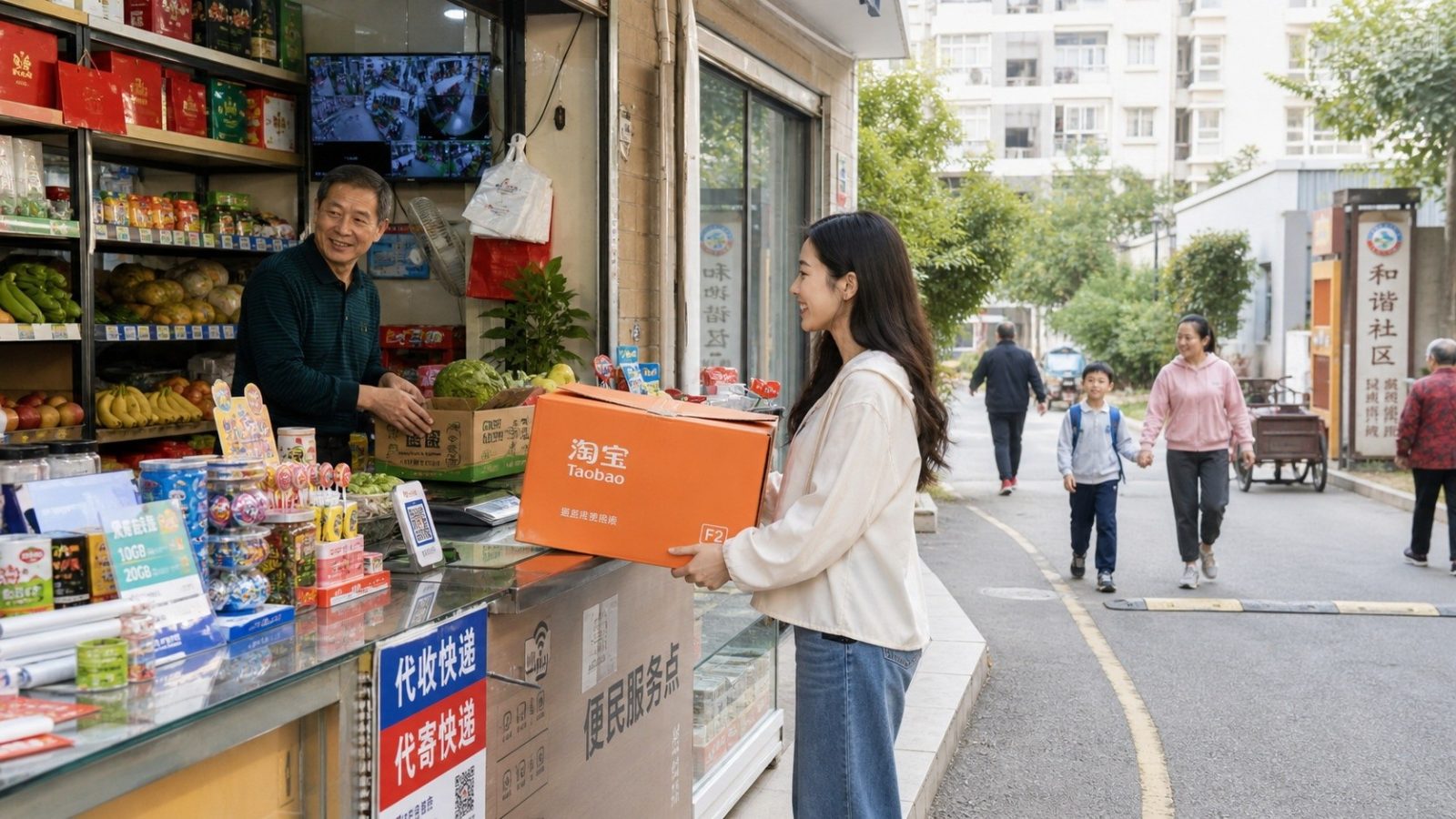

The Morning Ritual: From Wet Markets to WeChat Groups
For decades, the morning rhythm of a Chinese household was dictated by the wet market. Women in aprons haggled over the price of bok choy, inspected the freshness of fish, and exchanged gossip about local prices. Today, that ritual has shifted. It no longer happens under fluorescent lights or amidst the smell of damp concrete. Instead, it happens on a smartphone screen, inside a WeChat group.
This is community group buying (shequ tuangou), a model that has fundamentally altered how ordinary Chinese families buy groceries. The process is simple: a local resident posts links to discounted vegetables, meat, and household goods in a neighborhood chat app. Neighbors click to order by 8 PM. By the next afternoon, their purchases are delivered to a central pickup point.
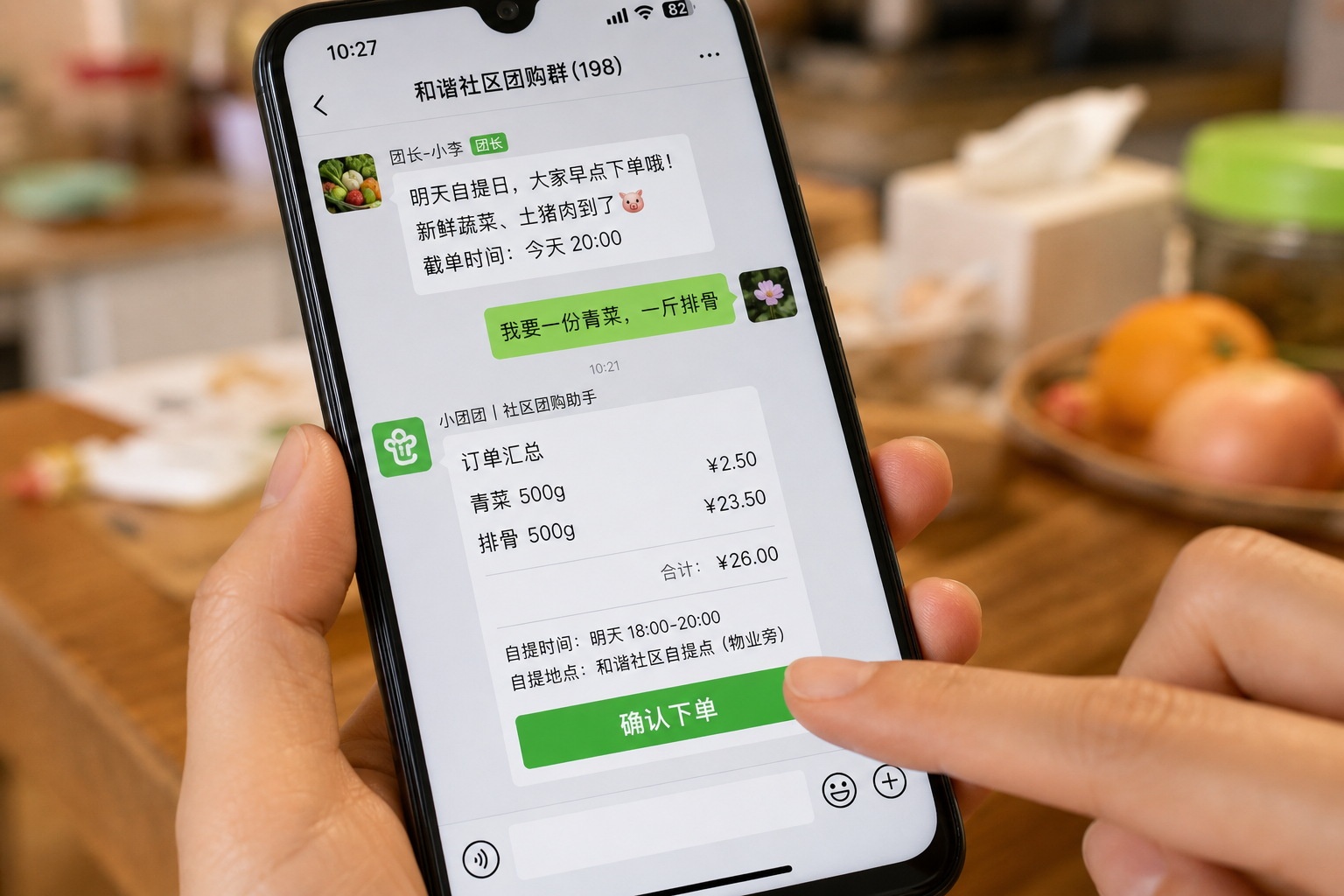
The trade-off is subtle but significant. You lose the tactile experience of choosing your own tomatoes. However, you gain price transparency and convenience. For many young professionals in crowded cities like Shanghai or Chengdu, this is not about romance; it is about efficiency. A basket of groceries that once required an hour of travel and haggling can now be ordered during a commute. The “freshness” debate is real—some argue pre-packaged goods lack the vitality of wet markets—but for the average household budget, the savings are undeniable.
The Human Engine: Who is the ‘Tuanzhang’?
At the center of this digital ecosystem is a figure known as the Tuanzhang (group leader). Unlike algorithms or corporate customer service bots, the Tuanzhang is a human face. They are often retired neighbors with too much free time, small shop owners looking for extra foot traffic, or stay-at-home parents seeking side income.
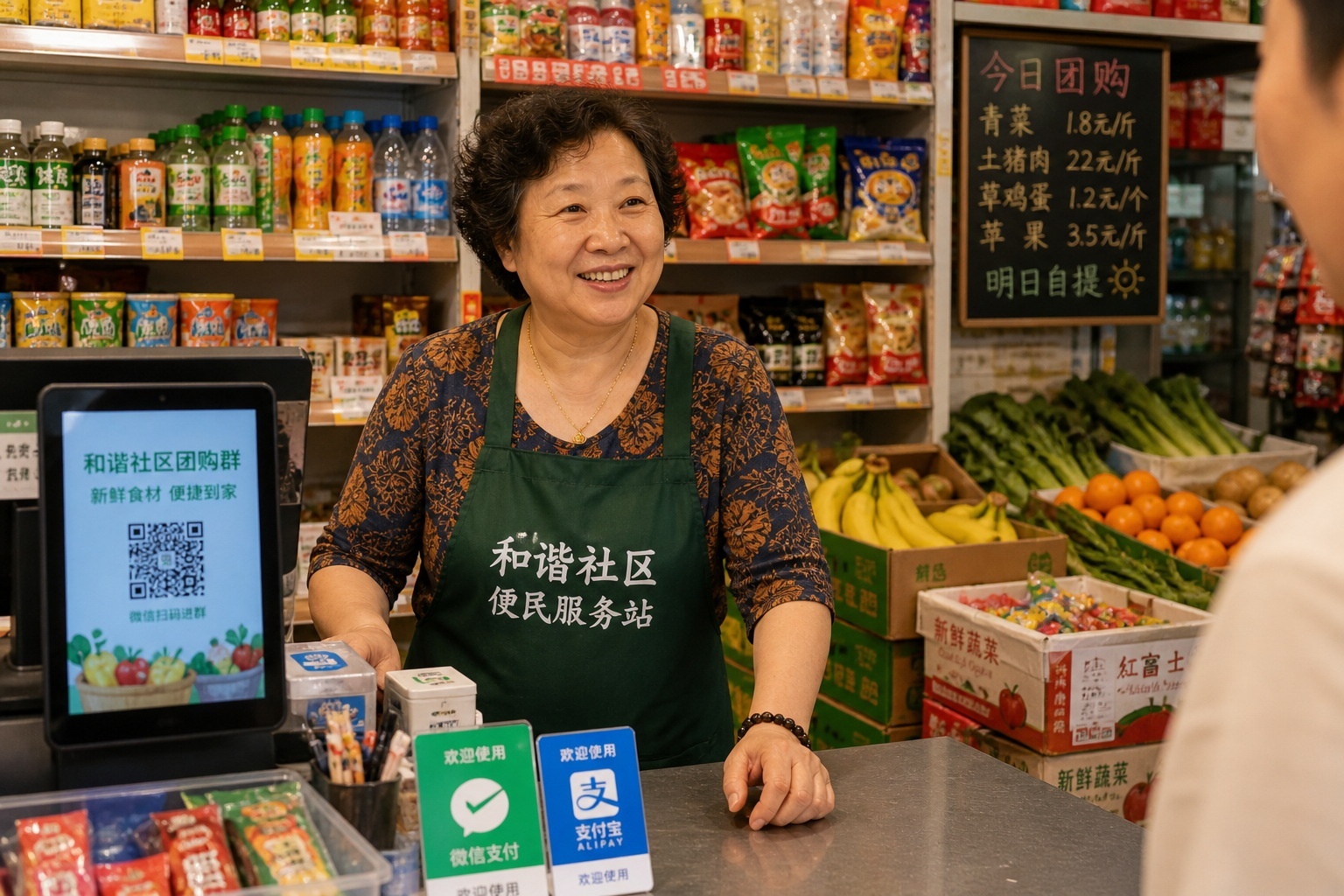
Take Mrs. Li, a 65-year-old resident in a Beijing residential compound. She turned her small convenience store into a pickup hub. For every box of apples or bundle of garlic collected by neighbors, she earns a small commission. But her role goes beyond logistics. She verifies orders, handles complaints about bruised lettuce, and maintains the social fabric of the building.
This model relies on social capital. In an era where online trust is fragile, people buy from someone they see at the mailbox or who walks their dog in the evening. The Tuanzhang bridges the gap between cold digital transactions and warm community relations. They are not just salespeople; they are neighborhood nodes in a vast distribution network.
Logistics at the Last Meter: The Micro-Economy of Delivery
The most efficient part of China’s supply chain is often the hardest to automate: the last few meters. In dense urban housing, large delivery trucks cannot enter gated communities. This creates a unique micro-economy for delivery.
Orders are first transported from central warehouses to neighborhood pickup points by bulk vans. But the final leg—the journey from the pickup point to individual apartments—is handled by gig workers. These are often university students, part-time workers, or even retirees with bicycles.
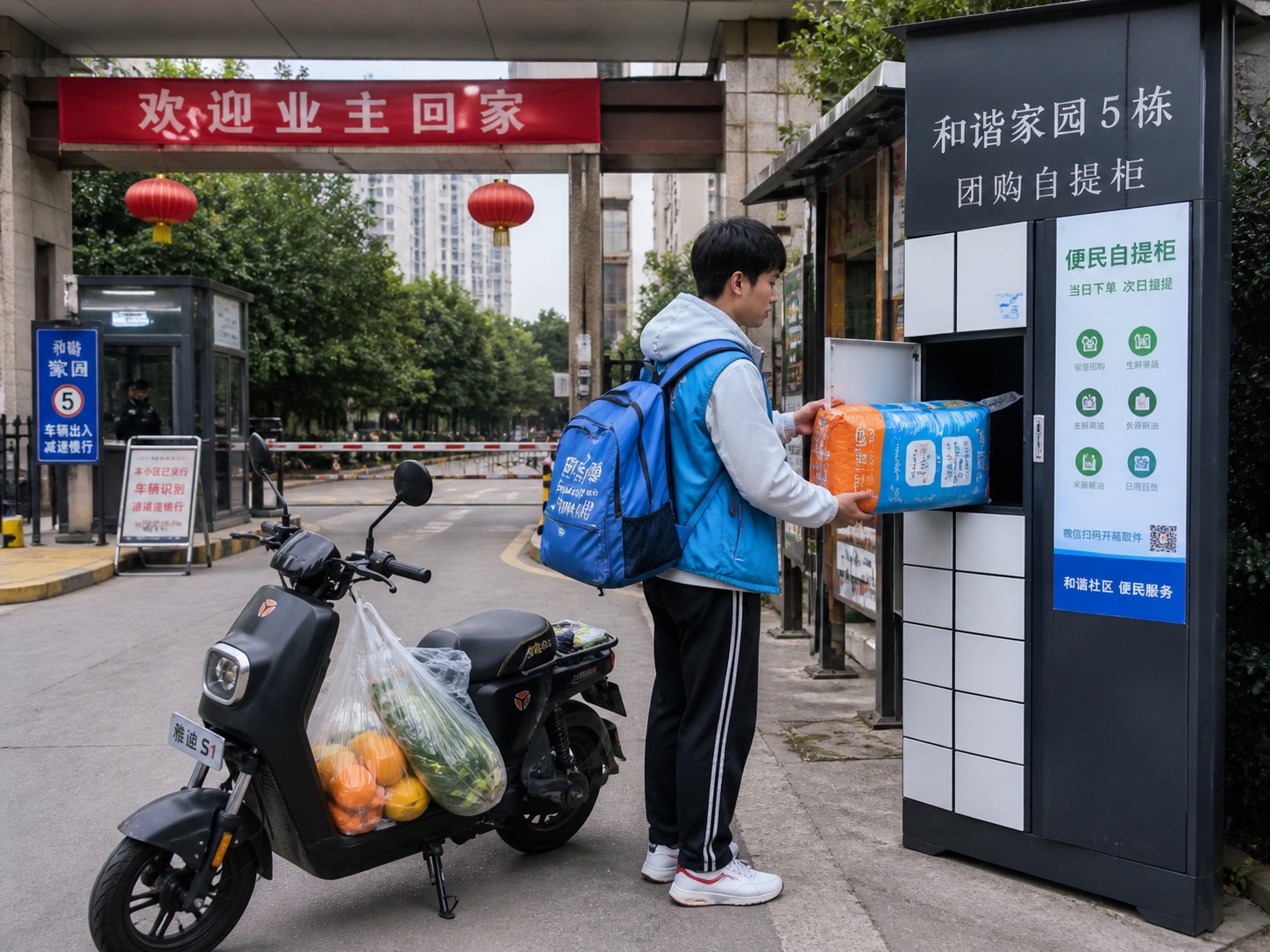
This system creates a flexible labor market that absorbs underemployed talent. For a student earning extra pocket money, it is convenient. For the platform, it keeps costs low without the overhead of maintaining a massive fleet of permanent couriers. It reflects a broader trend in China’s digital economy: the use of technology to coordinate fragmented, informal labor into an efficient service layer.
Digital Integration vs. Traditional Habits
One might assume that older generations would resist such tech-heavy models. Yet, community group buying has seen surprisingly high adoption rates among seniors. Why? Because it is delivered through WeChat, China’s “super app” that feels more like a utility than a software tool.
The interface is designed for low digital literacy. Instead of complex checkout forms, orders are often placed via voice notes or simple video calls with the Tuanzhang. If an elderly resident doesn’t understand how to use a mini-program, their neighbor—or their children—will help them click “confirm.” The technology recedes; the human interaction remains.
Challenges and Future Trends
The model is not without its flaws. Quality control remains a persistent challenge. When goods are stacked in bulk, items can be damaged before they reach the customer. Additionally, the fierce competition between giants like Meituan, Pinduoduo, and Alibaba has led to price wars that strain margins.
However, the sector is maturing. Platforms are moving from aggressive subsidy-driven growth to focusing on supply chain stability and product quality. The future of community group buying may not be just about cheap vegetables. It could evolve into a comprehensive community service hub, offering everything from package collection to elder care coordination.
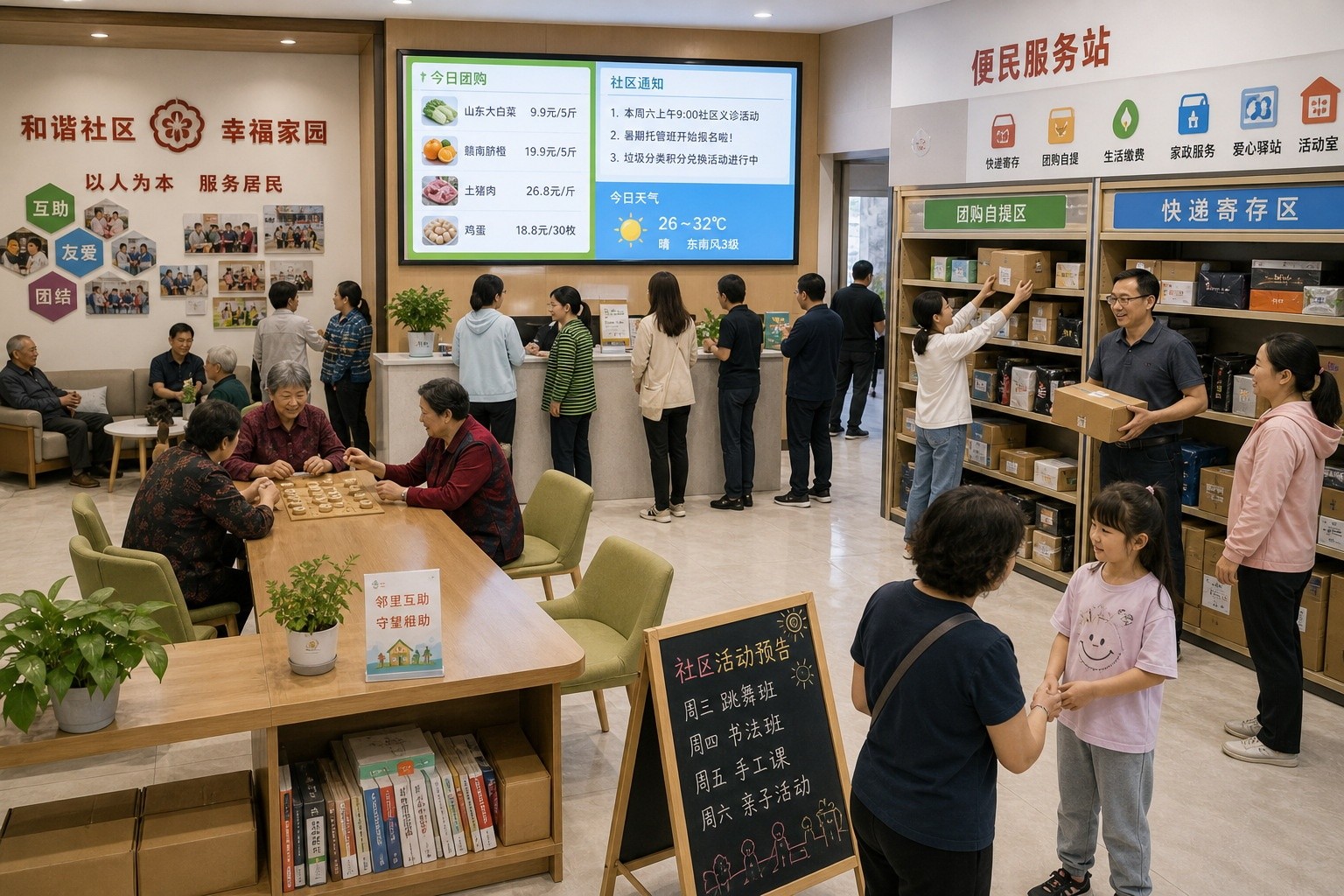
For overseas observers, this model offers a glimpse into a different kind of digital future. It is not a solitary experience in a sterile apartment waiting for drones. It is messy, noisy, and deeply social. It shows how technology in China is being adapted to reinforce, rather than replace, the fundamental human need for community.