


The Reality of Opening a Bank Account in China
When Li Wei, a software engineer from Berlin, arrived in Shanghai for his new job, he expected one thing to be easy: opening a bank account. He had the right visa, a valid passport, and an employment contract. Instead, he was turned away by three different branches before finally succeeding at a small community branch of China Merchants Bank after two hours of explaining his source of income.
Li’s experience is not unique. Since 2022, China has tightened its anti-money laundering (AML) regulations significantly. For foreigners, this means that walking into a bank with just a passport and visa is rarely enough. The process has shifted from a simple administrative task to a compliance-heavy verification step.
Why Is It So Strict Now?
To understand the difficulty, you must understand the context. China’s financial system operates on real-name registration and strict transaction monitoring. In recent years, authorities have cracked down on fraudulent accounts used for illegal fund transfers or online gambling.
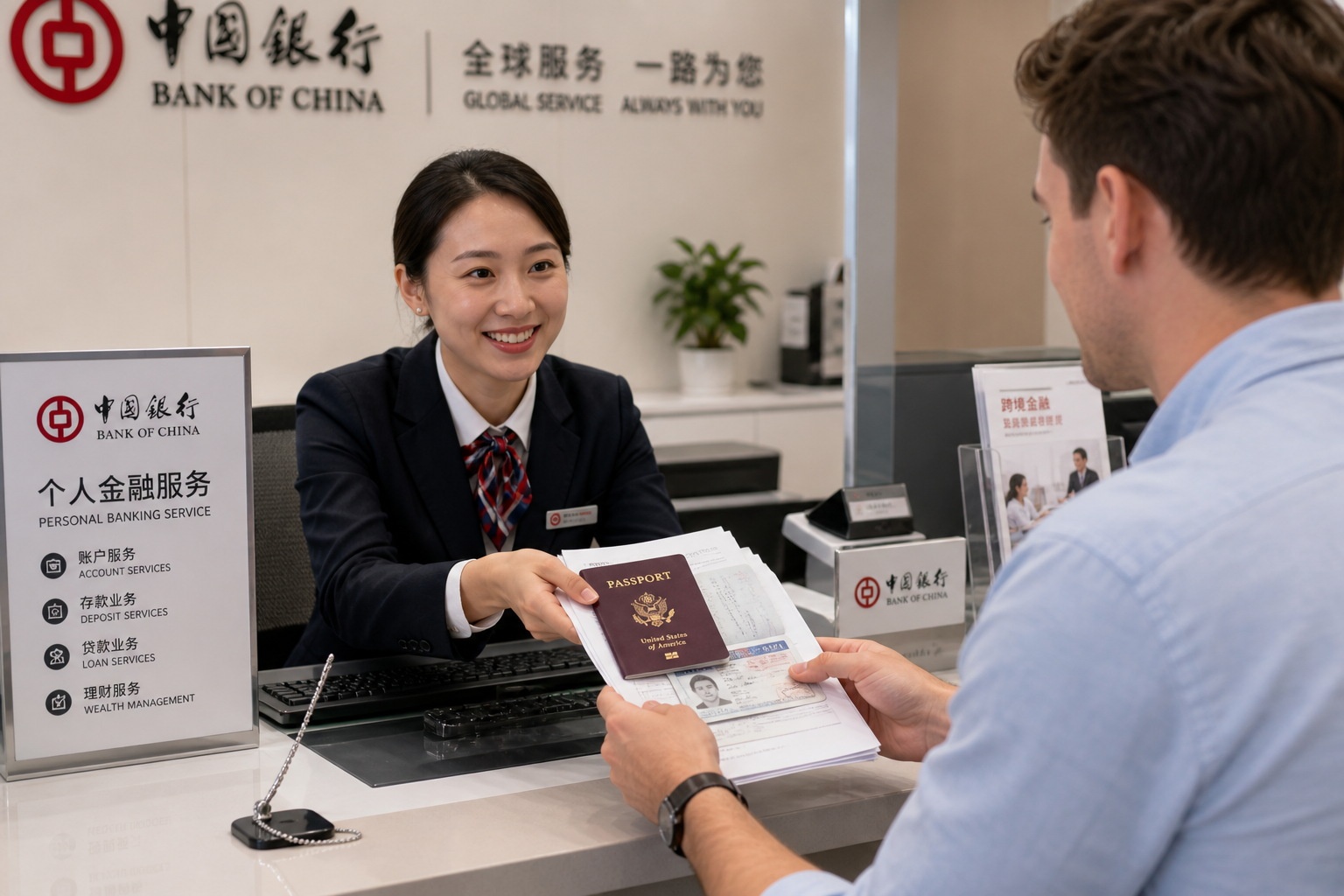
As a result, bank tellers are under immense pressure to verify every non-resident account thoroughly. They need proof of your identity, your legal status in China, and crucially, the purpose of the account. If you cannot clearly explain why you need a local bank account, or if your answer seems inconsistent with your visa type, the application will likely be rejected.
Tourist Visas (L Visa) vs. Work Residency Permits (Z/R Visa)
The ease of opening an account depends heavily on your visa status.
1. Tourist Visas (L Visa)
Technically, Chinese banking regulations allow foreigners with short-term tourist visas to open accounts. However, in practice, most major banks will refuse these applications. Tellers often lack the authority or willingness to process a long-term account for someone whose stay may last only a few weeks.
If you are on a tourist visa and insist on opening an account, you will likely need to visit smaller, local branches rather than large commercial hubs. You must provide extensive proof of your ties to China, such as hotel bookings, return flight tickets, and sometimes even a letter from your employer or university in your home country.
2. Work Visas (Z Visa) and Residence Permits
This is the most straightforward path. Once you have converted your Z visa into a Temporary Residence Permit, banks view you as a stable, long-term resident. You will need to provide:
- Your valid passport.
- Your valid Chinese residence permit.
- A certificate of employment or a letter from your employer confirming your salary and position.
Even with these documents, some banks may still ask for additional proof, such as a local rental contract or registration form from the police station.
Which Banks Are Most Foreigner-Friendly?
Not all banks treat foreigners equally. The “Big Four” state-owned banks (ICBC, CCB, ABC, BOC) have vast networks but are often bureaucratic and slow to adapt to foreign needs. Branches in business districts or near international communities tend to be more helpful.
Top Recommendations:
- China Merchants Bank (CMB): Widely regarded as the most service-oriented for foreigners. Their app interface has an English mode, and staff in major cities are generally more accustomed to international clients.
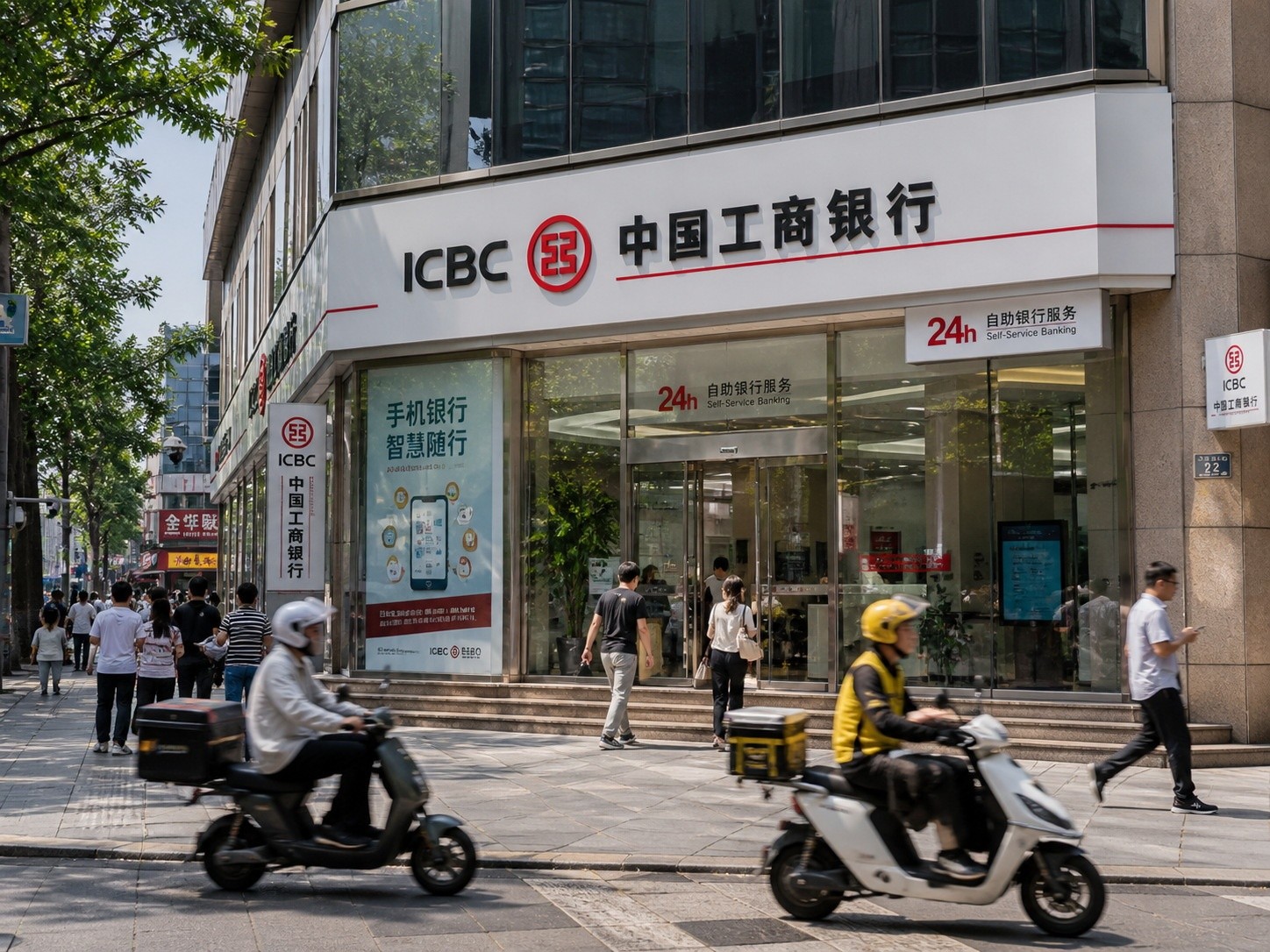
- Industrial and Commercial Bank of China (ICBC): The largest bank by assets. While bureaucratic, their branches in Beijing’s Sanlitun or Shanghai’s Jing’an district often have dedicated foreign language services.
- Bank of Communications: A solid alternative with a growing number of English-speaking staff in tier-1 cities.
Avoid smaller rural commercial banks unless you are applying for your first account and cannot get service elsewhere; they may lack the training to handle foreign compliance checks.
The Essential Document Checklist
Before visiting a branch, prepare these documents. Bring originals and clear photocopies of every page.
- Passport: Must be valid for at least six more months.
- Valid Visa/Residence Permit: Tourist visas are risky; residence permits are preferred.
- Proof of Address: A rental contract stamped by the local police station (PSB) is the gold standard. Some banks accept utility bills or a letter from your employer confirming your address.
- Phone Number: You must have a Chinese SIM card registered under your name. Banks will send a verification code to this number during account setup.
Navigating the Branch Visit
Step 1: Appointment and Arrival
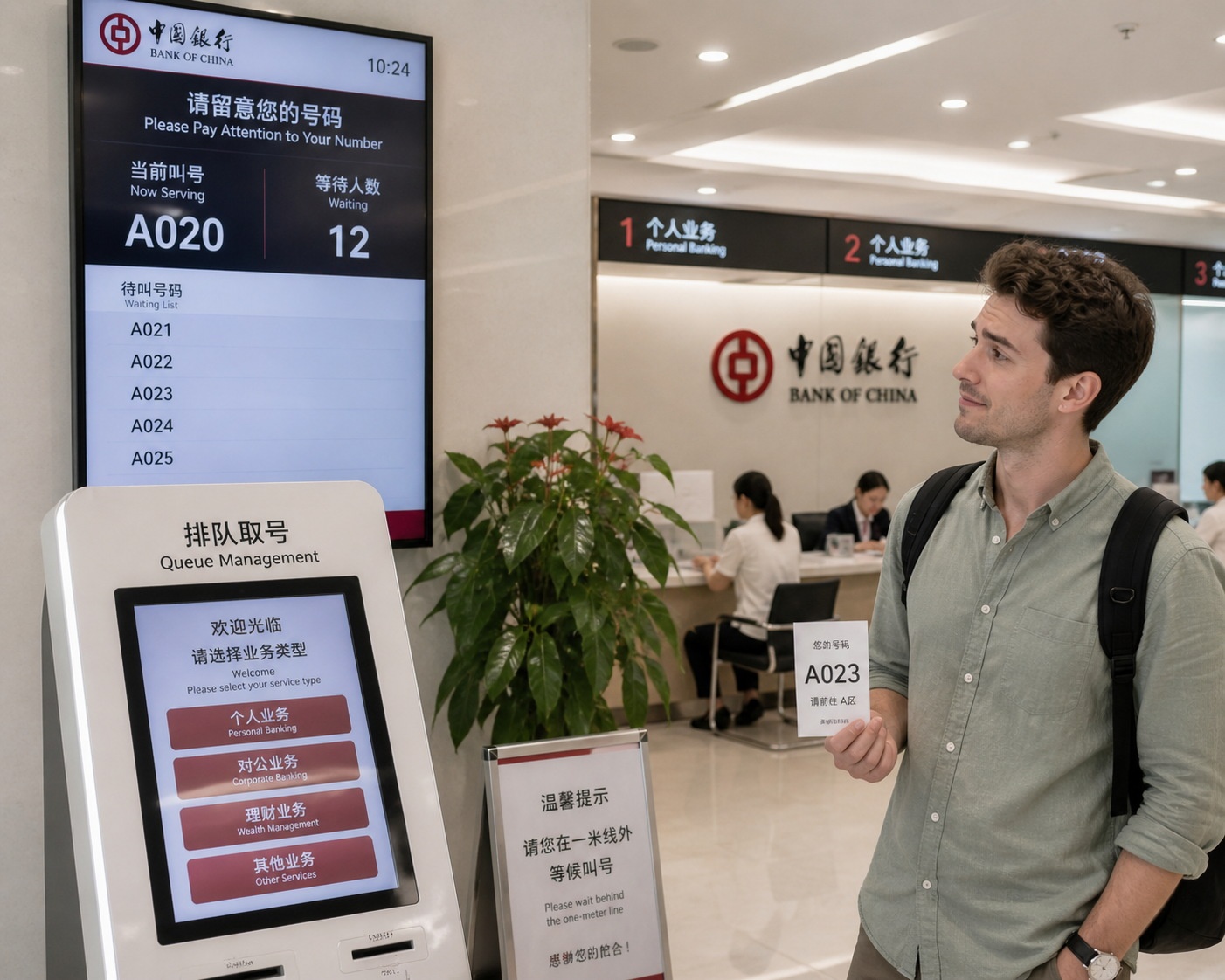
Many branches in Shanghai, Beijing, and Shenzhen now require online appointments via their WeChat official accounts. Arriving without an appointment may mean waiting for days.
Step 2: The Interview
You will be separated from the general queue and taken to a counter or manager’s office. Expect questions such as:
- “What is your job title?”
- “Who is your employer?”
- “Why do you need this account? (e.g., paying rent, receiving salary)”
Keep your answers simple and consistent with your documents. Do not mention investing in stocks or crypto unless you are prepared to provide extensive additional documentation.
Step 3: The Account Type
You will likely be issued a “Class II” account initially. This means there are daily transaction limits (often around 10,000 RMB). To upgrade to a “Class I” account with higher limits, you may need to provide additional proof of income or return after a few months.
Connecting Your Card to Digital Payments
In China, a bank card is useless without its digital counterpart. Once your account is active, immediately download the WeChat Pay and Alipay apps.
1. Go to “Me” > “Services” > “Wallet” in WeChat.
2. Click “Cards” and select “Add a Bank Card.”
3. Enter your card number, name (as it appears on your passport), and ID/passport number.
4. Verify via the SMS code sent to your Chinese phone.
Alipay follows a similar process but is often more user-friendly for foreigners due to its integrated verification system with Alipay’s own identity checks.
Final Tips
Patience is your most important asset. If one branch rejects you, do not despair. Try a different branch, preferably in an area with many expats. Policies can also change frequently; always call the bank’s customer service line or check their official WeChat account for the latest requirements before heading out.