

The Morning Rush: A High-Stakes Game
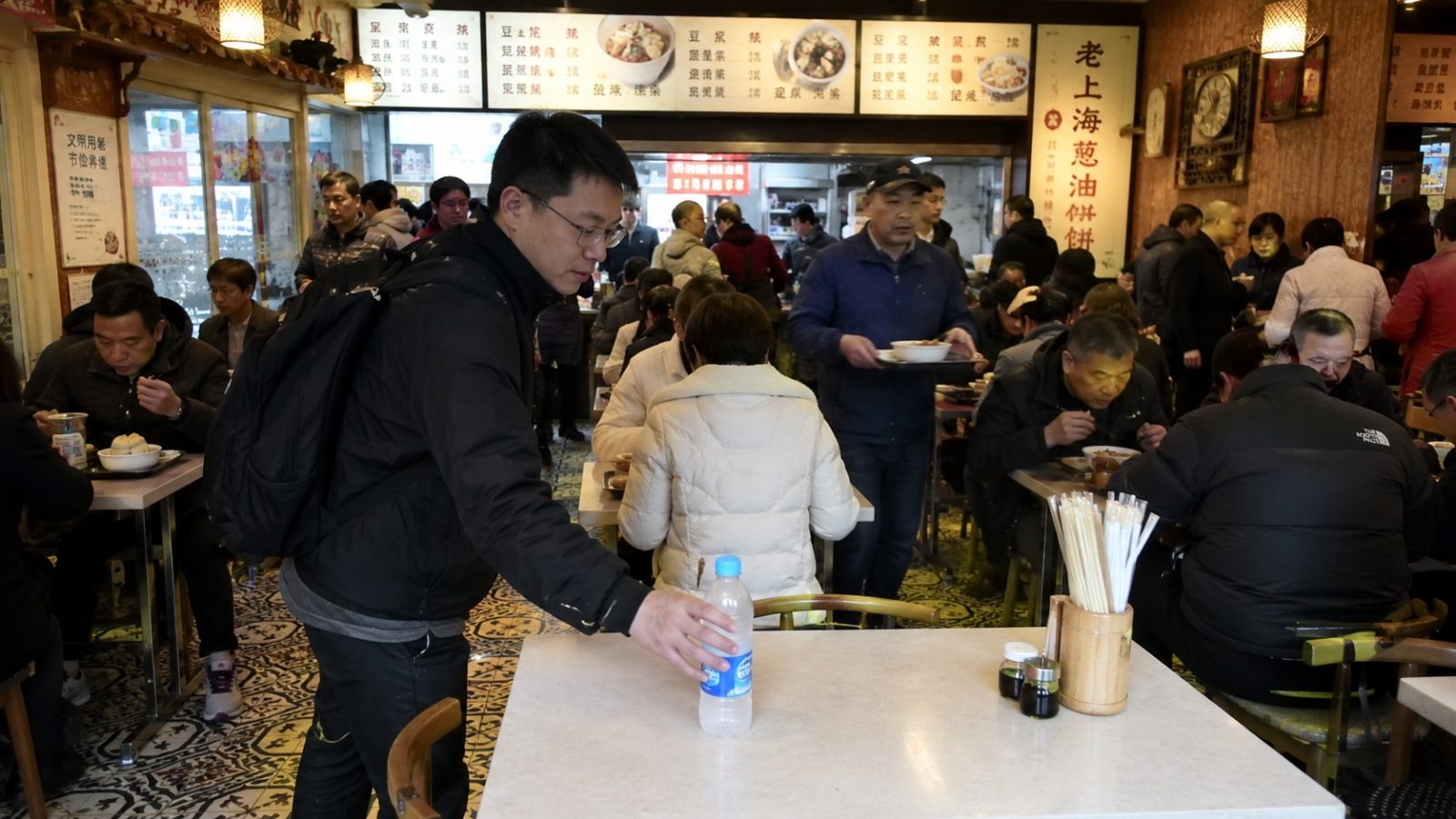
If you walk into a popular steamed bun shop in Beijing or a wonton stall in Shanghai at 8:00 AM, you will quickly realize that breakfast here is not just about food. It is a logistical challenge. The aroma of soy milk and fried dough sticks fills the air, but the real currency of the morning is space.
There are no hosts to guide you to a table. There are no menus handed out by waiting staff. You step inside, scan the room for an empty chair or table, and then make your move. If you hesitate, someone else will likely be sitting there in ten seconds. For visitors from countries with more spacious dining habits, this sudden loss of personal space can feel chaotic. But for locals, it is a well-choreographed dance.
The Art of the “Placeholder”
How do you secure a table when everyone seems to be sitting on their own bags? The first rule of Chinese breakfast etiquette is simple: your presence is not enough; your items must speak.
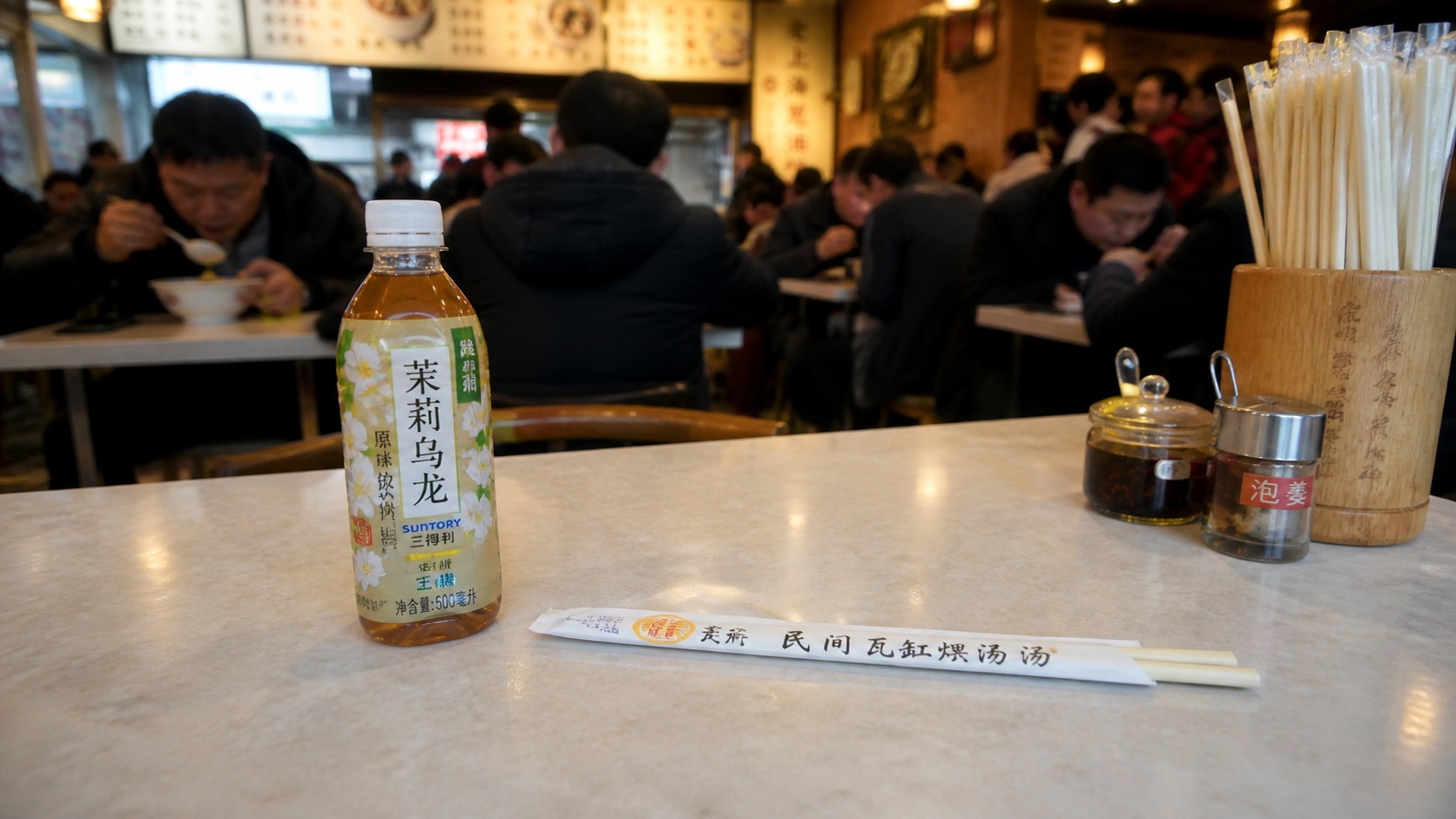
You cannot simply point at an empty chair and say, “I’ll take this.” That is considered rude. Instead, you place a small object—a bottle of tea, a pair of chopsticks wrapped in paper, or even just your smartphone—on the table. This acts as a silent flag: “This seat is reserved for my friend who is currently using the restroom.”
This system relies on trust and efficiency. The object is usually minimal because space is at a premium. A single water bottle might save two seats. If you see three bottles on an empty table, do not be alarmed; it likely means four people are eating together, and one is getting ketchup from the counter. It is a practical solution to extreme density.
Reading the Room: Silent Signals
The most critical skill for navigating these spaces is reading body language. You need to determine if a seat is actually available or if someone is just taking a short break. Watch the table next to you. Are they scrolling through their phones? Do they have their jackets on the back of their chairs?
If a diner is still eating, even slowly, do not sit with them unless invited. However, if they are wiping their mouths, pushing their bowls aside, and looking around, they are likely done. In high-traffic areas, it is common to ask a polite, non-intrusive question: “Is this seat free?” or simply make eye contact and gesture.
The Shared Table Dynamic
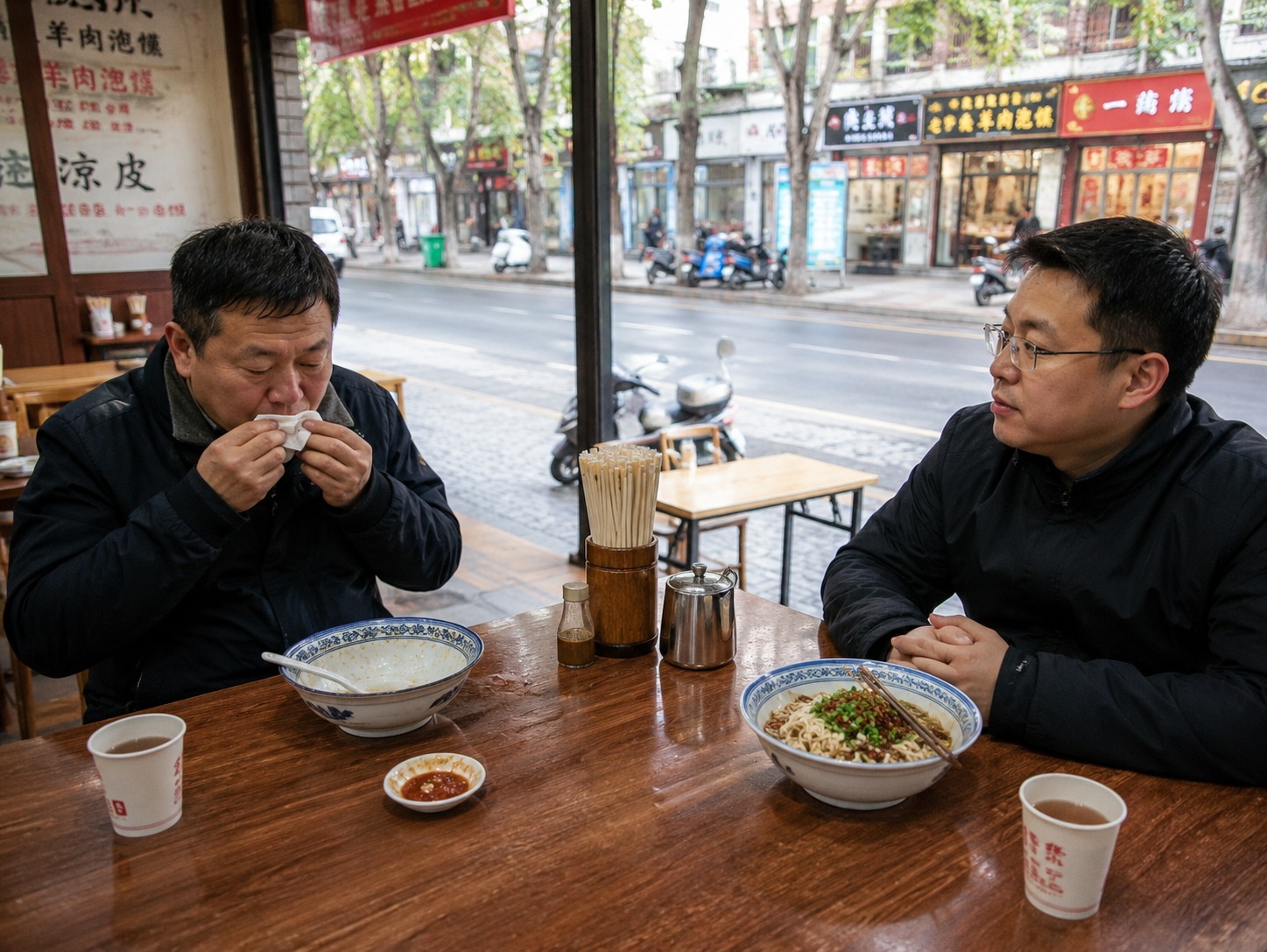
When you do secure a table, especially in smaller neighborhood eateries, you might find yourself sharing it with strangers. This is not an invasion of privacy; it is a shared social contract. You will rarely see large groups of Chinese locals eating alone at a full table if they can help it. They prefer to squeeze into corners to leave space for others.
While sitting with strangers, the interaction is usually brief and polite. You might exchange a few words about the weather or compliment the food, but deep conversation is kept to yourself. The unspoken agreement is mutual respect for shared efficiency. You do not spread your belongings across the table. You eat quickly, pay digitally (usually via WeChat or Alipay), and leave as soon as you are finished.
Efficiency as a Cultural Value
This seemingly aggressive approach to seating reflects a deeper cultural value: efficiency and collective consideration. In cities where millions commute daily, time is scarce. The breakfast stall is not designed for lingering; it is designed for refueling. By minimizing the time spent searching for seats or occupying empty chairs while away from them, everyone gets fed faster.
For the outsider, it might feel intense. But once you understand the rhythm—place your item, read the signals, share the space politely—you will find that these morning rituals are surprisingly orderly. It is a testament to how urban Chinese life balances individual needs with public constraints.