
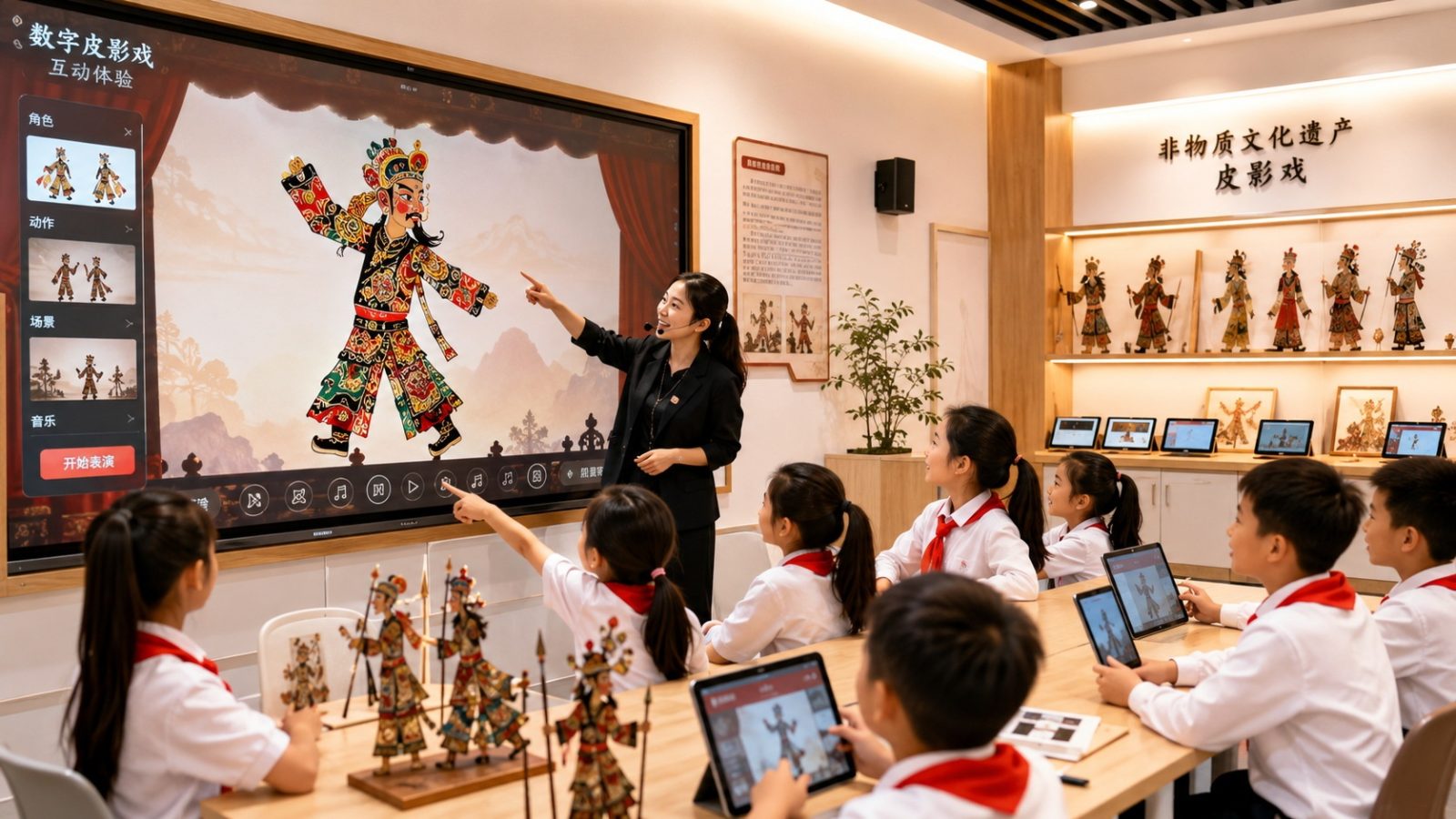

A Digital Curtain Rises in a Modern Classroom
Li Na, a 24-year-old digital arts teacher at a middle school in Beijing, doesn’t use a traditional white leather screen and oil lamp to teach shadow puppetry anymore. Instead, her students sit in front of high-resolution monitors, manipulating virtual puppets with mouse clicks and keyboard shortcuts.
“The audience used to gather around a lit sheet of parchment,” Li explains, adjusting the lighting on her workstation. “Now, they scroll through TikTok videos or play games where these characters live.”
This is not a replacement of tradition, but an evolution. Across China, cultural heritage initiatives are increasingly blending ancient craftsmanship with modern technology to keep intangible cultural assets alive. The goal isn’t just preservation; it’s relevance.
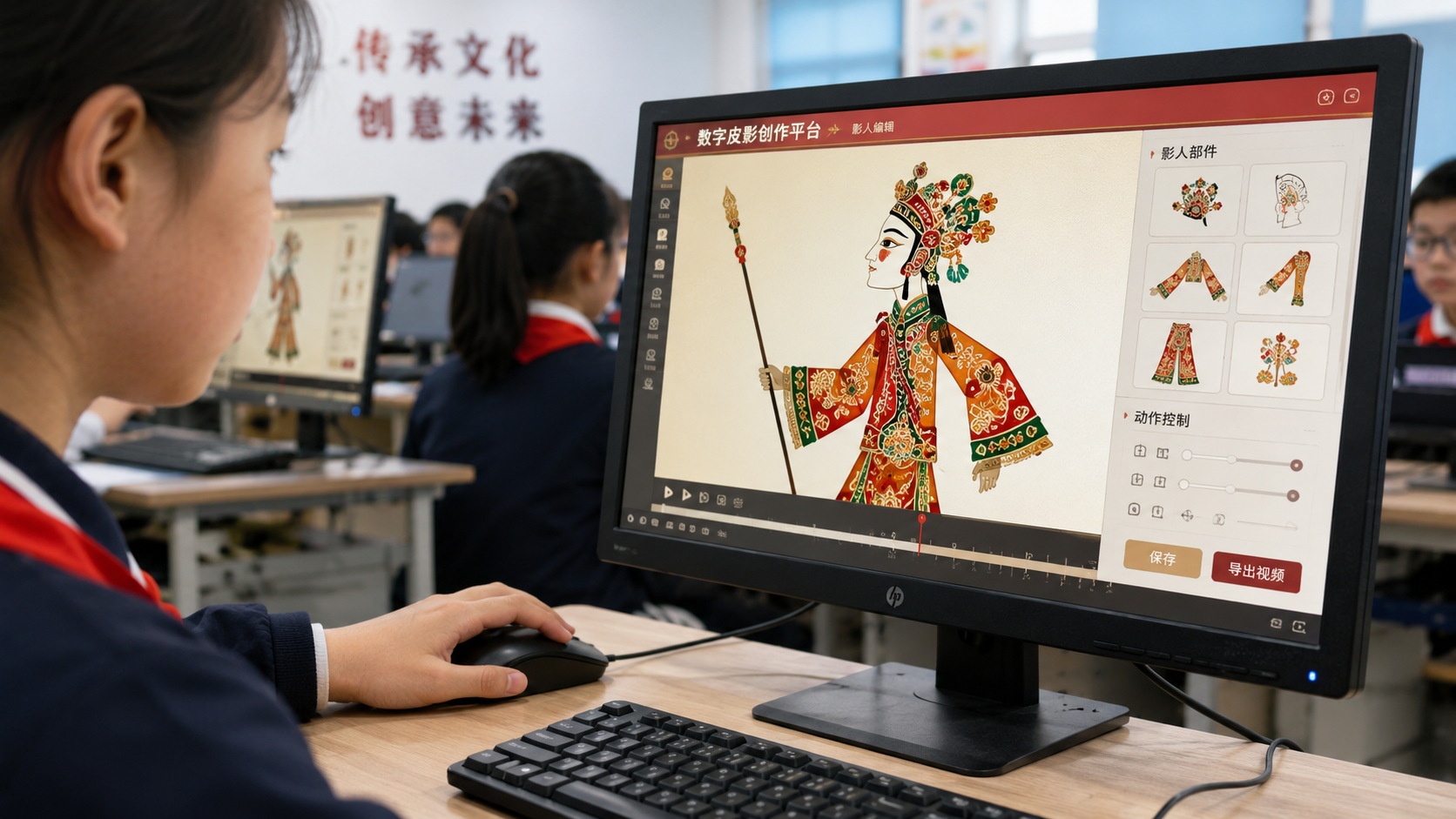
Beyond Entertainment: Animation as an Educational Bridge
For decades, shadow puppetry—known in China as Touying Xi—was seen by many young people as a relic of the past. The intricate hand-carved figures and slow-paced storytelling didn’t always match the fast consumption habits of digital natives.
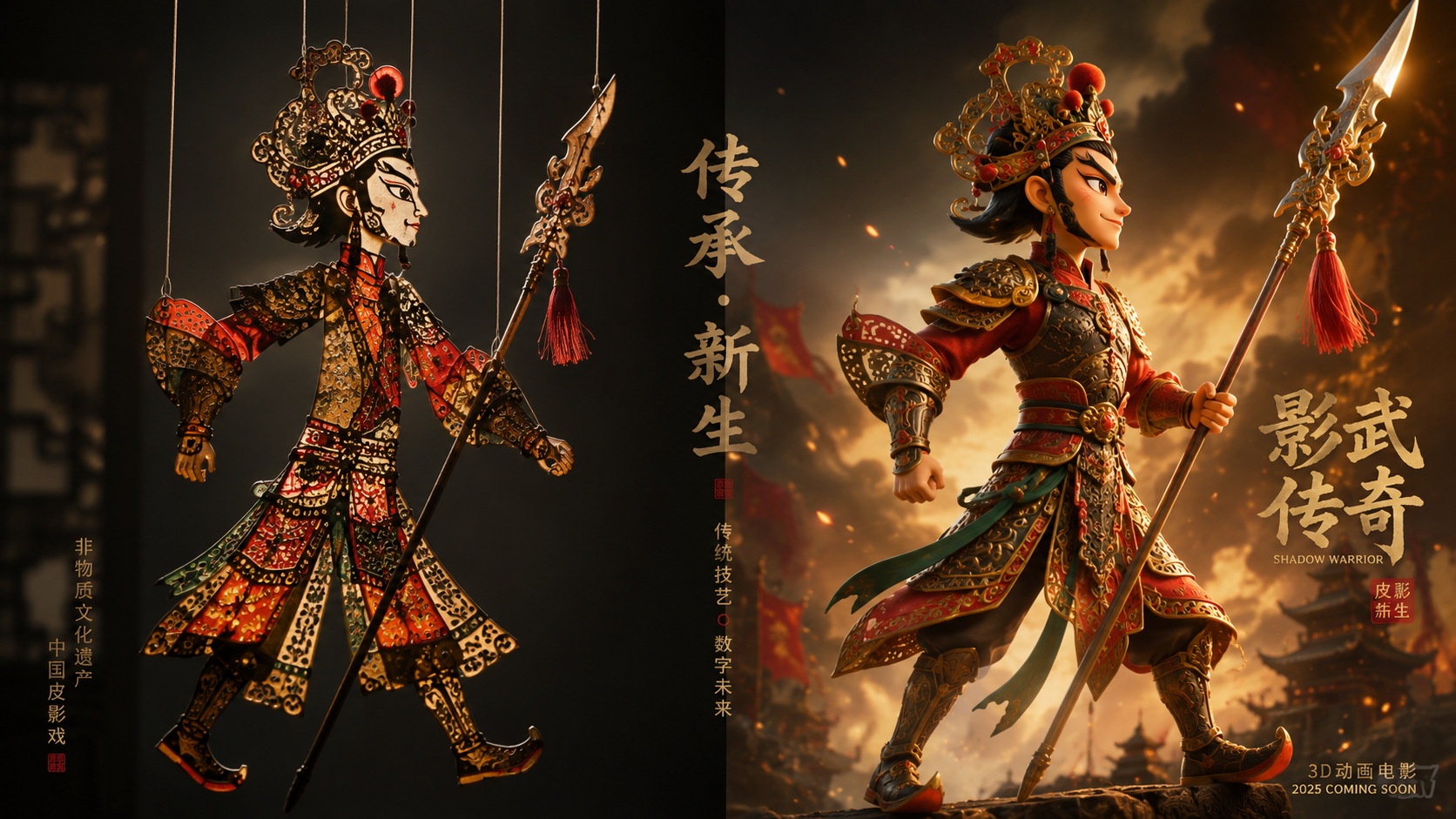
To bridge this gap, educators and artists are turning to animation and gaming. A notable example is the animated series Shadow Play, which reimagines traditional characters in a stylized, action-packed narrative that resonates with global audiences. By adapting the visual language of shadow puppetry into 2D and 3D digital formats, creators have made the art form accessible to viewers who might never visit a rural theater.
In schools, this approach is proving effective. Students learn about the history of leather carving, character symbolism, and musical accompaniment, but they apply these lessons by creating short digital animations or designing skins for mobile games. This hands-on interaction transforms passive observation into active creativity.
From Stage to Screen: New Business Models
The commercial landscape for traditional arts is shifting rapidly. It’s no longer just about selling tickets to local performances. Today, the market is driven by merchandise, social media trends, and cross-industry collaborations.
Young entrepreneurs are leveraging platforms like Xiaohongshu (Little Red Book) and Douyin (TikTok China) to showcase behind-the-scenes craftsmanship. A simple video of an artisan carving a character’s eye might garner hundreds of thousands of views, sparking immediate interest in limited-edition collectibles.
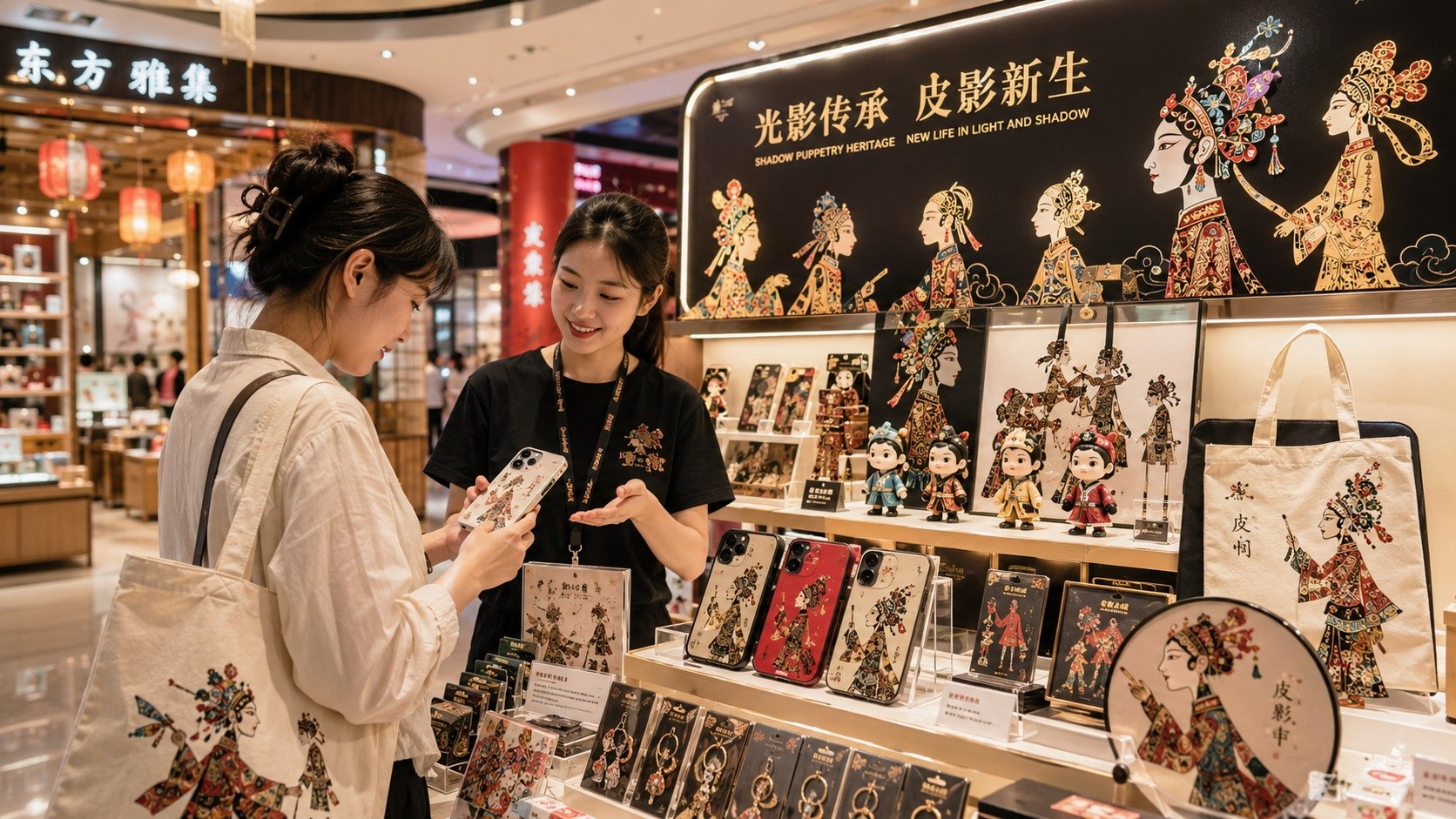
Merchandising has become a key revenue stream. Instead of large, fragile puppets meant for stage display, companies now produce smaller, stylized figurines, phone cases, and apparel featuring shadow puppet aesthetics. These items are marketed as modern art pieces rather than historical curiosities, appealing to Gen Z consumers who value uniqueness and cultural identity.
Tech Meets Tradition: AI and 3D Printing in the Workshop
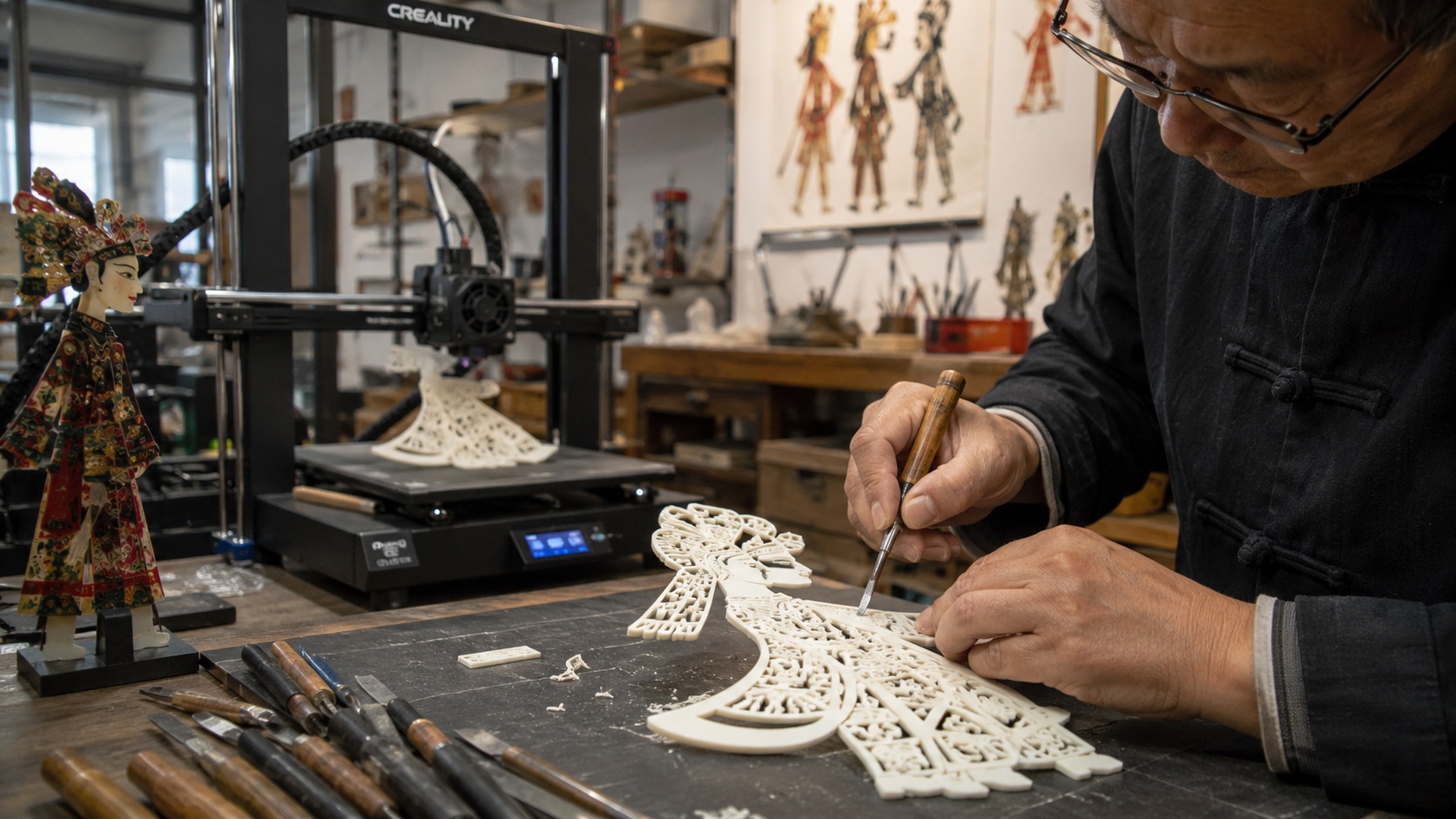
How do you scale an art form that requires months of manual labor? Technology offers answers without erasing the human touch. In modern workshops, 3D printing is used to create complex base molds for puppets, reducing the time spent on rough shaping. AI algorithms then assist in optimizing color palettes and animation frames, ensuring consistency across digital adaptations.
However, the final details—the delicate veins on a hero’s face or the specific texture of the donkey skin—remain the domain of master artisans. The technology handles the heavy lifting, allowing artists to focus on refinement and innovation.
Voice from the Workshop: A Young Artisan’s Perspective
Wang Wei, 28, is a third-generation shadow puppet maker who transitioned into digital design. “My grandfather taught me that every cut tells a story,” he says, holding up a newly printed puppet base. “But today, I use software to animate those stories for a global audience.”
Wang’s work has been featured in international indie game jams and digital art exhibitions. He notes that the challenge isn’t technical—it’s cultural translation. “We have to keep the soul of the shadow play—the interplay of light, darkness, and movement—while adapting it to screens,” he explains.
For Wang and his peers, this fusion is not a compromise; it’s a survival strategy. By embracing technology, they are ensuring that the art form remains vibrant, relevant, and economically viable for future generations.