

Unlocked Doors at Night
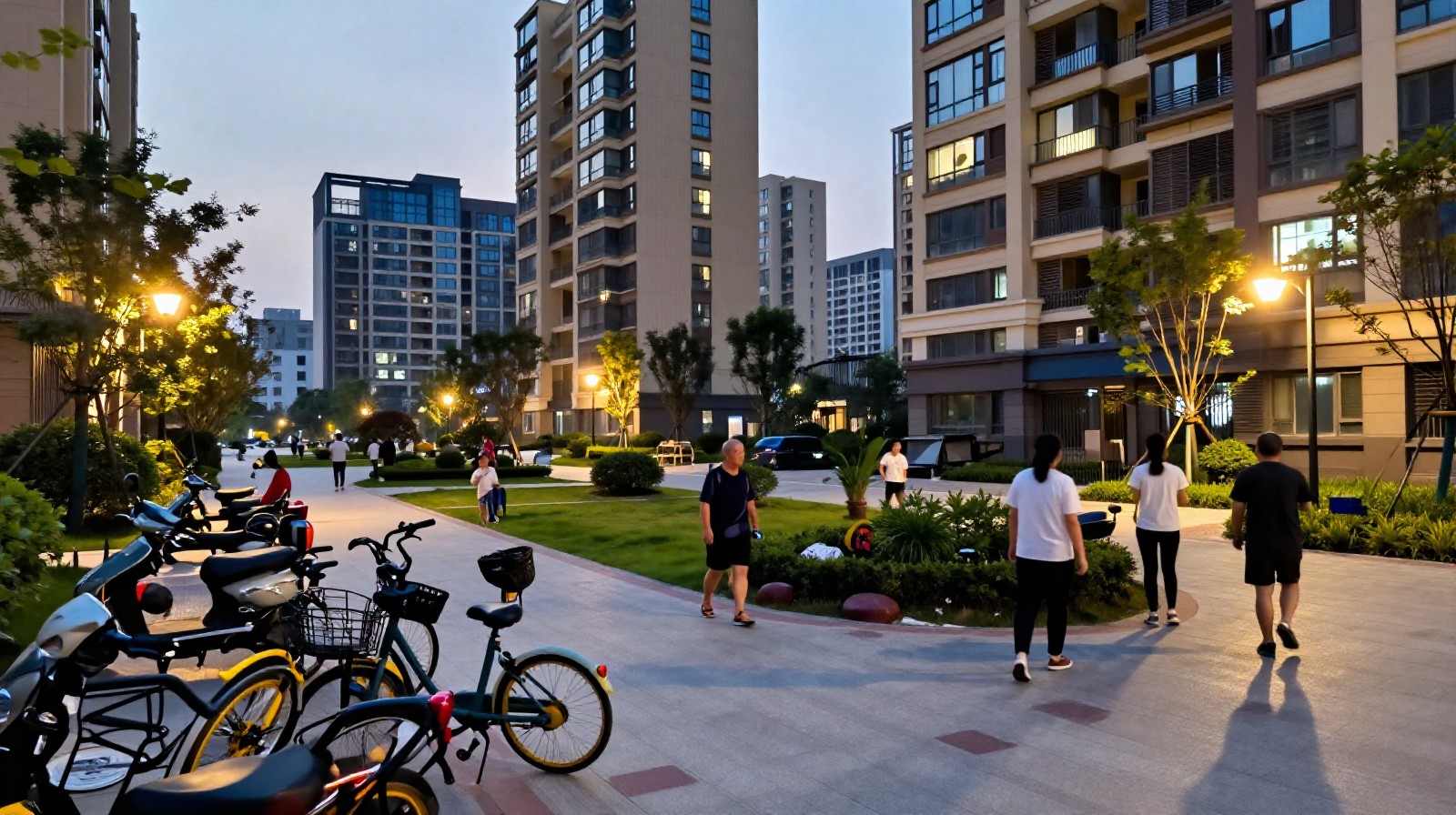
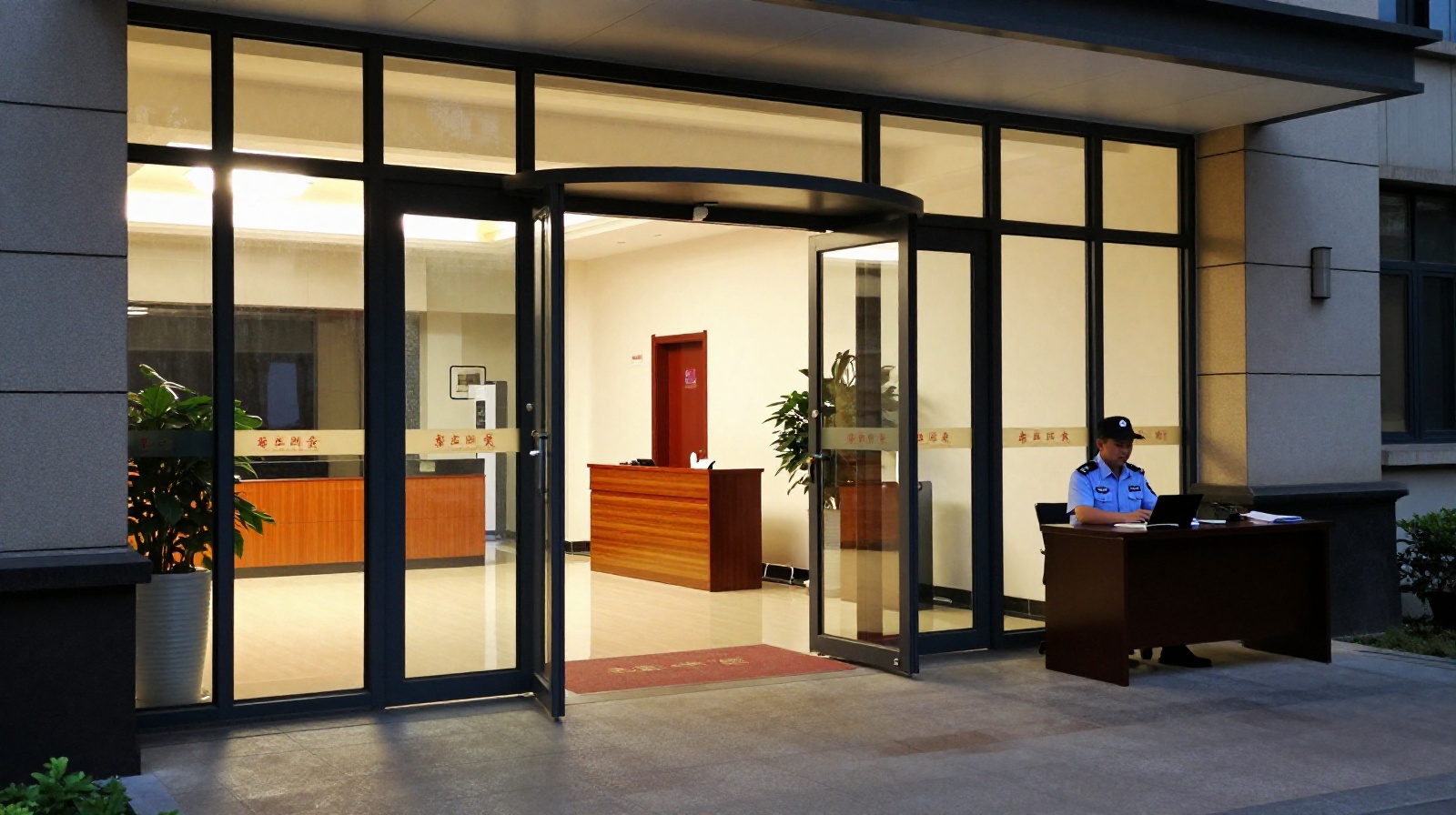
It’s past eleven on a Tuesday in Hangzhou, and I’m walking through a residential complex that feels less like a gated compound and more like a living room with multiple exits. The sliding doors to the lobby are propped open with a rubber stopper. A woman in yoga pants jogs past, headphones on, tapping her smartwatch. Two delivery scooters are parked neatly by the convenience store, their drivers counting change under a yellow streetlight. In many Western cities, this level of openness at midnight would come with a raised eyebrow or a quick glance over your shoulder. Here, it just feels like Tuesday.
The Architecture of Everyday Safety
The idea that Chinese neighborhoods are fortified bunkers is a leftover from older reportage. Today’s urban residential compounds—usually called xiaoqu—are designed around layered, almost invisible safety. There are cameras, yes, but they’re woven into daily routines rather than looming as threats. A property management app on your phone tracks package deliveries, lets you call maintenance with a tap, and sends neighborhood alerts about power outages or sudden rain. Residents don’t think of it as surveillance; they think of it as convenience. The real security comes from the human infrastructure: a security guard who knows your car license plate, a community grid worker who checks on elderly residents during heatwaves, and a management office that treats maintenance requests like customer service tickets. When you live somewhere for years, you stop noticing the locks because the system behind them works quietly.
The Night Shift and the Shared Street
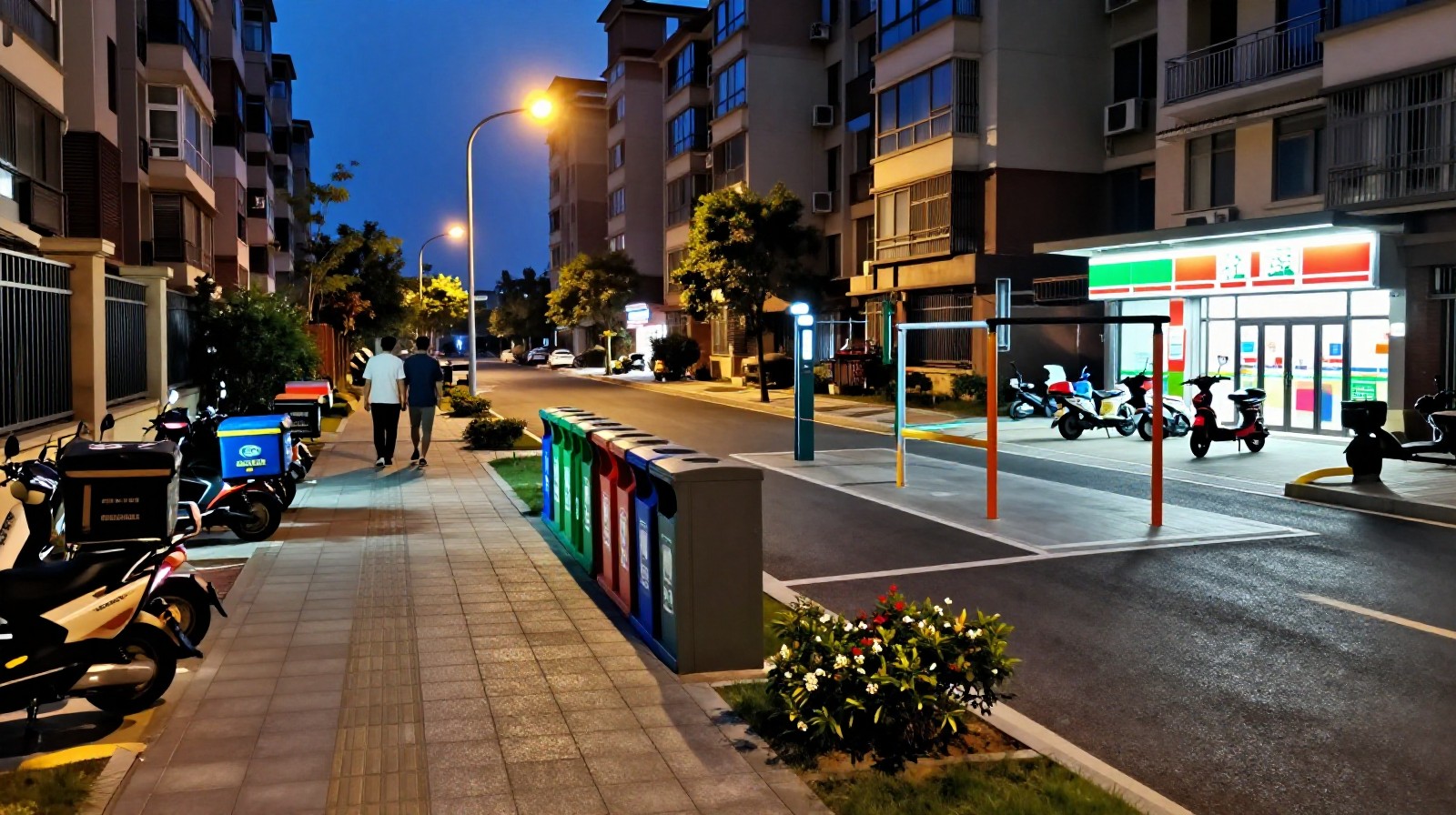
Nightlife in Chinese cities isn’t confined to downtown bars or neon-lit streets. It spills into the xiaoqu. I’ve watched college students walk back from library study sessions at 1 AM, chatting loudly but without hurry. I’ve seen grandparents lead small dogs past recycling bins, pausing to ask each other about tomorrow’s morning market prices. Food delivery apps keep the local economy humming well past ten. Riders don’t race through dark alleys; they navigate well-lit pathways, crosswalks, and building entrances that are either open or easily accessible. This isn’t just about low crime rates. It’s about a shared expectation that public space remains usable, predictable, and safe enough for ordinary people to claim it after work.
Practical Trust in a Micro-Community
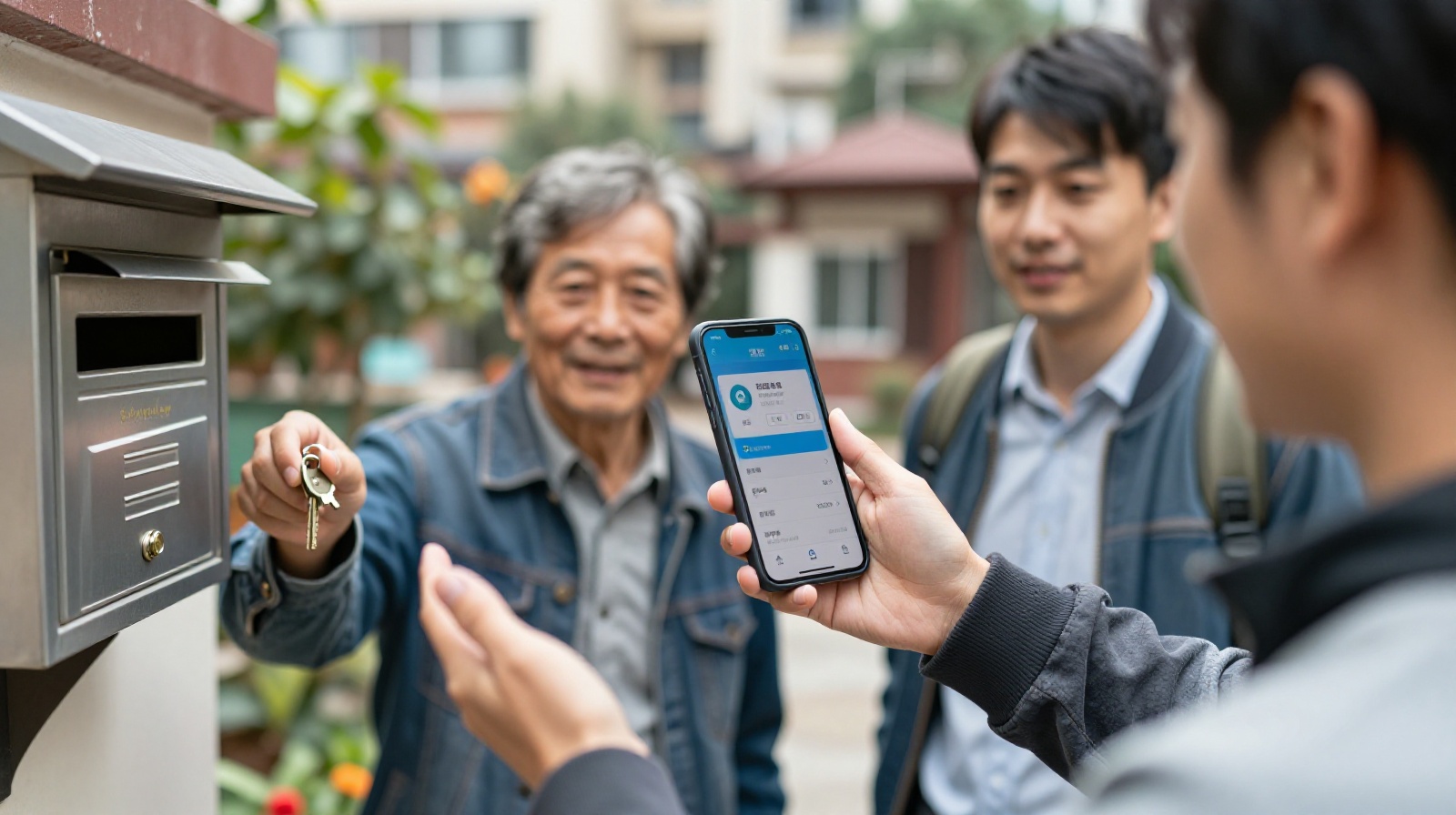
The trust that allows doors to stay unlocked doesn’t appear out of nowhere. It’s built through pragmatic, everyday cooperation. Most compounds run on a WeChat group that functions as a digital neighborhood bulletin board. Someone posts a photo of a lost cat; three people check their balconies, and the owner replies with a video of the orange tabby eating from a bowl on the third floor. Need a ladder? Ask the group. Organizing weekend trash sorting? The property manager sends a calendar invite. There’s friction, of course—noisy renovations, parking disputes, complaints about street vendors—but it’s usually resolved in chat threads or over tea at the community office. The system rewards participation. When residents feel heard, they help maintain the space. When they don’t, feedback loops are fast enough to prevent small annoyances from becoming chronic.
Peace as a Daily Practice
I used to think safety meant heavy doors and higher walls. Living here has taught me that it often looks like open lobbies, well-maintained pathways, and neighbors who leave their windows cracked in summer because the air feels clean and the streetlights stay on until dawn. Peace isn’t a policy headline. It’s the quiet hum of a community that doesn’t feel the need to barricade itself at night. It’s just Tuesday. And for most people here, it’s exactly how they want it to be.