

No Guardrails Needed
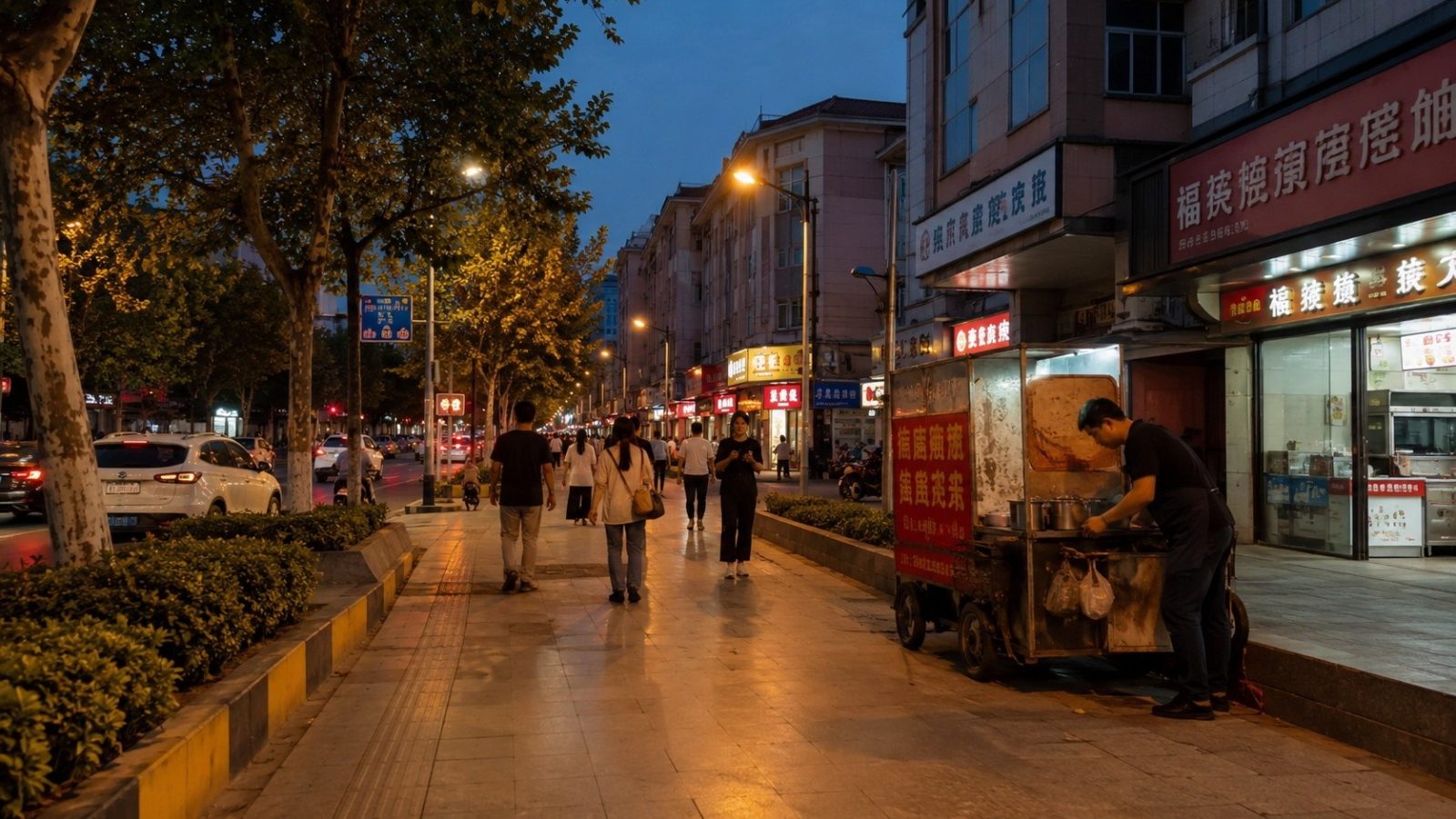
At 10:15 p.m., the scent of cumin and charcoal lingers in the humid air. Chen Wei wipes down his stainless-steel skewer cart, folding a neon sign that reads “Open” into a cardboard box. A few meters away, a couple strolls past, sharing an umbrella against a light drizzle. There is no steel fence between them and the street. No plastic barriers boxing in the sidewalk. Just painted lines, low planters, and wide pavement.
I used to believe what I saw on foreign news feeds: that Chinese streets are defined by isolation. Steel guardrails slice through intersections; concrete dividers separate bikes from pedestrians; every public space feels like a controlled zone. It was an easy assumption until I walked these blocks myself. The reality is quieter, stranger, and far more practical.
The Retreat of Barriers, The Advance of Space
Chinese cities are quietly undoing years of hard fencing. In neighborhoods around Chengdu’s old town or Hangzhou’s Binjiang district, rigid railings have been replaced by flexible alternatives. Low concrete bollards, raised planters, and color-coded pavement lines now do the work that steel once did. The logic is straightforward: visibility breeds safety.
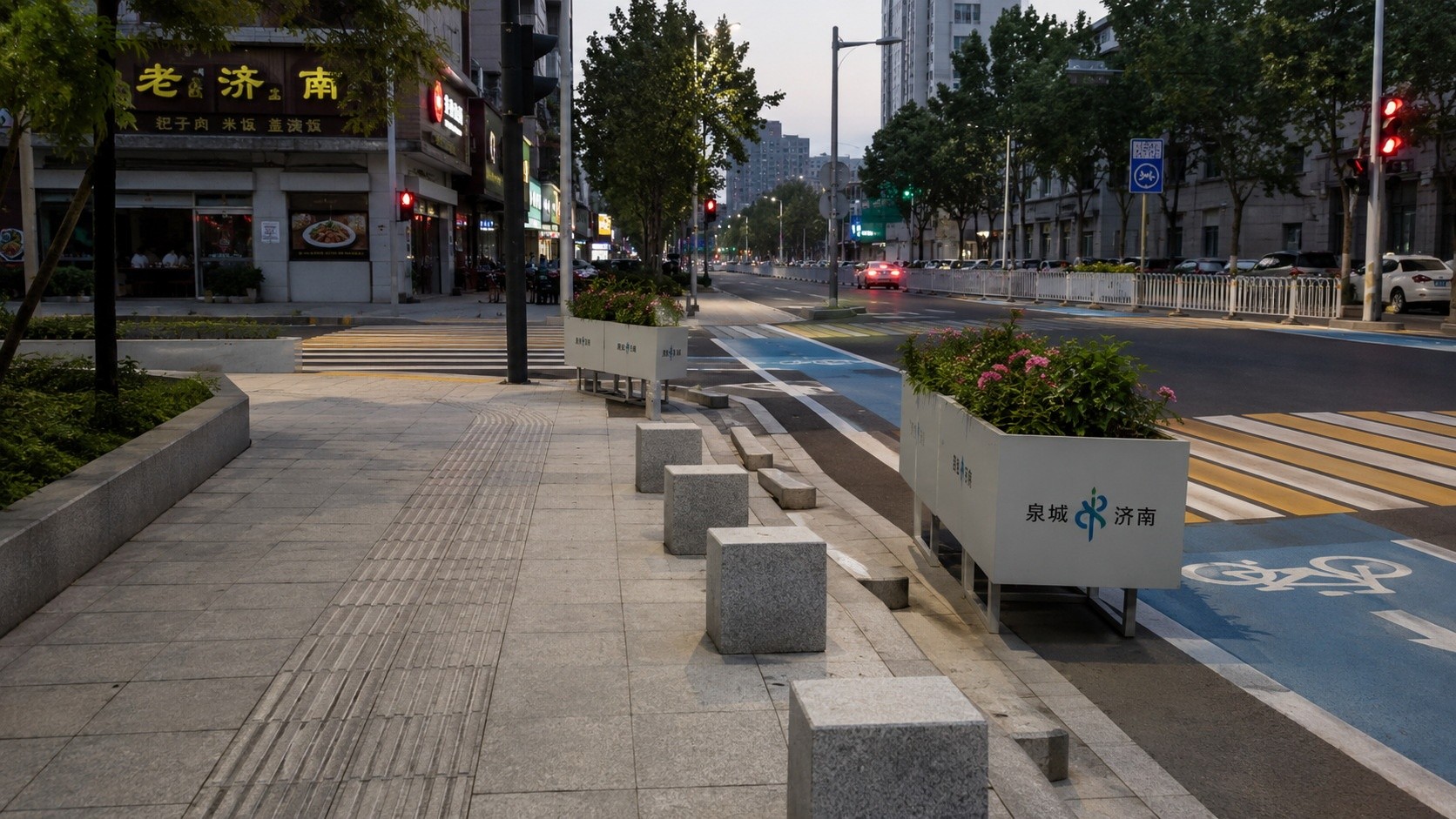
When you widen a sidewalk from two meters to four, you change human behavior. People stop huddling against walls. Streetlights shift from dim yellow bulbs to uniform 4000K LEDs, casting clear shadows and eliminating blind corners. Parking bays are marked with reflective tape so delivery scooters don’t drift into pedestrian zones. Urban planners here call it “breathing room” for public space. It is a core part of urban micro-regeneration, where small physical tweaks yield measurable improvements in comfort and flow.
The Invisible Net of Order
Safety on these streets does not come from cameras alone, nor from shouting police officers. It comes from a layered system that blends low-tech community work with high-tech monitoring. This model of community collaborative governance relies on proximity rather than punishment.
Every residential block in China is assigned a grid worker (社区网格员). They are not armed enforcers but neighborhood liaisons. During evening hours, they walk the same routes as vendors and residents, checking for blocked drains, tripping hazards, or overcrowded stalls. Their portable radios link directly to district command centers. If AI crowd-counting sensors detect density spiking near a food alley, lights adjust, extra street cleaners arrive, and traffic flow is quietly rerouted.
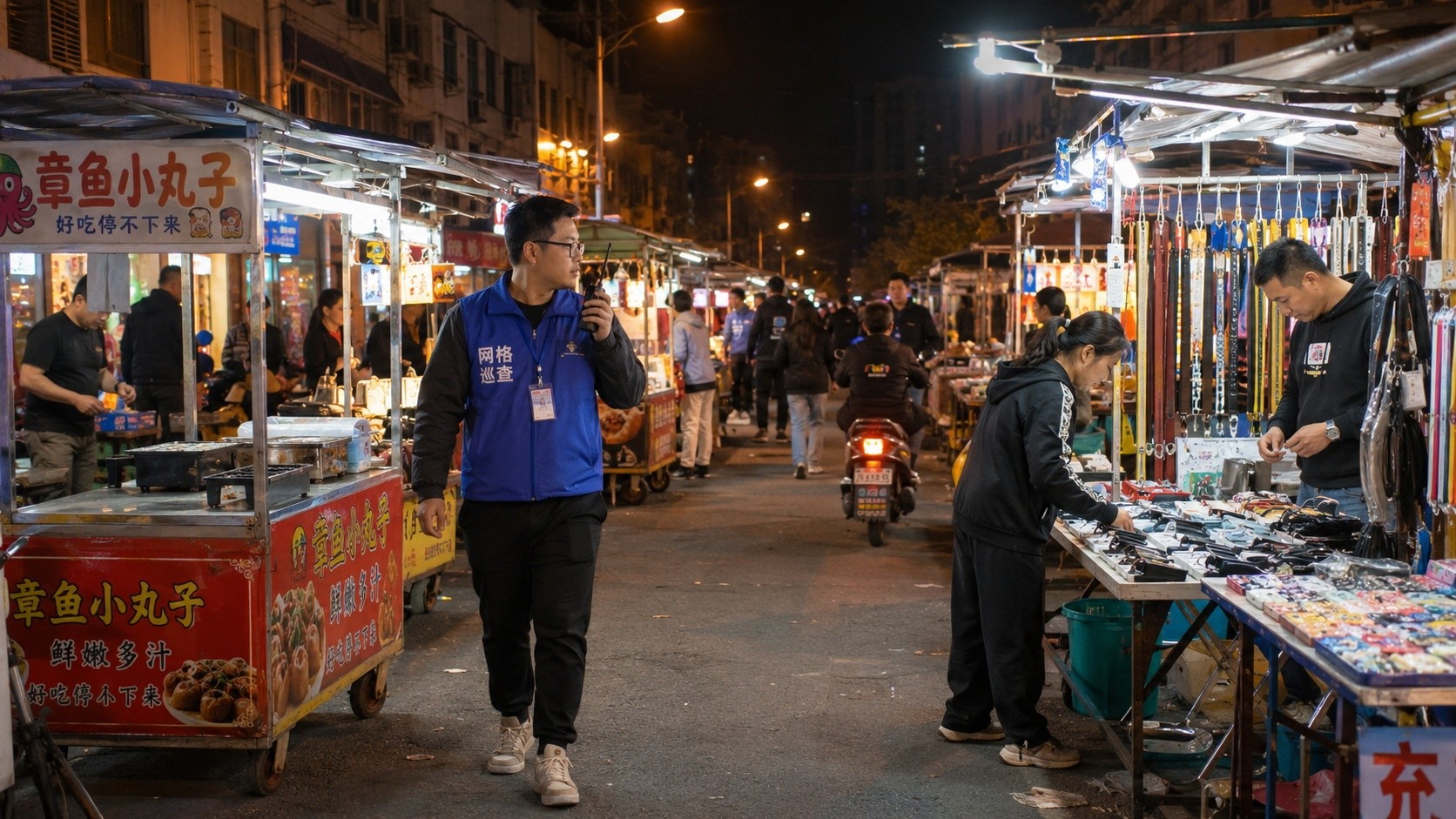
This human layer works alongside vendor self-governance. In many night markets, stall owners elect representatives who draft noise cutoff times, waste disposal schedules, and fire safety checklists. Enforcement officers rarely show up with fine books on the first offense. Instead, they issue warnings, offer training, and gradually phase out rules that cause friction. It is a pragmatic social contract: you keep your area clean and quiet, and the city lets you thrive.
The Economics of Smoke and Fire
Removing fences is not just about aesthetics or control. It is an economic calculation. When pedestrians feel safe walking freely, they linger. And lingering drives revenue.
Data from municipal commerce bureaus in tier-two cities show a consistent pattern: foot traffic at night markets rises by 20 to 35 percent after streetscape upgrades, and small vendor monthly income climbs accordingly. Young urbanites have returned to the “stroll-and-eat” habit in force. After years of pandemic lockdowns and remote work, Gen Z professionals treat weekend night walks as a social reset. They buy craft drinks, try regional snacks, and post short videos that loop back into local tourism.
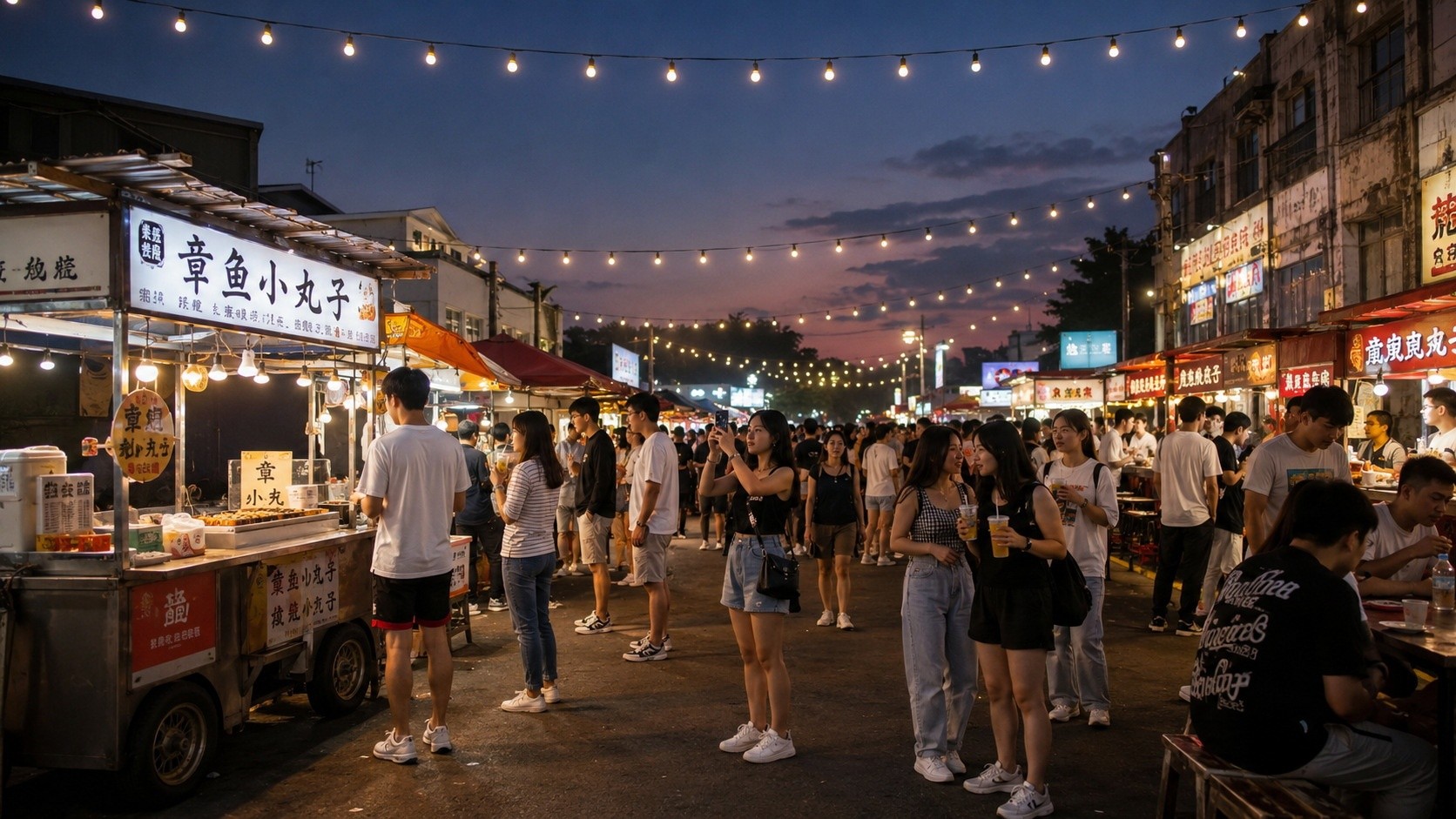
The night economy is no longer tolerated; it is cultivated. Cities realize that safe, walkable streets are the foundation of small business resilience. When a street feels secure, people spend more time there, and time translates to transactions. It is a straightforward feedback loop that turns public space safety into private profit.
Not a Perfect Fairy Tale
The system has friction points. During national holidays or local festival weekends, some upgraded streets still choke on pedestrian volume. Maintenance crews face constant pressure fixing cracked LED housings or replacing waterlogged bollards after heavy rains. Smart surveillance cameras require expensive data processing contracts that smaller districts struggle to fund.
Progress is also uneven. Coastal metropolises move fast; inland counties rely on older infrastructure and slower budget cycles. What works in Shenzhen may not fit a historic town in Yunnan, where narrow alleys resist modern widening. City managers know this. They adjust pacing, test pilot zones, and scale only after local feedback settles.
Safety Grows From Daily Life
The shift in Chinese urban management is subtle but profound. It moved from hard control to soft service. Fences were once symbols of distrust; now they are seen as obstacles to community life. Safety is not installed overnight like a traffic light. It grows from repeated interactions, maintained lighting, responsive grid workers, and vendors who take pride in their blocks.
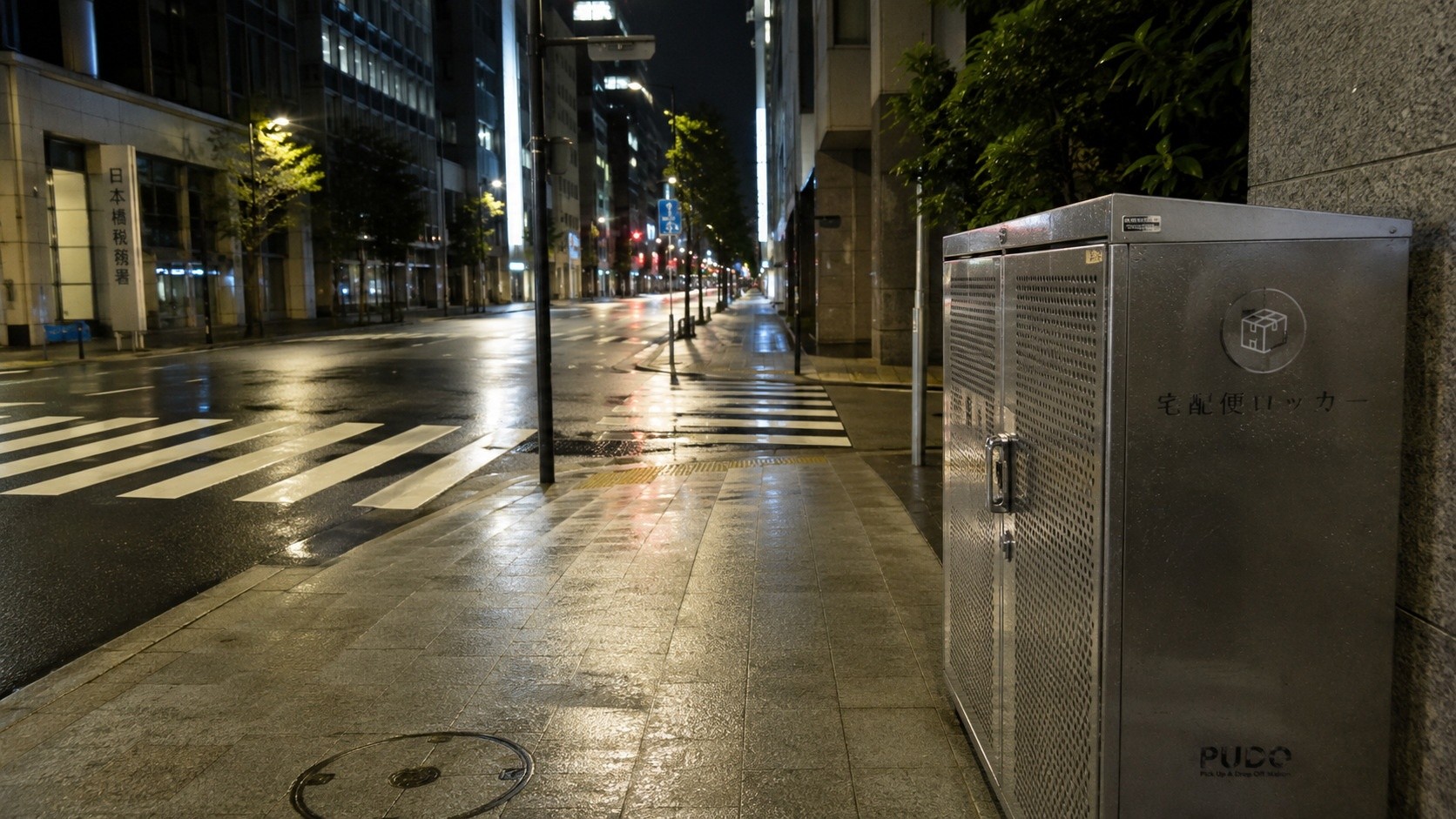
By midnight, Chen Wei locks his cart into a shared storage locker near the subway entrance. The streetlights hum steadily. A delivery rider weaves past without honking. Somewhere down the block, a teenager practices guitar chords on an acoustic instrument. No one calls the police. No one worries about crossing back.
The city does not need guardrails to stay safe. It just needs people to feel it belongs to them.