

The Queue That Defies Menu Logic
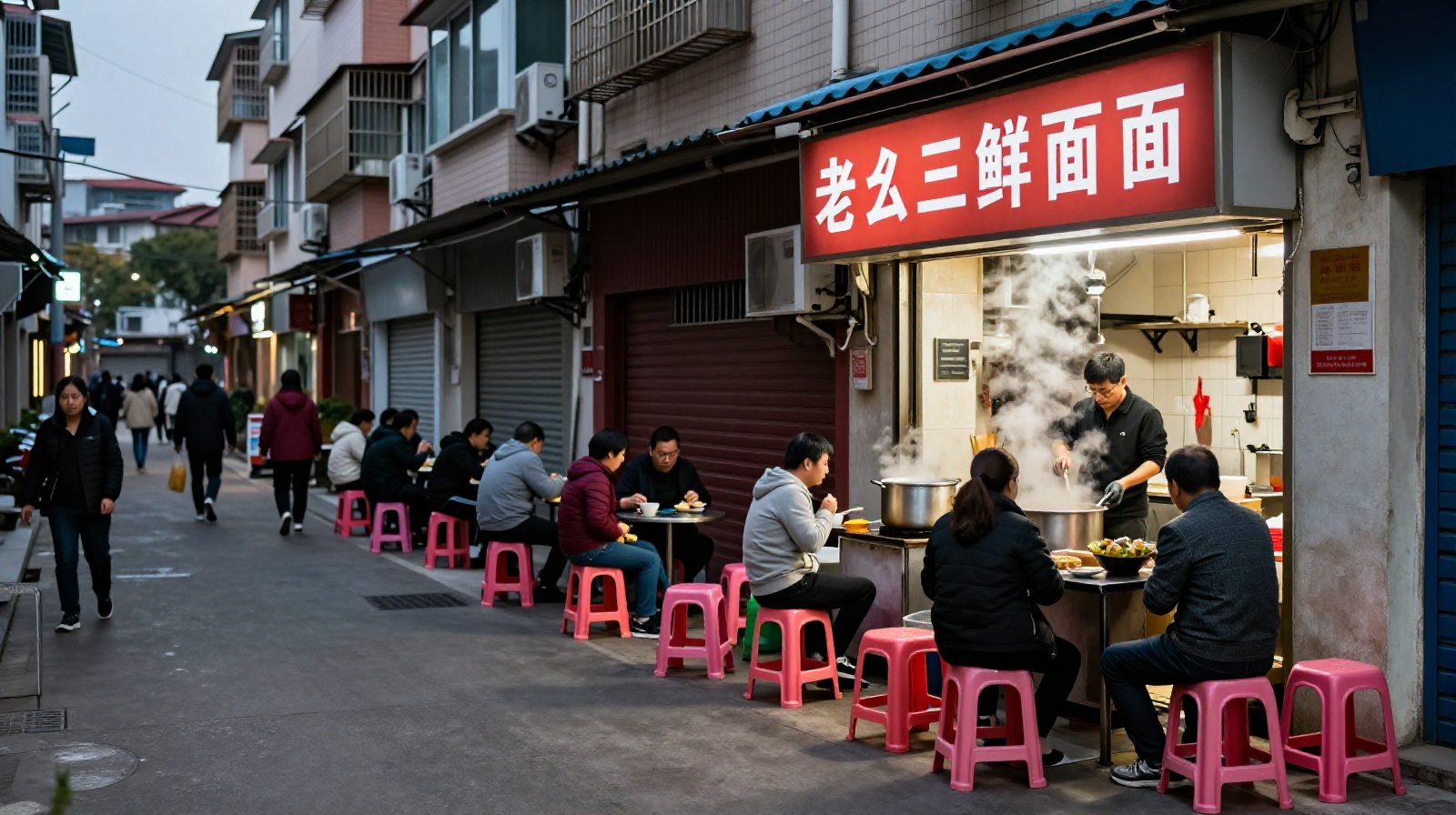
At 7:15 p.m. on a Tuesday, the plastic stools outside a half-open storefront in Wuchang district are already full. There is no menu board hanging above the door. Just a handwritten sign taped to a glass pane: “Beef noodles, 18 yuan. Extra chili free.” Inside, a woman in a stained apron tosses dough with practiced rhythm, while a man in a faded tank top ladles broth into paper bowls. They serve roughly 600 customers before the kitchen closes at 8:30. No reservations. No loyalty app. Just a line that wraps around the block and disappears by midnight.
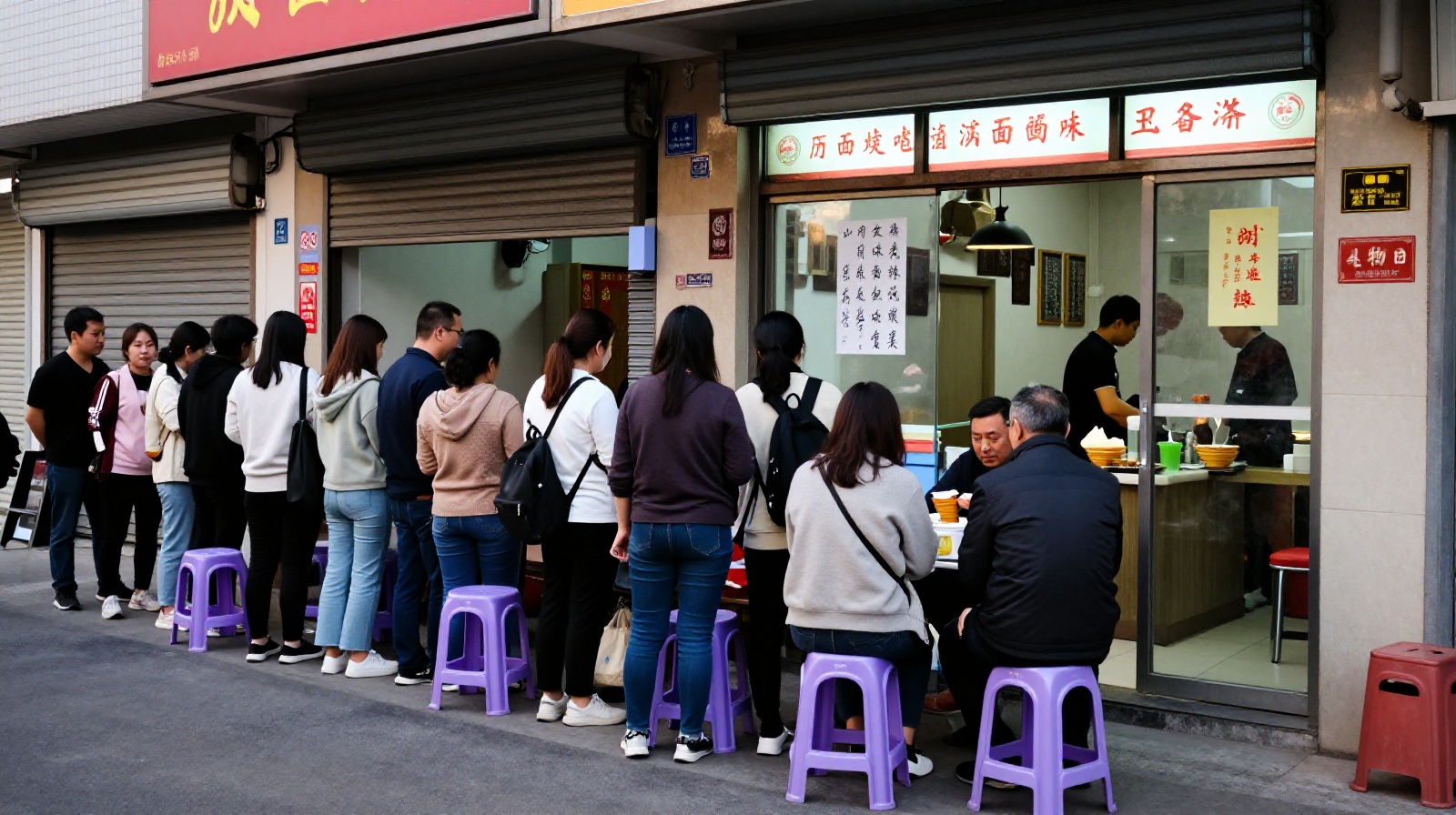
For visitors used to curated food guides or branded restaurant chains, this scene looks chaotic. It is not. It is the operating system of Chinese street dining. These shops do not carry labels like “Sichuan” or “Cantonese.” They belong to a quiet tier of local eateries that move tens of thousands of portions daily without ever appearing on a national menu. The secret is not innovation. It is frictionless consistency.
No Michelin Stars, Just a Rolling Pin and a Wok
I watched one stall in Chongqing’s Yuzhong district flip exactly 412 bowls of “small noodles” between noon and 2 p.m. The owner, Lao Chen, measured spice by eye, not grams. His broth simmers from pork bones and dried chilies for six hours, but he refuses to share the ratio. “If I write it down, someone else will copy it,” he said, wiping sweat off a metal counter. “The taste is in the wrist.”
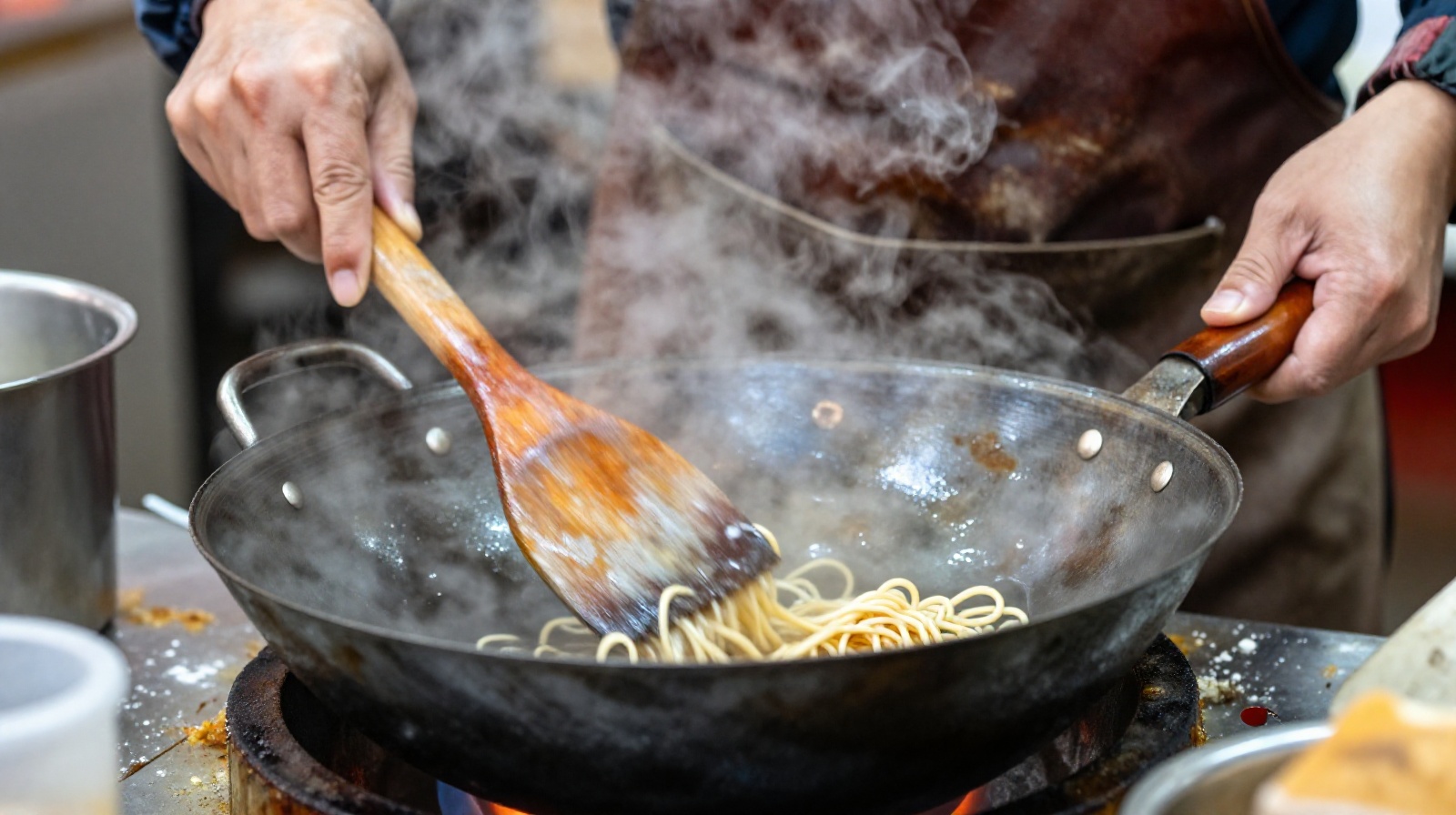
These kitchens operate on tight margins. A bowl costs about $2.50 to make and sells for roughly $1.80. Profit comes from volume and speed. Turnover happens every eight minutes. The staff are usually family: a brother grilling meat, a sister managing the register, an auntie washing bowls in a three-basin sink. They do not hire food scientists. They rely on muscle memory and neighborhood feedback. If the saltiness shifts, customers complain within hours. The recipe corrects itself overnight.
Why “Unbranded” Beats “Famous” in Daily Life
Overseas diners often expect regional Chinese food to follow a rigid framework: eight major cuisines, standardized spice profiles, and formal dining etiquette. Real consumption tells a different story. In tier-two and tier-three cities, people eat where they live, not where they travel. A factory worker in Zhengzhou does not need a “Henan cuisine” certification to recognize the taste of his morning breakfast. He needs it to be hot, fast, and cheap.
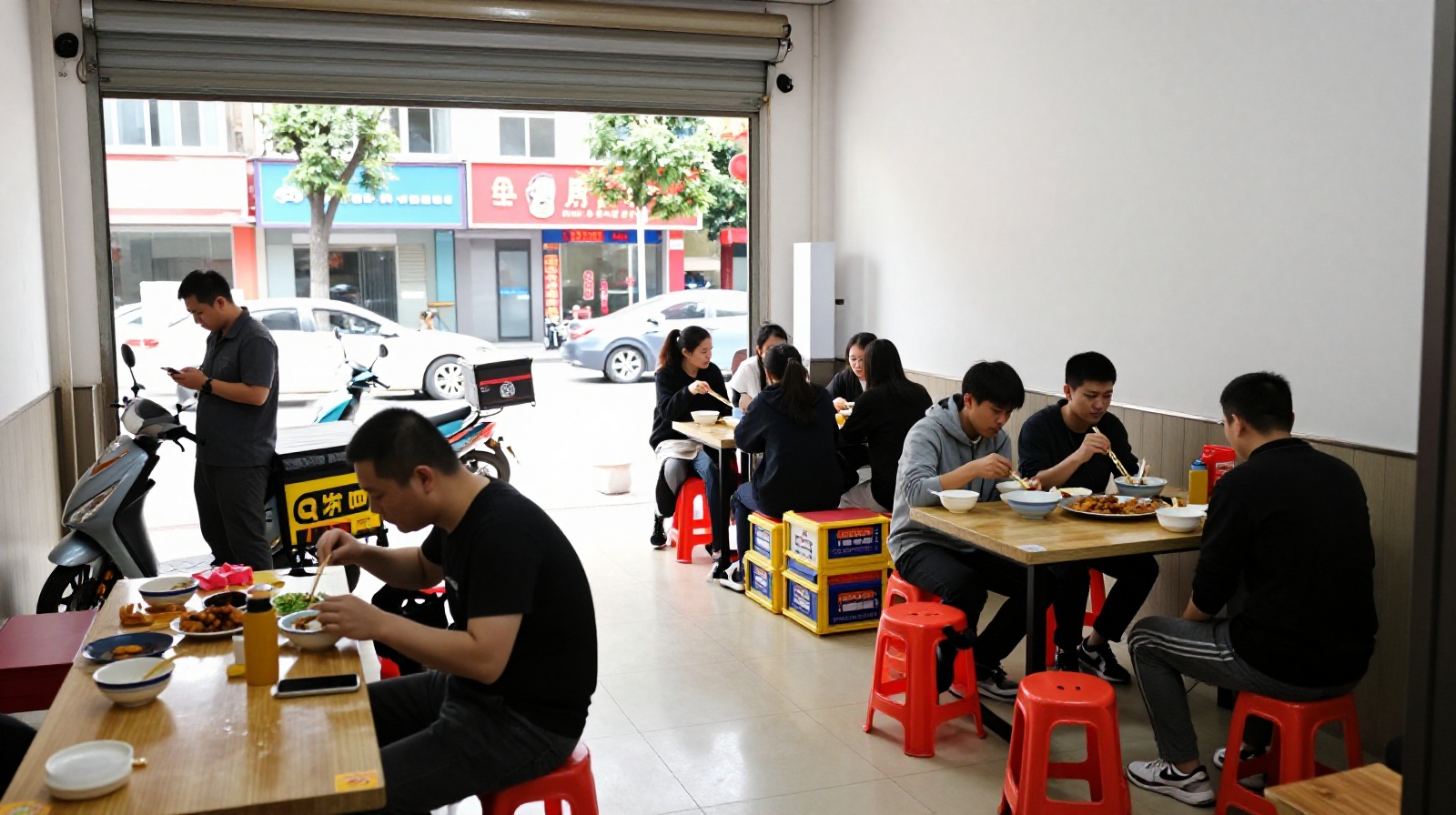
The unbranded model survives because it mirrors urban rhythm. Delivery riders grab twenty orders at once, their phones buzzing with synchronized timestamps. Office workers swipe employee cards at the door. Students sit on upturned milk crates while waiting for their noodles to cool. The food is not designed for Instagram. It is engineered for survival, convenience, and habit. When a shop stays open for fifteen years in the same alley, it stops being a business and becomes neighborhood infrastructure.
The Hidden Supply Chain Behind a $2 Bowl
You might wonder how these stalls remain profitable without corporate backing. The answer lies in micro-logistics that operate beneath the radar of mainstream food journalism. Local wet markets distribute fresh chilies, Sichuan peppercorns, and hand-cut pork daily by 4 a.m. Delivery vans drop off standardized noodle dough from regional factories. Many shops source spices through wholesale WeChat groups that function like underground trading floors. Prices shift with the season, but the flavor profile stays locked.
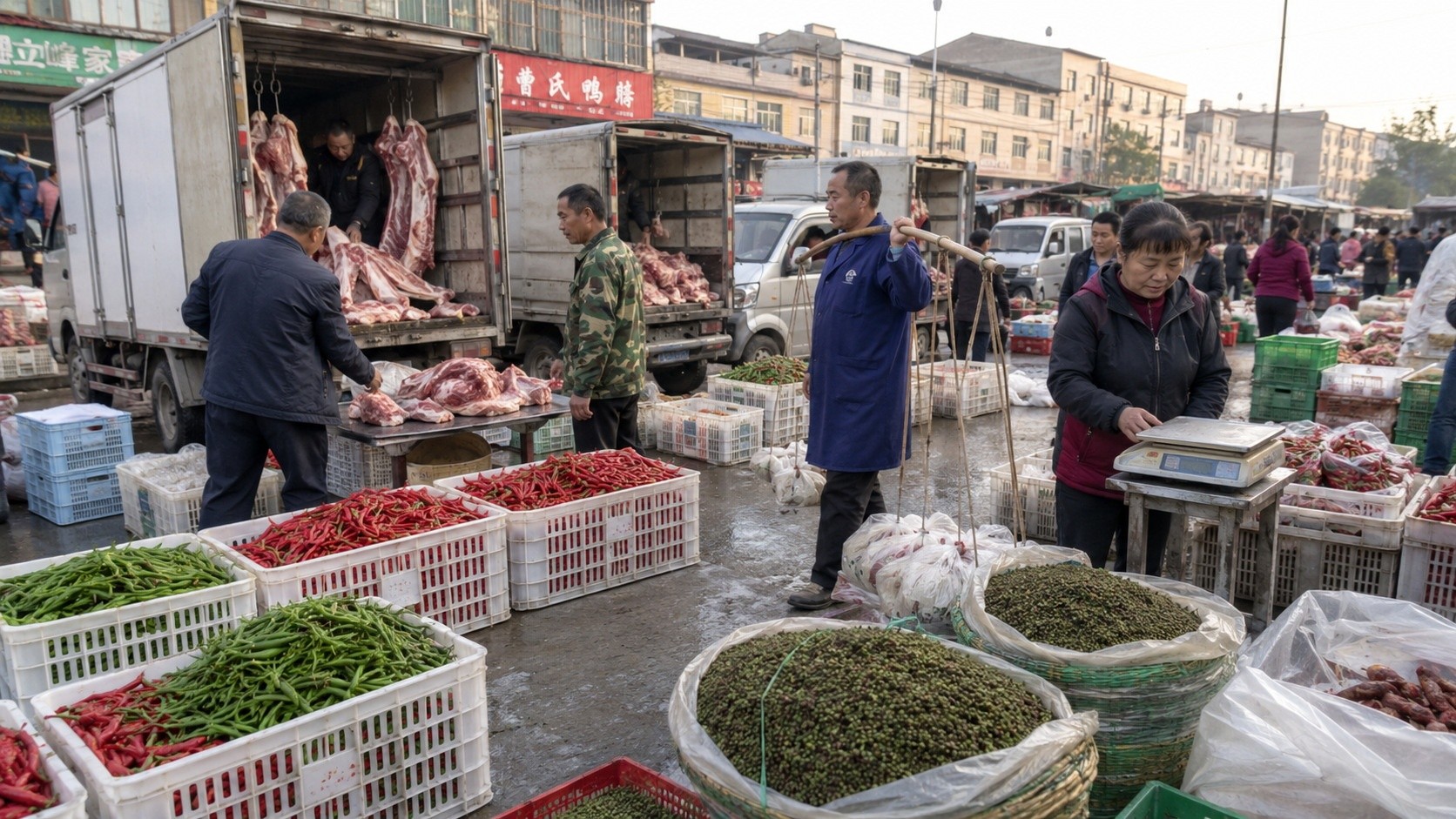
Food safety is often questioned by outsiders, yet the reality is pragmatic regulation. Every stall must display a health permit, usually laminated and taped to the wall. Local market supervisors conduct random inspections twice a month. The system is not flawless, but it is transparent enough to keep reputations intact. A single incident can close a shop permanently. Word of mouth acts as both marketing and quality control.
More Than Food: Street-Level Trust and Urban Rhythm
Eating at these counters is rarely a solitary act. It is a social contract between cook and customer. Regulars know which stool stays out for late-night shifts. The owners remember how many scallions a retired teacher prefers. When a typhoon hits or a subway line closes, the shop becomes a gathering point. People share tables, trade tips about bus routes, and wait out the weather without asking questions.
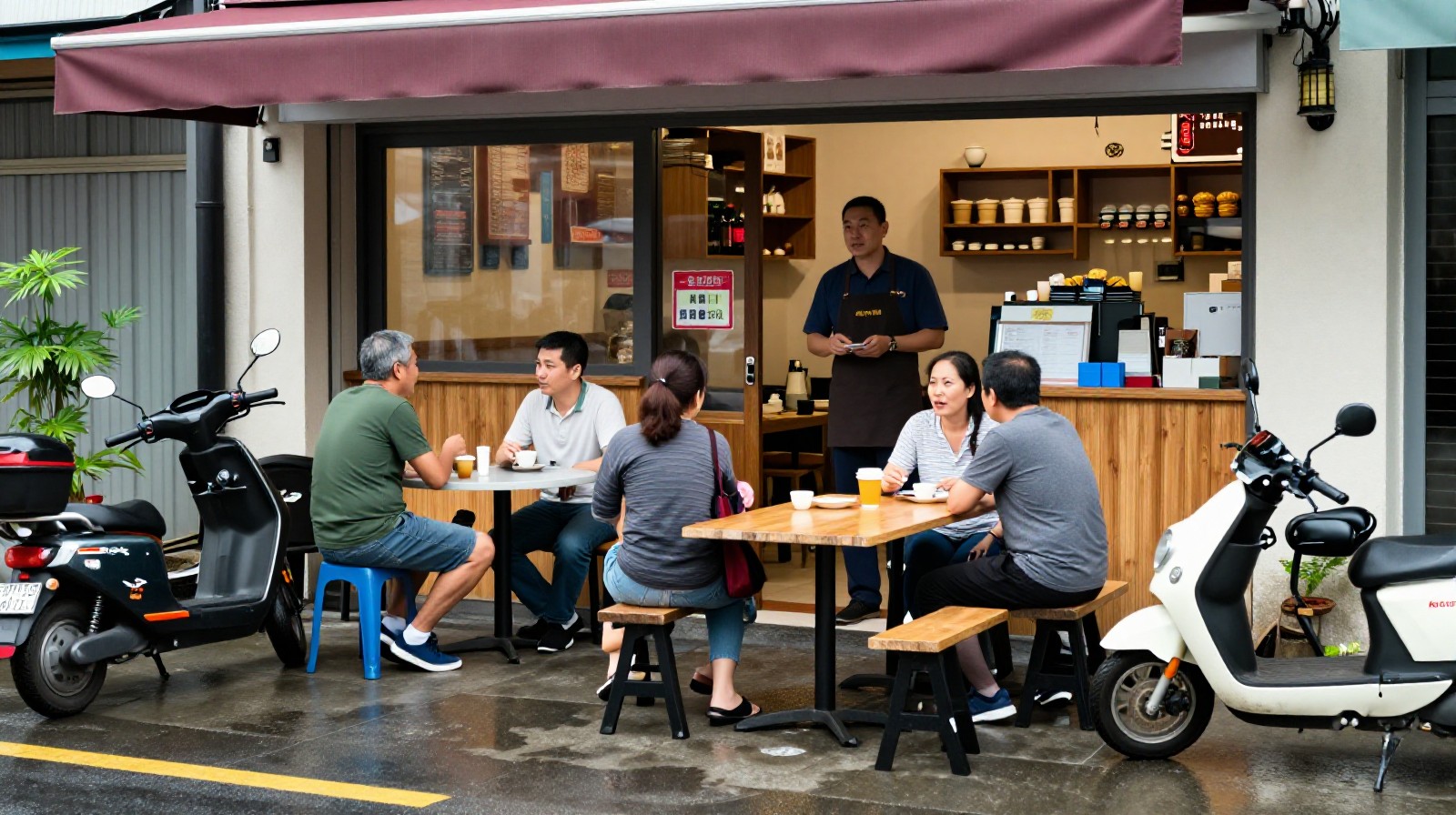
This model is not fading. It is adapting. Many unbranded stalls now accept mobile payments, display digital menus on cracked tablets, and use electric delivery scooters with insulated boxes. The aesthetic remains rough, but the infrastructure is quietly modern. The food still tastes like it did ten years ago. That is the point. In a country chasing smart cities and automated kitchens, these counters prove that human scale and stubborn simplicity still win the daily competition.
What Happens When Flavor Outlasts Trends
The next time you scroll past a viral restaurant review, pause. Look instead at the alley behind your hotel lobby, the ground-floor window with peeling paint, the line of locals waiting for something that costs less than a bus ticket. That is where Chinese food actually lives. Not in curated tasting menus or heritage branding campaigns. In the steam rising from a metal pot, the scrape of a ladle against ceramic, and the quiet pride of a cook who knows exactly how many portions he will sell before the sun goes down.