
The New Morning Ritual: A Shift from Home Cooking
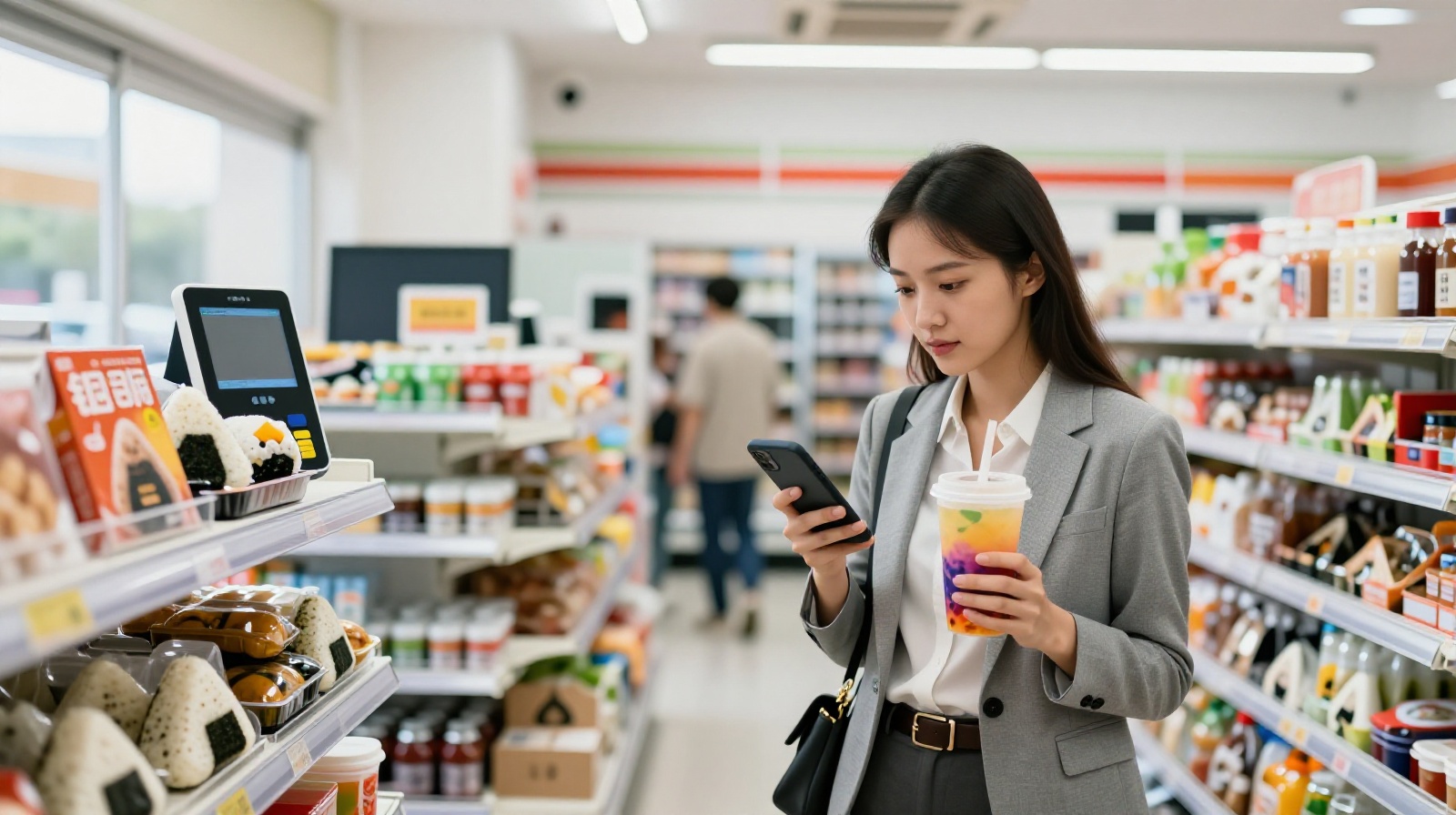
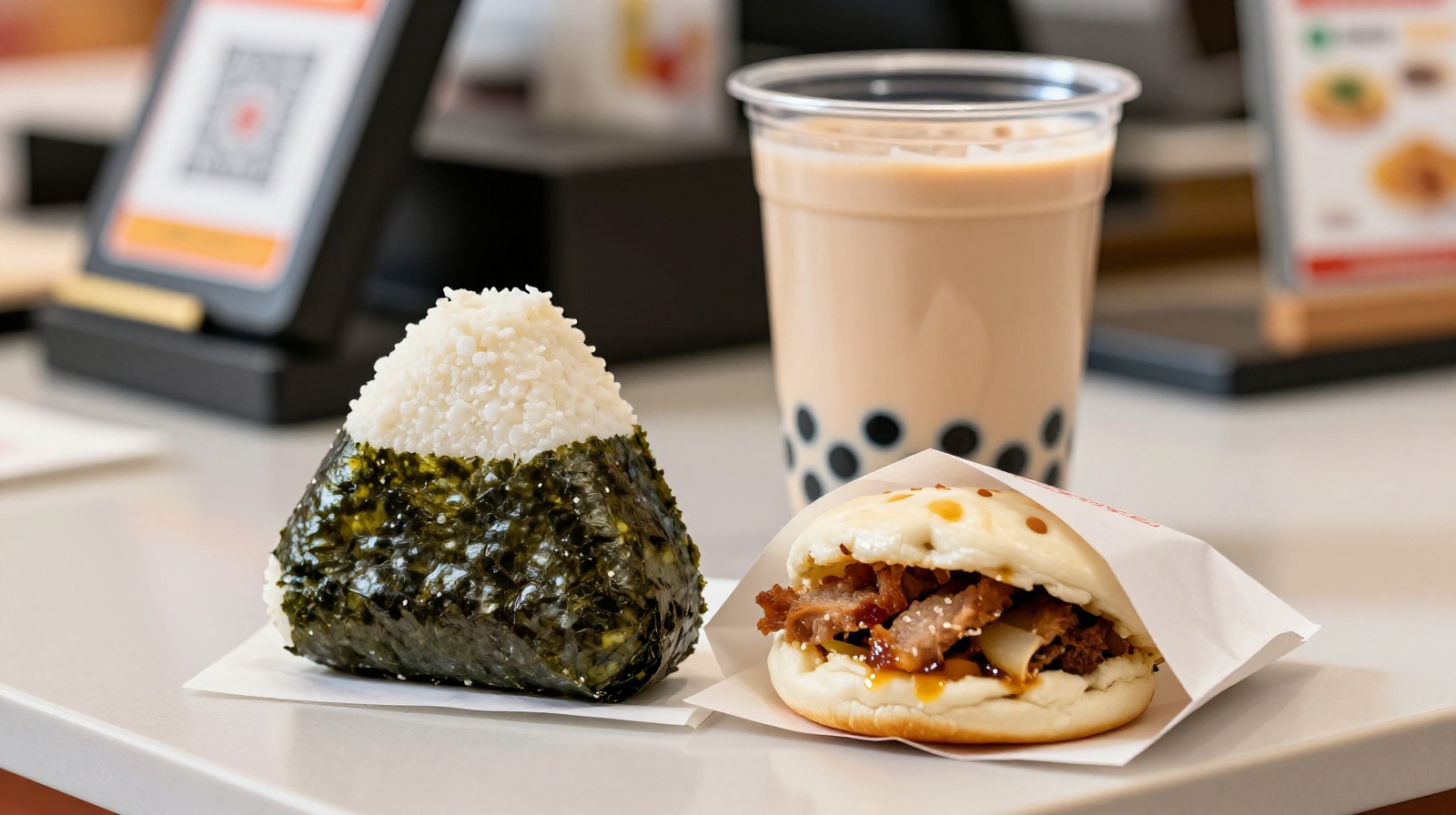
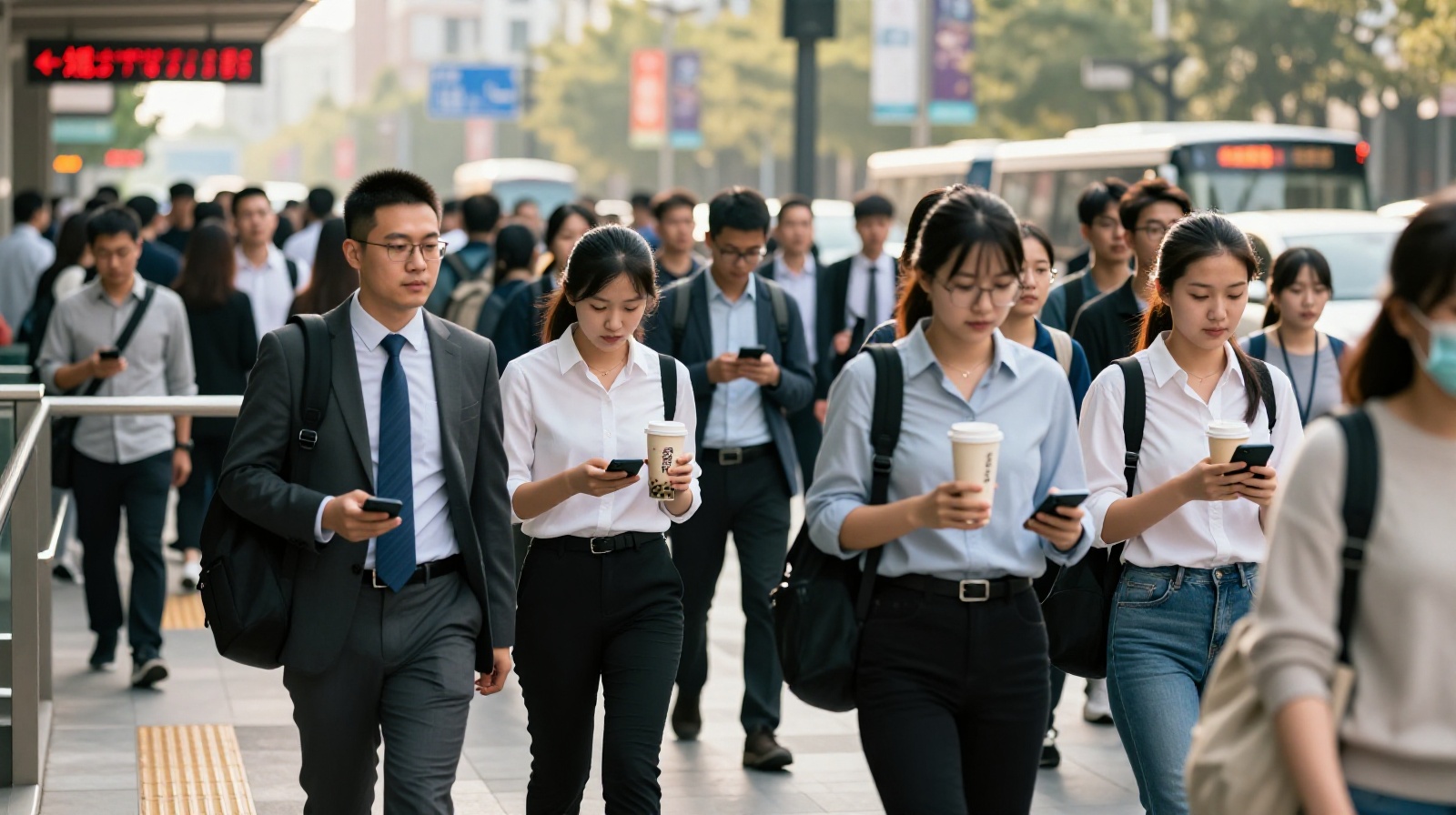
Imagine 7:30 AM in Beijing. The subway is already packed, and the air smells faintly of steam buns and roasted chestnuts. But look closer at the young professional rushing toward the turnstile. In one hand, a plastic cup of brown sugar bubble tea; in the other, a triangular onigiri wrapped in clean paper. This is not a tourist snapshot from 1990. This is the daily breakfast of millions of China’s urban youth.
For decades, a traditional Chinese breakfast meant home-cooked congee, *youtiao* (fried dough sticks), or steamed buns made by grandparents. But today’s Generation Z and young millennials face a different reality: “time poverty.” With 9-to-6 workdays common in tech hubs like Shanghai or Shenzhen, the luxury of sitting down for a hot meal has vanished.
The Convenience Store Revolution: More Than Just Snacks
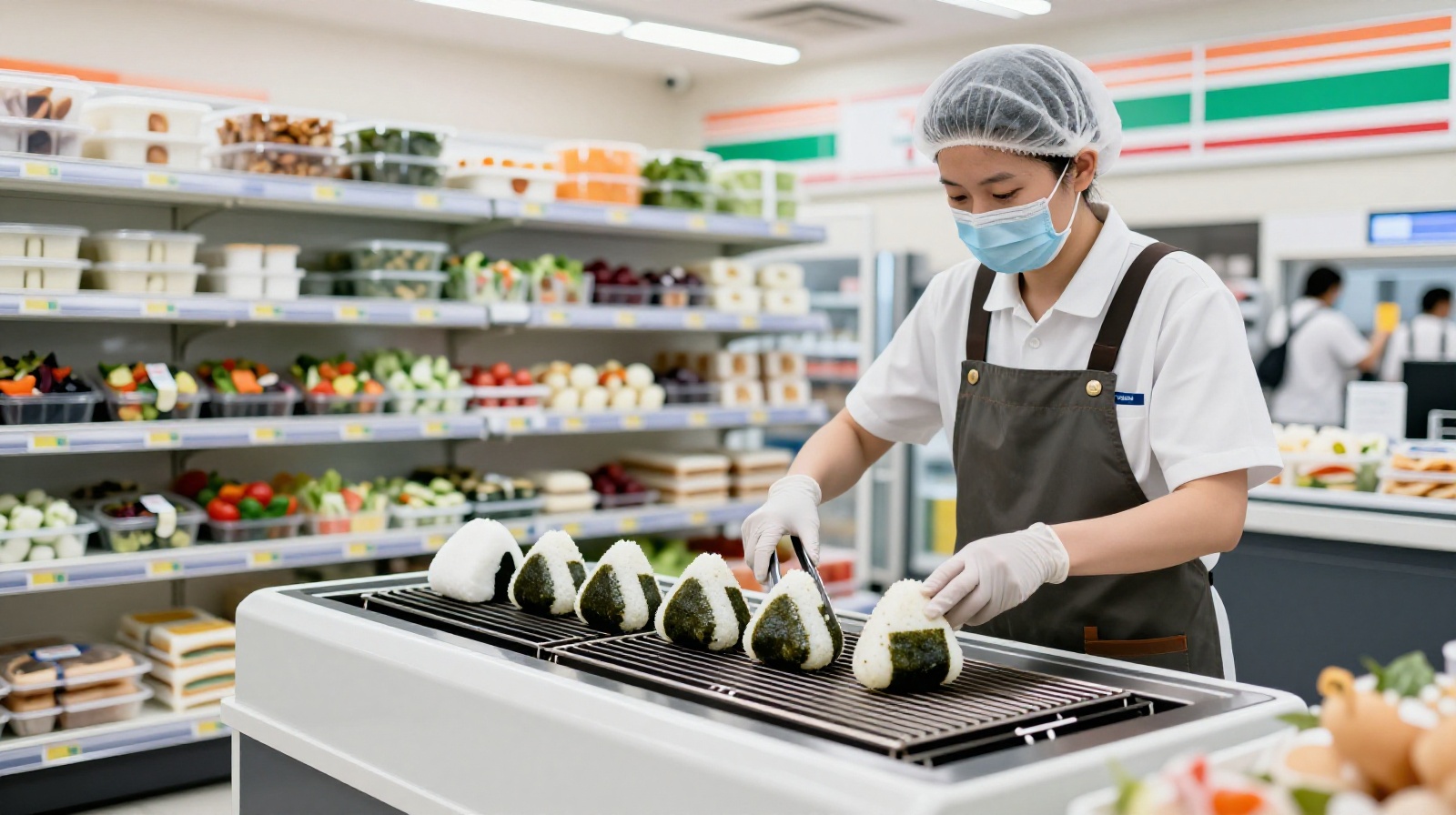
Enter the modern convenience store. In China, chains like FamilyMart, 7-Eleven, and Lawson have evolved far beyond their Western counterparts. They are no longer just places to buy bottled water or chips; they are “kitchens for rent” by the square meter.
Walk into any major chain in a tier-1 city at 8 AM, and you will see heated racks filled with fresh bento boxes, salads, and onigiri made that very morning. Food safety perceptions have shifted dramatically. Young consumers trust these standardized supply chains more than they might trust a random street stall, because the quality is consistent. A $2 burger from a global chain today often tastes as good as one from 1980s America—reliable, safe, and efficient.
The “Store-as-Kitchen” Model
This trend is driven by a simple calculation: time vs. money. For a young office worker, spending 30 minutes cooking or waiting for delivery is too costly. The convenience store offers a solution that fits in one hand and can be eaten while walking. It represents a shift from “survival eating” to “lifestyle consumption.” Even if the food isn’t gourmet, it provides a sense of order and control in a chaotic morning routine.
The Bubble Tea Phenomenon: Social Currency
If onigiri is the fuel, bubble tea is the spirit. Why drink milk tea for breakfast? It’s not just about sugar; it’s about caffeine, texture, and social signaling.
Brands like Heytea (Xi Dian Cha) and Nayuki have turned bubble tea into a premium product. With prices ranging from $3 to $5 per cup, it is an affordable luxury in a high-pressure society. This fits perfectly into the concept of “Xiaoqueyue” (小确幸), or “small but certain happiness.” When you can’t afford a vacation or a new apartment, spending $4 on a beautifully packaged drink with fresh fruit and cream cheese feels like a justified reward.
More Than Just a Drink
For many young Chinese, holding a branded bubble tea cup is a form of social currency. It signals that you are part of the modern urban tribe. The drink itself has evolved from sugary syrup to complex creations involving fresh cheese foam, olive seeds (boba), and seasonal fruits like mango or strawberry. It’s a daily indulgence that bridges the gap between work stress and personal enjoyment.
Behind the Scenes: Technology and Supply Chain
This breakfast revolution wouldn’t be possible without China’s digital infrastructure. The entire process—from ordering your morning coffee on WeChat, to scanning a QR code at the convenience store checkout, to tracking your delivery via Meituan or Ele.me apps—is seamless.
Behind the scenes, a sophisticated cold-chain logistics network ensures that fresh milk for your tea arrives within hours of production. Supermarkets and convenience stores use real-time data analytics to predict demand, reducing waste while keeping shelves stocked with the freshest items. This technological backbone allows ordinary people to access what used to be considered “premium” service at mass-market prices.
What This Says About Modern China
The shift from home-cooked meals to convenience store food and bubble tea is often misinterpreted by outsiders as a decline in traditional culture or a lack of healthy eating habits. While health concerns are valid, this trend reveals something deeper: the resilience and adaptability of Chinese youth.
They are balancing extreme efficiency with a desire for personal comfort. They are digitizing every aspect of their lives to free up time for what matters—often, just enjoying a few minutes of peace with a good drink. This isn’t just about breakfast; it’s a snapshot of modern urban life in China: fast-paced, highly connected, and relentlessly seeking moments of joy in the daily grind.