

The Two China Fitness Cultures
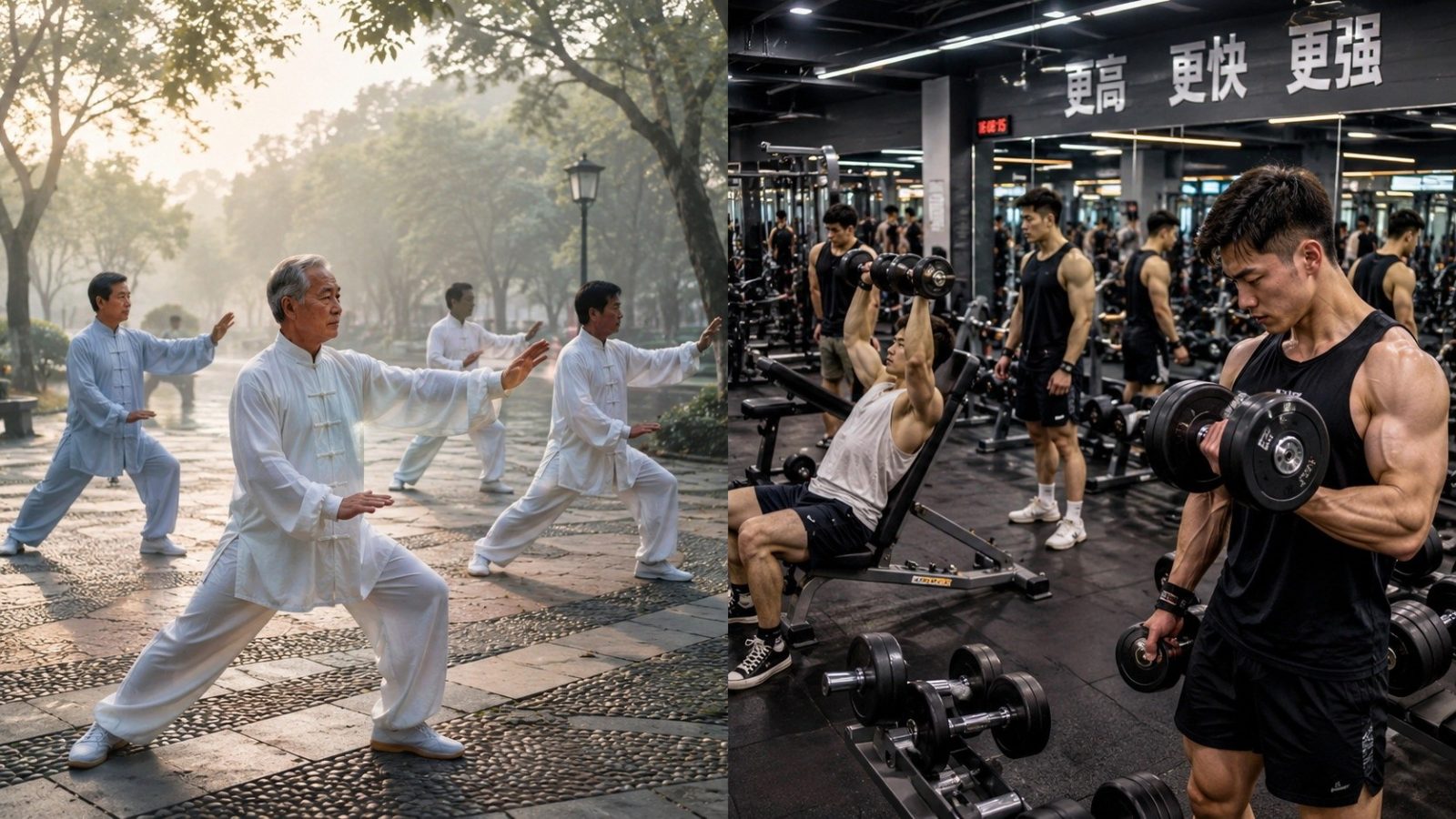
Walk through a public park in Beijing at 7:00 AM, and you will likely encounter the quintessential image of Chinese male fitness: older men in loose white uniforms, moving slowly through the forms of Tai Chi. Their movements are fluid, meditative, and deeply rooted in traditional concepts of qi (life energy) and balance.
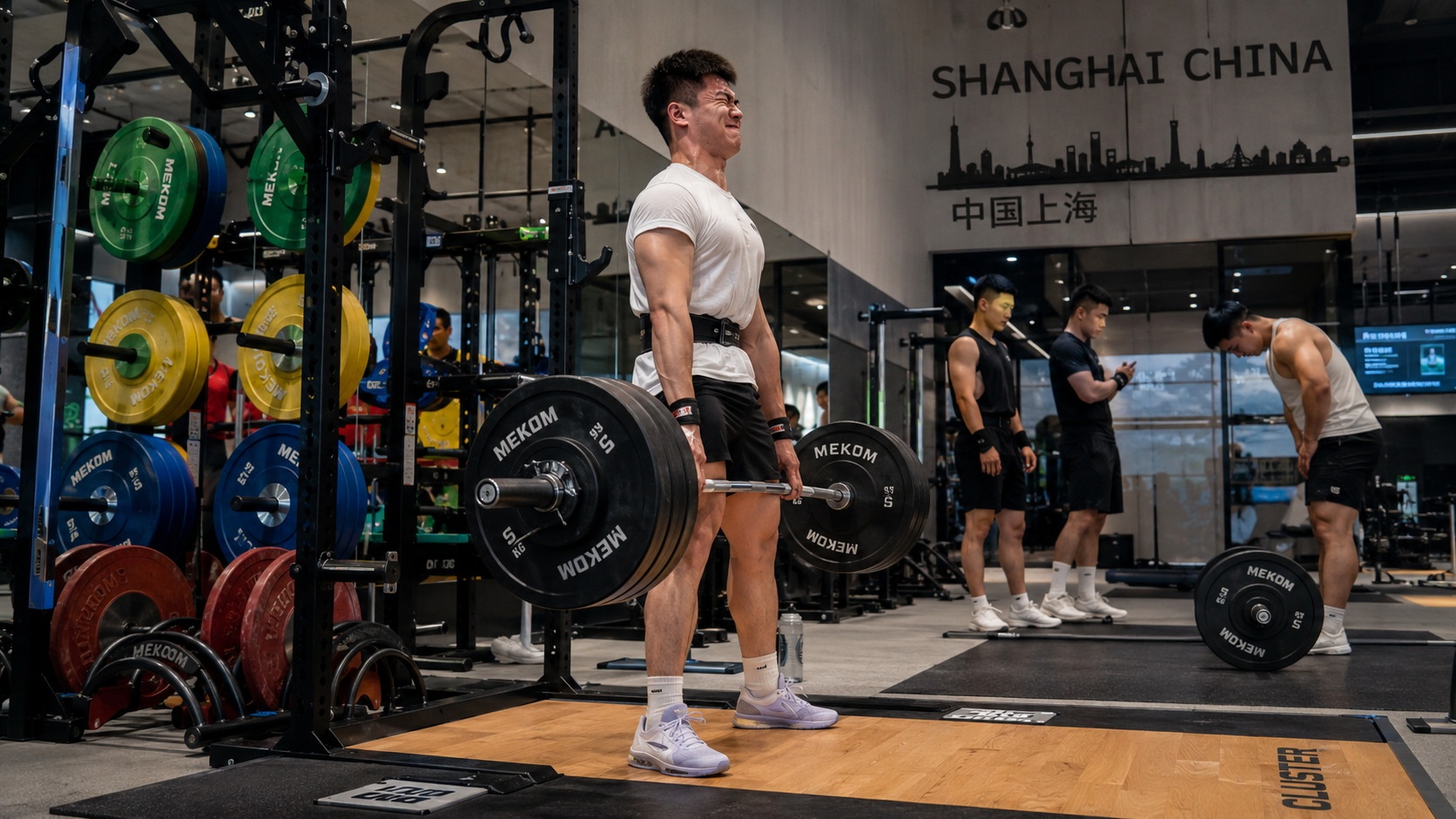
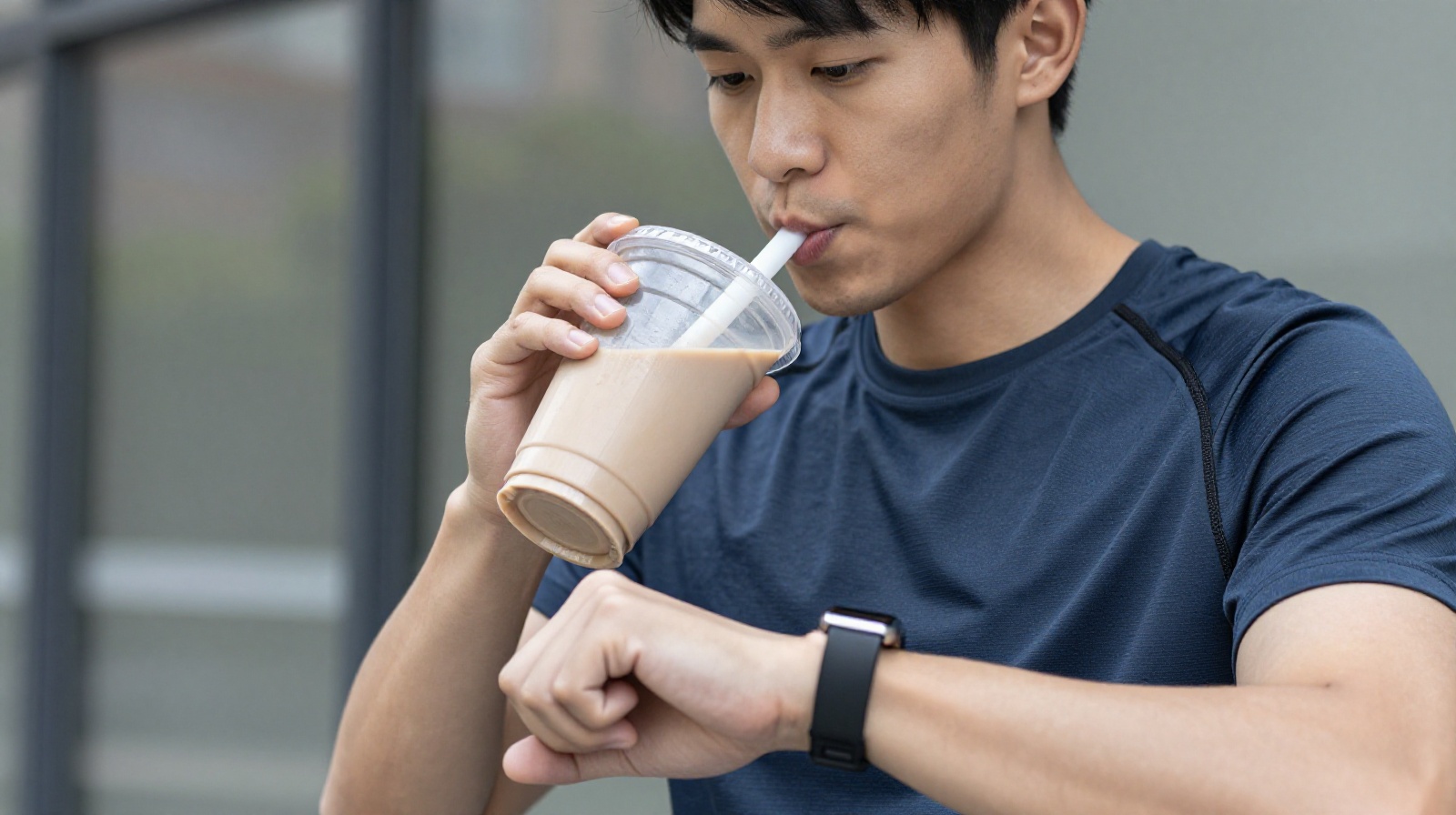
Now, cross the street to a commercial gym complex in the same district. The scene is radically different. The air hums with the clanking of iron plates and heavy bass music. Here, young men in tight compression shirts are obsessively tracking their macronutrients, chugging protein shakes, and pushing themselves to exhaustion on deadlift racks. This is the world of the “Gym Bro.”
This contrast is not just about age; it reflects a profound shift in how Chinese men view their bodies, health, and social identity. The slow, communal harmony of the park has been replaced by the individualistic, data-driven discipline of the gym.
The Rise of the “Gym Bro” Subculture
The term “Gym Bro” (健身兄弟) has become a distinct social identifier for young Chinese men, particularly in tier-one cities like Shanghai, Shenzhen, and Chengdu. It is not merely about exercise; it is a lifestyle brand.
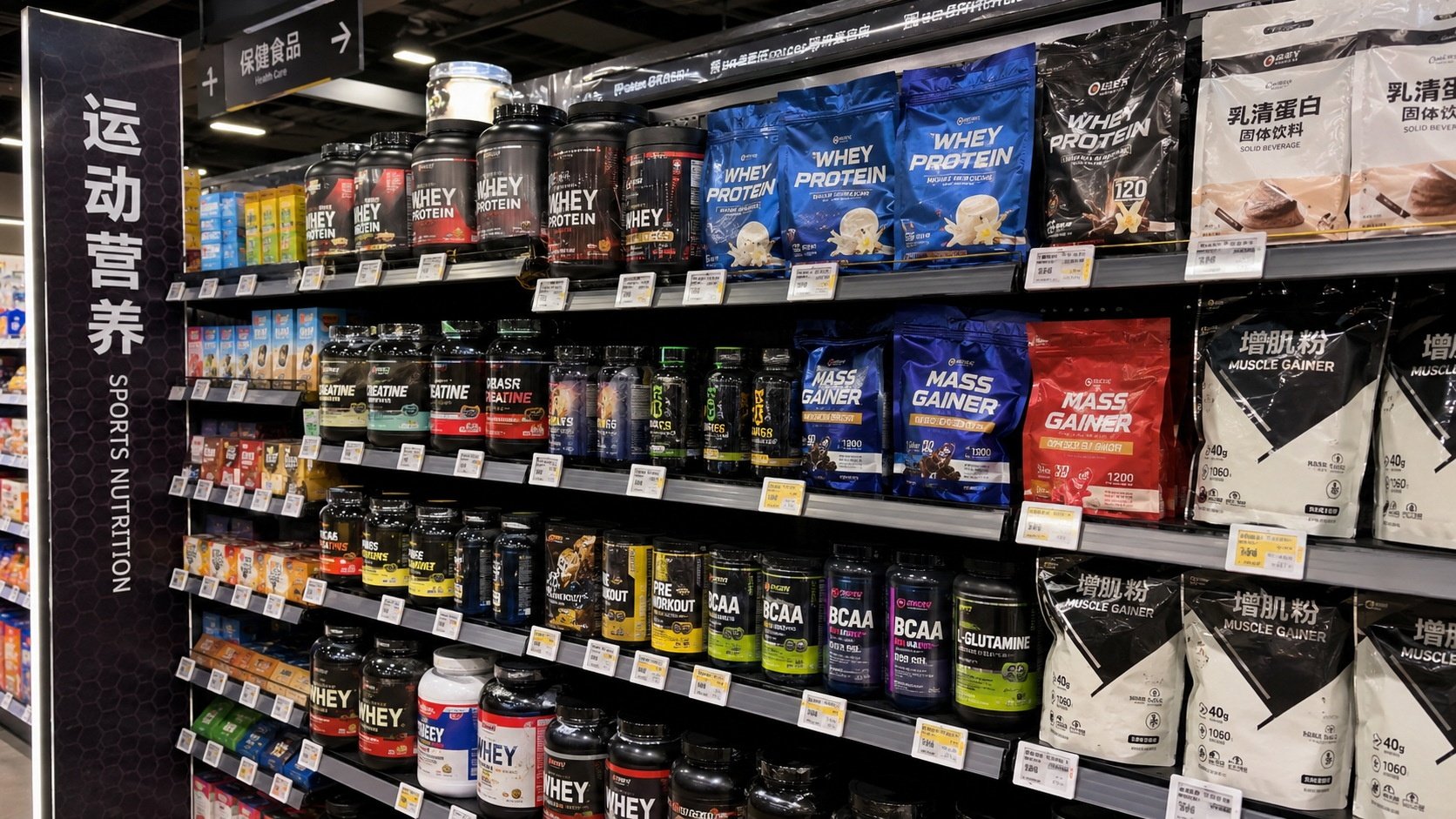
For this demographic, fitness is a form of self-management. It involves precise calculation of calories, strict adherence to protein intake, and the use of supplements like whey protein and creatine. These items are no longer niche products but staple goods in urban supermarkets. The rise of e-commerce platforms has made global fitness brands accessible to millions, creating a shared vocabulary of supplements and training protocols.
Social media amplifies this culture. Platforms like Xiaohongshu (Little Red Book) and Douyin (TikTok) are filled with “before and after” transformation photos and workout vlogs. Posting a gym selfie is no longer just vanity; it is a signal of discipline, economic stability, and modernity. In a society where visual presentation is increasingly important, a well-defined physique serves as visible proof of one’s ability to control their life.
Body as Social Currency
Why has this shift occurred so rapidly? The answer lies in the competitive nature of modern Chinese urban life. As the job market becomes more intense, and dating scenes more visual-driven through apps, physical appearance has become a form of “social currency.”
Historically, Chinese masculinity was often associated with intellectual prowess or familial responsibility. Today, there is a growing pressure to also present a physically imposing figure. A fit body signals that a man is healthy, disciplined, and successful enough to afford the time and money for self-improvement. It is a non-verbal resume.
This is not to say that traditional values have disappeared. Rather, they have coexisted with this new ideal. You might see a father who practices Tai Chi in the morning and his son who lifts weights in the evening. However, for the under-40 demographic, the gym has become the primary site of male bonding. It replaces the old model of drinking tea or playing mahjong as the default social activity for men.
Commercialization and New Masculinity
The explosion of commercial gyms, with chains like Will’s Fitness and LeFit expanding across the country, has institutionalized this trend. These facilities are not just places to sweat; they are social clubs. They offer group classes, nutrition counseling, and networking opportunities.
This commercialization has reshaped Chinese masculinity. It is no longer about stoic endurance or collective harmony. Instead, it emphasizes individual achievement, aesthetic pursuit, and personal optimization. The “Gym Bro” is confident, assertive, and focused on self-actualization. This shift mirrors broader global trends but is accelerated by China’s rapid urbanization and the specific pressures of its youth culture.
From Health Preservation to Body Sculpting
Perhaps the most significant change is the conceptual shift from “Yang Sheng” (health preservation) to “Su Xing” (body sculpting). Traditional Chinese health practices focus on internal balance, longevity, and preventing illness. The modern gym culture focuses on external aesthetics, muscle hypertrophy, and performance metrics.
This does not mean young Chinese men are ignoring their health. On the contrary, they are more health-conscious than any previous generation, but their definition of health is different. It is proactive rather than reactive. They are building their bodies not just to avoid sickness, but to enhance their capacity for work, social interaction, and personal satisfaction.
A Nuanced Reality
It is important to avoid stereotyping. Not every young Chinese man is a “Gym Bro,” and the traditional park fitness culture remains vibrant and meaningful for millions. The rise of gym culture is a trend among urban, educated youth, reflecting their specific anxieties and aspirations.
However, this shift offers a clear window into contemporary China. It shows a society that is increasingly individualistic, data-driven, and focused on self-optimization. The protein powder and the dumbbell have become symbols of a new generation’s desire to take control of their own narrative in a fast-changing world.
As China continues to evolve, the image of the Chinese man will likely become even more diverse. But for now, if you want to understand the pulse of young male ambition in urban China, you don’t need to look at a park. You need to look at the squat rack.