
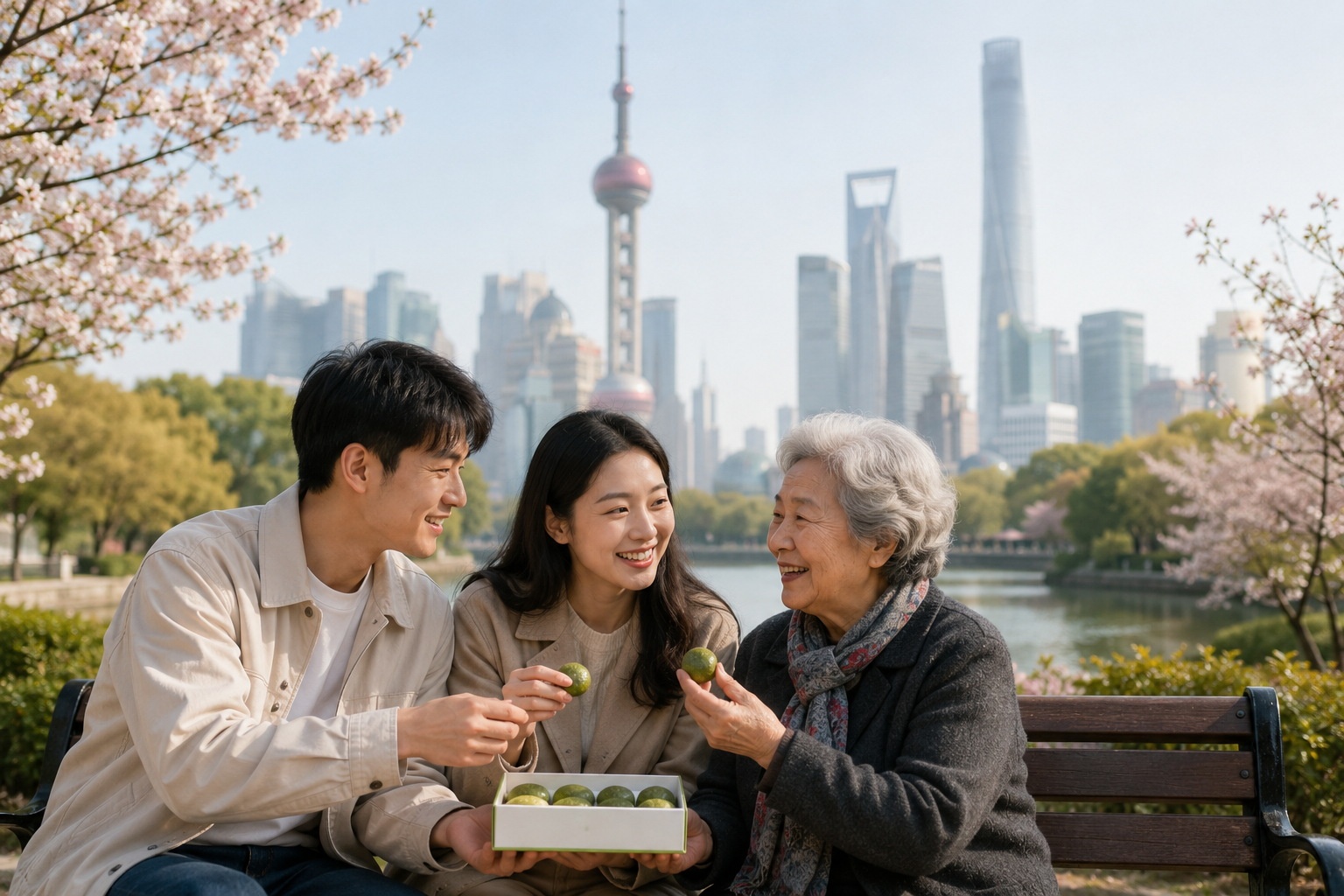

A Day of Stillness in a Fast-Paced City
At 9:00 AM on the day before Qingming, Beijing’s Chaoyang District usually hums with the aggressive rhythm of traffic and delivery scooters. But today, the pace feels different. In a small community park near the 4th Ring Road, the air smells faintly of burning incense mixed with damp earth. It is not just any morning; it is the eve of the Han Shi Festival, or Cold Food Festival.
For many young professionals in this megacity, this day offers a rare pause. While the stock markets open and offices buzz, there is a subtle cultural shift. The ancient tradition, originally commemorating the loyal minister Jie Zitui by forbidding fire for three days, has evolved. It no longer means sleeping without heat or cooking nothing. Instead, it has become a symbolic gesture—a socially accepted excuse to slow down, eat simple food, and remember those who came before.
The Myth vs. The Modern Reality
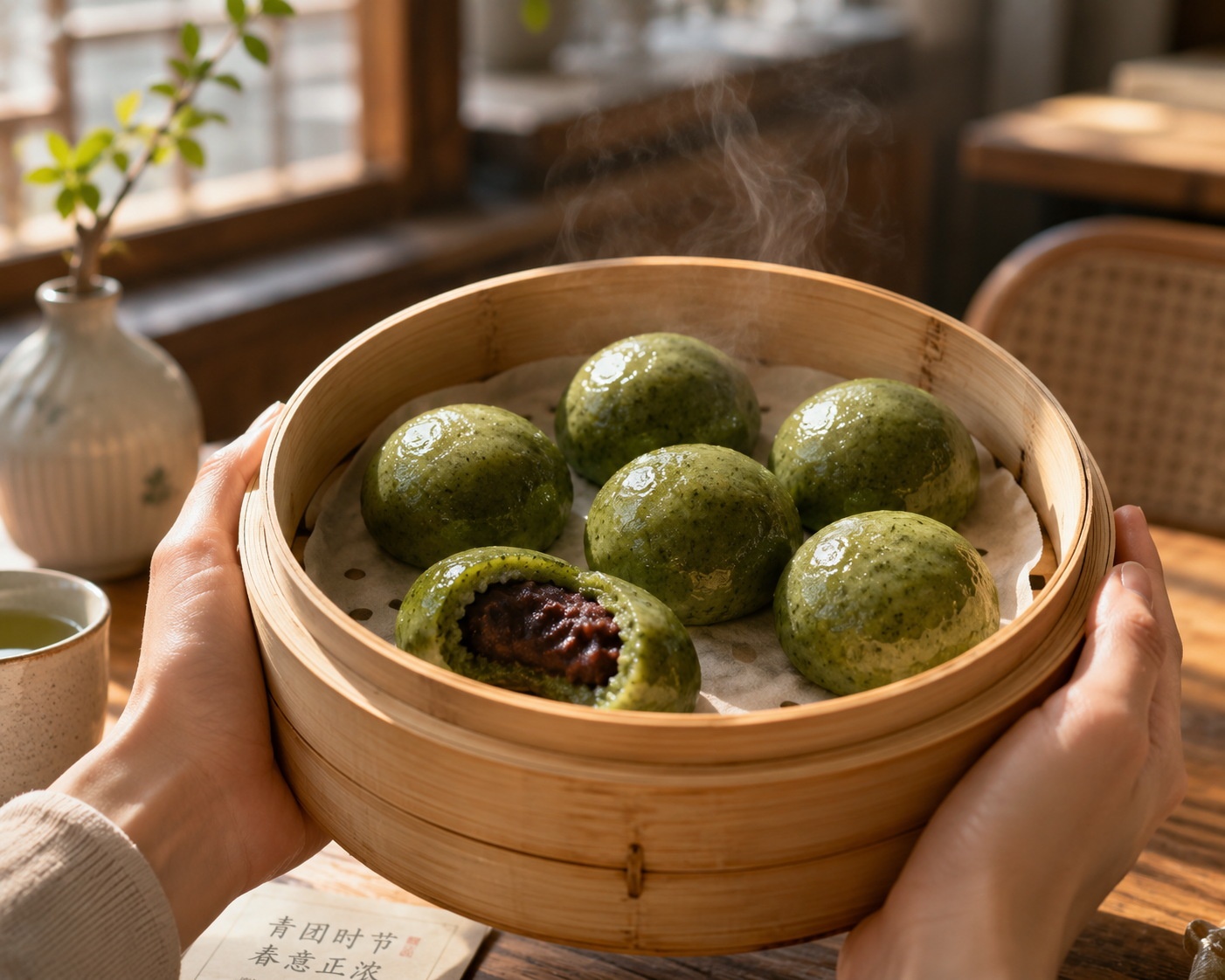
If you ask a historian, they might tell you that the original Han Shi custom was brutal: no fire for three days, eating only pre-cooked cold grains. In the harsh winters of ancient China, this was a survival test. Today, with central heating and instant hot water, such a rule would be impractical, even uncomfortable.
So, how do modern Chinese observe it? The answer lies in adaptation. The “cold food” aspect is no longer about deprivation; it is about intentionality. Families choose to eat dishes that are traditionally served cold or at room temperature. It is a bridge between the past and present, respecting the ritual without sacrificing comfort. You won’t see people shivering in unheated apartments eating raw noodles. Instead, you will see a deliberate choice to embrace a slower, more mindful rhythm for just one day.
Reinventing Tradition: What Are People Actually Eating?
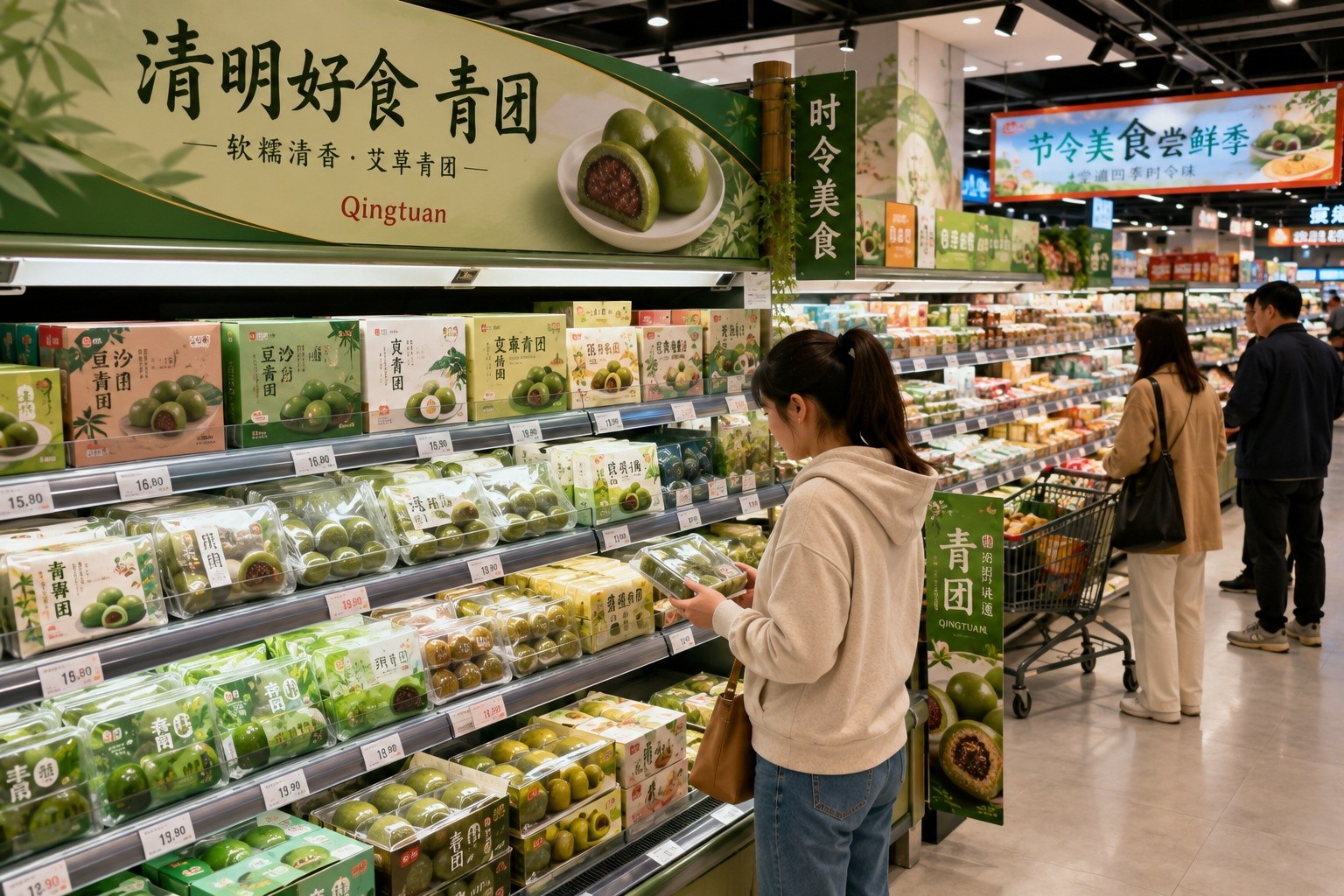
The star of this festival is Qingtuan (green glutinous rice balls). These small, vibrant green dumplings, made from mugwort juice and filled with red bean paste or lotus seed paste, have become a cultural icon. But in modern urban China, they are more than just traditional snacks; they are lifestyle statements.
Walk into any premium supermarket or boutique cafe in Shanghai or Shenzhen, and you will find Qingtuan everywhere. The varieties have exploded. Beyond the classic sweet fillings, you can now find savory options like salted egg yolk with pork floss, or even western-inspired flavors like matcha and cheese. Young influencers on social media platforms like Xiaohongshu (Little Red Book) post photos of these aesthetically pleasing treats, turning a centuries-old custom into a trendy, Instagram-worthy moment.
Other common cold foods include cold noodles (Lengmian) and seasonal salads. In office cafeterias, the lunch menu often features these lighter options, appealing to those looking to avoid the heaviness of hot, oily cooking during the humid spring season. It is a culinary way of “clearing the palate” for the year ahead.
Ancestral Worship in the Digital Age
Han Shi Festival is closely linked to Qingming, the Tomb-Sweeping Day. Traditionally, this meant climbing mountains, burning paper money, and setting off firecrackers. Today, that looks quite different.
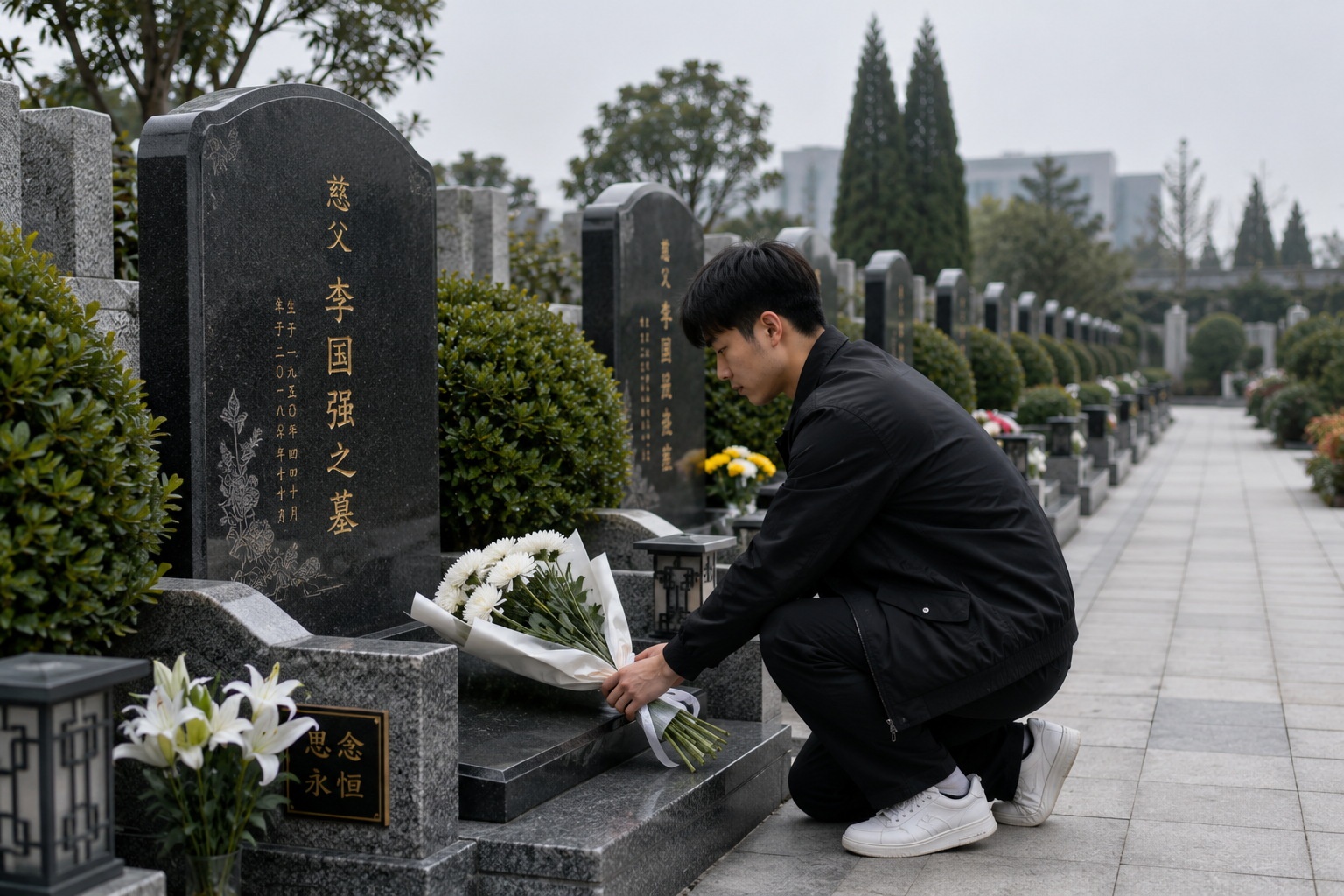
In cities, environmental regulations have banned open fires in most public cemeteries. Instead, families bring fresh flowers—chrysanthemums and lilies—leaving them quietly on the graves. There is no smoke, no noise, just a quiet moment of remembrance.
Even more striking is the rise of “cloud memorials.” Apps and websites now offer virtual tomb-sweeping services. Users can light virtual candles, burn digital joss paper, and leave text messages for their ancestors. It sounds cold, perhaps? But for millions of young people working far from their hometowns, it is a lifeline. It allows them to participate in the ritual of filial piety without traveling thousands of miles. Technology, here, does not erase tradition; it facilitates it.
Slowing Down: A Mental Health Break
Beyond the food and the rituals, Han Shi Festival serves a crucial psychological function for modern urbanites. In a society known for its “996” work culture (9 am to 9 pm, 6 days a week), taking a day off can feel difficult. Yet, this festival provides a cultural mandate to rest.
“I usually don’t take time off,” says Li Wei, a 28-year-old software engineer in Hangzhou. “But on Han Shi Day, I felt like it was okay to just sit in the park with my family. We didn’t talk about work. We just ate Qingtuan and watched the birds. It felt… necessary.”
This sentiment is shared by many. The festival acts as a mental health buffer. It is a day to disconnect from screens, stop checking emails, and reconnect with nature and family. In a fast-moving country, this intentional stillness is a form of resistance against burnout.
A Bridge Between Past and Present
The Cold Food Festival in modern China is not a museum piece. It is a living, breathing practice that adapts to contemporary life. It shows how Chinese society balances rapid economic growth with deep-rooted cultural values. The fire may be lit again the next day, but for this one day, the city breathes slower.
For global readers, this offers a relatable insight: regardless of culture, humans have a universal need to pause, remember, and reflect. Whether through cold noodles in Beijing or quiet moments in a cemetery, the act of slowing down is a shared human experience. Han Shi Festival reminds us that even in the most futuristic cities, the heart still beats to the rhythm of ancestry and nature.