

The Rhythm of Water and Will
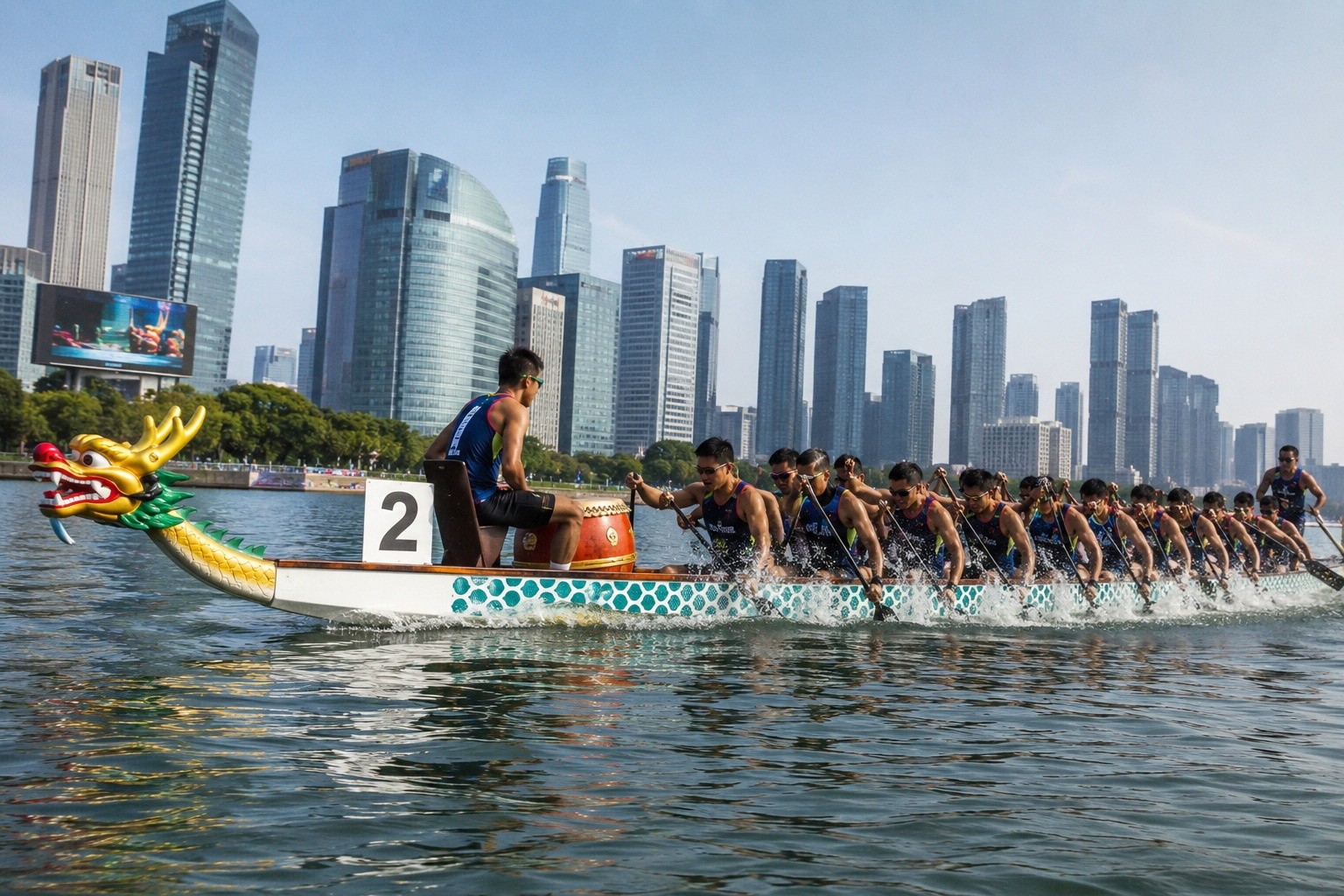
At 6:30 AM, the air above the Shenzhen Bay is still cool and damp. But on the water, the temperature seems to spike. Dozens of paddles slice into the surface in perfect unison, creating a rhythmic splashing sound that echoes off the skyscrapers in the background.
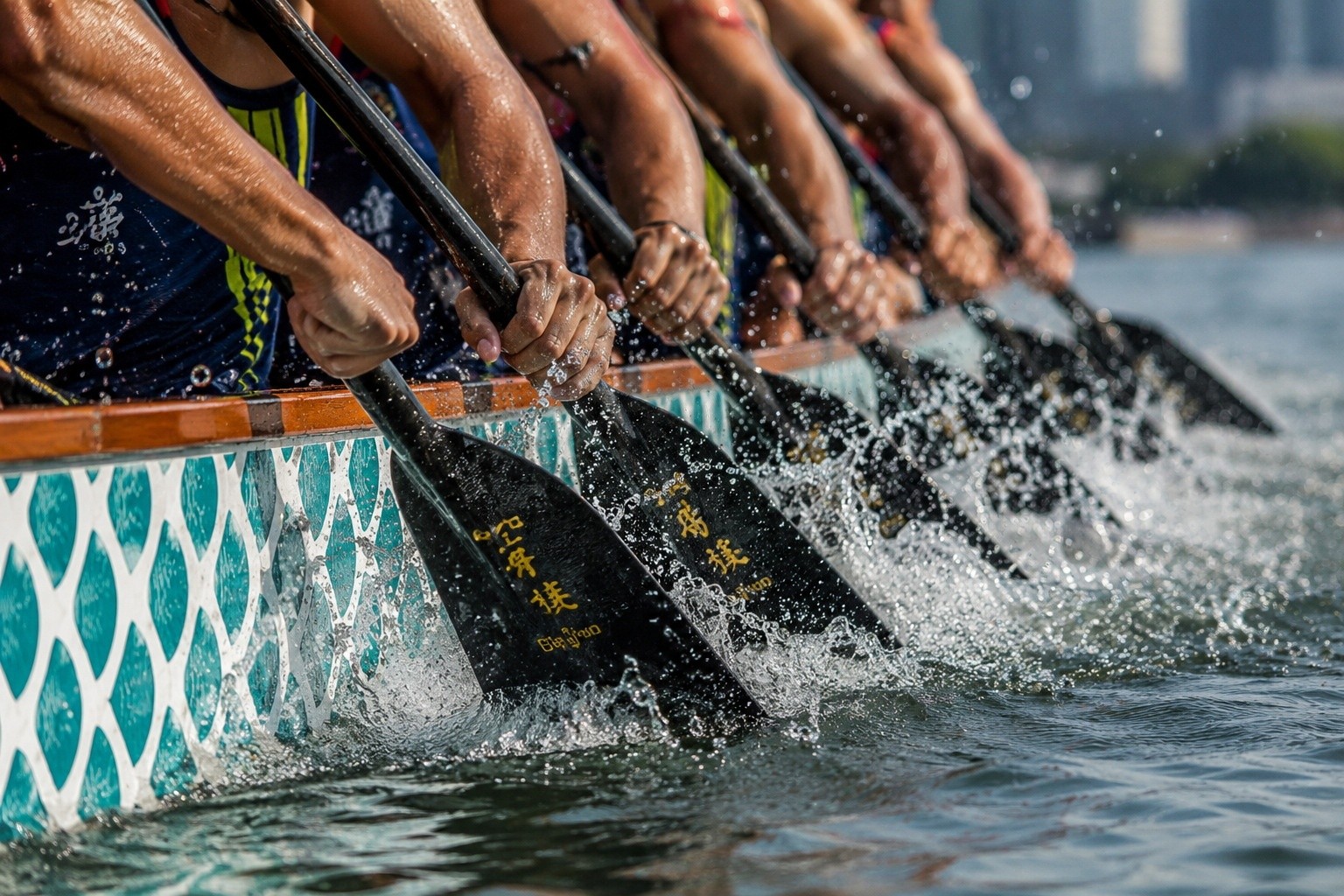
On board, twenty men and women lean forward, muscles tense, eyes fixed on the drummer at the bow. There is no talking, only the sharp beat of the drum and the heavy breathing of athletes who are pushing their bodies to the limit. This is not a scene from a historical drama about Qu Yuan, the poet who supposedly jumped into the Miluo River 2,300 years ago. This is a modern Dragon Boat Festival in China—a high-intensity sporting event that blends ancient heritage with contemporary urban energy.
From Riverbank Rituals to Global Stadiums
Historically, dragon boat racing was a localized ritual. In villages across southern China, particularly along the Pearl River Delta, communities gathered to worship river gods and pray for good harvests. The long, narrow boats were carved with dragon heads, symbolizing power and protection against floods.
However, the way we see the sport today is a result of 20th-century standardization. In the late 1970s and 80s, as China opened up, these local folk activities began to compete for recognition. Rules were codified: boat lengths were standardized, crew sizes were fixed, and race distances were set. What was once a matter of local pride became a measurable athletic discipline.
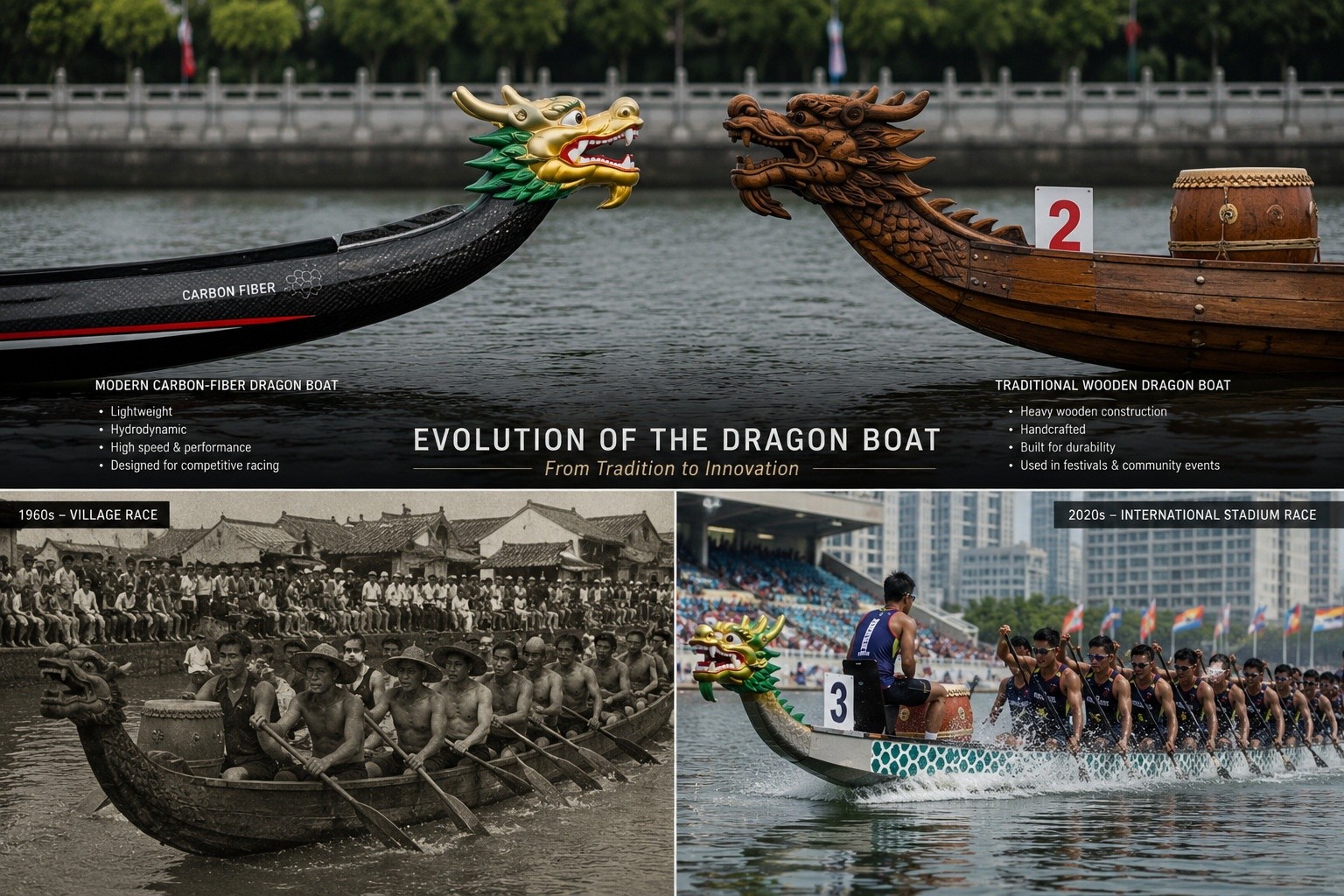
Today, the International Dragon Boat Federation (IDBF) governs the sport globally. The evolution is stark: from wooden boats painted with village-specific motifs to carbon-fiber hulls designed for speed, the sport has shed its purely ceremonial skin to embrace the rigor of international competition.
The ‘New Chinese’ Participant
Meet Lin Wei, a 28-year-old software engineer in Guangzhou. Like many young professionals in China, his days are filled with screen time and sedentary office work. For him, joining a local dragon boat team is not primarily about religious devotion.
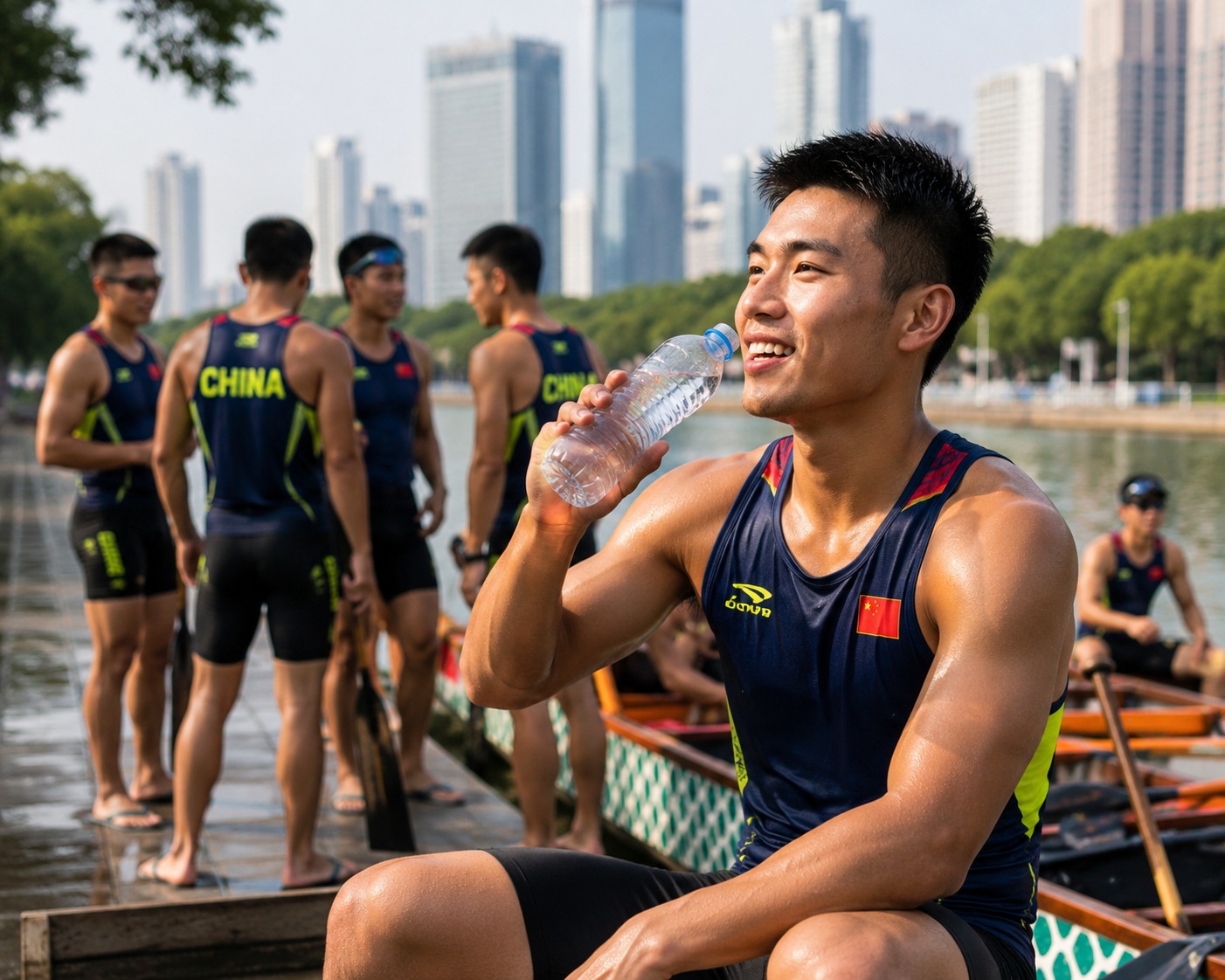
“In the city, it’s hard to find real teamwork,” Lin explains during a break after practice. “In our tech company, we work in silos. But on the boat, if one person is out of sync, the whole team slows down. It’s immediate feedback. Plus, it’s a great way to get fit without going to a boring gym.”
Lin represents a shifting demographic. Dragon boat racing in modern China is no longer just for older generations or rural residents. It has become a popular social activity for urban youth, offering physical health, stress relief, and, crucially, face-to-face social connection in an increasingly digital world.
A Global Language of Teamwork
This shift from local ritual to global sport has allowed dragon boat racing to cross borders. It is no longer exclusively a Chinese festival; it is a community-building tool used worldwide.
In London, New York, and Sydney, local clubs form around the sport, attracting participants from diverse cultural backgrounds. The core spirit—coordination, endurance, and collective joy—transcends language barriers.
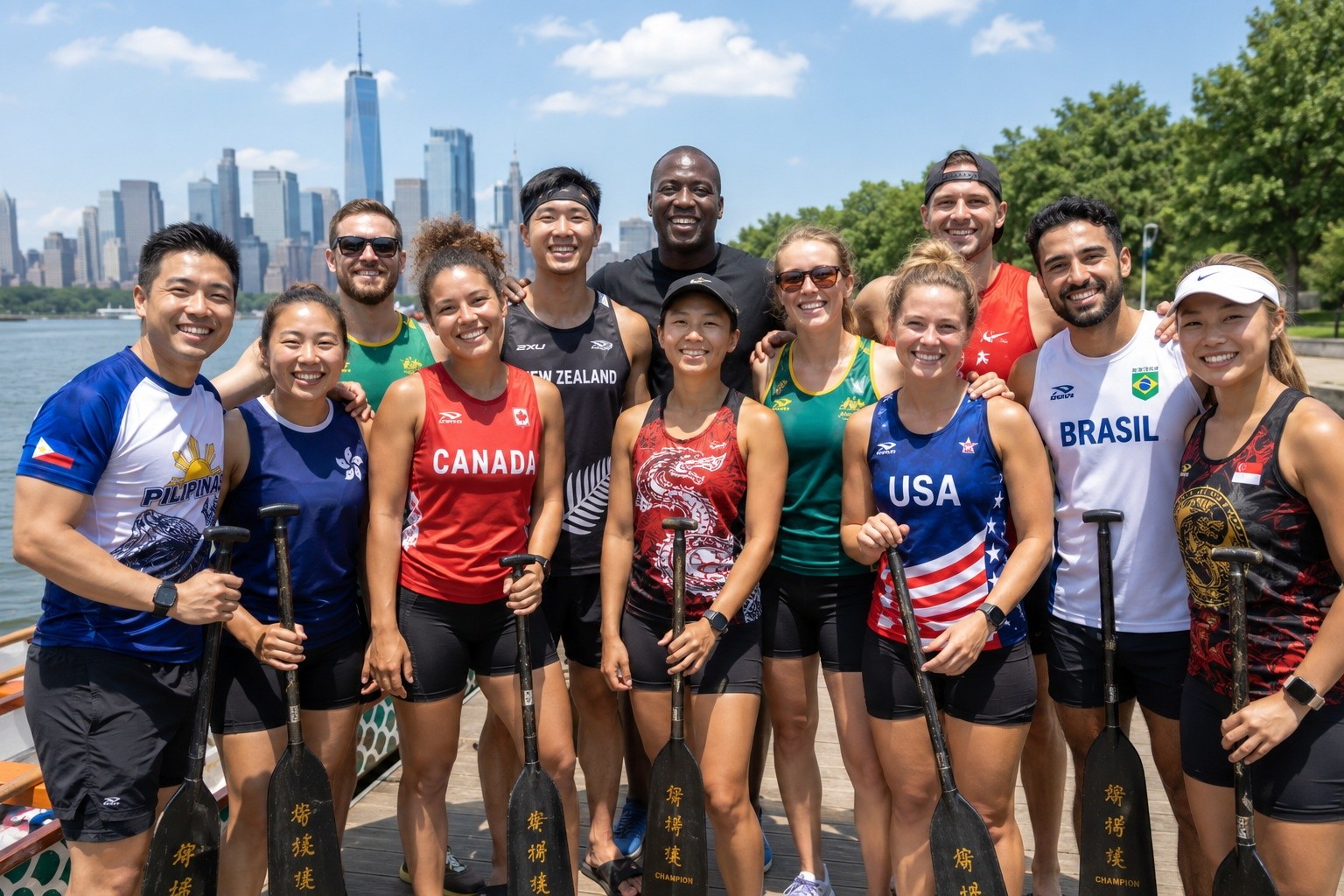
For international observers, this globalization offers a new lens on Chinese culture. It is not just about eating zongzi (sticky rice dumplings) or remembering ancient history. It is about witnessing how China integrates its past into its present-day social fabric.
Why It Matters Today
In an era of digital isolation and fragmented attention, dragon boat racing offers something tangible: a shared physical goal achieved through trust and synchronization. The roar of the crowd and the splash of water are visceral reminders of human connection.
For the world watching, the modern dragon boat race is a window into contemporary China. It shows a society that honors its traditions not by freezing them in time, but by adapting them to meet the needs of modern life—fitness, community, and global engagement. The dragon still sails, but it now carries the weight of a new era.