
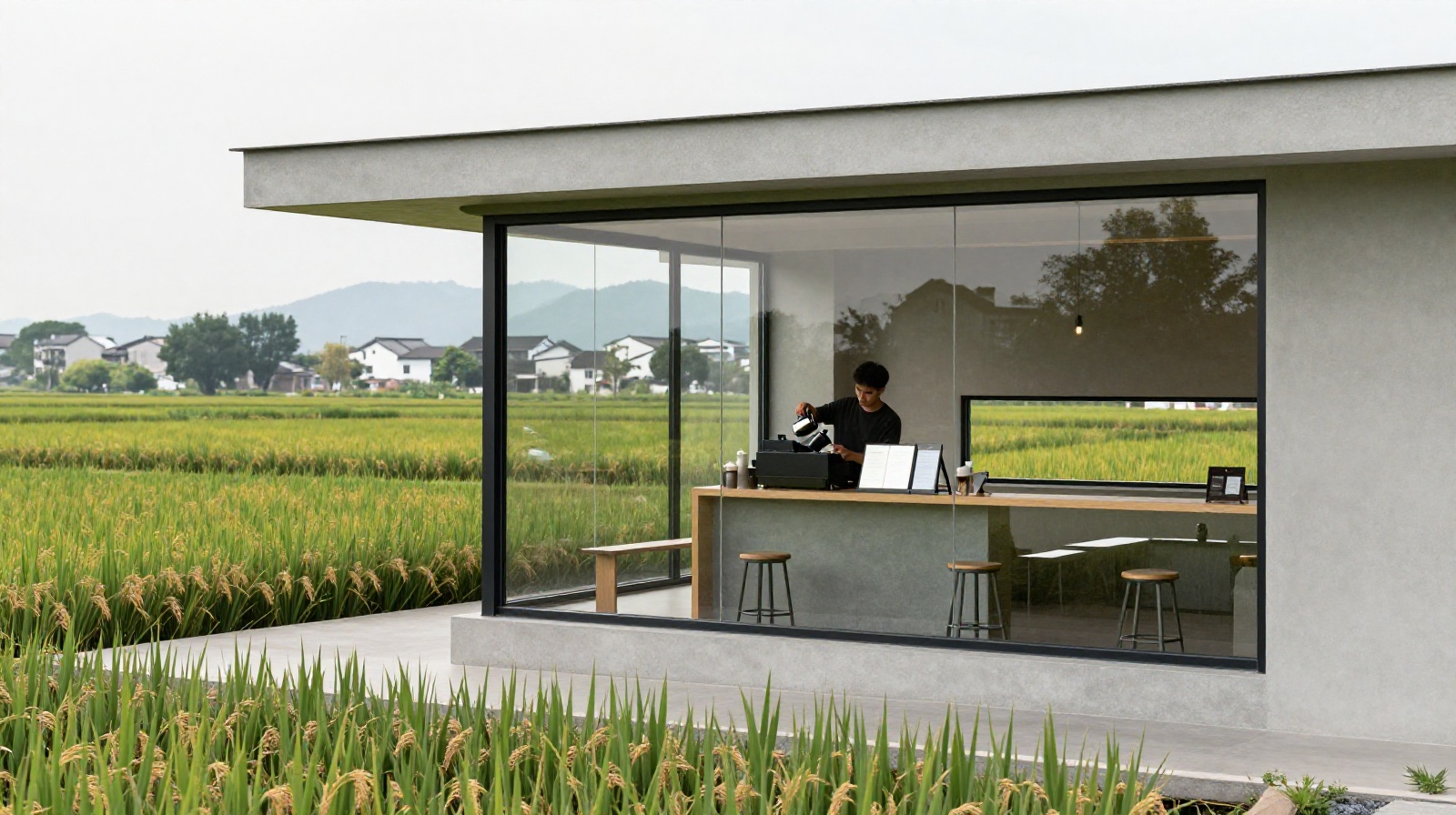

The Unexpected Espresso in the Paddy Field
If you walked past a small, white-walled building surrounded by green rice paddies in Zhejiang province last summer, you might have thought it was a boutique hotel or an art gallery. But when you pushed open the glass door, the smell of roasted beans greeted you instead of oil or earth. This is “Wild Coffee,” a cafe run by Li Wei, a 28-year-old former software engineer from Hangzhou.
Li didn’t come here to escape reality; he came to build it. In 2022, he quit his high-pressure job in the tech hub of Shenzhen. He bought an abandoned farmhouse, renovated it with local materials, and planted a small patch of coffee beans—though the primary draw for visitors is the locally sourced tea and pastries paired with high-end pour-over coffee.
Why Leave the City?
The trend isn’t just about nostalgia. It’s a calculated career shift driven by economic pressure and a search for meaning. In China’s tier-1 cities, the “996” work culture (9 am to 9 pm, six days a week) has led to widespread burnout among Gen Z workers. Meanwhile, rural revitalization policies have improved infrastructure—high-speed rail, 5G coverage, and logistics networks—making remote work and e-commerce viable for the first time.

“I was tired of being a cog in a machine,” Li says. “Here, I see the results of my labor. The coffee grows, the cafe opens, and people come. It’s tangible.”
The New Farmer: Tech-Savvy and Entrepreneurial
These returnees are not traditional farmers. They are what Chinese media calls “New Farmers” (Xinnongren). They bring digital literacy to agriculture. Take Chen Xi, a 26-year-old marketing specialist from Shanghai. She returned to her hometown in Guizhou to farm organic strawberries.
Chen doesn’t just pick fruit; she manages it through data. She uses IoT sensors to monitor soil moisture and temperature, adjusting irrigation automatically via an app on her phone. More importantly, she sells directly to consumers through live-streaming platforms like Douyin (TikTok) and Taobao. Her livestreams, broadcast from the strawberry field itself, have generated over 2 million yuan (approx. $280,000 USD) in sales last year alone.
Breaking Gender Norms in Agriculture
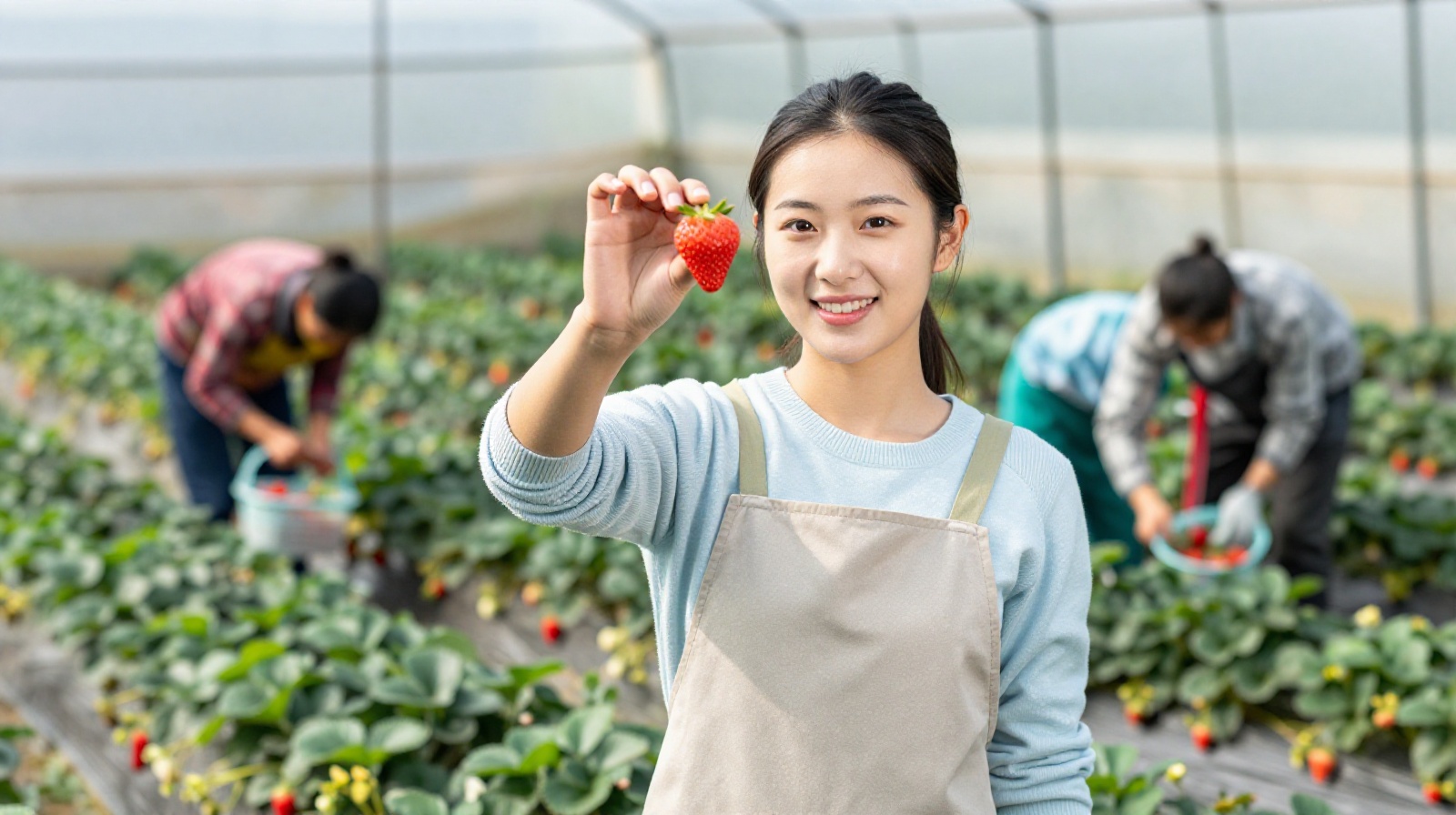
A significant part of this movement is reshaping gender roles in rural China. Historically, farming was seen as male-dominated and physically grueling. However, the rise of e-commerce has lowered the barrier to entry for women, who are often seen as more detail-oriented and skilled in community building.
Consider Zhang Min, who runs a rural handicraft cooperative in Yunnan. She uses social media to connect local elderly artisans with urban buyers. “The city people trust me because I’m transparent,” Zhang explains. “I show them exactly how the embroidery is made. This trust allows us to charge premium prices.” Her success challenges the stereotype that young women must migrate to cities to find modern, independent careers.
From Isolation to Community Hubs
The physical spaces these young people create are transforming rural social dynamics. Cafes and co-working spaces in villages are no longer just places to buy drinks; they are hubs for digital nomads, remote workers, and local entrepreneurs. In some villages in Anhui province, these spaces host weekend workshops on organic gardening, branding, and live-streaming techniques.

This creates a hybrid lifestyle. A young programmer from Beijing might spend three months working remotely from a village in Yunnan, collaborating with the local cafe owner who is also a farmer. This interaction breaks down the urban-rural divide, fostering mutual respect and economic exchange. The village is no longer a place of “left-behind” children and elderly; it’s becoming a destination for creativity and innovation.
Reality Check: It’s Not a Utopia
However, the romantic image of farming needs a reality check. The transition is not easy. Many returnees face skepticism from older generations who view agriculture as low-status and unstable. Supply chain issues, such as unreliable internet during peak harvest times or fluctuating market prices, remain constant challenges.
Furthermore, the success stories are often outliers. While platforms like Douyin offer opportunities, the algorithm is unforgiving. Only a small percentage of farmers achieve viral fame. Most rely on steady, long-term brand building rather than instant fame.
The Future of Rural China
Despite the challenges, this movement signals a shift in China’s economic geography. It suggests that wealth and opportunity are no longer exclusively concentrated in megacities. As urban living costs rise and rural infrastructure improves, the “brain drain” from countryside to city is slowing down, and even reversing in some areas.
For overseas readers, this offers a new lens to understand China. It’s not just about factories and high-speed trains; it’s about people redefining what a good life looks like. Whether it’s Li Wei tasting his own coffee in the field or Chen Xi checking her phone for orders amidst the strawberry rows, these individuals are rewriting the narrative of rural China—one seed and one sale at a time.