

The Breaking Point in Beijing
At 3 a.m., the only light in my Beijing office came from the server racks and my dual monitors. The air conditioning hummed, trying to cool down the heat generated by thousands of lines of code I had written that day. I was thirty-two, earning a six-figure salary in RMB, and living in a luxury apartment in Haidian District. To the outside world, I was successful. Inside, I was exhausted.
The turning point wasn’t dramatic. It was a Tuesday morning when I stared at my coffee cup—a standard disposable one from a chain store—and realized I couldn’t remember the last time I had touched something natural without a screen between us. My hands, trained to type and swipe, felt useless. That week, I submitted my resignation to the tech giant.
From Concrete Jungle to Mud Huts
The village I chose, located in the hills of southern China, has a population of just 200. It is not a tourist destination. There are no boutique hotels or trendy cafes here. When I arrived with my moving truck, the contrast was jarring. In Beijing, life moves at the speed of fiber-optic cables. Here, it moves at the speed of the sun and the seasons.
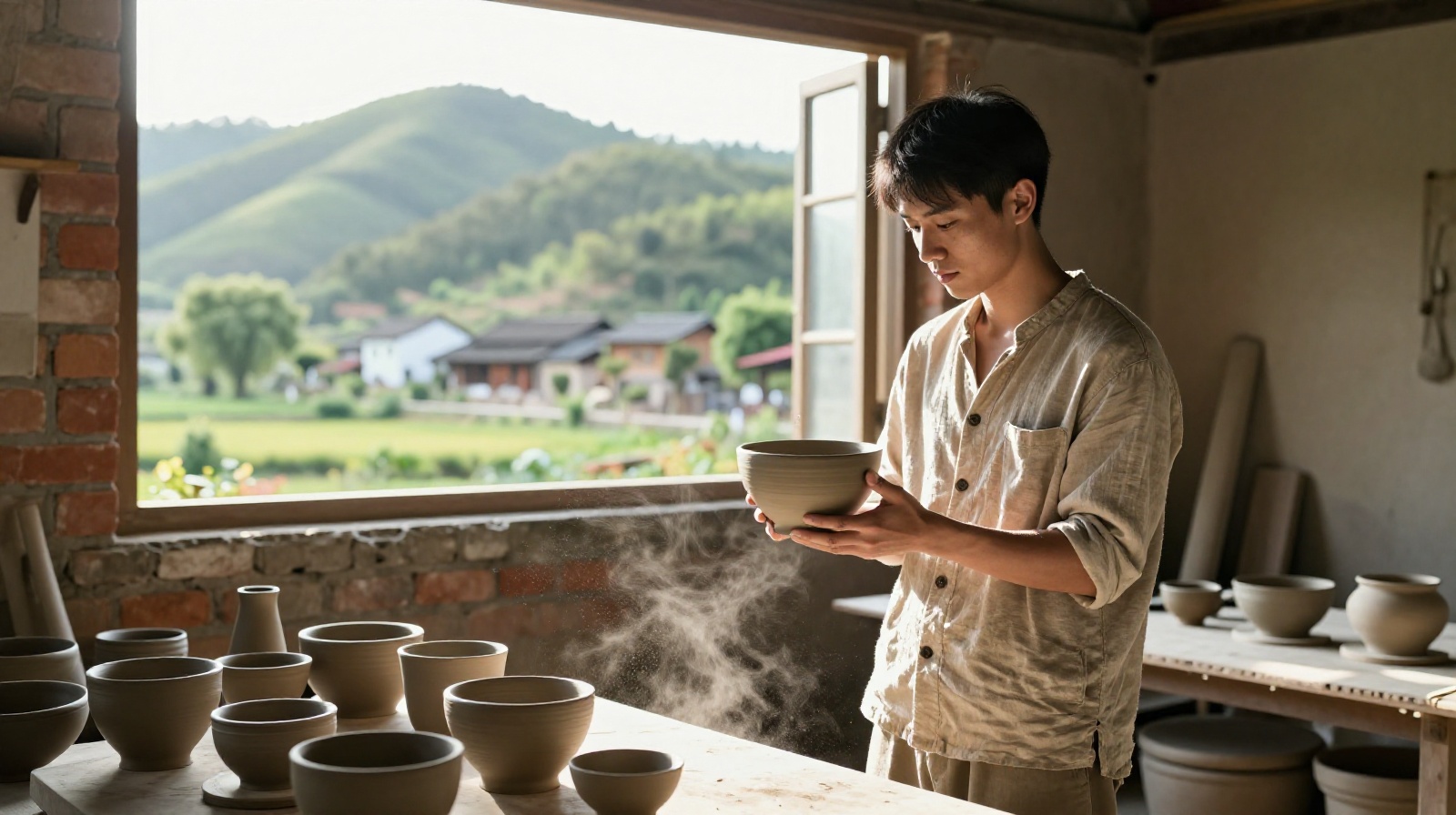
The first week was a shock to the system. The silence was loud. Instead of the distant roar of highway traffic, I heard roosters crowing at dawn and the wind rustling through bamboo forests. My new “office” was a drafty brick shed with a dirt floor. But for the first time in years, I slept deeply.
The Unforgiving Art of Clay
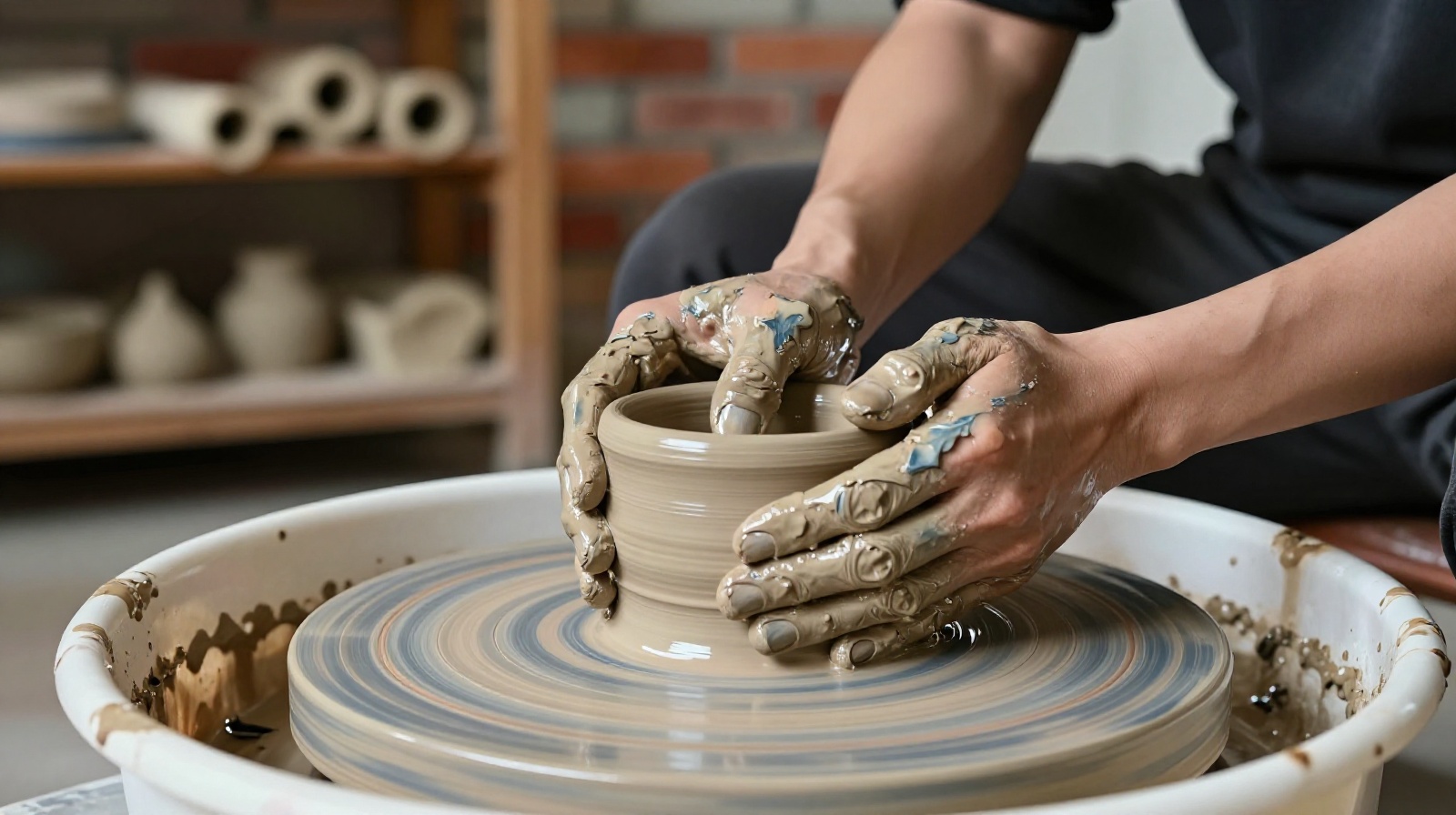
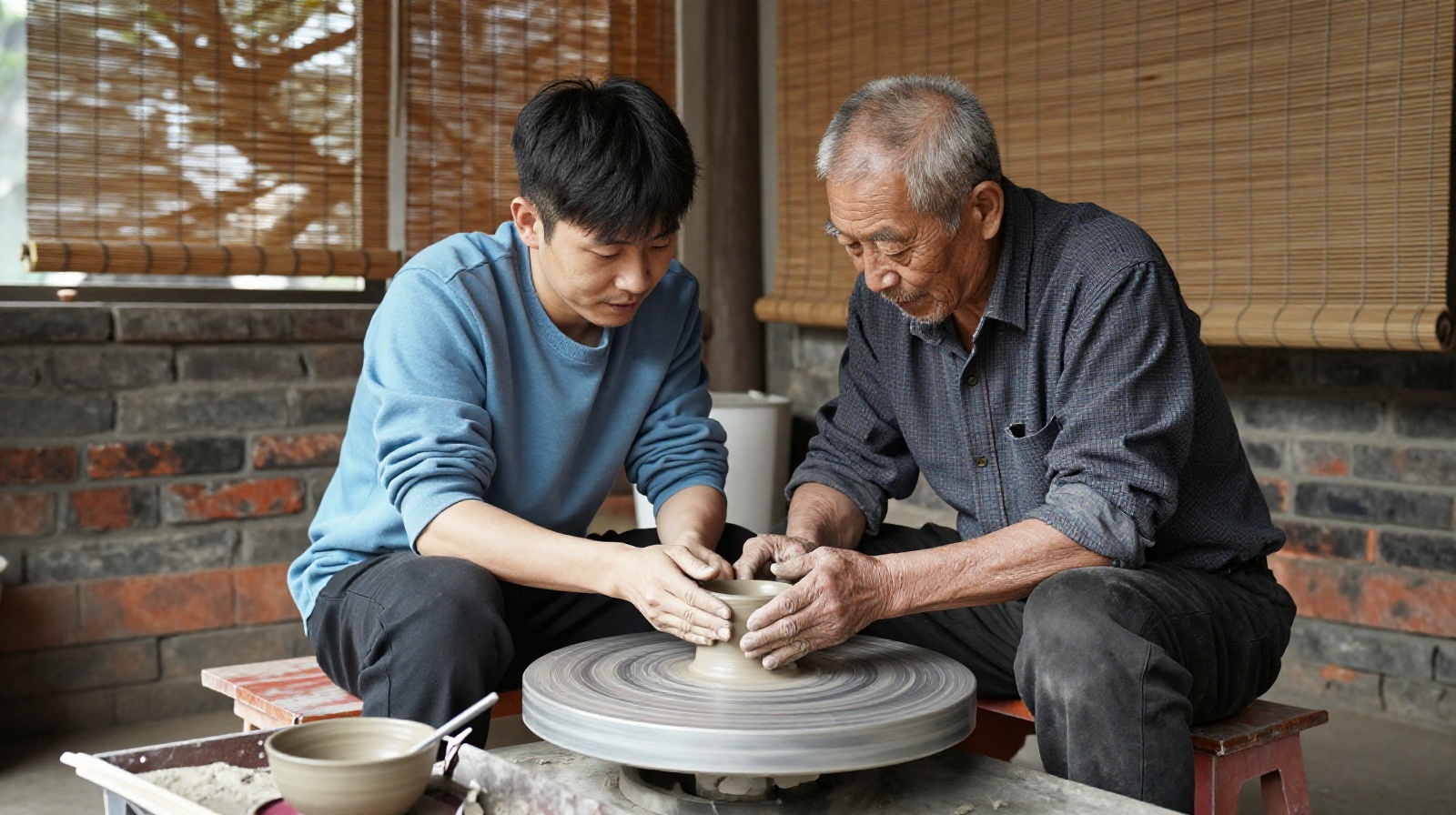
Learning pottery is humbling. I had assumed that design skills from my corporate life would translate well to shaping clay. They did not. My first fifty bowls collapsed under their own weight or cracked in the kiln. The local master, Uncle Li, a man in his sixties with hands stained permanently by earth, watched my failures with patience.
“The clay knows what you are thinking,” he told me. “If you are anxious, the wall will be thin. If you are angry, it will twist.” He taught me to breathe with the wheel, not against it. It took three months before I produced a bowl that was centered, even, and survived firing without breaking.
More Than Just Escapism
Many people in China are talking about “lying flat” (tang ping)—a term for opting out of the rat race. But my move to the village wasn’t about giving up. It was about recalibrating. In the tech industry, success is measured in KPIs and stock options. In pottery, success is tangible. You can hold the result of your labor in your hands.
This shift reflects a broader trend among China’s youth. While many still chase high salaries in megacities, there is a growing segment looking for work-life balance and mental well-being. They are discovering that happiness is not always found in the next promotion.
Acceptance in the Village
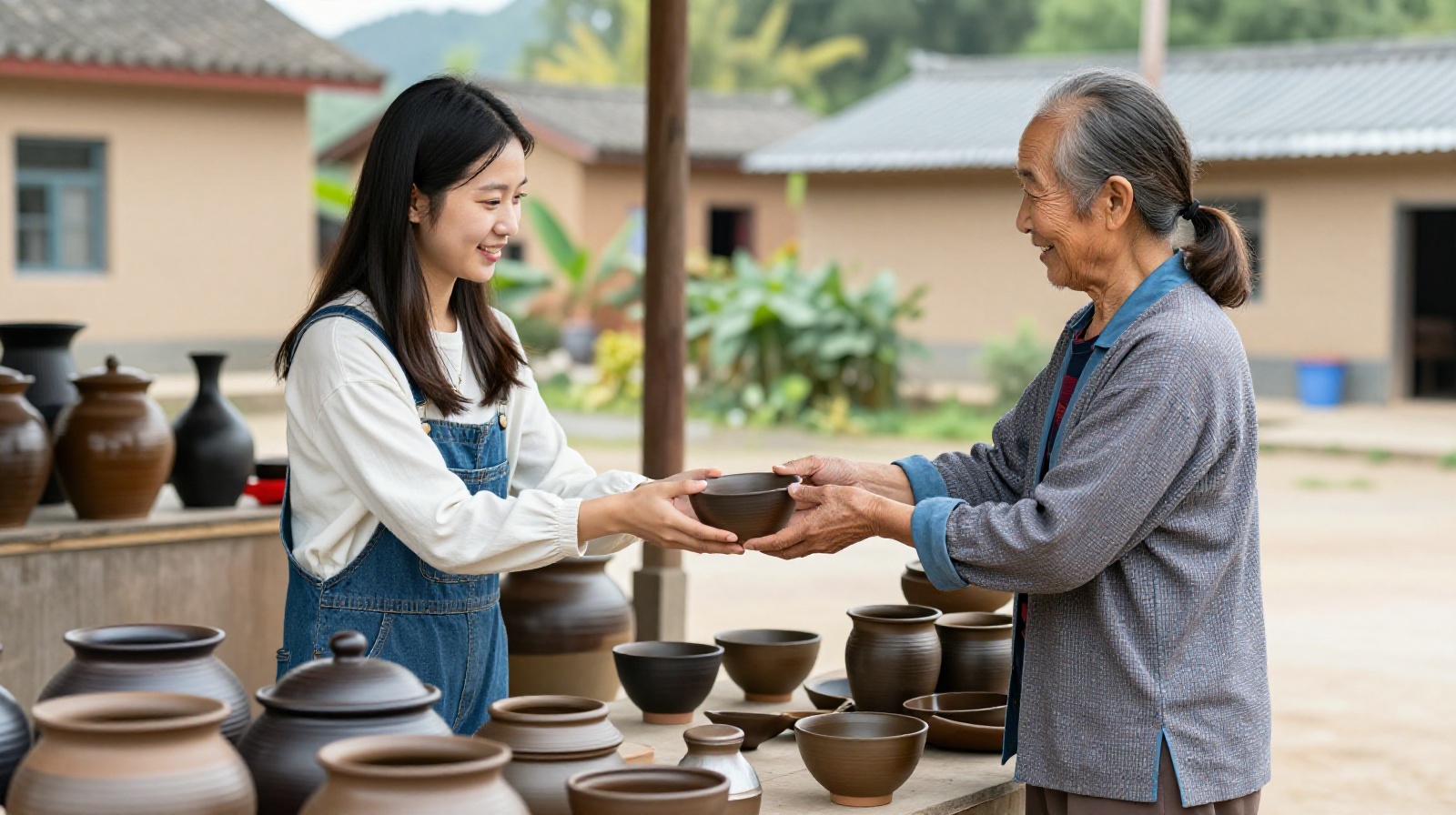
I was initially worried about being an outsider. In a close-knit community of 200 people, a city dweller with no local roots can seem suspicious. But the villagers are practical and warm. When I struggled to carry heavy bags of clay, neighbors offered help without asking for payment. When I first started selling my pieces at the local market, Mrs. Wang, who runs the nearby grocery store, was my first customer.
“Your pots are sturdy,” she said, holding one up to the light. “Good for rice. Good for soup.” It was simple praise, but it meant more than any performance review I had ever received.
A New Definition of Wealth
Today, my income is a fraction of what it was in Beijing. I do not have a corner office or a driver. But I have a studio that smells of wet earth and pine wood. I wake up with the sun, not an alarm clock. I spend my days making mistakes, learning, and creating.
In a country often viewed through the lens of rapid industrialization and economic competition, this story might seem like an anomaly. But it is becoming more common. It shows that modern China is diverse enough to allow different ways of living. Whether you choose the fast lane or the quiet path, the choice is increasingly yours.
I am no longer just a cog in a machine. I am a maker. And for now, that is enough.