
A Sunday Dinner in Brooklyn
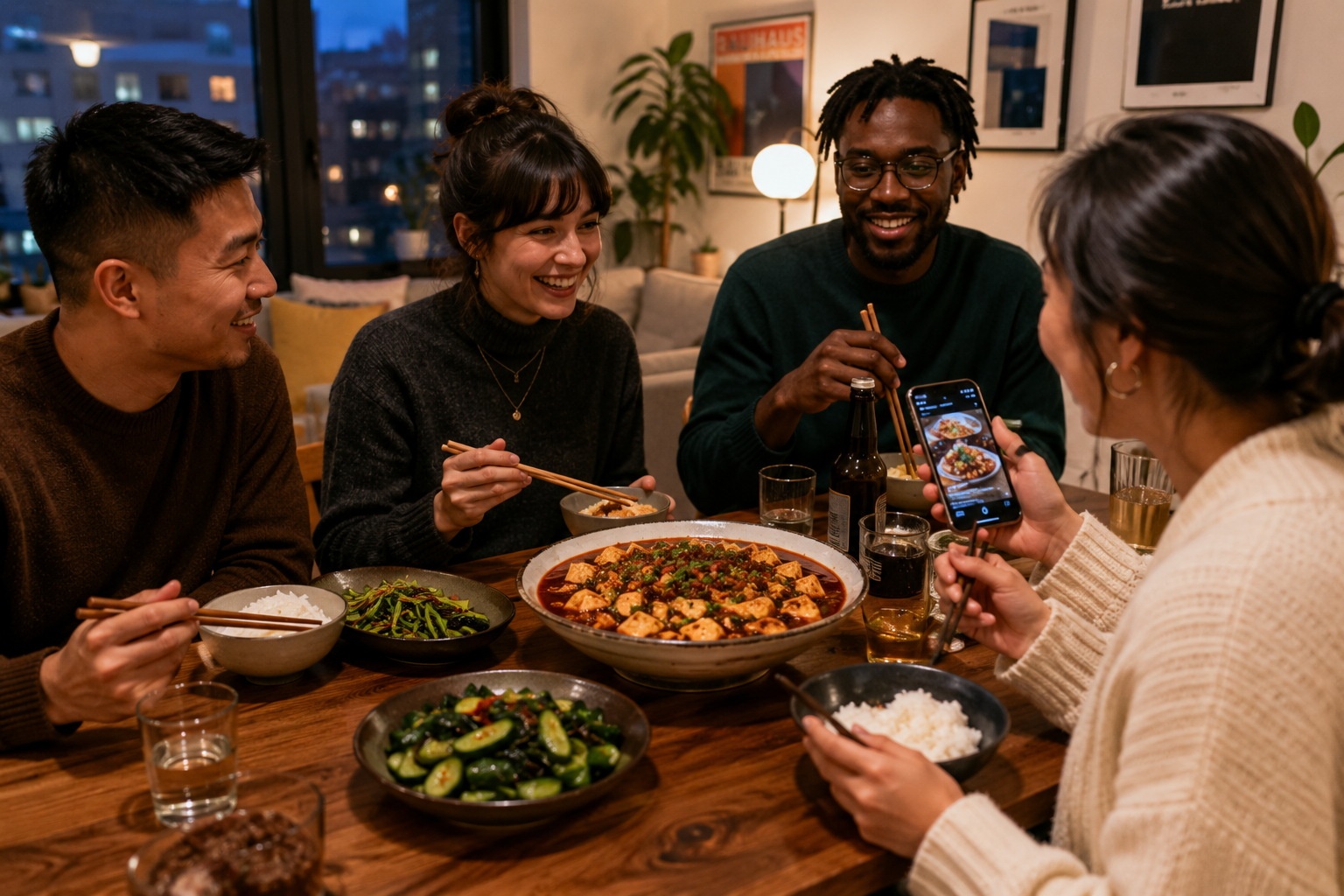
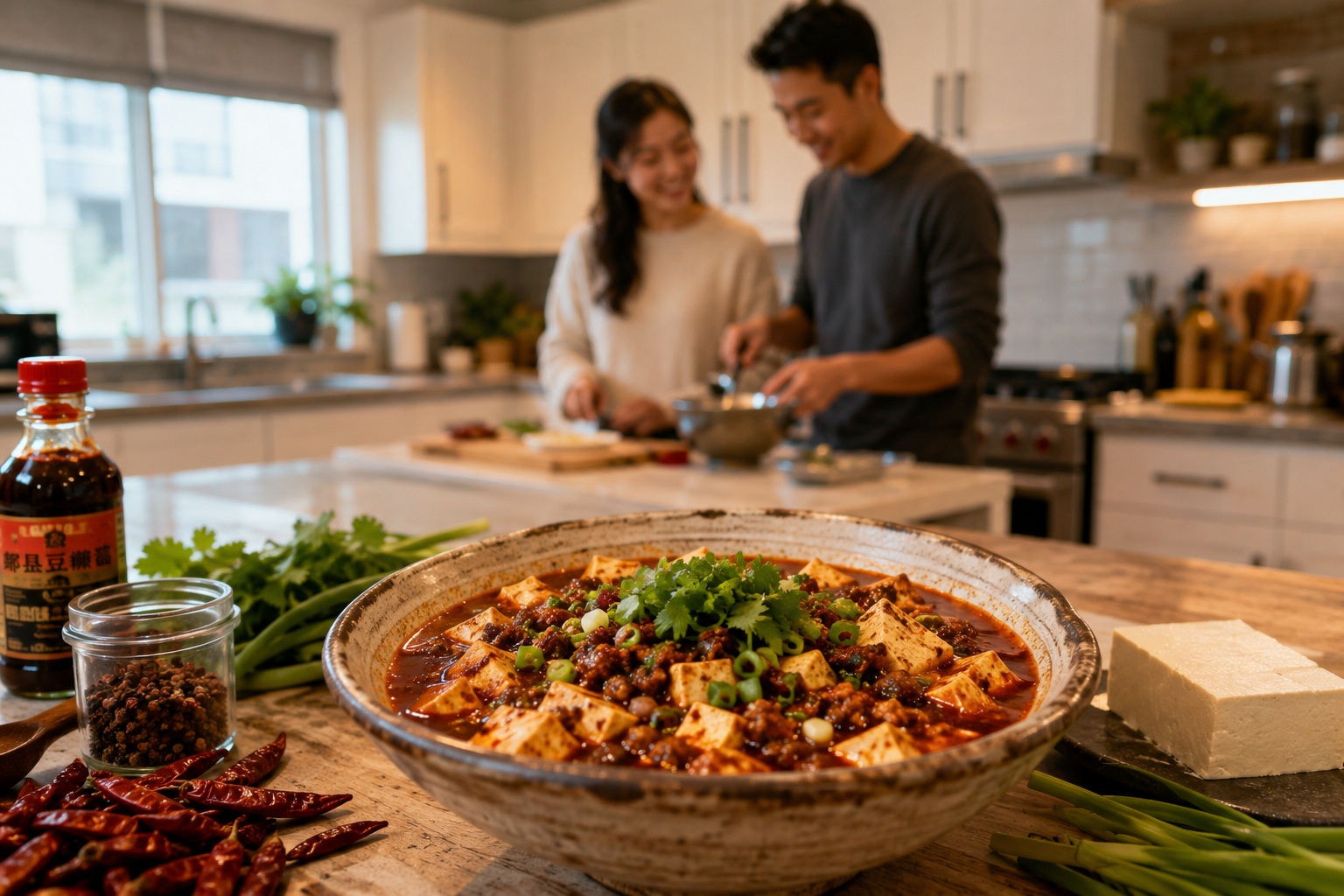
It’s 7:30 PM on a rainy Saturday in Brooklyn. In a renovated brownstone kitchen, Sarah, a graphic designer born in Ohio, is stirring a pot. The air smells of star anise, fermented black beans, and the sharp, numbing heat of Sichuan peppercorns. On the stove sits a plate of mapo tofu—silky white cubes trembling in a vibrant red oil sauce, topped with crushed peanuts and cilantro.
“My mother-in-law says this isn’t ‘real’ Sichuan food,” Sarah laughs, handing a bowl to her husband, who grew up in Chengdu. “She says it’s too sweet, not numbing enough. But to me, it tastes like home now.”
This scene is becoming common across American suburbs. Mapo tofu, once a symbol of “Chop Suey” era confusion, has migrated into the middle-class pantry. It is no longer just a dish from a takeout container; it is a culinary rite of passage for Westerners exploring Chinese cuisine.
The Immigrant Legacy
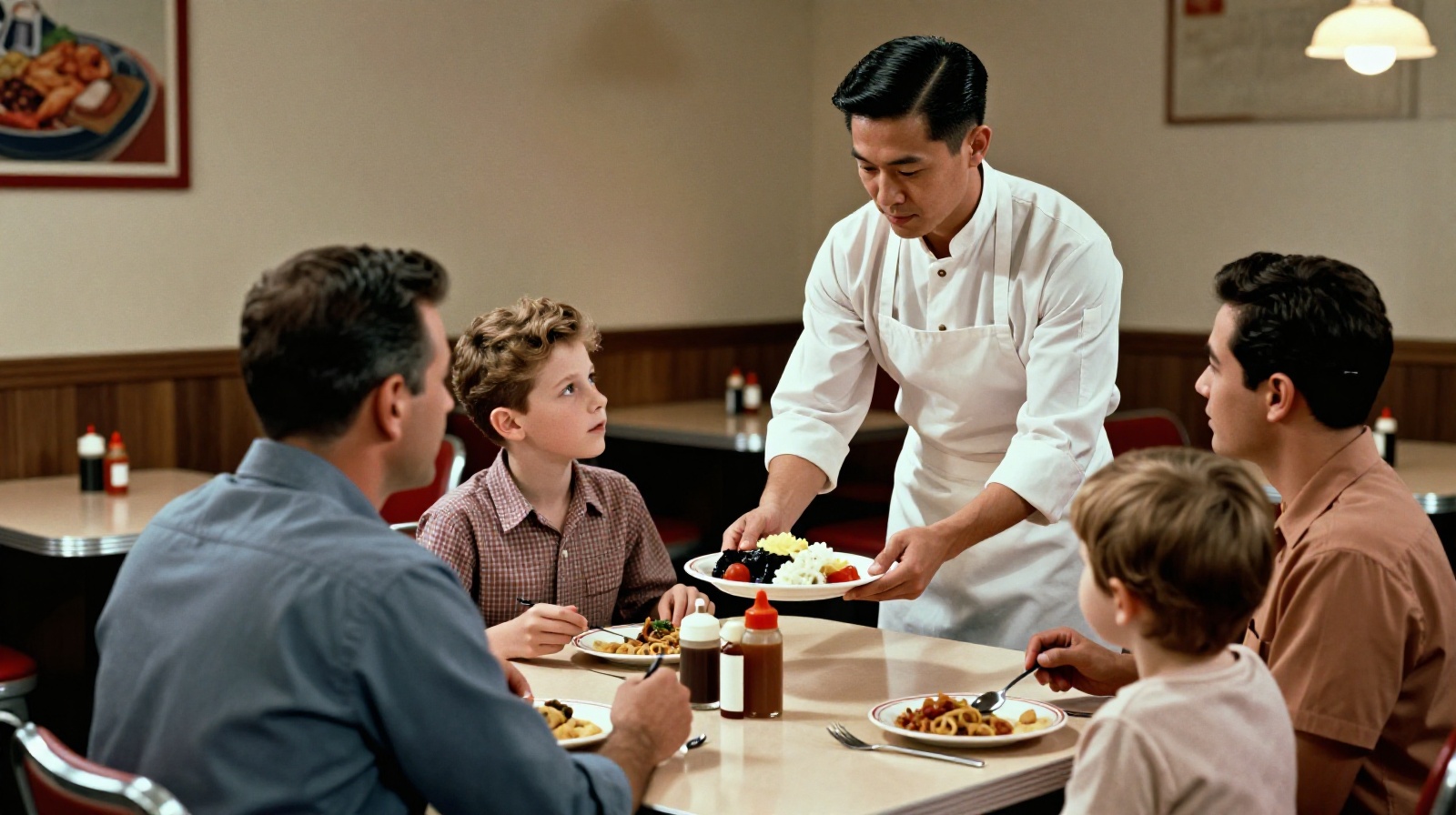
To understand this shift, we must look back to the mid-20th century. When large waves of Chinese immigrants arrived in the United States, they faced a harsh reality: American palates did not understand the complex “ma la” (numbing and spicy) profile of Sichuan cuisine. The intense heat was often perceived as unbearable, and the offal-heavy traditional recipes were unfamiliar.
So, adaptation began. Early Chinese-American restaurants simplified the dish. They swapped beef for pork or ground turkey, reduced the chili oil to a mild red glaze, and thickened the sauce heavily with cornstarch to make it “saucy” enough for white rice. This version, while diverging from its roots in Chengdu’s Little East Street, served a vital function: it was accessible, affordable, and bridged the cultural gap during the Cold War era.
The Great Divergence
Today, we see a fascinating split. On one side, the “Americanized” mapo tofu remains popular for its comfort-food familiarity. On the other, a growing movement in China is aggressively reclaiming the original.
In Chengdu, young chefs are debating the soul of the dish. Is it mapo tofu if the meat isn’t fried until crispy? If the peppercorns don’t tingle the lips? For the new Chinese middle class, authenticity has become a point of pride. Social media platforms like Xiaohongshu (Little Red Book) are filled with tutorials on how to source “Erjingtiao” chilies and “Hanyuan” peppercorns directly from Sichuan farms.
This creates a unique feedback loop. Chinese tourists in New York or London often complain that local mapo tofu is “too bland.” Meanwhile, Americans who travel to China are shocked by the intensity of the spice. The dish has become a barometer for cross-cultural tolerance.
Technology as the New Ingredient
How did this global connection happen so fast? It wasn’t just migration; it was technology. The rise of cold-chain logistics and e-commerce has changed the game. A home cook in Toronto can now order vacuum-sealed, authentic Sichuan peppercorns delivered to their door within days.
Furthermore, short-video platforms like TikTok and Instagram have democratized culinary knowledge. Videos of Chinese grandmothers making mapo tofu from scratch—showing the specific technique of “double-frying” the meat and grinding the peppercorns fresh—have garnered millions of views. These visuals bypass language barriers. You don’t need to speak Mandarin to understand the sizzle of the wok or the vibrant red of the chili oil.
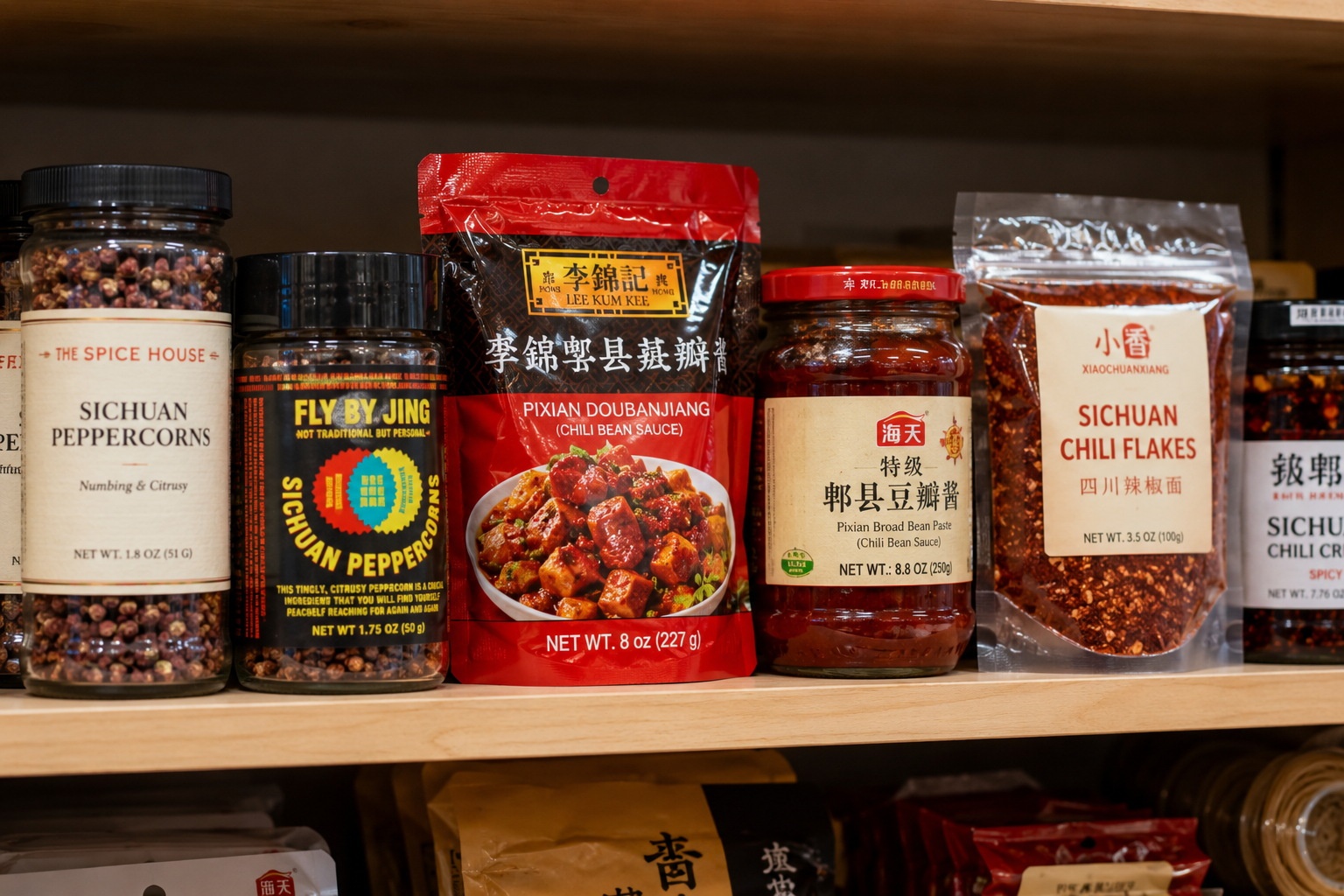
Import supermarkets in cities like Seattle, Vancouver, and London now have dedicated “Sichuan Spice” aisles. Products like Pixian Doubanjiang (fermented broad bean paste) are no longer niche items but household staples, sitting next to tomato sauce and ketchup.
Beyond the Recipe
Mapo tofu is more than a recipe; it is a narrative of integration. It reflects how Chinese culture has moved from being “exotic” and “other” to being a shared, everyday experience. The dish’s journey mirrors China’s own global rise: from a hidden, misunderstood past to a visible, vibrant present.
For Sarah in Brooklyn, the slight tweak in her recipe isn’t a betrayal of tradition. It’s an evolution. It represents a generation that is comfortable navigating multiple cultures. They can appreciate the numbing spice of Chengdu but also enjoy the comforting warmth of their own kitchen.
In the end, mapo tofu teaches us that food doesn’t just travel; it transforms. And in that transformation, we find a more nuanced, human connection between East and West—one bowl at a time.