

The Illusion of the “Independent Super-State”
For decades, Western media has treated China’s provinces as if they were independent nations waiting to break away. The narrative is seductive in its simplicity: Guangdong’s GDP exceeds that of South Korea; Jiangsu’s manufacturing output rivals major European economies; Yiwu in Zhejiang controls a significant portion of global small commodity trade. By this logic, these regions should be the first to seek independence, just as Europe fragmented into dozens of sovereign states.
But this view misses the fundamental reality of how modern China operates. The strength of these provinces is not an accident of geography or isolated local policies. It is the result of a deeply integrated national system. When you look at a map of China today, you do not see isolated economic powerhouses. You see a single, hyper-efficient machine where every component relies on the others.
The Hidden Cost of Fragmentation
To understand why unity is non-negotiable for ordinary Chinese people, we must look beyond GDP charts and examine the daily friction of trade. In a fragmented market, the cost of doing business skyrockets. Imagine a factory in Shenzhen needing lithium batteries from Sichuan, steel from Shanxi, and rare earths from Inner Mongolia. If each region had its own tariffs, customs checks, and technical standards, the price of an electric vehicle would be uncompetitive globally.
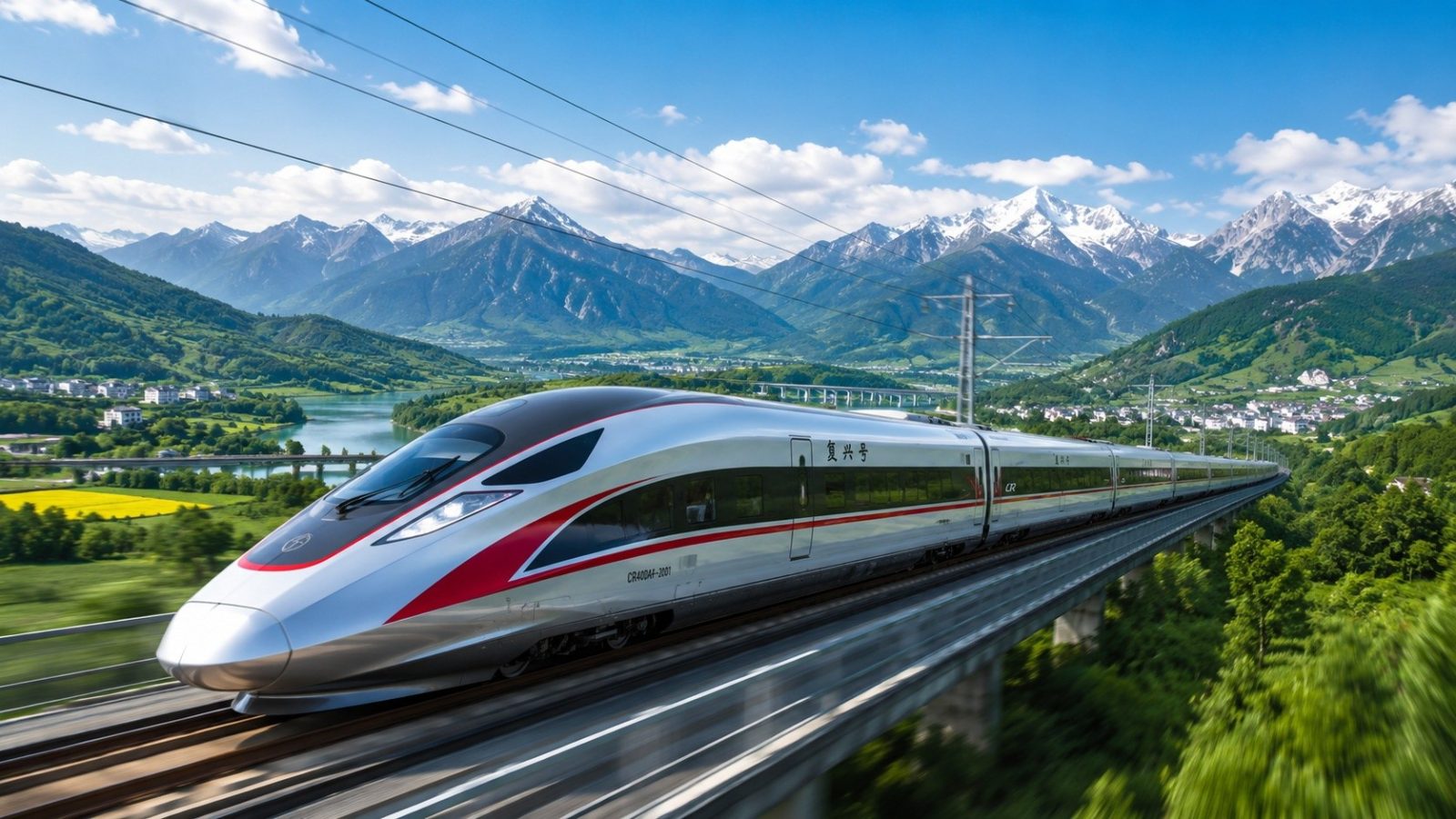
China’s “Unified Large Market” eliminates these internal borders. It allows resources to flow freely across thousands of kilometers without the friction of dozens of different regulatory regimes. This is not just about convenience; it is about survival. History has shown China the brutal cost of division. From the Warring States period to the warlord era of the early 20th century, fragmentation meant broken supply chains, skyrocketing food prices, and constant violence. For the average citizen, unity is not an abstract political slogan. It is the guarantee that the lights stay on, the trains run on time, and goods are affordable.
The Ecosystem of Interdependence
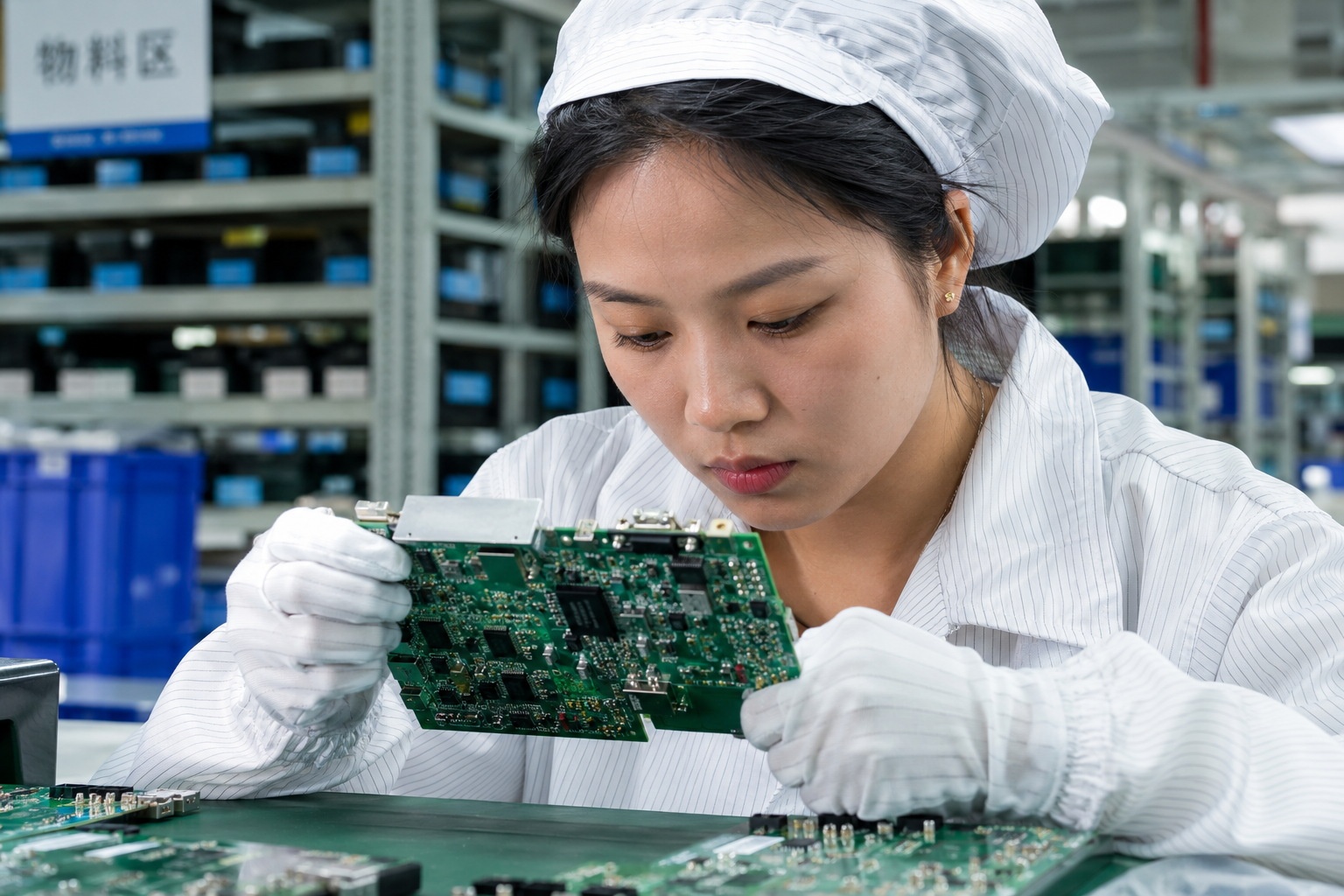
Consider the rise of BYD, China’s leading electric vehicle manufacturer. While its headquarters are in Shenzhen, its success is a national story. Its supply chain spans more than ten provinces. Raw materials come from the west, components are assembled in central hubs, and the final products are distributed nationwide. If Guangdong were to separate from the rest of China, BYD would lose access to the domestic market that currently fuels its economies of scale, making it difficult to compete with global giants like Tesla.
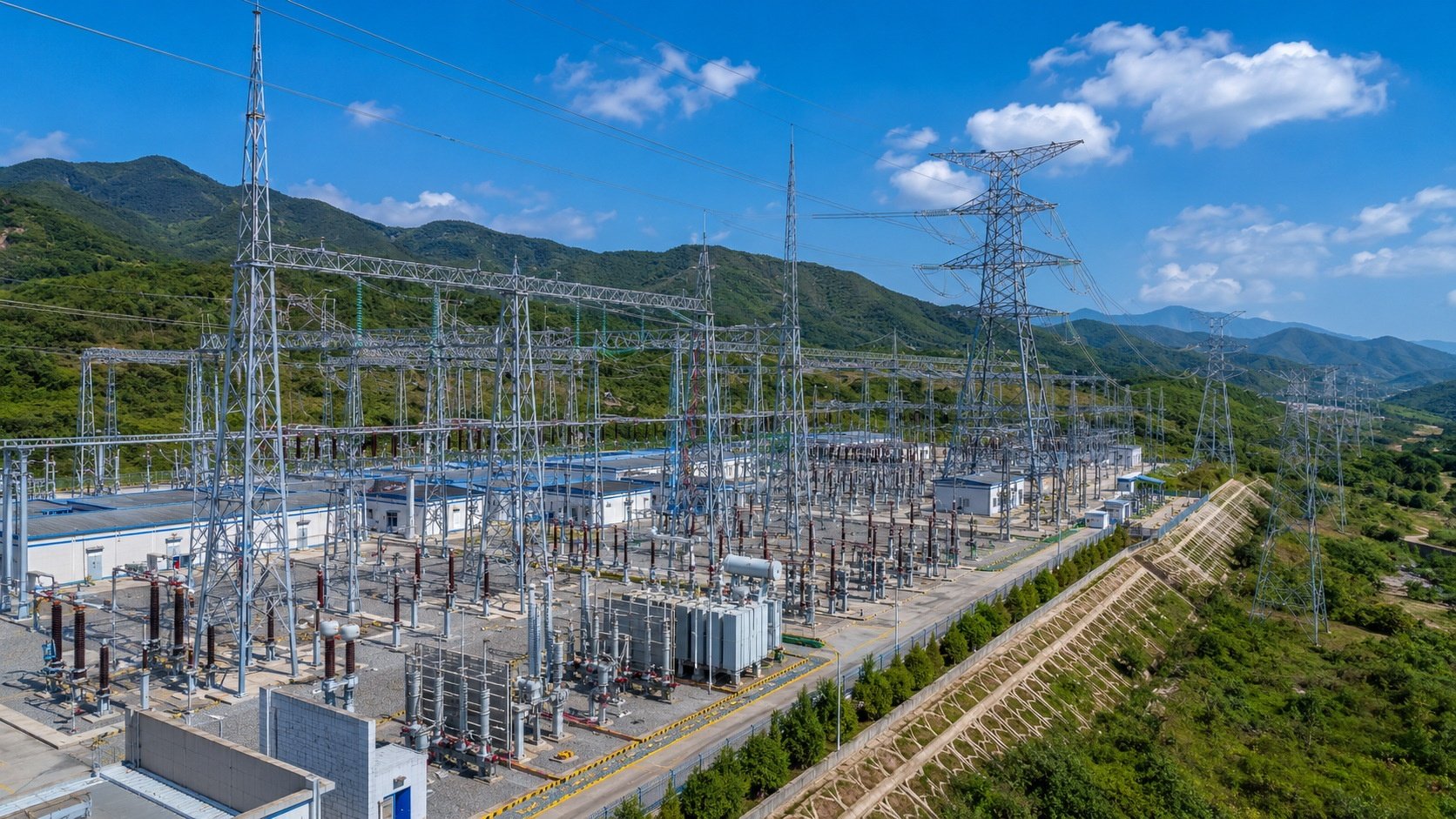
Similarly, look at agriculture. In 2025, Heilongjiang province in the northeast produced over 82 billion kilograms of grain, supplying nearly one-ninth of China’s total output. This “breadbasket” feeds half the country. Meanwhile, the energy that powers the factories of Guangdong and Jiangsu comes from coal in Shanxi and hydropower in the southwest. This cross-regional exchange—West-to-East electricity transmission, West-to-East gas pipelines—is only possible because of a unified national grid and logistics network.
Security: The Ultimate Bottom Line
Beyond economics, there is a profound security dimension. China’s geography is complex, with vast borders and diverse terrains. In the 19th and early 20th centuries, when China was weak and fragmented, foreign powers carved it into spheres of influence. The memory of this “Century of Humiliation” is still alive in the Chinese consciousness. A divided China would be easy prey for external forces, each region manipulated by different global powers.
Unity provides a shield. It allows China to leverage its massive scale to negotiate with other major economies as a single entity. It creates a strategic depth that no single province could achieve alone. For the 1.4 billion people living here, this stability is the foundation of their daily lives. It means they can travel from Chengdu to Shanghai without needing a passport, use the same mobile payment system everywhere, and trust that the rules of commerce are consistent.
Unity in Diversity
Finally, it is crucial to correct a common misunderstanding: Unity does not mean uniformity. China’s strength lies in “unity with diversity.” The national framework sets the baseline for standards, security, and market access, but it allows local regions to thrive in their own ways. Guangdong specializes in trade and innovation; Sichuan offers a massive consumer market and cultural depth; Xinjiang provides energy resources; the Northeast remains the agricultural backbone.
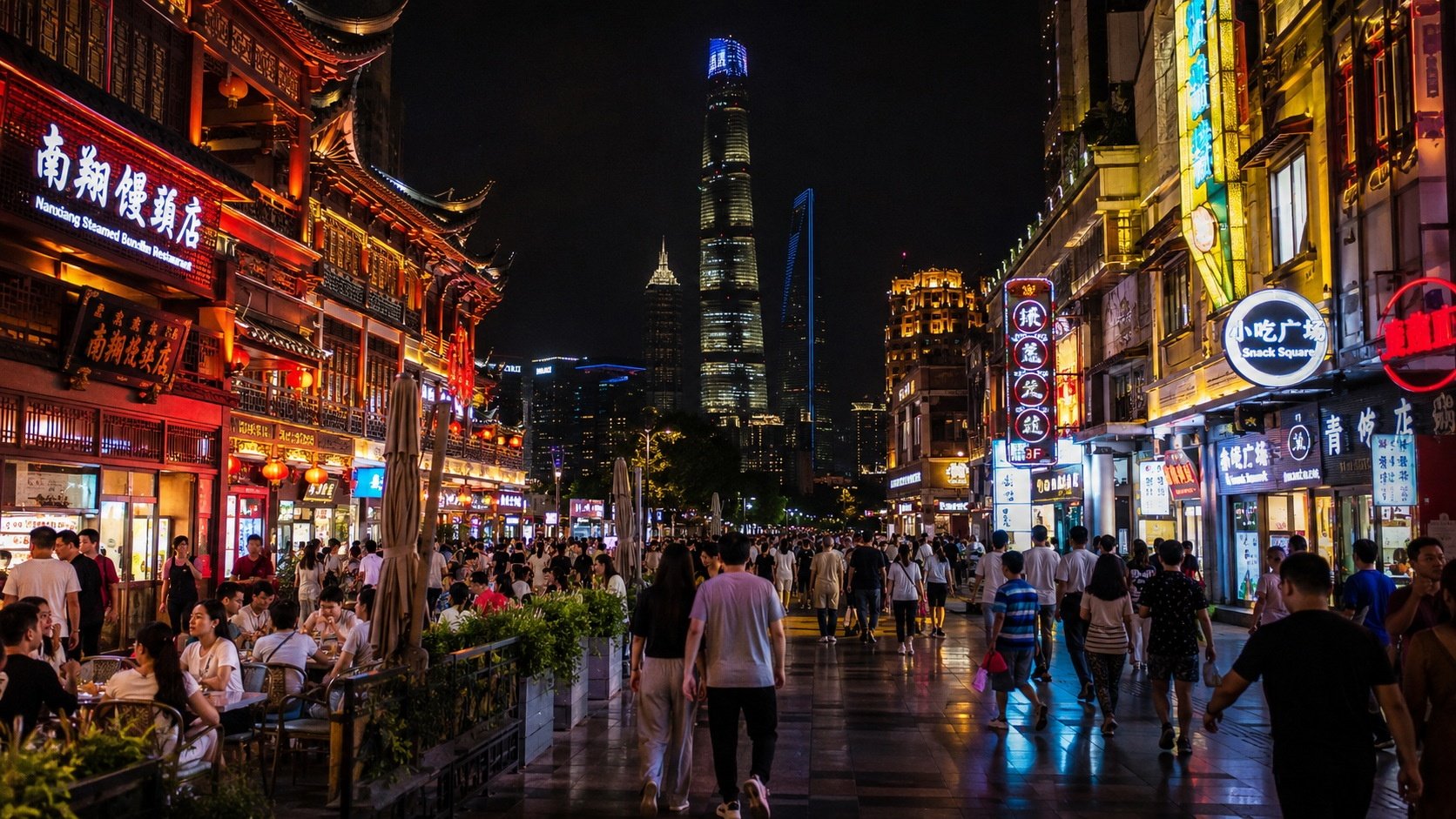
This system allows each region to play to its strengths while contributing to the whole. It is a symbiotic relationship. The “super-provinces” do not dominate the periphery; they are supported by it. And the periphery relies on the innovation and capital of the coast. This interdependence is why the idea of fragmentation is not just unpopular, but economically and practically irrational for most Chinese people.
The Real Lesson for the World
Western observers often judge China by the same metrics they use for Europe: looking at individual states or provinces in isolation. But China’s logic is different. It is built on the premise that scale, integration, and internal consistency are the highest forms of competitiveness. In a world facing climate change, supply chain disruptions, and geopolitical tension, the ability to mobilize resources across a vast, unified territory is a unique advantage.
The question is not why strong provinces stay in China. The question is how other nations can learn from this model of integration. For China, unity is not a constraint on progress. It is the engine that drives it. It is the reason why a small town in Yiwu can sell to the world, and why a factory in Shenzhen can innovate at the speed of global demand. It is the bedrock upon which the future of 1.4 billion people rests.