

The Invisible Wall That Finally Crumbled
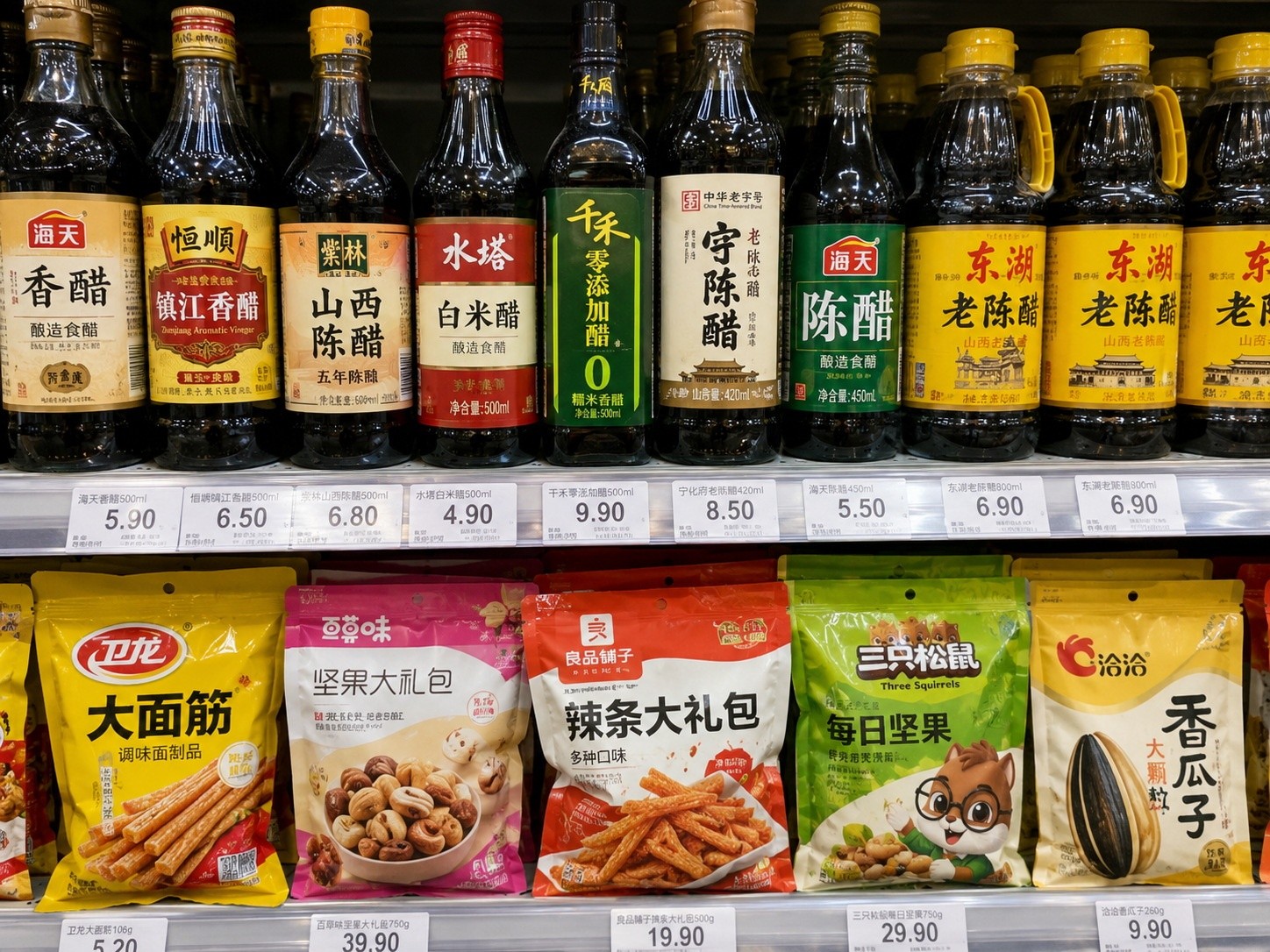
Imagine buying a bottle of vinegar in Chengdu, only to find it tastes exactly like the brand sold in Shanghai. Or ordering a smartphone online and having it delivered from a warehouse in Guangdong to your home in Heilongjiang in two days, at a price that leaves local retailers baffled. For many outside China, this seamless flow seems obvious. But for those who lived through the 1990s and early 2000s, it represents a radical shift in how the world’s second-largest economy functions.
This is not just about logistics; it is about the dismantling of local protectionism. Historically, China’s provinces acted somewhat like independent countries, each with its own tariffs, quality standards, and barriers to keep local industries alive. Today, the concept of a “National Unified Market” is no longer just policy jargon—it is the invisible infrastructure that keeps prices low and choices high for 1.4 billion people. Understanding this shift is crucial for anyone watching the global supply chain or trying to understand the engine of Chinese consumer demand.
What Was ‘Local Protectionism’? A Story of Broken Trucks
To grasp the magnitude of this change, you have to look at the historical scars of China’s economic fragmentation. In the 1980s and 90s, as local governments gained more fiscal power, they often prioritized local revenue over national efficiency. This led to a phenomenon known as “administrative monopoly.”
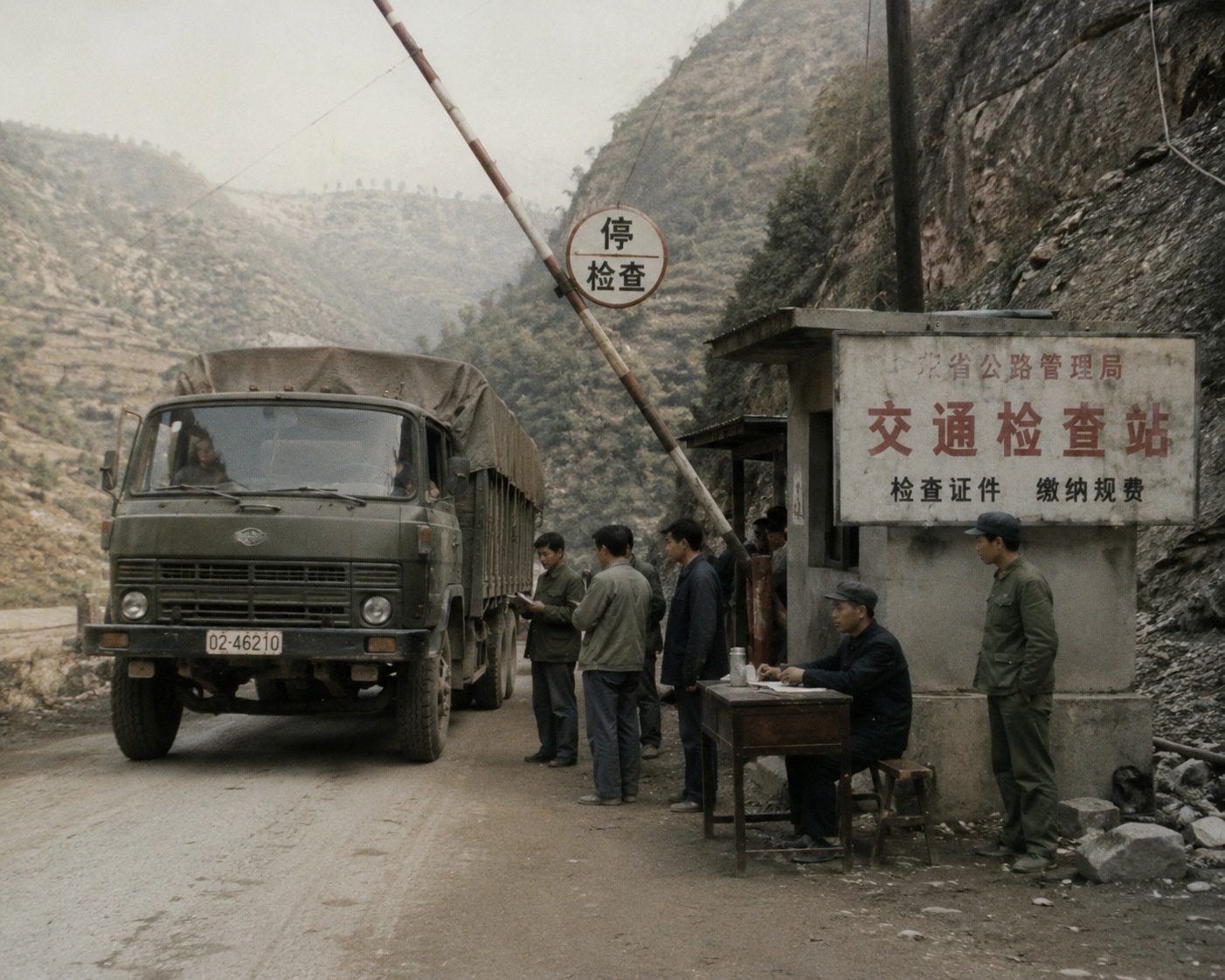
The most famous symbol of this era was the provincial checkpoint. Truck drivers crossing from one province to another frequently faced arbitrary fees, inspections, and even physical barriers. In some cases, local governments would ban cars from other provinces from selling certain goods—like alcohol or automobiles—to protect their own state-owned enterprises. If you were a manufacturer in Jiangsu, selling your products in Zhejiang was not just difficult; it was often legally obstructed by local officials eager to keep tax revenue within their borders.
For the ordinary citizen, this meant higher prices and limited choices. A farmer in Sichuan might pay more for fertilizer produced nearby due to local subsidies that kept inefficient factories open, while high-quality goods from other regions were locked out. The market was sliced into hundreds of small, inefficient fragments.
The ‘National Chessboard’: How It Works in Real Life
The transformation began in earnest in the mid-2000s and accelerated with the rise of e-commerce. The digital economy did not just bypass local protectionism; it made it obsolete. Today, the “National Unified Market” operates on three main pillars: logistics, digital infrastructure, and regulatory harmonization.
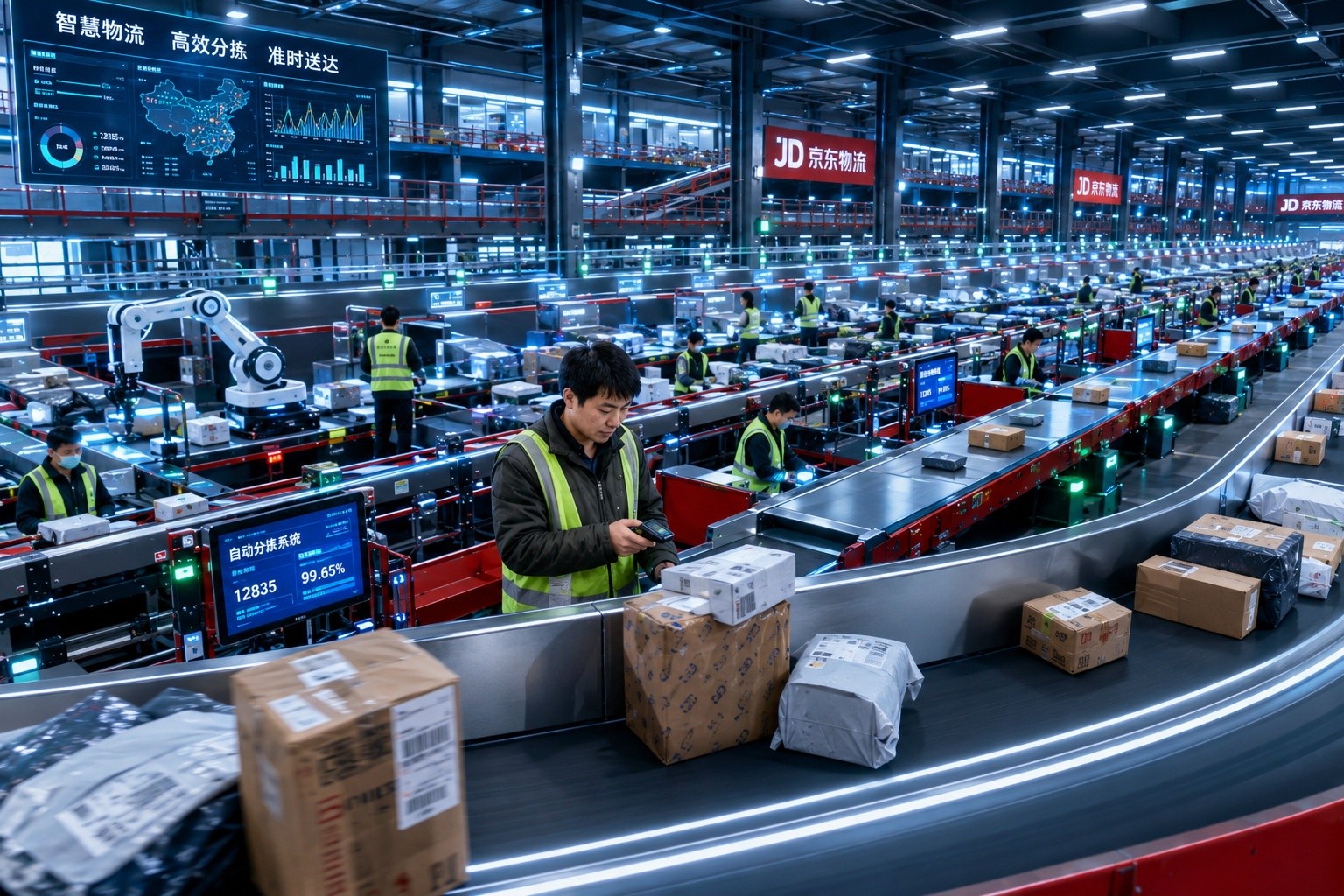
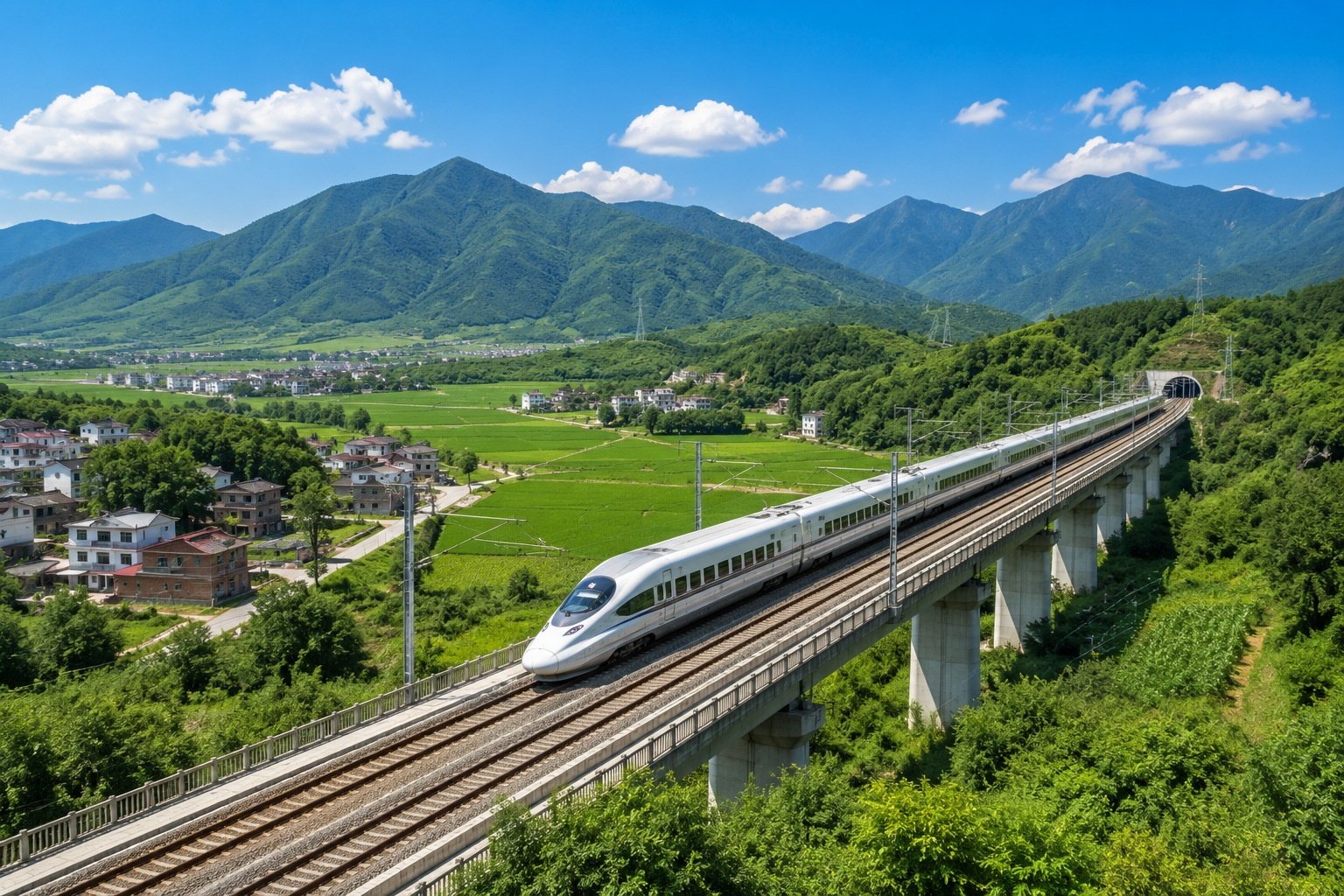
Consider the logistics network. Companies like SF Express and JD Logistics have built a national grid that treats China as a single zone. The cost of shipping a package from Hangzhou to Yunnan has dropped dramatically over the last decade. This is not magic; it is the result of standardized road tolls, unified vehicle regulations, and massive investment in high-speed rail and highways that physically connect the country.
Then there is the digital layer. In the past, local telecom monopolies and fragmented payment systems made cross-provincial business cumbersome. Today, platforms like Alipay and WeChat Pay work identically whether you are in a tier-1 city like Shenzhen or a rural village in Gansu. This digital unity allows small businesses to access a national customer base without needing a physical presence in every province.
The Human Impact: Better Choices, Fairer Competition
For consumers, the end of local protectionism means one thing: value. When barriers fall, competition intensifies. Local monopolies are forced to innovate or perish. A recent example is the rise of regional food brands. Ten years ago, a popular snack from a small town in Hunan would never reach shelves in Beijing. Today, through live-streaming e-commerce on platforms like Douyin (TikTok’s Chinese counterpart), these local specialties can sell millions of units nationwide within weeks.

For businesses, the stakes are higher, but the opportunities are greater. A small manufacturer in a third-tier city no longer needs to bribe local officials or navigate complex regional laws to succeed. They need only to produce a good product and master national marketing channels. This has led to a “race to the top” in quality. While some inefficient local firms have gone bankrupt, the overall efficiency of China’s manufacturing sector has soared.
Challenges and Future Outlook
However, declaring victory too early would be a mistake. The transition is not complete. Local governments still face pressure to meet employment and tax targets, which can lead to subtle forms of protectionism, such as favoring local state-owned enterprises in government procurement. The central government has recently issued new guidelines to strictly enforce fair competition reviews and crack down on regional blockades, signaling that the cleanup of the unified market is an ongoing process.
For the global economy, this internal integration is a stabilizing force. A unified Chinese market provides a predictable environment for foreign investors and creates a massive, cohesive consumer base. As China continues to refine these rules, the ripple effects will be felt in global supply chains, from semiconductor manufacturing to electric vehicle components.
Ultimately, the story of China’s market transformation is not about grand political slogans. It is about the truck driver who no longer stops at provincial borders, the mother in a small town who can buy the same baby formula as her cousin in Shanghai, and the entrepreneur who competes on merit rather than geography. The invisible walls have fallen, leaving behind a chessboard where the whole country plays by the same rules.