

The Supermarket Shock
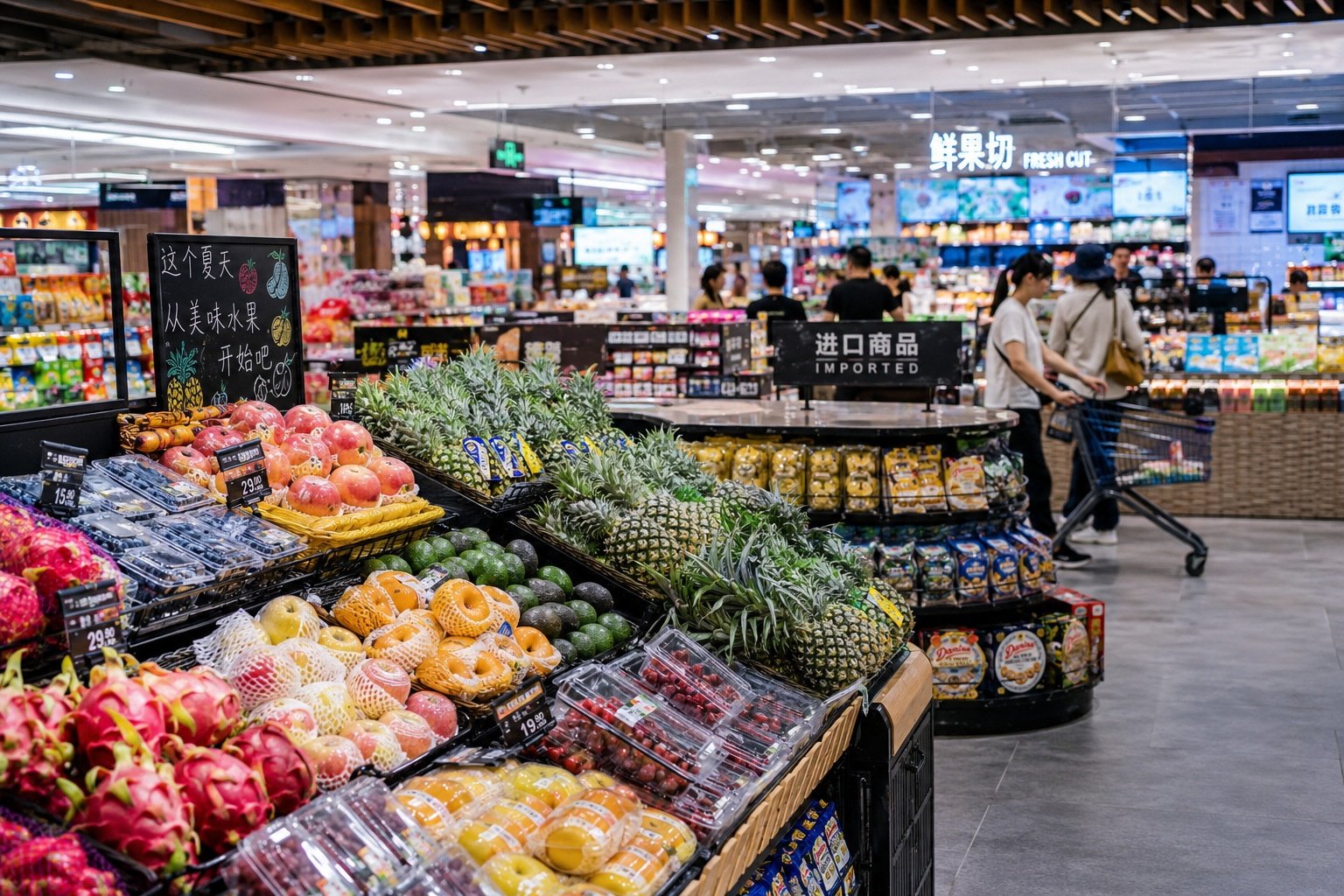
It was 7:00 PM on a Tuesday in Hefei, a tier-2 city in eastern China. I stood in the produce aisle of a local supermarket, holding a bag of strawberries that were still cold from the refrigeration unit. They were bright red, firm, and cost about $1.50 per pound. Just yesterday, I had bought similar-looking berries in Shanghai for twice that price, after they had been shipped overnight on a high-speed rail freight train.
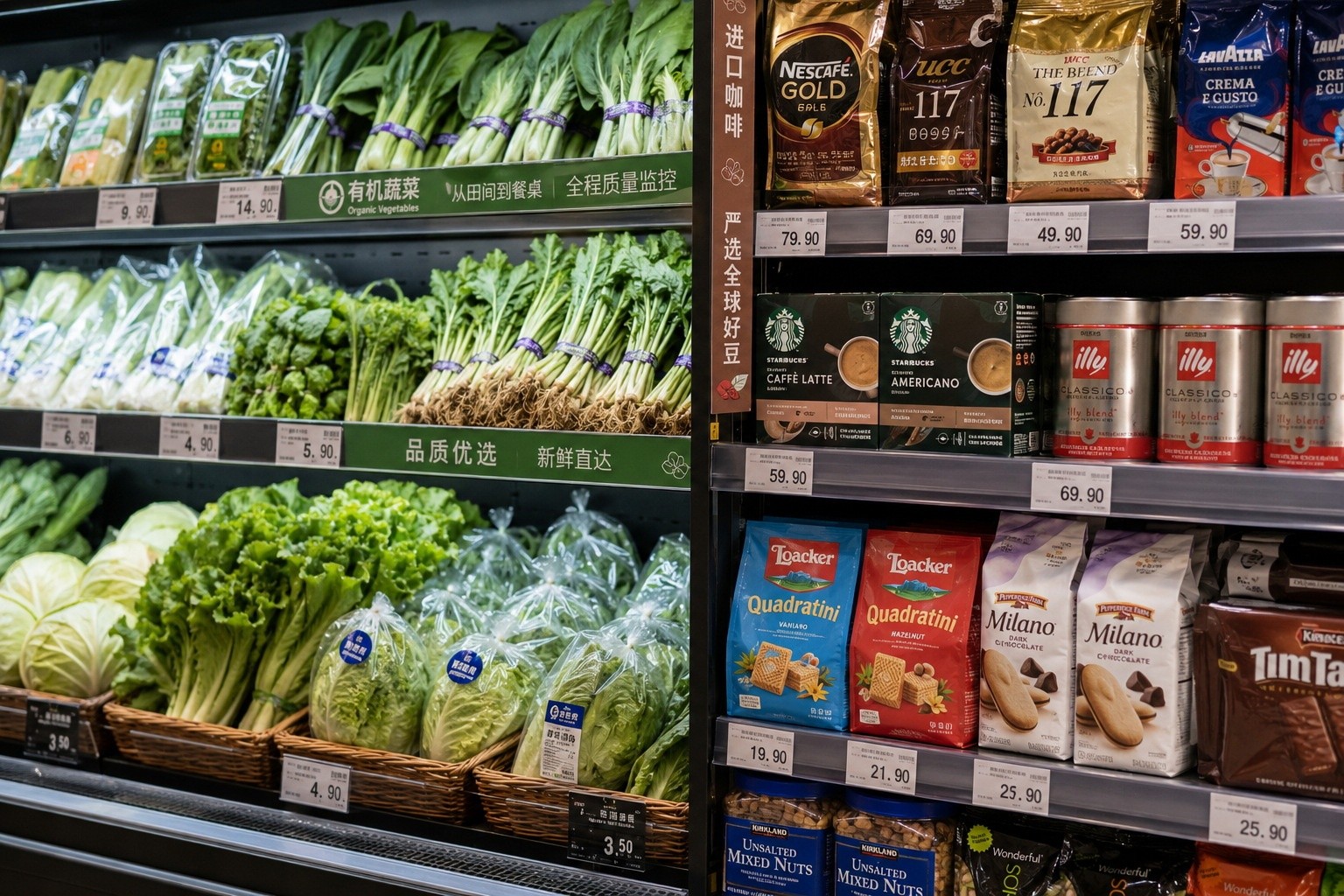
For many outsiders, this scene is counterintuitive. We often imagine China as a manufacturing giant where everything is made, but rarely consumed locally in such variety. Yet, here I was, watching locals fill their carts with imported Chilean cherries, German pork sausages, and Japanese rice crackers, all sitting alongside fresh vegetables from provinces hundreds of miles away.
Behind the Shelves: Demystifying the ‘Unified National Market’
This abundance is not an accident. It is the result of what policymakers call the “Unified National Market” (全国统一大市场). To the Western ear, this sounds like a political slogan. In reality, it is a massive logistical and regulatory overhaul designed to break down internal trade barriers.
For decades, China’s economy was fragmented. Local governments often protected their own industries with hidden tariffs, different technical standards, or bureaucratic hurdles. A truck carrying goods from Guangdong might face unexpected inspections or fines when crossing into Hunan. This “wall of walls” kept prices artificially high and limited consumer choice.
The current push aims to create a single, seamless economic zone the size of Europe. It means standardized regulations for everything from food safety labels to electric vehicle charging protocols. When a company in Shenzhen produces a smartphone, it doesn’t just ship it to Shanghai; it can efficiently distribute it through a unified logistics network to every corner of the country without facing local protectionism.
The Logistics Link: Speed as Currency
The physical backbone of this system is China’s investment in infrastructure. But it is not just about building more roads. It is about integrating them with digital systems.
Consider the “express rail” network. China has turned its high-speed passenger trains into a mixed-use freight system at night. Fresh seafood from the coast reaches inland cities within hours. This reduces the need for expensive air freight and lowers the carbon footprint of domestic trade.
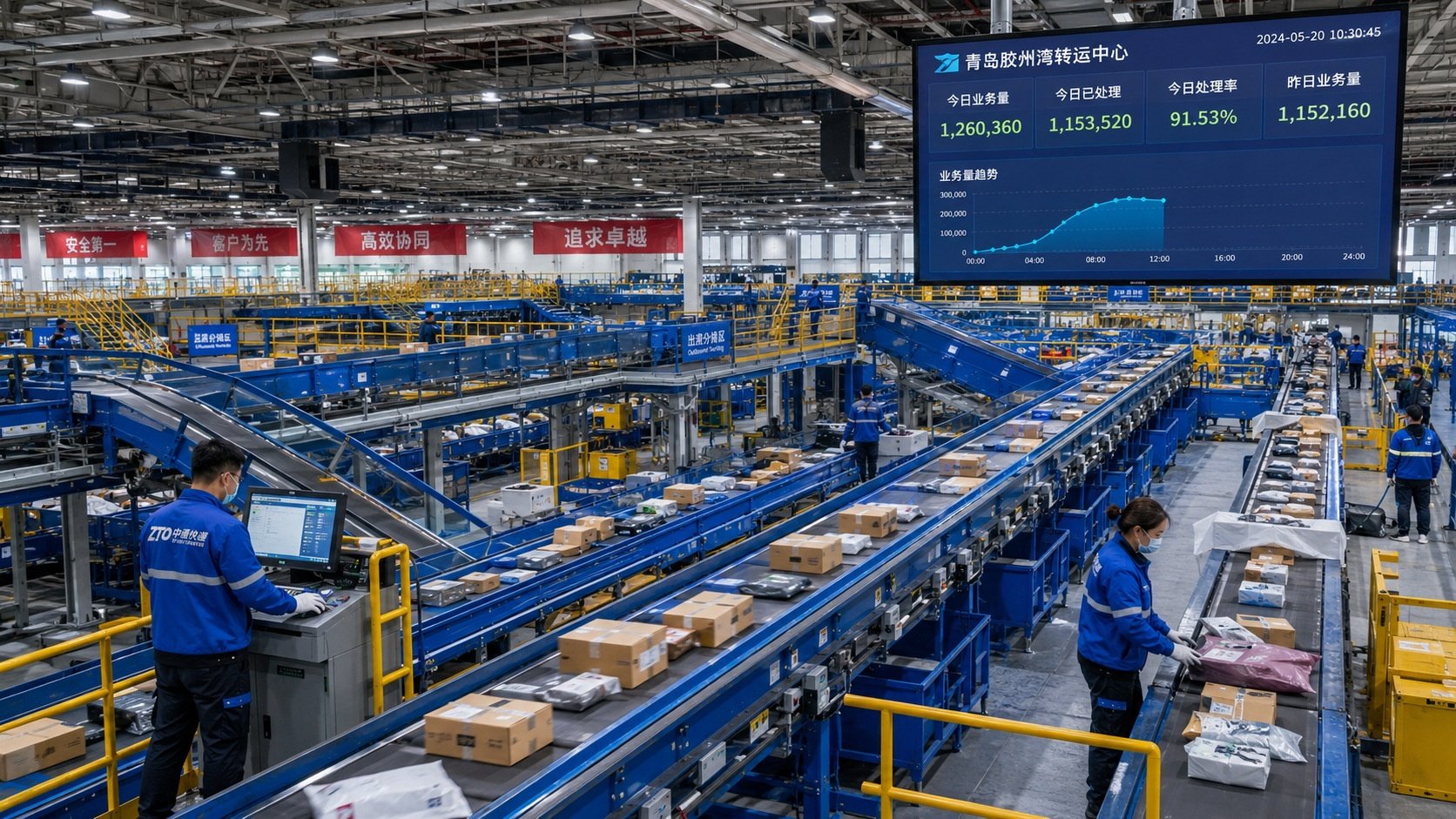
Furthermore, digital customs clearance and smart warehousing have streamlined the movement of goods. A consumer in Chengdu can order a package from a warehouse in Yiwu, and it often arrives the next day. This efficiency has collapsed the traditional margin that retailers used to charge for “logistics risk.” When you buy a product in China today, a smaller portion of that price goes to covering the uncertainty of getting it from Point A to Point B.
Impact on the Global Supply Chain
Why does this matter to global supply chains? Because a more efficient domestic market changes China’s leverage.
When internal trade is smooth, China becomes less reliant on fragile global shipping routes for basic necessities. If a canal is blocked or a port is congested, a domestic unified market can absorb shocks more easily. This stability stabilizes local prices for food and fuel, which in turn keeps manufacturing costs predictable.
Data from major logistics firms shows that the cost of domestic freight in China has dropped significantly relative to GDP over the past decade. This internal efficiency acts as a buffer. It means that when global supply chains face disruptions, Chinese manufacturers can pivot faster, sourcing components from within the country rather than waiting weeks for overseas shipments.
What This Means for You
For global brands and consumers alike, this shift is visible. International coffee chains, for example, are no longer just exporting beans to China; they are building local roasting plants and integrating with local delivery apps like Meituan and Ele.me.
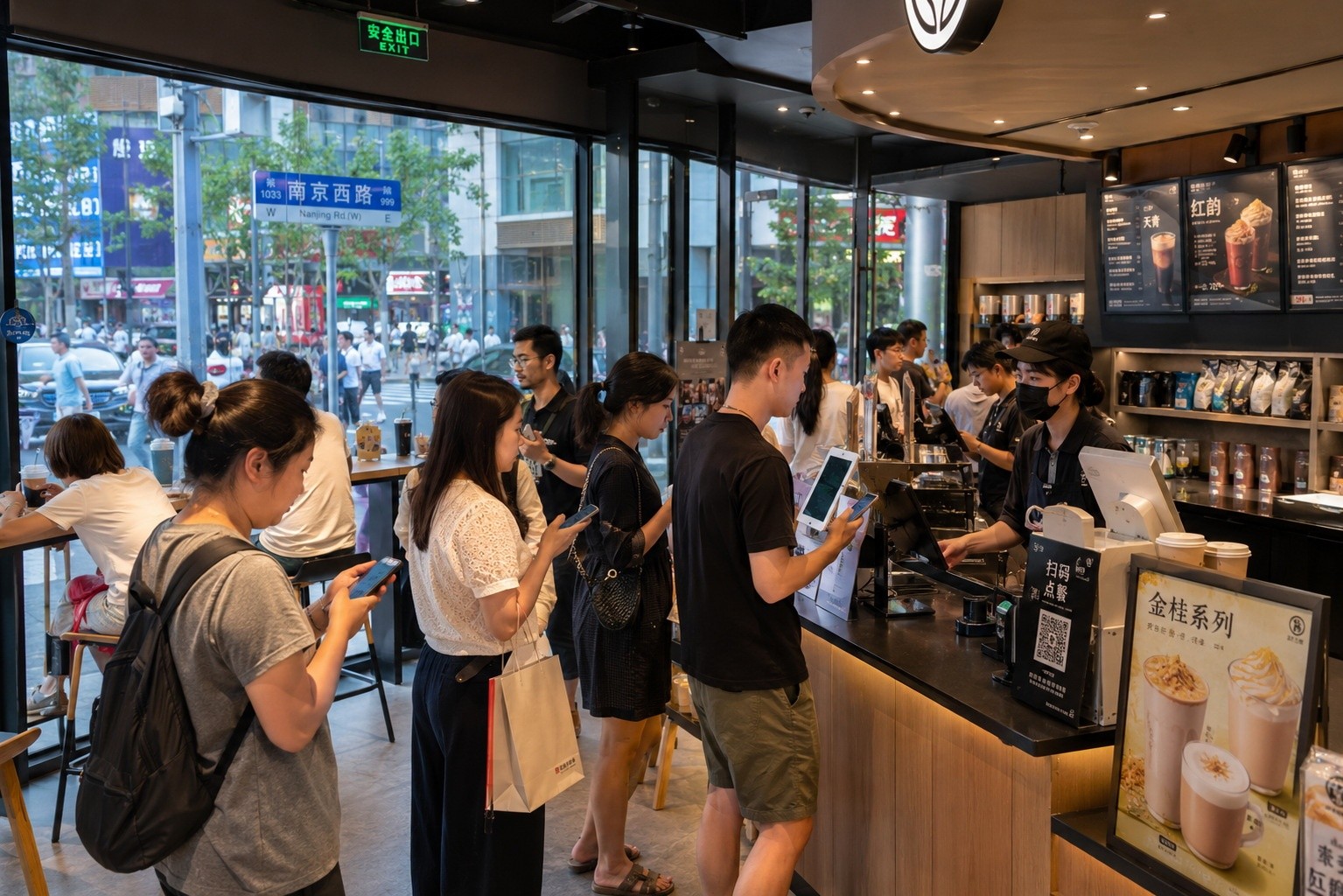
The result is a consumer base that is more price-sensitive but also more exposed to global trends. You see this in the electronics aisle, where the latest gadgets from Apple, Samsung, and local Chinese brands sit side by side. The “Unified Market” ensures that these goods are available everywhere, not just in coastal megacities.
For the global supply chain, this means China is evolving from a simple “factory floor” to a complex, self-sustaining ecosystem. It is a market where efficiency is baked into the infrastructure, and where the cost of living for basic goods is being reshaped by scale and speed. The next time you see a Chinese-made product on a shelf in New York or London, remember that its journey likely began with a seamless, high-speed trip across China’s own internal highways.