

Waking Up to a New Aroma
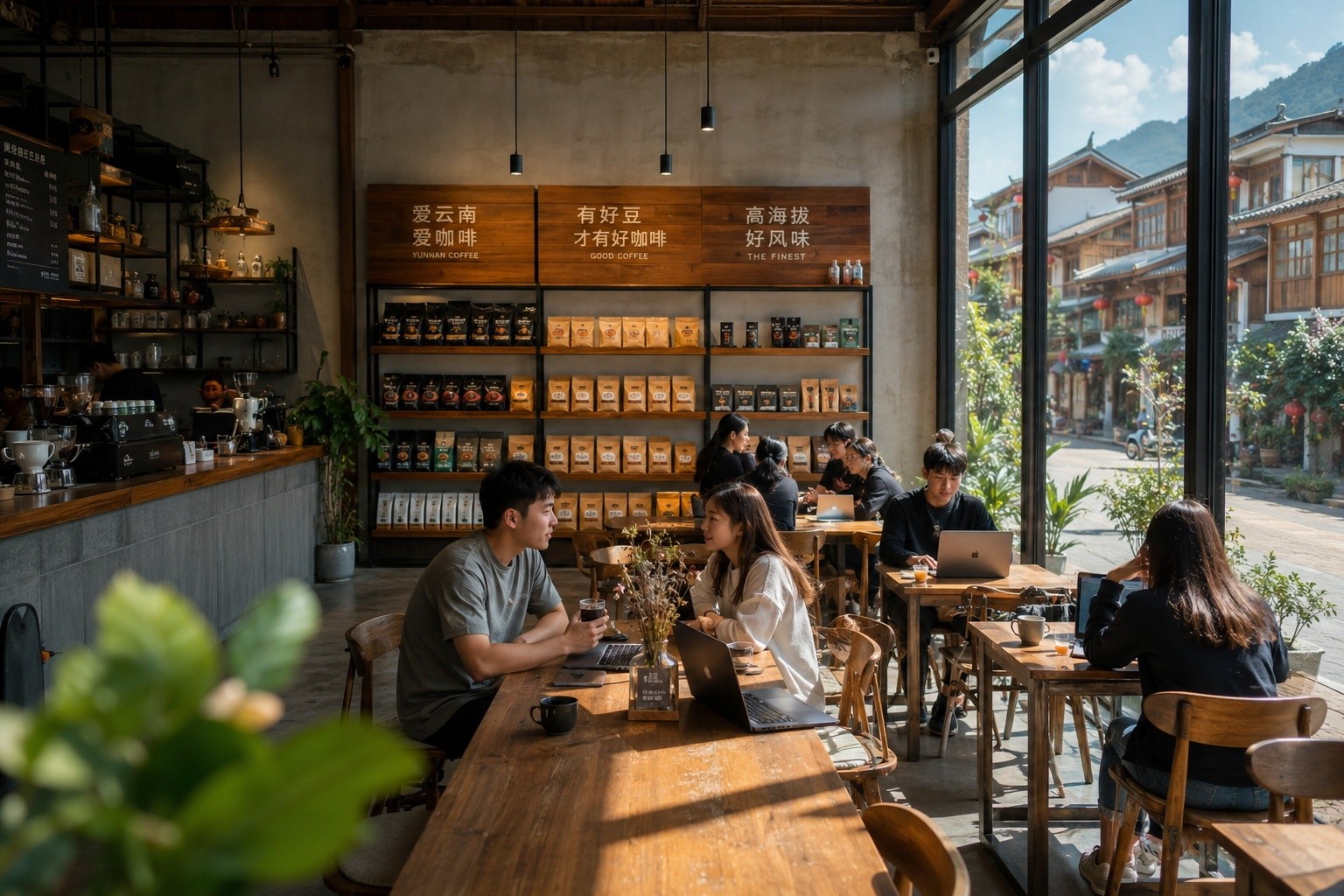
The morning air in Baoshan, a county-level city in western Yunnan province, used to carry the scent of jasmine tea or pu-erh. Today, it is filled with the rich, nutty aroma of roasting Arabica beans. At a small cafe near the local bus station, Lin, a 24-year-old graphic designer, orders an “Eagle Soaring” latte—a local name for a flat white. He doesn’t drink it for caffeine alone; he drinks it because the quality rivals what he would find in Shanghai or Seattle.
This scene is no longer an anomaly. For decades, Yunnan was known primarily for tea and rubber. But today, China produces over 135,000 metric tons of coffee beans annually, with Yunnan accounting for more than 98% of that total. What was once a niche agricultural product has become a daily staple for millions of Chinese consumers. The shift is not just cultural; it is logistical. The rapid integration of rural supply chains into national networks has made premium coffee accessible in places where it was previously impossible.
From Farm to Cup: Solving the Logistics Puzzle
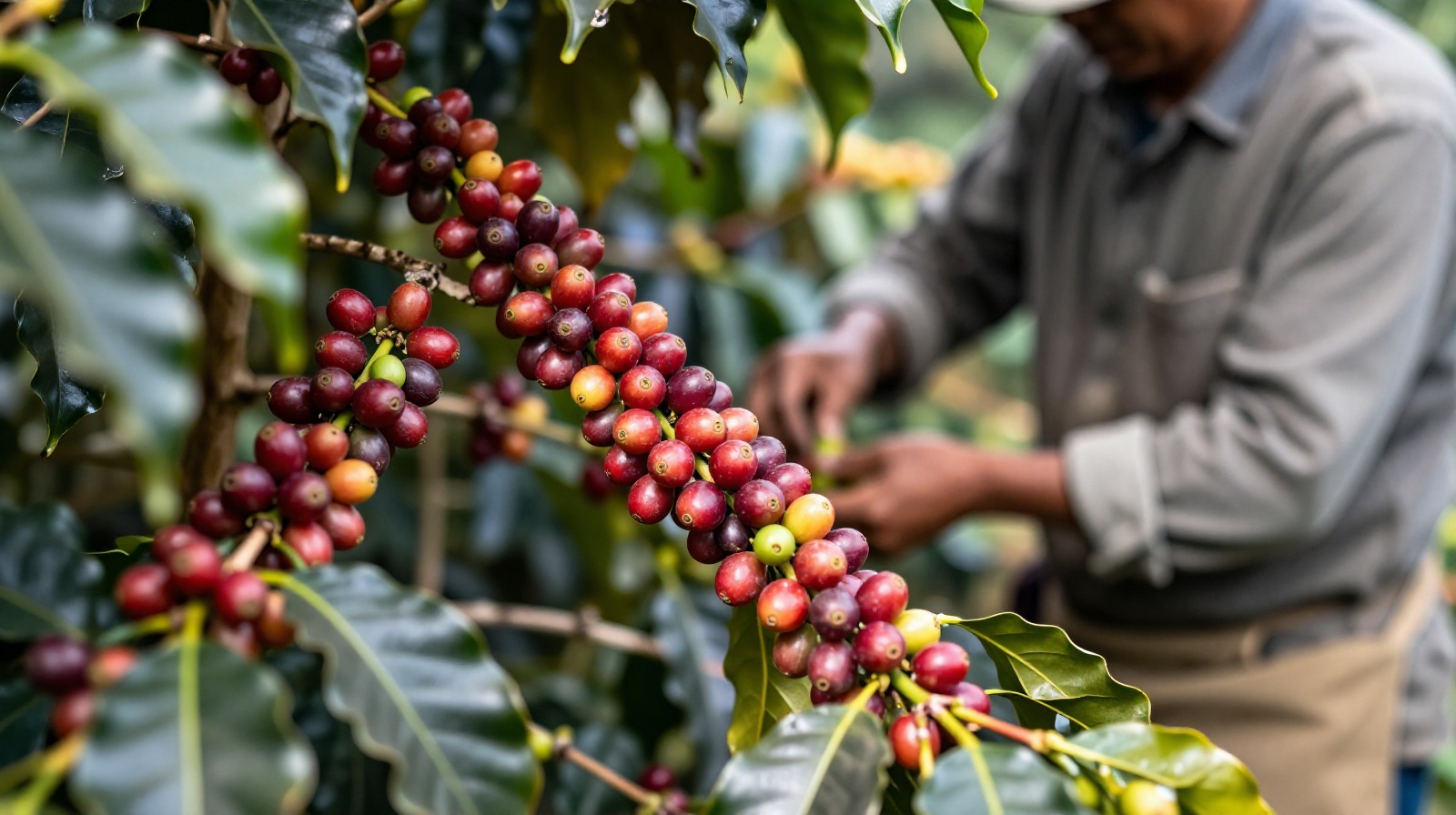
To understand this transformation, one must look beyond the cafe and into the fields. Chen, a third-generation coffee farmer in the Pu’er region, remembers the days when his harvest was a gamble. Without reliable cold storage or consistent transport, beans would often spoil before reaching processing centers. Middlemen would buy them at rock-bottom prices, leaving farmers with little profit and inconsistent quality.
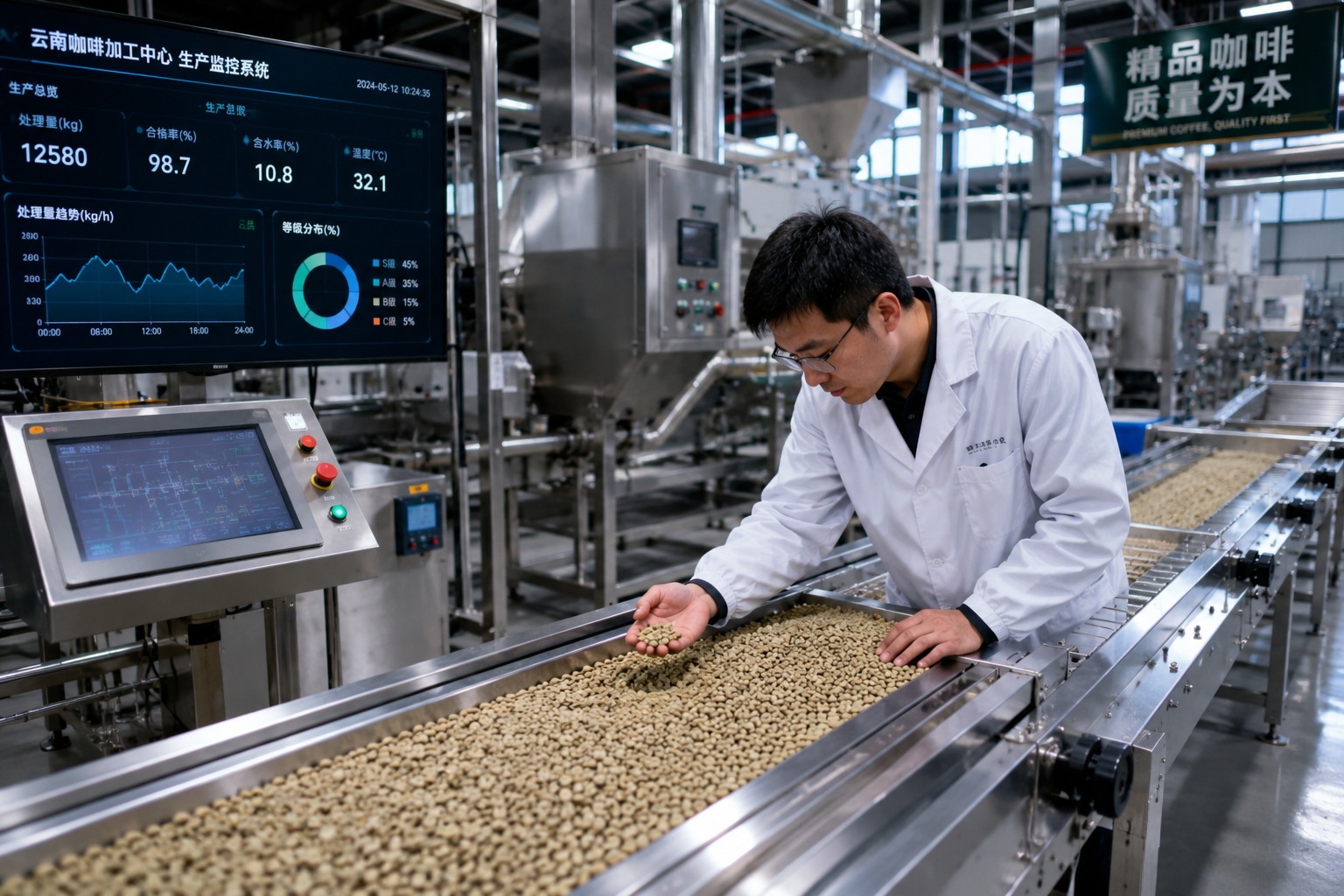
Today, Chen’s workflow is radically different. A unified supply chain has connected his smallholding directly to large-scale processing hubs. When he picks his cherries, they are weighed, scanned for moisture content, and transported within hours to a central facility. Here, technology ensures that every batch meets specific cupping scores required by international buyers.
This standardization is the backbone of China’s coffee boom. By integrating logistics, data tracking, and quality control, the supply chain has eliminated the fragmentation that once plagued rural agriculture. The result is a product that is not only affordable but also competitive on the global stage. Yunnan’s Geisha variety, for instance, has recently won awards in international competitions, proving that Chinese coffee can stand alongside origins like Panama or Ethiopia.
The Third Space: A New Social Fabric
As the supply chain stabilizes the product, a new social phenomenon emerges. Independent cafes are popping up in towns that previously had no coffee culture. These are not just Starbucks clones; they are unique hybrids blending local aesthetics with global trends.
In Baoshan, a cafe called “Cloud Nine” features exposed concrete walls adorned with local ethnic textile patterns. The menu offers both a classic pour-over and a specialty drink infused with local herbs. For young people like Lin, these spaces serve as a “third place”—neither home nor work—where they can network, study, or simply escape the pressure of traditional expectations.
This trend reflects a broader change in China’s rural development. As infrastructure improves, so does the quality of life. The availability of high-speed internet and reliable delivery services means that a young person in a remote town can access the same digital economy and consumer experiences as someone in a tier-one city. Coffee becomes the symbol of this connectivity.

The Invisible Infrastructure
Why are global specialty coffee brands paying attention to Yunnan? It is not merely because the labor costs are lower. It is because the supply chain reliability has reached a level that allows for scalable consistency.
Major international roasters are now setting up direct trade operations in Yunnan. They invest in washing stations and fermentation labs, ensuring that the beans meet the exact flavor profiles their customers expect. This mutual investment creates a virtuous cycle: farmers get better prices and technical support, while brands get a reliable source of high-quality beans.
This shift challenges the stereotype of China as just a factory for mass production. In Yunnan, we see the rise of a sophisticated agri-tech sector where data analytics and sustainable farming practices are becoming the norm. The “invisible infrastructure” of logistics and digital payment systems has lowered the barrier to entry for global commerce, allowing local producers to bypass traditional intermediaries.
A Cup of Contemporary China
Drinking coffee in a Yunnan town is more than a lifestyle choice; it is a testament to how rapidly China’s internal markets are integrating. The journey from a smallholder’s field to a latte in a local cafe is now smooth, fast, and standardized.
This transformation offers a window into modern China. It is a country where traditional rural life is not disappearing but evolving, supported by advanced infrastructure and global connections. For the outsider, it is a reminder that development in China is not just about skyscrapers in Beijing or Shenzhen; it is also about the quiet revolution happening in the hills of Yunnan, one cup of coffee at a time.